Natural Rubber Granules
CN → US| HS Code | Tariff Rate | Origin | Destination | Doc |
|---|---|---|---|---|
| 4004000000 | 35.0% | CN | US | Official Doc |
| 4003000000 | 35.0% | CN | US | Official Doc |
| 4002190019 | 35.0% | CN | US | Official Doc |
| 4002990000 | 35.0% | CN | US | Official Doc |
| 4008210000 | 35.0% | CN | US | Official Doc |
Product Images
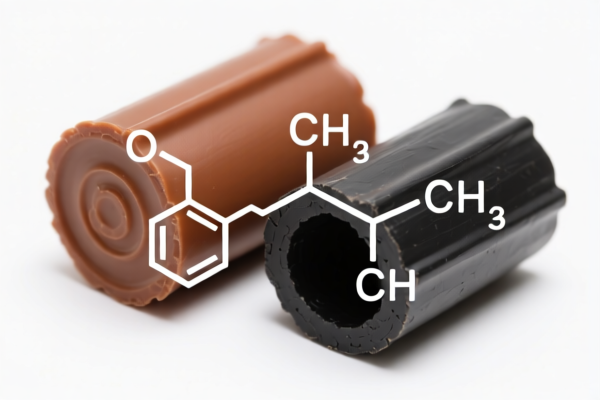

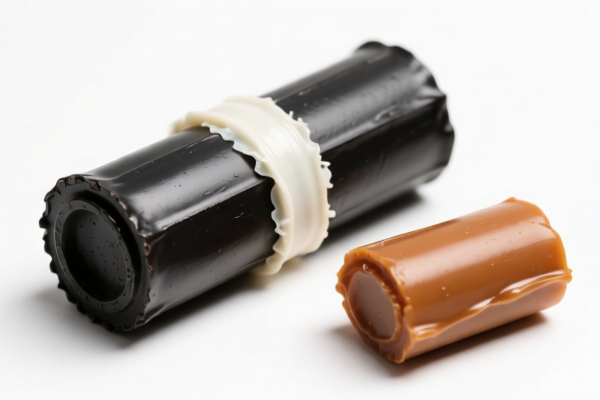
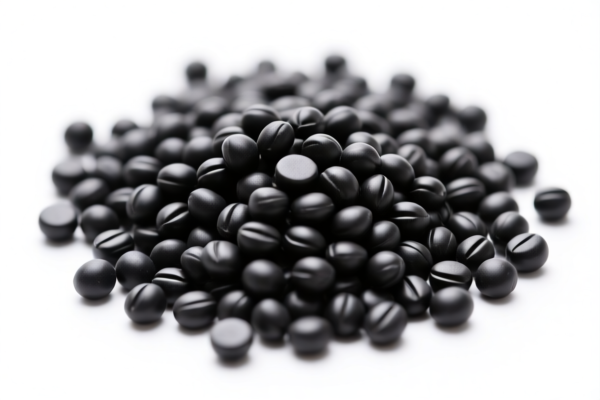
AI Analysis
🧱 Natural Rubber Granules & Recycled Rubber Particles: The Ultimate 2026 US Customs Classification Guide
🌐 HS Code Reference & Clearance Strategy | 2026 Latest Tariff Analysis | High-Tax Avoidance Tactics
📌 I. Product Definition & Classification: What Exactly Are "Rubber Granules"?
"Natural Rubber Granules" is a generic term that often leads to misclassification risks in US Customs. Depending on the origin (natural vs. synthetic), form (particle vs. film/strip), and processing level (primary vs. waste/scrap), these goods fall into distinctly different HS Codes with varying compliance requirements.
In the provided data, we analyze five specific classifications. The critical distinction lies between: 1. Primary/Processed Rubber (HS 4002, 4003, 4008) 2. Waste/Scrap/Recycled Materials (HS 4004)
⚠️ Key Distinction Point:
- If the material is natural rubber processed into granules for primary use → HS 4002.99.00.00
- If the material is synthetic rubber granules (or a mix not specified as natural) → HS 4002.19.00.19 or 4002.99.00.00
- If the material is recycled/reclaimed from waste/scrap → HS 4004.00.00.00 or 4003.00.00.00
- If the form is a film/strip (even if rubber) → HS 4008.21.00.00 (Note: This contradicts the "granule" description, so ensure physical form matches!)
📦 II. HS Code Classification Details (2026 Latest Tariff Authority)
| HS Code | Product Description | Applicable Scenario | Material/Form Status |
|---|---|---|---|
4002.19.00.19 |
Synthetic Rubber Granules, Other Synthetic Rubber, Fallback Category | Granules made of synthetic rubber; generic synthetic fallback | ✅ Synthetic |
4002.99.00.00 |
Other Synthetic Rubber, Granules | Natural rubber granules (primary form); "Other" category | ✅ Natural (Primary) |
4003.00.00.00 |
Reclaimed Rubber, Granules, Primary Form | Recycled/Reclaimed rubber in granular form, meeting primary standards | ✅ Recycled/Reclaimed |
4004.00.00.00 |
Waste, Scrap, & Rubbish of Rubber; Granules | Waste/Scrap rubber converted into granules; matches waste attributes | ✅ Waste/Scrap |
4008.21.00.00 |
Natural Rubber Films, Sheets, Strips | Natural Rubber Film/Strip (NOT granules); Board/Sheet/Strip category | ✅ Natural (Film/Strip) |
🔍 Critical Warning:
- HS 4008.21.00.00 is for films/sheets, not granules. If you ship granules but use this code, customs will flag a physical mismatch. Ensure your physical product matches the "Granule" description for codes 4002, 4003, and 4004. - "Natural Rubber Granules" typically fall under 4002.99.00.00 if they are virgin/primary natural rubber processed into granules. If they are recycled, they go to 4003 or 4004.
💰 III. 2026 Latest Tariff Rate Breakdown (Including Surcharges, Policy Surcharges)
✅ Applicable Country: United States (US)
✅ Origin: China (CN)
✅ Effective Time: 2025 November 10 onwards (including subsequent imports)
🎯 1. 4002.19.00.19 —— Synthetic Rubber Granules (Synthetic, Fallback)
| Item | Content |
|---|---|
| Base Tariff | 0% (ad valorem) |
| USITC Surcharge | +25% (from USITC Footnote 9903.88.01) |
| IEEPA Surcharge | +10% (Targeting China/HK products, from Nov 10, 2025) |
| Total Tariff | 35% |
| Tax Calculation | CIF Value × 35% |
| De Minimis Exemption Available? | ❌ No (deny_de_minimis) |
| Legal Basis Path | IEEPA:9903.01.25 → IEEPA:9903.01.24 → USITC:4002.19.00.19 → FOOTNOTE:9903.88.01 |
📌 Explanation:
- "USITC Surcharge 25%" comes from Section 301 of the US Trade Act; - "IEEPA 10%" is the emergency economic power surcharge against China; - Total 35%, this is a high tariff, must be anticipated in advance!
🎯 2. 4002.99.00.00 —— Other Synthetic/Natural Rubber (Granules, Primary)
| Item | Content |
|---|---|
| Base Tariff | 0% |
| USITC Surcharge | +25% |
| IEEPA Surcharge | +10% |
| Total Tariff | 35% |
| Tax Calculation | CIF × 35% |
| De Minimis Exemption Available? | ❌ No |
| Legal Basis Path | IEEPA:9901.25 → IEEPA:9903.01.24 → USITC:4002.99.00.00 → FOOTNOTE:9903.88.01 |
📌 Note:
- Same as above; belongs to "Rubber Primary Products"; - Whether it is "Natural Rubber Granules" (virgin) or "Synthetic Rubber Granules", if classified under 4002.99, the tax rate is identical.
🎯 3. 4003.00.00.00 —— Reclaimed Rubber (Recycled, Granules)
| Item | Content |
|---|---|
| Base Tariff | 0% |
| USITC Surcharge | +25% |
| IEEPA Surcharge | +10% |
| Total Tariff | 35% |
| Tax Calculation | CIF × 35% |
| De Minimis Exemption Available? | ❌ No |
| Legal Basis Path | IEEPA:9903.01.24 → USITC:4003.00.00.00 → FOOTNOTE:9903.88.01 |
📌 Note:
- "Reclaimed rubber" refers to rubber processed from waste/scrap for reuse; - Even if it's "recycled," it still faces the 35% total tariff. Do not assume recycled goods are exempt from Section 301.
🎯 4. 4004.00.00.00 —— Waste, Scrap & Rubbish of Rubber (Granules)
| Item | Content |
|---|---|
| Base Tariff | 0% |
| USITC Surcharge | +25% |
| IEEPA Surcharge | +10% |
| Total Tariff | 35% |
| Tax Calculation | CIF × 35% |
| De Minimis Exemption Available? | ❌ No |
| Legal Basis Path | IEEPA:9903.01.24 → USITC:4004.00.00.00 → FOOTNOTE:9903.88.01 |
📌 Note:
- This code is for waste/scrap rubber granules; - Must provide proof that the material is indeed "waste/scrap" (e.g., off-cuts, vulcanized rubber waste); - If it's virgin rubber, using this code is fraud/misclassification.
🎯 5. 4008.21.00.00 —— Natural Rubber Films/Sheets/Strips
| Item | Content |
|---|---|
| Base Tariff | 0% |
| USITC Surcharge | +25% |
| IEEPA Surcharge | +10% |
| Total Tariff | 35% |
| Tax Calculation | CIF × 35% |
| De Minimis Exemption Available? | ❌ No |
| Legal Basis Path | IEEPA:9903.01.24 → USITC:4008.21.00.00 → FOOTNOTE:9903.88.01 |
📌 Critical Warning:
- This HS Code is for films, sheets, or strips, NOT granules. - If you are shipping granules, do NOT use this code. It will cause a physical inspection delay and potential penalty. - Only use this if your product is literally a natural rubber film/strip.
🛠️ IV. Customs Clearance Practical Advice (Real-World Pitfall Guide)
✅ 1. Required Documents List (None Can Be Missing)
| Document | Required | Explanation |
|---|---|---|
| ✅ Product Specification Sheet | ✔️ | Must detail: Material (Natural/Synthetic/Recycled), Form (Granule/Film), Size of granules, Processing method |
| ✅ Process Flowchart | ✔️ | To prove whether it's virgin, reclaimed, or waste. Critical for distinguishing 4002 vs 4003/4004 |
| ✅ Product Photos (Clear) | ✔️ | Show the granules/film clearly. Label must show HS-relevant info |
| ✅ Commercial Invoice | ✔️ | Must explicitly state: "Natural Rubber Granules" or "Reclaimed Rubber Granules" accurately. Do not use vague terms like "Rubber Parts" |
| ✅ Certificate of Origin (CO) | ✔️ | Essential for verifying China origin (triggers 35% tariff). If re-exported, may claim exemption |
| ✅ Packing List | ✔️ | Clearly state gross/net weight, no mixed commodities |
✅ 2. Declaration Tips (Key Mantra)
🔥 "Material First, Form Second, Name Accurate, Tax Correct!"
| Scenario | Correct Declaration | Wrong Action |
|---|---|---|
| Virgin Natural Rubber Granules | 4002.99.00.00 |
Mislabel as "Waste" → Audit Risk |
| Recycled/Reclaimed Rubber Granules | 4003.00.00.00 |
Mislabel as "Virgin" → Fraud Penalty |
| Waste/Scrap Rubber Granules | 4004.00.00.00 |
Mislabel as "Virgin" → High Tariff Dispute |
| Rubber Film/Strip | 4008.21.00.00 |
Call it "Granules" → Physical Mismatch Delay |
✅ 3. Special Situations Handling
| Situation | Handling Advice |
|---|---|
| Mixed Raw Materials | If mixed natural/synthetic, customs may classify based on primary material or worst-case scenario. Document clearly! |
| Sample Imports | Even samples face 35% tariff. No de minimis exemption for rubber from China. |
| OEM Custom Rubber | Provide client order + material spec sheet. Avoid generic terms like "Rubber Stuff" |
| Recycled Content Claim | If claiming "Recycled," provide evidence of waste source. Otherwise, customs may classify as virgin rubber (still 35%, but documentation differs). |
🌍 V. Global Market Clearance Comparison (2026 Latest)
| Country/Region | Recommended HS Code | Tariff (China Origin) | Certification Req. | Notes |
|---|---|---|---|---|
| 🇺🇸 USA | 4002.99.00.00 / 4004.00.00.00 |
35% | None specific for rubber | High tax, no de minimis |
| 🇨🇳 China | 4002.99.00.00 |
5-8% | CCC (if applicable) | Lower tax, easy import |
| 🇪🇺 EU | 4002.99.00.00 |
0-6.5% | REACH Registration | REACH compliance critical for chemicals/rubber |
| 🇬🇧 UK | 4002.99.00.00 |
0-6.5% | UK REACH | Post-Brexit rules apply |
| 🇲🇽 Mexico | 4002.99.00.00 |
0-8% | NOM Certifications | USMCA may apply if originating |
📌 Conclusion:
- USA is the highest tax jurisdiction for rubber imports from China; - EU/UK require REACH registration, which is often more costly and time-consuming than the US tariff itself; - No duty-free options for standard rubber granules from China in major markets.
📌 VI. Common Mistakes & Pitfall Guide (Blood & Tears Lessons)
❌ Mistake 1: Calling "Recycled Rubber Granules" as "Waste" without proof
👉 Consequence: Customs rejects "Waste" classification, applies higher scrutiny or penalties for misdeclaration.
❌ Mistake 2: Using 4008.21.00.00 for Granules
👉 Consequence: Physical mismatch! Customs holds shipment, demands repackaging or redeclaration. Delays 2-4 weeks!
❌ Mistake 3: Assuming "De Minimis" ($800) exemption applies
👉 Consequence: Denied! Rubber from China is explicitly excluded from Section 321 de minimis due to Section 301 and IEEPA surcharges. Every shipment is taxed.
❌ Mistake 4: Vague Invoice Description: "Rubber Parts"
👉 Consequence: Customs assigns its own HS Code, likely the highest duty one. Audit risk increased.
✅ Correct Practice:
"Virgin Natural Rubber Granules, 10mm size, Used for Tire Manufacturing, HS 4002.99.00.00, Made in China, CIF USD 10,000"
🎯 VII. Conclusion: Professional Declaration, Save Time, Cut Costs!
🎯 Remember the Mantra:
🔹 "Material Type First, Form Second, Name Accurate!"
🔹 "HS Code Determines Life, 35% Tax is Real, De Minimis is Dead for China Rubber!"
📌 Pro Tip:
If your rubber granules are sourced from Vietnam, Mexico, Thailand, or Malaysia, you MAY be eligible for USMCA or ASEAN Free Trade Agreement exemptions, reducing the 35% tariff to 0%.
Recommendation: Apply for Advance Ruling (Pre-classification) from US Customs if unsure. Avoid post-import audits.
📣 Immediate Action:
📞 Contact Professional Customs Broker + Provide Product Photos + Apply for HS Code Advance Ruling
🚀 Let your rubber granules Clear Customs Smoothly, Export Efficiently, Profit Maximized!
✨ Professional Clearance Starts with Accurate Classification!
💼 Every Dollar of Cost Deserves Precise Calculation!
Customer Reviews
About HS Code Classification
The Harmonized System (HS) is an internationally standardized nomenclature developed by the World Customs Organization (WCO) to classify traded products. Over 200 countries use the HS system as the basis for customs tariffs, trade statistics, and import/export regulations.
Each HS code follows a hierarchical structure:
- Chapter (2 digits) — Broad category of goods (e.g., Chapter 84: Machinery and Mechanical Appliances)
- Heading (4 digits) — More specific grouping within the chapter
- Subheading (6 digits) — Internationally standardized breakdown, used by all WCO member countries
- National subdivisions (8-10 digits) — Country-specific extensions for further classification, such as US HTSUS 10-digit codes
Correct HS code classification is essential for smooth customs clearance, accurate duty payment, and compliance with trade regulations. Misclassification can lead to customs delays, overpayment of duties, or penalties.
When importing from CN to US, the applicable tariff rates may include:
- Most-Favored-Nation (MFN) rate — The standard duty rate applied to WTO members
- General rate — Applied to countries without trade agreements
- Trade remedy duties — Additional tariffs such as Section 301 (anti-dumping), Section 232 (national security), or countervailing duties
The information provided on this page is for reference purposes only. For official classification, please consult with your local customs authority or a licensed customs broker.