Natural Rubber L Grade
CN → US| HS Code | Tariff Rate | Origin | Destination | Doc |
|---|---|---|---|---|
| 4016993510 | 35.0% | CN | US | Official Doc |
| 4001220015 | 35.0% | CN | US | Official Doc |
| 4001100000 | 35.0% | CN | US | Official Doc |
Product Images
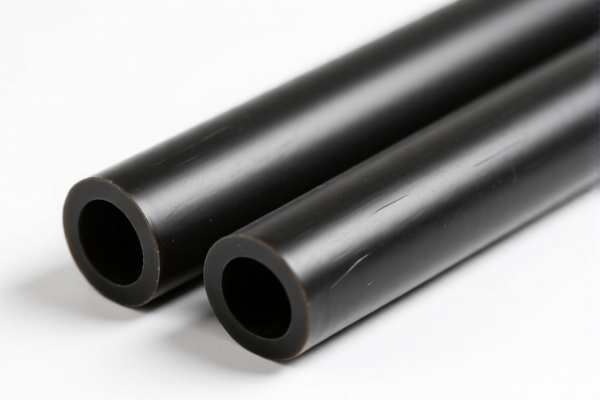
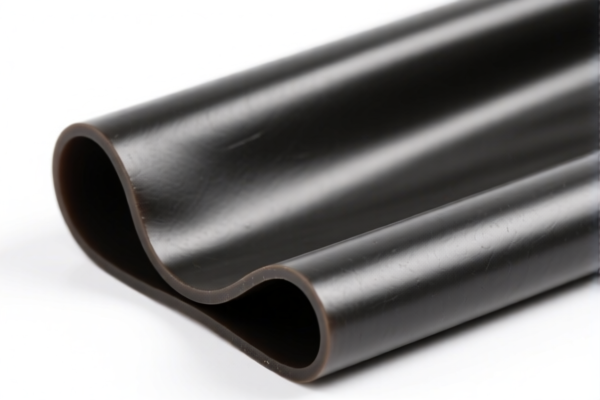
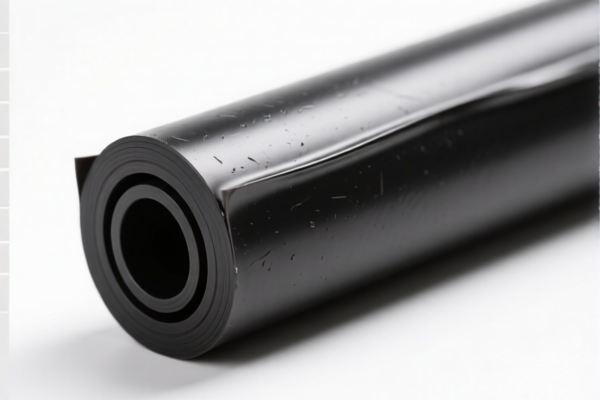
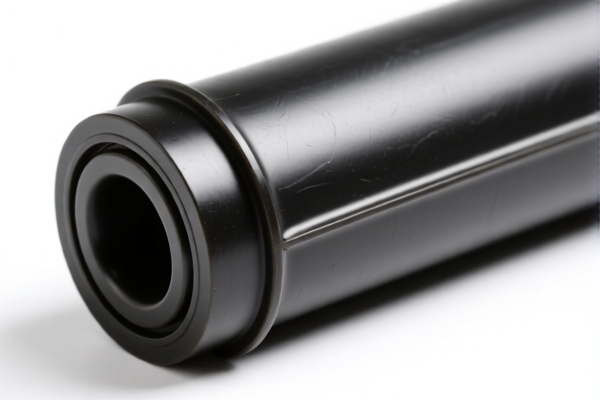
AI Analysis
🌿 Natural Rubber L Grade (Latex & Raw Material)
🌐 HS Code Reference & Customs Clearance Guide | 2026 Latest Tariff Analysis | Professional Entry Strategy
📌 I. Product Definition & Classification: Do You Truly Understand "L Grade Natural Rubber"?
Natural Rubber, specifically Grade L (Liquid Latex) or L-Grade Sheet/Raw Rubber, is a primary material derived from the Hevea brasiliensis tree. In international trade, it is distinguished by its material state (Raw/Primary) and quality grade.
The term "L Grade" typically refers to Liquid Latex (Concentrated) or high-purity raw rubber sheets that meet specific physical standards (viscosity, non-volatile content, ammonia content). It is the foundational ingredient for gloves, balloons, condoms, sponges, and industrial adhesives.
⚠️ Critical Distinction Point:
- If it is Natural Latex (Liquid) in primary form → Classified under 4001.10.00.00
- If it is Raw Rubber (Solid/Block/Sheet) of Grade L → Classified under 4001.22.00.15
- If it is Finished Rubber Product (e.g., Gloves) made of Natural Latex → Classified under 4016.99.35.10
- Key Factor: Is it a raw material (heading 4001) or a manufactured good (heading 4016)?
📦 II. HS Code Classification Details (2026 Latest Tariff Authority Comparison)
Based on the provided data, here are the three potential HS Codes depending on the exact physical form and commercial status of the "Natural Rubber L Grade":
| HS Code | Product Description | Application Scenario | Material State | Tax Rate (Total) |
|---|---|---|---|---|
4001.10.00.00 |
Natural Rubber Latex in primary forms | Liquid latex, concentrated latex for coating, dipping, or further processing | Liquid/Emulsion | 35.0% |
4001.22.00.15 |
Other Primary Forms of Natural Rubber (Grade L) | Solid raw rubber, sheet rubber, blocks of Grade L quality | Solid/Primary | 35.0% |
4016.99.35.10 |
Other Articles of Vulcanized Rubber Other Than Hard Rubber | Note: Data matches based on "Natural Latex Rubber" material, but implies a finished good or semi-finished rubber article | Vulcanized/Fabricated | 35.0% |
🔍 Important Note:
- The data provided links all three codes to a 35.0% total tax rate due to US trade policies.
- 4001.10.00.00 is the most direct match for "Natural Rubber L Grade" if it is Liquid Latex.
- 4001.22.00.15 is the match if it is Solid Raw Rubber of Grade L.
- 4016.99.35.10 is less likely for raw material but included in the data because the summary mentions "Natural Latex Rubber" material, potentially referring to vulcanized rubber products made from L-grade latex. Clarify if the product is RAW or FINISHED.
💰 III. 2026 Latest Tariff Rate Breakdown (Including Surcharge, Policy Surcharge)
✅ Applicable Country: USA (US)
✅ Origin: China (CN)
✅ Effective Date: November 10, 2025 onwards (for subsequent imports)
🎯 1. 4001.10.00.00 —— Natural Rubber Latex (Liquid Primary Form)
| Item | Content |
|---|---|
| Base Tariff | 0% (ad valorem) |
| USITC Surcharge | +25% (under USITC Footnote 9903.88.01 / Section 301) |
| IEEPA Surcharge | +10% (Under International Emergency Economic Powers Act, targeting China/HK) |
| Total Rate | 35.0% |
| Tax Calculation | CIF Value × 35% |
| De Minimis Exemption? | ❌ No (deny_de_minimis) |
| Legal Authority Path | IEEPA:9903.01.25 → IEEPA:9903.01.24 → USITC:4001.10.00.00 → FOOTNOTE:9903.88.01 |
📌 Explanation:
- The 25% USITC surcharge is part of the Section 301 tariffs on Chinese imports.
- The 10% IEEPA surcharge is an additional emergency power tariff applied to Chinese-origin rubber products.
- Total 35% is high for raw materials. Ensure the declaration matches the physical form (Latex vs. Solid).
🎯 2. 4001.22.00.15 —— Other Primary Forms of Natural Rubber (Grade L)
| Item | Content |
|---|---|
| Base Tariff | 0% |
| USITC Surcharge | +25% |
| IEEPA Surcharge | +10% |
| Total Rate | 35.0% |
| Tax Calculation | CIF × 35% |
| De Minimis Exemption? | ❌ No |
| Legal Authority Path | IEEPA:9901.25 → IEEPA:9903.01.24 → USITC:4001.22.00.15 → FOOTNOTE:9903.88.01 |
📌 Note:
- "Grade L" matches the classification explanation for Grade L Natural Rubber.
- Whether liquid or solid, if it is primary form (unvulcanized), it falls under Heading 4001.
- Do not confuse with finished rubber goods (Heading 4016), which may have different duty structures in other contexts, but here also carries 35% in this specific data set.
🎯 3. 4016.99.35.10 —— Other Articles of Vulcanized Rubber (Natural Latex)
| Item | Content |
|---|---|
| Base Tariff | 0% |
| USITC Surcharge | +25% |
| IEEPA Surcharge | +10% |
| Total Rate | 35.0% |
| Tax Calculation | CIF × 35% |
| De Minimis Exemption? | ❌ No |
| Legal Authority Path | IEEPA:9903.01.25 → IEEPA:9903.01.24 → USITC:4016.99.35.10 → FOOTNOTE:9903.88.01 |
📌 Critical Check:
- This code is for vulcanized rubber articles (finished goods like gloves, sponges, seals).
- If you are importing raw L-grade latex or rubber blocks, using this code may be incorrect and lead to audits.
- Use this ONLY if the product is already manufactured/vulcanized but classified under "other articles."
- Match Summary: The data states "Material is natural latex rubber... matches primary form category," which is contradictory. Prioritize 4001 for raw materials.
🛠️ IV. Customs Clearance Practical Advice (Battle-Tested Pitfall Avoidance Guide)
✅ 1. Required Documentation Checklist (Non-Negotiable)
| Document | Must Provide | Explanation |
|---|---|---|
| ✅ Certificate of Analysis (CoA) | ✔️ | Must specify "L Grade", viscosity, non-volatile content, ammonia content. |
| ✅ Product Specification Sheet | ✔️ | Clearly state: Raw Material OR Finished Good. |
| ✅ Photos of Product & Label | ✔️ | Show container type (drum for liquid, block for solid) and grade marking. |
| ✅ Commercial Invoice | ✔️ | Describe as "Natural Rubber, L Grade, Primary Form" (if raw) or "Vulcanized Rubber Article" (if finished). |
| ✅ Bill of Lading | ✔️ | Ensure weight and quantity match CoA. |
| ✅ MSDS (Material Safety Data Sheet) | ✔️ | Required for liquid latex (contains ammonia/ammonium hydroxide). |
✅ 2. Declaration Strategy (Key Mantra)
🔥 "Raw is 4001, Finished is 4016; L Grade means Grade L, Don't Guess!"
| Scenario | Correct Declaration | Wrong Approach |
|---|---|---|
| Liquid Latex (Unvulcanized) | HS: 4001.10.00.00Desc: "Natural Rubber Latex, L Grade, Primary Form" |
Declaring as "Rubber Sheets" or "Gloves" → Misclassification Risk |
| Solid Rubber Blocks (Unvulcanized) | HS: 4001.22.00.15Desc: "Natural Rubber, L Grade, Other Primary Form" |
Declaring as "Finished Rubber Products" → Higher Inspection Rate |
| Vulcanized Rubber Articles | HS: 4016.99.35.10Desc: "Vulcanized Rubber Articles, Natural Latex" |
Declaring as "Raw Material" → Tariff/Regulatory Mismatch |
⚠️ Warning:
- L Grade is a specific quality standard. If you declare "Natural Rubber" without specifying "L Grade," customs may request additional proof of quality.
- Do not mix raw and finished goods in one shipment under different HS codes without clear separation.
✅ 3. Special Situations
| Situation | Handling Advice |
|---|---|
| Liquid Latex with Ammonia | Must declare as hazardous if concentration exceeds thresholds. Provide MSDS. |
| OEM Rubber Parts (Raw Material Supply) | Even if destined for manufacturing, if shipped as raw material, use 4001. |
| Vulcanized Goods from China | Subject to 35% total tax. Calculate cost accordingly. |
| Origin: Non-China (e.g., Thailand, Vietnam) | IEEPA 10% surcharge may NOT apply. Check country-specific tariffs. |
🌍 V. Global Market Customs Comparison (2026 Latest)
| Country/Region | Recommended HS Code | Base Tariff | Additional Surcharges (China Origin) | Total Rate | Notes |
|---|---|---|---|---|---|
| 🇺🇸 USA | 4001.10.00.00 or 4001.22.00.15 |
0% | +25% (USITC) +10% (IEEPA) | 35% | High barrier. L Grade must be specified. |
| 🇨🇳 China | 4001.10.00.00 |
3-5% | None | ~3-5% | Low duty for import into China. |
| 🇪🇺 EU | 4001.10.00.00 |
0% | None (GSP if eligible) | 0% | Favorable for natural rubber. |
| 🇯🇵 Japan | 4001.10.00.00 |
0% | None (JEEPA) | 0% | Free trade agreement applies. |
| 🇦🇺 Australia | 4001.10.00.00 |
0% | None (AChFTA) | 0% | Free trade agreement applies. |
📌 Conclusion:
- USA is the only major market imposing high surcharges (35%) on Chinese-origin natural rubber.
- EU, Japan, Australia offer 0% duty for natural rubber due to FTAs/GSP.
- Consider supply chain diversification if exporting to the US to avoid the 35% tariff burden.
📌 VI. Common Errors & Pitfall Guide (Blood & Tears Lessons)
❌ Error 1: Declaring Liquid Latex as "Solid Rubber"
👉 Consequence: Customs inspection delay, possible penalty for false declaration.
👉 Fix: Clearly state "Liquid" and "Latex" in the description.
❌ Error 2: Using 4016 for Raw L-Grade Rubber
👉 Consequence: Misclassification. 4016 is for vulcanized (processed) rubber. Raw material is 4001.
👉 Fix: If raw, use 4001.10 or 4001.22.
❌ Error 3: Omitting "L Grade" in Description
👉 Consequence: Customs may downgrade or require additional testing to verify quality, causing delays.
👉 Fix: Always include "Grade L" in the commercial invoice and packing list.
❌ Error 4: Ignoring IEEPA 10% Surcharge in Cost Calculation
👉 Consequence: Underestimating landed cost by 10%.
👉 Fix: Always add 35% (0% base + 25% USITC + 10% IEEPA) for China-origin rubber to the US.
✅ Correct Practice:
"Natural Rubber Latex, L Grade, Primary Form, Unvulcanized, in Drums, Model XYZ, Non-Hazardous (if applicable), Origin: China"
🎯 VII. Conclusion: Professional Declaration, Save Time, Reduce Cost!
🎯 Remember the Mantra:
🔹 "Raw is 4001, Finished is 4016; L Grade means Grade L!"
🔹 "US Tariff 35%, Don't Skip the IEEPA!"
🔹 "De Minimis Denied, Prepare Full Docs!"
📌 Tip:
If your Natural Rubber L Grade is sourced from Thailand, Vietnam, or Indonesia, it MAY NOT be subject to the 10% IEEPA surcharge (check current exemptions).
Recommend pre-clearance ruling with US Customs to confirm HS Code and duty applicability.
📣 Immediate Action:
📞 Contact a professional customs broker + Provide CoA + Verify Origin
🚀 Let your Natural Rubber, pass through smoothly, reduce costs, maximize profit!
✨ Professional Customs Clearance, Starts with Accurate Classification!
💼 Every cent of your cost, deserves to be calculated precisely!
Customer Reviews
About HS Code Classification
The Harmonized System (HS) is an internationally standardized nomenclature developed by the World Customs Organization (WCO) to classify traded products. Over 200 countries use the HS system as the basis for customs tariffs, trade statistics, and import/export regulations.
Each HS code follows a hierarchical structure:
- Chapter (2 digits) — Broad category of goods (e.g., Chapter 84: Machinery and Mechanical Appliances)
- Heading (4 digits) — More specific grouping within the chapter
- Subheading (6 digits) — Internationally standardized breakdown, used by all WCO member countries
- National subdivisions (8-10 digits) — Country-specific extensions for further classification, such as US HTSUS 10-digit codes
Correct HS code classification is essential for smooth customs clearance, accurate duty payment, and compliance with trade regulations. Misclassification can lead to customs delays, overpayment of duties, or penalties.
When importing from CN to US, the applicable tariff rates may include:
- Most-Favored-Nation (MFN) rate — The standard duty rate applied to WTO members
- General rate — Applied to countries without trade agreements
- Trade remedy duties — Additional tariffs such as Section 301 (anti-dumping), Section 232 (national security), or countervailing duties
The information provided on this page is for reference purposes only. For official classification, please consult with your local customs authority or a licensed customs broker.