Natural Rubber Low Noise Tire
CN → US| HS Code | Tariff Rate | Origin | Destination | Doc |
|---|---|---|---|---|
| 4012118000 | 38.4% | CN | US | Official Doc |
| 4012124035 | 39.0% | CN | US | Official Doc |
| 4013100010 | 38.7% | CN | US | Official Doc |
Product Images
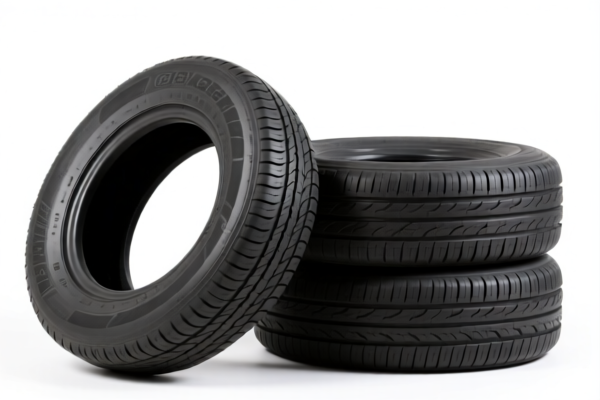
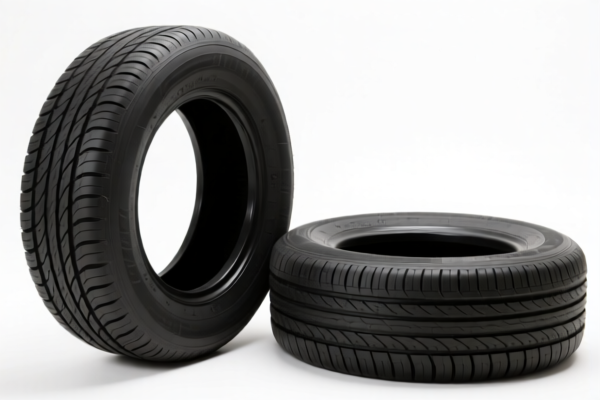
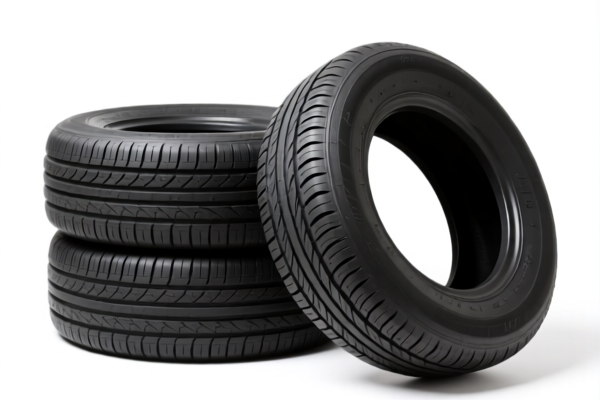
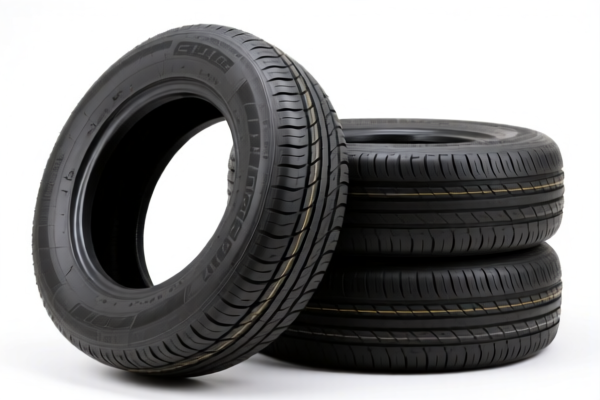
AI Analysis
🚗 Natural Rubber Low Noise Tire: Global Trade Classification & Clearance Guide
🌐 HS Code Reference & Customs Clearance Guide | 2024/2025 Latest Tariff Analysis | Professional Compliance Strategy
📌 Part 1: Product Definition & Classification Logic: Is It Just a "Tire"?
The "Natural Rubber Low Noise Tire" is a specialized automotive component designed to reduce road noise through specific tread pattern engineering and compound formulation (high natural rubber content). In international trade, tires are strictly classified based on material composition and end-use.
⚠️ Key Classification Distinction:
- Chapter 40 (Rubber Articles): Raw rubber tires, tire treads, or retreading materials.
- Chapter 41 (Leather): Not applicable.
- Chapter 87 (Vehicles): Only if the tire is mounted on a wheel as part of the vehicle (rare for loose imports).
- Crucial Point: For loose imports, HS Code 4012 and 4013 are the primary battlegrounds. The distinction often lies in whether the item is considered a "used/recycled" tire part (4012) or a "new pneumatic tire" (4013).
📦 Part 2: HS Code Classification Details & Tax Analysis (Based on Provided Data)
✅ Source Data Context: The following classification is derived from the provided dataset, reflecting high-tariff scenarios (likely US-China trade context due to "122 Clause" and "Section 301" indicators).
✅ Product: Natural Rubber Low Noise Tire
✅ Origin: Likely China (implied by "122 Clause" and "Section 301" references in tax details)
| HS Code | Product Description | Classification Logic | Total Tax Rate | Tax Breakdown |
|---|---|---|---|---|
4012.11.80.00 |
Rubber Tire Parts / Treads / Recycled Tires | Matches Material: Rubber. Matches Form: Tire (interpreted as parts/treads/recycled items under 4012). Summary: "Matches material as rubber, form as tire, meets classification requirements." |
38.4% | Base: 3.4% Section 301: 25.0% Section 122: 10.0% |
4012.12.40.35 |
Other Used Pneumatic Tires | Matches Material: Rubber. Matches Form: Tire. Summary: "Matches material as rubber, form as tire, may comply under other category rules." |
39.0% | Base: 4.0% Section 301: 25.0% Section 122: 10.0% |
4013.10.00.10 |
Pneumatic Tires (New) | Matches Material: Rubber. Matches Use: Tire. Summary: "Matches material as rubber, use as tire, consistent with core elements of reference classification." |
38.7% | Base: 3.7% Section 301: 25.0% Section 122: 10.0% |
🔍 Critical Observation:
All three codes carry a significant additional tariff burden (~35%) on top of the base rate. This indicates the product is subject to US Section 301 tariffs (25%) and Section 122 tariffs (10%, likely related to specific trade remedy provisions or recent executive actions). The base rates (3.4%-4.0%) are relatively low for tires, but the total effective tax exceeds 38%.
💰 Part 3: Tariff Rate Breakdown (Detailed Tax Clause Explanation)
✅ Applicable Jurisdiction: United States (US)
✅ Origin: China (CN)
✅ Effective Period: Current (2024-2025)
🎯 1. 4012.11.80.00 – Rubber Tire Parts/Recycled Items
| Item | Detail |
|---|---|
| Base Tariff | 3.4% (General Ad Valorem) |
| Section 301 Tariff | +25.0% (List 3/4 Items under US Trade Act Section 301) |
| Section 122 Tariff | +10.0% (Specific clause referencing recent trade actions) |
| Total Effective Tax | 38.4% |
| Calculation | (CIF Value × 3.4%) + (CIF Value × 25%) + (CIF Value × 10%) |
| De Minimis Exemption | ❌ Not Applicable (Section 301 items are generally excluded from $800 de minimis) |
📌 Explanation:
- Section 301 (25%): This is the primary driver of cost, applied to Chinese rubber products and tires. It is a retaliatory tariff under US trade law.
- Section 122 (10%): This appears to be a specific administrative or trade remedy tariff, possibly linked to anti-dumping or countervailing duties, or a specific executive order provision.
- Total Burden: At 38.4%, this significantly impacts profitability. Importers must factor this into landed cost calculations.
🎯 2. 4012.12.40.35 – Used Pneumatic Tires
| Item | Detail |
|---|---|
| Base Tariff | 4.0% |
| Section 301 Tariff | +25.0% |
| Section 122 Tariff | +10.0% |
| Total Effective Tax | 39.0% |
| Calculation | (CIF Value × 4.0%) + (CIF Value × 25%) + (CIF Value × 10%) |
📌 Note:
- This code is for used tires. If your "Low Noise Tire" is new, this code is incorrect and will lead to customs detention or misclassification penalties.
- The tax rate is slightly higher due to a higher base rate, but the additional tariffs are identical.
🎯 3. 4013.10.00.10 – New Pneumatic Tires
| Item | Detail |
|---|---|
| Base Tariff | 3.7% |
| Section 301 Tariff | +25.0% |
| Section 122 Tariff | +10.0% |
| Total Effective Tax | 38.7% |
| Calculation | (CIF Value × 3.7%) + (CIF Value × 25%) + (CIF Value × 10%) |
📌 Best Fit for New Tires:
- If the product is a brand new, unused tire,4013.10.00.10is the most accurate description ("New Pneumatic Tires").
- The summary states: "Matches material as rubber, use as tire, consistent with core elements."
- Tax Difference: Slightly cheaper than4012.12but more expensive than4012.11.
🛠️ Part 4: Customs Clearance Practical Advice (Avoiding Pitfalls)
✅ 1. Documentation Checklist (Non-Negotiable)
| Document | Required? | Purpose |
|---|---|---|
| ✅ Commercial Invoice | ✔️ | Must clearly state: "New Pneumatic Tire," "Natural Rubber," "Low Noise Tread Pattern." |
| ✅ Packing List | ✔️ | Detail quantity, weight, and dimensions. |
| ✅ Product Specification Sheet | ✔️ | Confirm material composition (e.g., "80% Natural Rubber, 20% Synthetic"). Prove it is NEW if using 4013. |
| ✅ Certificate of Origin (CO) | ✔️ | Essential to confirm Chinese origin, which triggers the 35% additional tariffs. |
| ✅ Bill of Lading/Air Waybill | ✔️ | Standard shipping document. |
| ✅ Customs Broker Declaration | ✔️ | Use accurate HS Code. Misclassification can lead to fines. |
✅ 2. Classification Strategy: Which HS Code to Choose?
🔥 Golden Rule: "New vs. Used, Whole vs. Part"
| Scenario | Recommended HS Code | Reason |
|---|---|---|
| Brand New Tire (Retail/Wholesale) | 4013.10.00.10 |
Accurately describes "Pneumatic Tires." Lowest risk for new goods. |
| Used/Recycled Tire (Tread Reclamation) | 4012.12.40.35 |
Specifically for "Used Pneumatic Tires." |
| Tire Tread / Recapped Tire | 4012.11.80.00 |
If the product is a tread strip or retreading material, not a full tire. |
| Tire Assembly with Wheel | 8708.xxx |
If sold mounted on a rim, it may be classified as part of a vehicle, not a tire. |
⚠️ Warning:
- Do NOT use4012codes for new tires. Customs may flag this as an attempt to avoid higher duties or as a misdeclaration, leading to audits.
- "Low Noise" is a marketing term. It does not change the HS Code. The code is based on physical form and material, not performance features.
✅ 3. Mitigating High Tariffs (Cost Optimization)
| Strategy | Feasibility | Notes |
|---|---|---|
| Supplier Diversion | High | Source tires from Vietnam, Thailand, or Indonesia. These countries are often exempt from Section 301 tariffs (check current rules). |
| Tariff Engineering | Low | Cannot change the fundamental nature of a rubber tire. Minor changes (e.g., adding metal belts) may not shift the code significantly. |
| Duty Drawback | Medium | If the tires are re-exported, you may claim duty drawbacks. |
| Section 301 Exclusions | Low | Most tire exclusions have expired. Verify current USITC exclusion lists. |
🌍 Part 5: Global Market Comparison (2024-2025)
| Country/Region | Recommended HS Code | Base Tariff | Additional Tariffs (China Origin) | Total Est. Rate |
|---|---|---|---|---|
| 🇺🇸 United States | 4013.10.00.10 |
3.7% | 35% (301+122) | 38.7% |
| 🇨🇳 China | 4011.20.00.00 |
0% | None (Imports) | 0% |
| 🇪🇺 European Union | 4011.20.00.00 |
0% | None (MFN) | 0% |
| 🇯🇵 Japan | 4011.20.00.00 |
0% | None (MFN) | 0% |
| 🇦🇺 Australia | 4011.20.00.00 |
5% | None | 5% |
📌 Insight:
- The US market is uniquely punitive for Chinese tires due to Section 301 and Section 122 tariffs.
- EU, Japan, and China have no additional penalties.
- Strategy: If targeting the US market, consider sourcing from ASEAN countries (Vietnam, Thailand) to avoid the 35% additional tariff.
📌 Part 6: Common Errors & Pitfalls (Learn from Others' Mistakes)
❌ Error 1: Classifying new tires as 4012 (Recycled/Used) to "save" time.
👉 Consequence: Customs rejection, fines, and potential seizure. The code 4012 is for used/recycled items. New tires must go to 4013.
❌ Error 2: Ignoring "Section 122" in tax calculations.
👉 Consequence: Under-declaring duties. The 10% surcharge is real and enforced. Budgeting based only on Section 301 (25%) leads to cash flow issues.
❌ Error 3: Claiming "Low Noise" features justify a different code.
👉 Consequence: No benefit. HS codes are based on physical characteristics, not performance.
✅ Best Practice:
Use
4013.10.00.10for new tires.
Clearly state "New Pneumatic Tire, Natural Rubber" on all documents.
Factor 38.7% into your landed cost calculation for US imports.
🎯 Part 7: Conclusion & Action Plan
🎯 Key Takeaway:
- Product: Natural Rubber Low Noise Tire
- Best HS Code:
4013.10.00.10(if new)- Total US Tariff: 38.7%
- Action: Source from non-China origins if possible, or build 38.7% tariff into pricing.
📌 Pro Tip:
- Pre-Arrival Review: Apply for an ACE (Automated Commercial Environment) Advance Ruling if you are a high-volume importer.
- Supplier Verification: Ensure your supplier provides accurate material composition to avoid disputes with customs.
📣 Immediate Action:
📞 Contact your customs broker with the exact product specifications.
📦 Verify the "New" status of your tires.
💰 Calculate landed cost using 38.7% for US imports.
✨ Smart Classification, Smooth Clearance!
💼 Protect your margins from hidden tariff traps!
Customer Reviews
About HS Code Classification
The Harmonized System (HS) is an internationally standardized nomenclature developed by the World Customs Organization (WCO) to classify traded products. Over 200 countries use the HS system as the basis for customs tariffs, trade statistics, and import/export regulations.
Each HS code follows a hierarchical structure:
- Chapter (2 digits) — Broad category of goods (e.g., Chapter 84: Machinery and Mechanical Appliances)
- Heading (4 digits) — More specific grouping within the chapter
- Subheading (6 digits) — Internationally standardized breakdown, used by all WCO member countries
- National subdivisions (8-10 digits) — Country-specific extensions for further classification, such as US HTSUS 10-digit codes
Correct HS code classification is essential for smooth customs clearance, accurate duty payment, and compliance with trade regulations. Misclassification can lead to customs delays, overpayment of duties, or penalties.
When importing from CN to US, the applicable tariff rates may include:
- Most-Favored-Nation (MFN) rate — The standard duty rate applied to WTO members
- General rate — Applied to countries without trade agreements
- Trade remedy duties — Additional tariffs such as Section 301 (anti-dumping), Section 232 (national security), or countervailing duties
The information provided on this page is for reference purposes only. For official classification, please consult with your local customs authority or a licensed customs broker.