Natural Rubber Modified Polymer
CN → US| HS Code | Tariff Rate | Origin | Destination | Doc |
|---|---|---|---|---|
| 4005100000 | 35.0% | CN | US | Official Doc |
| 4002990000 | 35.0% | CN | US | Official Doc |
| 4002800000 | 35.0% | CN | US | Official Doc |
| 4005200000 | 35.0% | CN | US | Official Doc |
| 4001290000 | 35.0% | CN | US | Official Doc |
Product Images
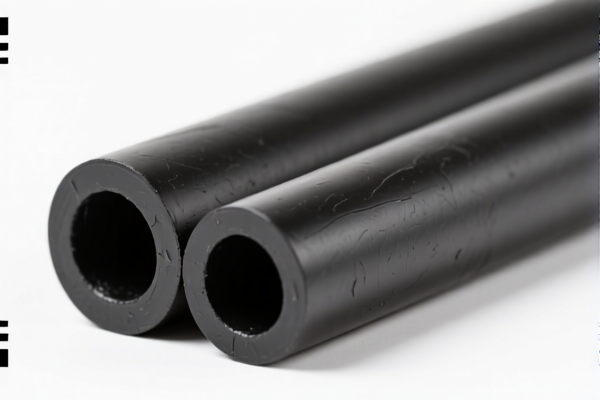
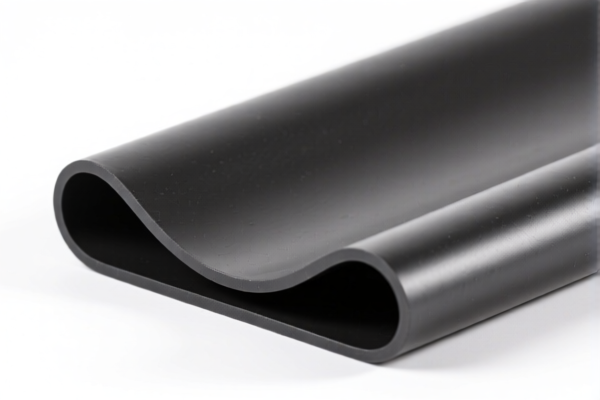
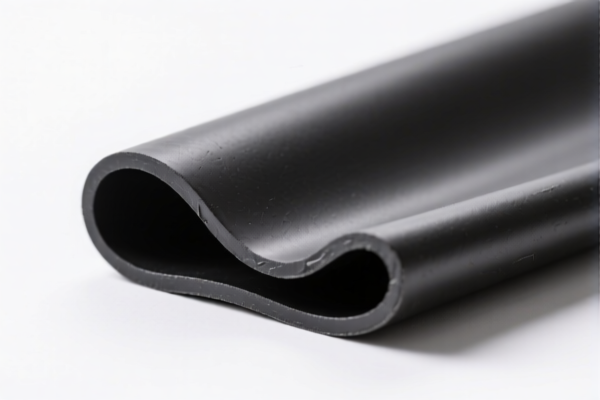
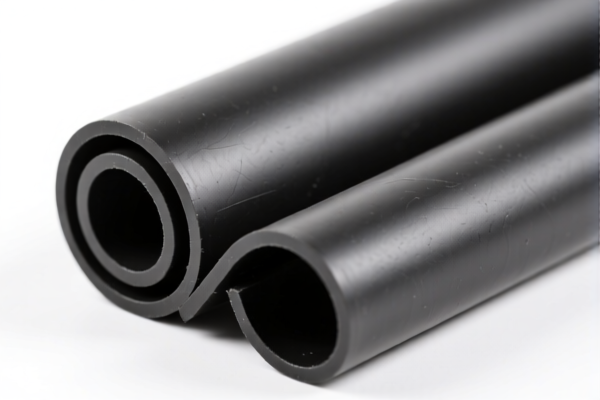
AI Analysis
🌿 Natural Rubber Modified Polymer (NRMP)
🌐 HS Code Reference & Customs Clearance Guide | 2026 Latest Tariff Analysis | Professional Clearance Strategy
📌 I. Product Definition: What is "Natural Rubber Modified Polymer"?
Natural Rubber Modified Polymer (NRMP) refers to materials where natural rubber has been chemically or physically altered to enhance specific properties such as tackiness, processability, tensile strength, or compatibility with other polymers. In international trade, these materials are classified based on their state (unvulcanized), composition (natural vs. synthetic blend), and whether they fall under specific "modified" categories defined by the Harmonized System (HS).
⚠️ Key Classification Logic:
- If the material is unvulcanized and fits specific chemical modifications → Chapter 4005.
- If it is a blend of natural and synthetic rubber or falls under generic synthetic categories → Chapter 4002.
- If it is standard natural rubber in primary form → Chapter 4001.
- Crucial Distinction: The presence of "modification" or specific synthetic blends pushes the HS code into subheadings requiring detailed tax scrutiny, especially under US trade policies.
📦 II. HS Code Classification Matrix (2026 Latest Tariff Authority)
Based on the provided data, NRMP falls into five specific HS codes depending on the exact formulation and regulatory interpretation. All listed below incur a Total Tax Rate of 35.0% due to US trade restrictions.
| HS Code | Summary / Description | Key Attribute | Tax Breakdown Details |
|---|---|---|---|
4005.10.00.00 |
Natural Rubber Modified Material, matching unvulcanized masticated rubber attributes | Unvulcanized, Masticated | 35.0% (0% Base + 25% Section 301 + 10% Section 122) |
4002.99.00.00 |
Modified Material Containing Rubber, fits Synthetic Rubber & Related Products attributes | Synthetic-dominant blend | 35.0% (0% Base + 25% Section 301 + 10% Section 122) |
4002.80.00.00 |
Natural & Synthetic Rubber Blend Modified Material, fits Primary Shape Definition | Primary Shape, Blend | 35.0% (0% Base + 25% Section 301 + 10% Section 122) |
4005.20.00.00 |
Natural Rubber Modified Material, matching unvulcanized masticated rubber attributes | Unvulcanized, Specific Mod | 35.0% (0% Base + 25% Section 301 + 10% Section 122) |
4001.29.00.00 |
Natural Rubber & Similar Rubber Modified Material, fits Primary Shape Classification | Primary Shape, Standard NR | 35.0% (0% Base + 25% Section 301 + 10% Section 122) |
🔍 Critical Note:
- All five HS codes share the same total tax rate of 35.0% for imports from China to the US.
- The difference lies in the regulatory narrative and technical justification required during customs inspection.
- "122 Clause Tariff (10%)" refers to specific Section 301 exclusions or additions under the USTR list targeting Chinese goods.
- "Base Tariff 0.0%" indicates that the standard MFN (Most Favored Nation) rate is duty-free, but trade wars have nullified this benefit for Chinese origin goods.
💰 III. 2026 Tariff Rate Details (Detailed Breakdown)
✅ Applicable Country: United States (US)
✅ Origin: China (CN)
✅ Effective Date: Current US Trade Policy (Section 301 & 122)
🎯 1. Universal Tax Structure for All Listed HS Codes
| Item | Content |
|---|---|
| Base Tariff | 0.0% (Ad Valorem) |
| Section 301 Additional Tariff | +25.0% |
| Section 122 / Trade Action Tariff | +10.0% |
| Total Effective Rate | 35.0% |
| Calculation Basis | CIF Value × 35% |
| De Minimis Exemption | ❌ NOT APPLICABLE |
| Legal Authority Path | USITC:4005.10/4002.99/4002.80/4005.20/4001.29 → USTR Section 301 → USTR Section 122 |
📌 Explanation:
- Base 0%: Natural rubber and certain rubber products are traditionally duty-free under MFN rates.
- +25% (Section 301): Imposed by the US Trade Representative (USTR) on Chinese goods to address trade imbalances and IP concerns.
- +10% (Section 122): An additional levy often applied to specific strategic materials or under emergency trade authorities.
- Total 35%: This is a high-cost barrier. Importers must factor this into landed cost calculations immediately.
🛠️ IV. Customs Clearance Practical Advice (Avoid Pitfalls)
✅ 1. Documentation Requirements (Non-Negotiable)
| Document | Required? | Purpose |
|---|---|---|
| Product Specification Sheet | ✔️ | Must clearly state "Unvulcanized," "Modified," and composition % (Natural vs. Synthetic). |
| Technical Data Sheet (TDS) | ✔️ | Proves whether the material fits 4005 (modified) vs. 4002 (synthetic blend) vs. 4001 (primary). |
| Composition Declaration | ✔️ | Critical for distinguishing between 4002.99 (synthetic-dominant) and 4001.29 (natural-dominant). |
| Bill of Lading / Commercial Invoice | ✔️ | Must match HS Code descriptions exactly. |
| Certificate of Origin | ✔️ | Confirms CN origin to trigger Section 301/122 tariffs. |
✅ 2. Classification Strategy (Key Mnemonics)
🔥 "Unvulcanized = 4005; Synthetic Blend = 4002; Pure Primary = 4001; All 35%!"
| Scenario | Recommended HS Code | Risk of Misclassification |
|---|---|---|
| Material is chemically treated to improve flow/tack, unvulcanized | 4005.10.00.00 or 4005.20.00.00 |
Low, if specs match "modified" definition. |
| Material is a blend of Natural + Synthetic Rubber | 4002.99.00.00 or 4002.80.00.00 |
High, if not clearly defined as a "blend." |
| Material is standard Natural Rubber with minor processing | 4001.29.00.00 |
Moderate, if "modification" is deemed insignificant. |
✅ 3. Special Considerations
| Situation | Advice |
|---|---|
| OEM Custom Blends | Provide full formulation. Customs may challenge 4005 if synthetic content > threshold for 4002. |
| Vulcanized Rubber | ❌ DO NOT USE THESE HS CODES. Vulcanized rubber falls under Chapter 4016 or 4017. Using 4005/4002 for vulcanized goods is smuggling/fraud. |
| Small Samples | ❌ No De Minimis. Even small shipments are subject to 35% tax if from China. |
| Pre-Clearance | Apply for CBP Advance Ruling if the formulation is unique. This prevents post-entry audits and back-taxes. |
🌍 V. Global Market Comparison (2026)
| Country/Region | Recommended HS Code | Tariff Rate | Notes |
|---|---|---|---|
| 🇺🇸 USA | 4005.10/4002.99/etc. |
35.0% | High due to Sec 301 & 122. |
| 🇨🇳 China | 4005.10/4002.99/etc. |
5-10% (Varies) | Import duty is lower; VAT applies. |
| 🇪🇺 EU | 4005.10/4002.99/etc. |
6.5% | Standard EU duty; no Trump-era tariffs. |
| 🇦🇺 Australia | 4005.10/4002.99/etc. |
5% | AChLFTA may apply if eligible. |
| 🇯🇵 Japan | 4005.10/4002.99/etc. |
4-6% | JTEPA may offer reductions. |
📌 Conclusion:
- USA is the most expensive market for Chinese-origin rubber materials.
- EU and Asia offer significantly lower duties. Consider supply chain diversification if targeting the US market.
📌 VI. Common Errors & Pitfalls (Blood & Tears Lessons)
❌ Error 1: Classifying Vulcanized Rubber Sheets as 4005.10
👉 Consequence: Immediate rejection, penalties, and potential fraud charges. Vulcanized rubber belongs in 4016.93.
❌ Error 2: Ignoring Section 122 in tariff calculation
👉 Consequence: Underpaying 10% leads to post-audit demands, interest, and fines.
❌ Error 3: Using "Natural Rubber" generic name for Synthetic Blends
👉 Consequence: Customs may reclassify to 4002.99, triggering different regulatory checks or disputes.
✅ Correct Practice:
"Unvulcanized Natural Rubber Modified Compound, Synthetic Blend, Unprocessed Shape, Model XYZ, TDS Attached"
🎯 VII. Conclusion: Precision is Profit
🎯 Remember the Mantra:
🔹 "Unvulcanized Check, 4005 vs 4002, 35% Total, No De Minimis!"
🔹 "HS Code Determines Cost, 35% is the Barrier, Documentation is Key!"
📌 Pro Tip:
If your rubber material is originating from Vietnam, Malaysia, or Thailand, you MAY avoid the 35% tariff. Verify Rules of Origin carefully.
Recommendation: Request a CBP Advance Ruling for complex modified polymers to ensure compliance and avoid seizure.
📣 Immediate Action:
📞 Engage a Licensed Customs Broker + Provide TDS + Apply for Pre-Ruling
🚀 Ensure your Natural Rubber Modified Polymer clears US customs without costly delays!
✨ Professional Clearance Starts with Accurate Classification!
💼 Every Percent of Tariff is a Margin of Profit Lost!
Customer Reviews
About HS Code Classification
The Harmonized System (HS) is an internationally standardized nomenclature developed by the World Customs Organization (WCO) to classify traded products. Over 200 countries use the HS system as the basis for customs tariffs, trade statistics, and import/export regulations.
Each HS code follows a hierarchical structure:
- Chapter (2 digits) — Broad category of goods (e.g., Chapter 84: Machinery and Mechanical Appliances)
- Heading (4 digits) — More specific grouping within the chapter
- Subheading (6 digits) — Internationally standardized breakdown, used by all WCO member countries
- National subdivisions (8-10 digits) — Country-specific extensions for further classification, such as US HTSUS 10-digit codes
Correct HS code classification is essential for smooth customs clearance, accurate duty payment, and compliance with trade regulations. Misclassification can lead to customs delays, overpayment of duties, or penalties.
When importing from CN to US, the applicable tariff rates may include:
- Most-Favored-Nation (MFN) rate — The standard duty rate applied to WTO members
- General rate — Applied to countries without trade agreements
- Trade remedy duties — Additional tariffs such as Section 301 (anti-dumping), Section 232 (national security), or countervailing duties
The information provided on this page is for reference purposes only. For official classification, please consult with your local customs authority or a licensed customs broker.