Natural Rubber Modified Rubber Powder
CN → US| HS Code | Tariff Rate | Origin | Destination | Doc |
|---|---|---|---|---|
| 4005200000 | 35.0% | CN | US | Official Doc |
| 4001290000 | 35.0% | CN | US | Official Doc |
| 4001220050 | 35.0% | CN | US | Official Doc |
| 4005100000 | 35.0% | CN | US | Official Doc |
| 4002990000 | 35.0% | CN | US | Official Doc |
Product Images
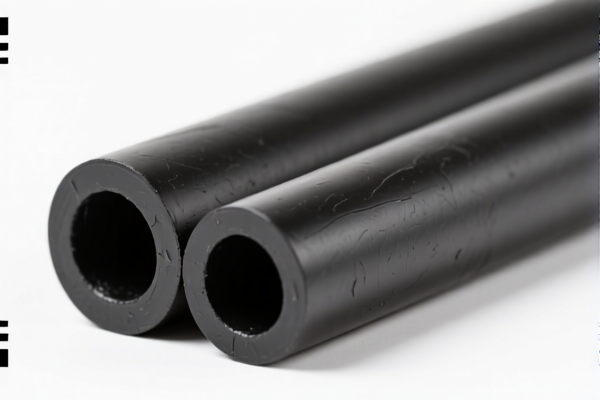
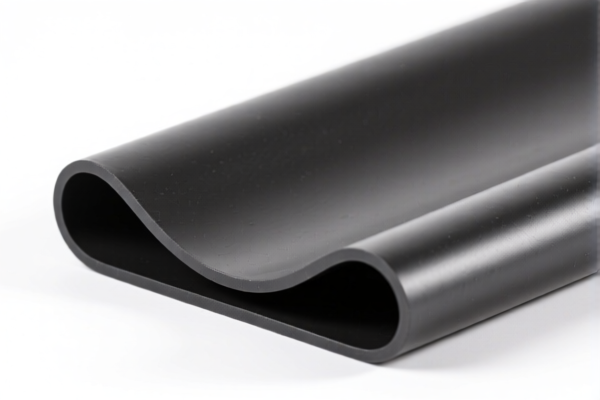
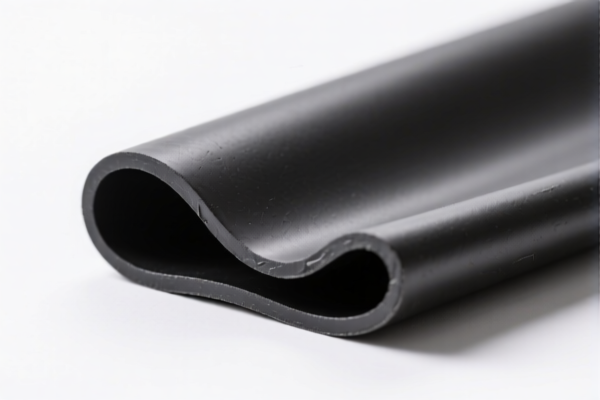
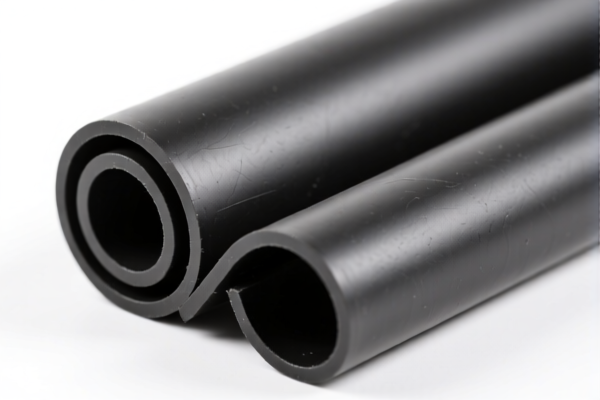
AI Analysis
🌿 Rubber Masterbatches & Modified Rubber Powder (Natural Rubber Based)
🌐 HS Code Reference & Customs Clearance Guide | 2026 Latest Tariff Analysis | Professional Strategy for US Imports
📌 I. Product Definition & Classification: What Exactly Is "Natural Rubber Modified Rubber Powder"?
In international trade, "Natural Rubber Modified Rubber Powder" typically refers to milled rubber, crumb rubber, or rubber masterbatches where natural rubber is the primary component, often blended with processing oils, fillers (like carbon black), or other modifiers to improve processability or specific mechanical properties.
In the context of the provided data, the classification points to Chapter 40 (Rubber and Articles Thereof), specifically focusing on Natural Rubber in primary forms or Unvulcanized Rubber Compounds.
⚠️ Key Distinction: - Natural Rubber Primary Forms: Latex, sheets, crumb, technical specification rubbers (TSRs). - Unvulcanized Rubber Compounds: Mixtures of rubber (natural or synthetic) with other substances (plasticizers, stabilizers, fillers) but not yet vulcanized. - Synthetic vs. Natural: The data provided heavily favors Natural Rubber origins or natural-rubber-dominated compounds.
📦 II. HS Code Classification Details (Based on Provided Data)
The data suggests four potential classifications, all sharing the same tax structure. Here is the breakdown:
| HS Code | Summary / Product Description | Applicability Scenario |
|---|---|---|
| 4005.20.00.00 | Unvulcanized rubber compounds with natural rubber as the basic constituent | Best fit for "Modified Rubber Powder" if it is a pre-mixed compound (masterbatch) where natural rubber is the main ingredient. |
| 4001.29.00.00 | Other natural rubber, primary or in primary forms | Fits if the "powder" is essentially processed natural rubber (e.g., milled rubber, granules) without significant vulcanization or complex chemical modification. |
| 4001.22.00.50 | Other natural rubber, primary or in primary forms | Similar to above, applies to various forms of natural rubber (e.g., crumb rubber, micropowder) not specifically listed elsewhere. |
| 4005.10.00.00 | Unvulcanized rubber compounds with natural rubber as the basic constituent | Another variant for unvulcanized natural rubber compounds. |
| 4002.99.00.00 | Synthetic rubber and rubber substitutes, primary or in primary forms | Note: Included in data, but likely less accurate if the product is explicitly "Natural Rubber" modified. May apply if the product is primarily synthetic with natural rubber additives. |
🔍 Critical Analysis: - The term "Modified" often implies compounding (mixing with other chemicals). This pushes the classification toward Heading 4005 (Unvulcanized Compounds). - If the "powder" is just mechanically ground natural rubber without chemical compounding, it falls under Heading 4001 (Natural Rubber). - 4005.20.00.00 and 4005.10.00.00 are the most probable candidates for "Modified" natural rubber products, as they cover compounds.
💰 III. 2026 Latest Tariff Rate Breakdown (With Additional Duties)
✅ Applicable Country: United States (US) ✅ Country of Origin: China (CN) (Implied by "122 Clause" and typical 25%+10% structure) ✅ Effective Date: Current (Based on 2026 context provided)
All listed HS Codes share the identical tax structure in the provided data.
🎯 Tax Structure for All Listed HS Codes
| Item | Content |
|---|---|
| Base Tariff Rate | 0.0% (Ad Valorem) |
| Section 301 Tariff (USITC) | +25.0% |
| IEEPA Section 122 Tariff | +10.0% |
| Total Tax Rate | 35.0% |
| Calculation Basis | CIF Value × 35% |
| De Minimis Exemption | ❌ Not Eligible (Deny De Minimis for these codes under current restrictions) |
📌 Explanation: - Base Tariff (0%): Natural rubber and unvulcanized compounds generally have low or zero base MFN tariffs. - Section 301 Tariff (+25%): The Trump/Biden administration maintains high tariffs on many Chinese rubber products under Section 301. - IEEPA 122 Clause (+10%): Refers to additional duties imposed under the International Emergency Economic Powers Act, often targeting specific strategic materials or responding to geopolitical measures. - Total Impact: A 35% effective duty rate is significant. It eats directly into margins.
🛠️ IV. Customs Clearance Practical Advice (Pitfall Avoidance)
✅ 1. Documentation Checklist (Non-Negotiable)
| Document | Mandatory? | Notes |
|---|---|---|
| Commercial Invoice | ✔️ | Must clearly state "Natural Rubber Modified Powder" or "Unvulcanized Rubber Compound." Avoid vague terms like "Rubber Mix." |
| Packing List | ✔️ | Detail net/gross weight. |
| Certificate of Origin | ✔️ | Crucial to prove CN origin for 301/IEEPA applicability. If shipped from Vietnam/Malaysia, verify rules of origin to avoid transshipment penalties. |
| Material Safety Data Sheet (MSDS) | ✔️ | Rubber powders may contain processing oils. Provide MSDS for safety assessment. |
| Product Specification Sheet | ✔️ | Critical: Must specify if the rubber is vulcanized or unvulcanized. Unvulcanized = Chapter 40. Vulcanized = Chapter 40 (different heading) or Chapter 40/39 depending on form. The data assumes unvulcanized. |
| Bill of Lading | ✔️ | Standard shipping document. |
✅ 2. Classification Strategy & Wording
🔥 Key Rule: "Unvulcanized is Key. If it's mixed, it's 4005. If it's pure, it's 4001."
| Scenario | Recommended HS Code | Risk Level |
|---|---|---|
| Rubber Powder + Carbon Black + Oil (Pre-mixed) | 4005.20.00.00 or 4005.10.00.00 |
✅ Recommended - Fits "Modified/Compound" definition. |
| Milled/Crumb Natural Rubber (No additives) | 4001.29.00.00 or 4001.22.00.50 |
✅ Safe - If no chemical compounding. |
| Vulcanized Rubber Powder/Granules | Not in provided list | ⚠️ High Risk - If vulcanized, it may fall under 4004 (Waste/Scrap) or 4016 (Other articles). The provided data does not cover vulcanized goods. Ensure product is unvulcanized. |
| Synthetic Rubber Dominant | 4002.99.00.00 |
✅ Acceptable - Only if synthetic content >50% or per specific rule of change. |
✅ 3. Special Considerations for US Customs
-
Anti-Dumping/Countervailing Duties (AD/CVD):
- Check if Natural Rubber or Rubber Compounds from China are subject to separate AD/CVD orders. While the base rate is 0%, additional duties might apply. Note: The provided data does not list AD/CVD, but always verify.
-
Transshipment Risk:
- If the rubber is processed in Thailand or Vietnam but the natural rubber originates from China, US Customs may still apply Section 301 + IEEPA duties if substantial transformation does not occur. Be prepared to prove origin.
-
De Minimis Loophole Closure:
- Do NOT attempt to use de minimis (Section 321) for shipments valued over $800 if the HS codes are flagged. The data explicitly notes "deny_de_minimis" for these types of goods under current enforcement.
🌍 V. Global Market Comparison (2026)
| Market | Recommended HS Code | Est. Total Tariff (CN Origin) | Notes |
|---|---|---|---|
| 🇺🇸 USA | 4005.20.00.00 / 4001.29.00.00 |
35.0% | High due to 301 + IEEPA. |
| 🇨🇳 China | 4005.20.00.00 |
5-10% | Lower import duty, but check export taxes on raw rubber. |
| 🇪🇺 EU | 4005.20.00.00 |
6.5% | No 301/IEEPA equivalents. Standard MFN applies. |
| 🇦🇺 Australia | 4005.20.00.00 |
5.0% | AUKUS/FTA benefits may apply depending on specific rules. |
📌 Conclusion: The US is the most expensive market for this product due to the 35% blended tariff. Importers must factor this into pricing or seek duty-eligible origins (e.g., rubber processed in countries with US FTA, though natural rubber rules are strict).
📌 VI. Common Errors & Pitfalls
❌ Error 1: Classifying vulcanized rubber powder under 4005.
👉 Consequence: Misclassification. Vulcanized rubber is usually 4004 (waste/scrap) or 4016 (articles). Penalties apply.
❌ Error 2: Ignoring the "Modified" aspect.
👉 Consequence: If you declare it as pure natural rubber (4001) but it contains significant compounding agents, customs may reclassify to 4005 and assess higher scrutiny or additional duties if any existed.
❌ Error 3: Under-declaring value to avoid tariffs. 👉 Consequence: Fraud. US CBP has advanced data analytics for rubber commodities. 35% duty is high, but evasion risks are higher.
✅ Correct Approach:
"Unvulcanized Natural Rubber Compound (Masterbatch), Granular/Powder Form, HS 4005.20.00.00, Origin: China."
🎯 VII. Conclusion: Smart Sourcing for Rubber
🎯 Remember:
🔹 "Unvulcanized is the gatekeeper." 🔹 "Modified means Compound (4005)." 🔹 "35% is the US price tag for CN Rubber."
📌 Actionable Advice: 1. Verify Vulcanization Status: Ensure your product is truly unvulcanized to fit the provided HS codes. 2. Calculate Landed Cost: Include the 35% duty in your FOB/EXW pricing. 3. Consider Alternative Origins: If margins are tight, explore rubber sourced from or significantly processed in non-China countries (e.g., Vietnam, Thailand) to potentially avoid IEEPA/301, subject to strict rules of origin. 4. Pre-Arbitration Ruling: Consider filing an Advance Ruling Request with US CBP to get a binding classification decision before shipment.
✨ Professional Customs Clearance Starts with Precise Classification! 💼 Your Profit Margin Depends on Accurate Tariff Calculation!
Customer Reviews
About HS Code Classification
The Harmonized System (HS) is an internationally standardized nomenclature developed by the World Customs Organization (WCO) to classify traded products. Over 200 countries use the HS system as the basis for customs tariffs, trade statistics, and import/export regulations.
Each HS code follows a hierarchical structure:
- Chapter (2 digits) — Broad category of goods (e.g., Chapter 84: Machinery and Mechanical Appliances)
- Heading (4 digits) — More specific grouping within the chapter
- Subheading (6 digits) — Internationally standardized breakdown, used by all WCO member countries
- National subdivisions (8-10 digits) — Country-specific extensions for further classification, such as US HTSUS 10-digit codes
Correct HS code classification is essential for smooth customs clearance, accurate duty payment, and compliance with trade regulations. Misclassification can lead to customs delays, overpayment of duties, or penalties.
When importing from CN to US, the applicable tariff rates may include:
- Most-Favored-Nation (MFN) rate — The standard duty rate applied to WTO members
- General rate — Applied to countries without trade agreements
- Trade remedy duties — Additional tariffs such as Section 301 (anti-dumping), Section 232 (national security), or countervailing duties
The information provided on this page is for reference purposes only. For official classification, please consult with your local customs authority or a licensed customs broker.