Natural Rubber for Cables
CN → US| HS Code | Tariff Rate | Origin | Destination | Doc |
|---|---|---|---|---|
| 4017000000 | 37.7% | CN | US | Official Doc |
| 4016993550 | 35.0% | CN | US | Official Doc |
| 4016993000 | 35.0% | CN | US | Official Doc |
| 8547900010 | 89.6% | CN | US | Official Doc |
Product Images
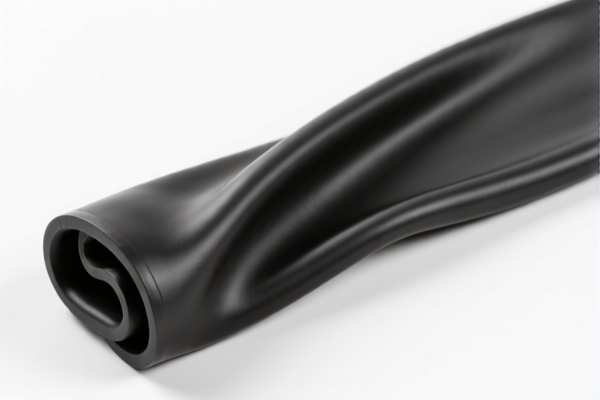
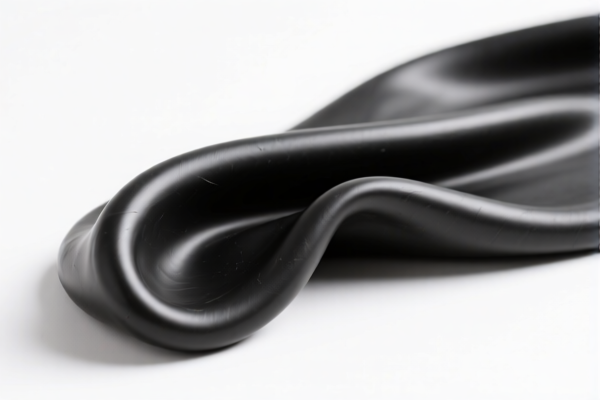
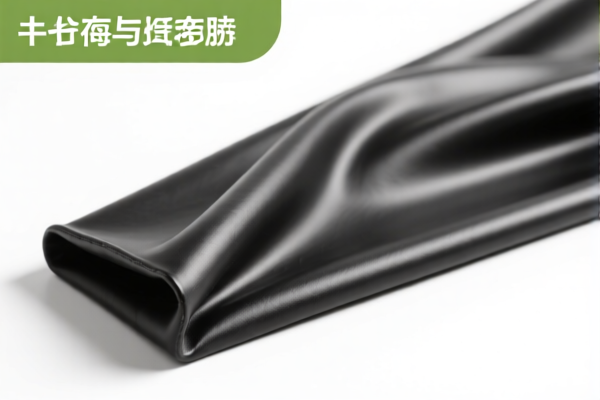
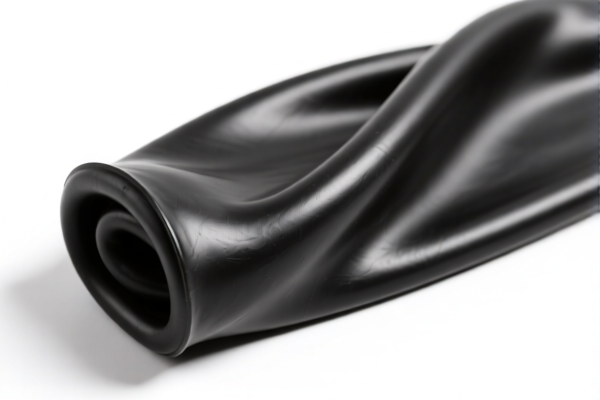
AI Analysis
🛡️ Natural Rubber for Cables (Cable Accessories)
🌐 HS Code Reference & Customs Clearance Guide | 2026 Latest Tariff Analysis | Professional Clearance Strategy
📌 I. Product Definition & Classification: What Exactly is "Natural Rubber for Cables"?
"Natural Rubber for Cables" typically refers to cable accessories such as insulation sleeves, sealing compounds, protective boots, or grommets made from natural rubber. In international trade, these items are often classified based on their material composition (hard vs. soft rubber) and their specific function (insulation vs. general accessory).
⚠️ Key Distinction:
- If the product is a hard, rigid rubber fitting or component (e.g., hard rubber bushings, insulation caps), it falls under Chapter 40 (Hard Rubber).
- If the product is a flexible rubber accessory (e.g., seals, sleeves, general protective parts) not specifically designed for other chapters, it may fall under Chapter 40 (Other Rubber Articles) or Chapter 85 (Electrical Apparatus) as accessories.
- Critical Note: Misclassification can lead to massive tariff differences (from 35% to nearly 90%).
📦 II. HS Code Classification Details (2026 Latest Tariff Authority Comparison)
| HS Code | Product Description | Application Scenario | Classification Logic |
|--------|--------------------------|--------------------------|
| 4017.00.00.00 | Hard Rubber and Articles Thereof | Rigid cable fittings, hard insulation caps, bushings made of natural rubber. | Matches Natural Rubber Material + Cable Accessory Purpose → Classified as Hard Rubber Products. |
| 4016.99.35.50 | Other Articles of Rubber (Fallback) | Flexible rubber seals, boots, or accessories where no specific subheading applies. | Matches Natural Rubber Material + Cable Accessory Purpose → Falls under the Residual/Catch-all Category. |
| 4016.99.30.00 | Other Articles of Rubber | General rubber accessories for cables, not specifically insulated conductors. | Matches Natural Rubber Material + Cable Accessory Purpose → Classified as Other Rubber Articles. |
| 8547.90.00.10 | Insulating Fittings for Conductors | Cable insulators, sleeves, or fittings specifically for electrical insulation. | Matches Cable Accessory Purpose + Insulating Accessory Attribute + Natural Rubber Material. |
🔍 Important Reminder:
- HS Code 4017 is for HARD RUBBER (e.g., vulcanized fiber or hard rubber). If your cable part is rigid, use this.
- HS Code 4016 is for SOFTE/FLEXIBLE RUBBER (e.g., seals, gaskets, boots).
- HS Code 8547 is for INSULATING FITTINGS. If the primary function is electrical insulation, this is the most specific electrical code, but it carries the highest tariff.
💰 III. 2026 Latest Tariff Rate Breakdown (Including Surtaxes, Policy Add-ons)
✅ Applicable Country: United States (US)
✅ Origin: China (CN)
✅ Effective Date: November 10, 2025 onwards (Including subsequent imports)
🎯 1. 4017.00.00.00 —— Hard Rubber and Articles Thereof
| Item | Content |
|---|---|
| Base Tariff | 2.7% (ad valorem) |
| USITC Surtax (Section 301) | +25.0% |
| IEEPA Surtax | +10.0% (122 Clause Tariff for China) |
| Total Tax Rate | 37.7% |
| Tax Calculation | CIF Value × 37.7% |
| De Minimis Exemption Available? | ❌ No (deny_de_minimis) |
| Legal Basis Path | USITC:4017.00.00.00 → FOOTNOTE:301 → IEEPA:9903.01.24 |
📌 Explanation:
- This code applies if the rubber component is rigid/hard.
- The total rate is 37.7%, which is moderate compared to electrical accessories but still significant.
🎯 2. 4016.99.35.50 & 4016.99.30.00 —— Other Articles of Rubber (Soft/Flexible)
| Item | Content |
|---|---|
| Base Tariff | 0.0% (ad valorem) |
| USITC Surtax (Section 301) | +25.0% |
| IEEPA Surtax | +10.0% (122 Clause Tariff for China) |
| Total Tax Rate | 35.0% |
| Tax Calculation | CIF Value × 35.0% |
| De Minimis Exemption Available? | ❌ No (deny_de_minimis) |
| Legal Basis Path | USITC:4016.99.35.50 / 4016.99.30.00 → FOOTNOTE:301 → IEEPA:9903.01.24 |
📌 Note:
- Both codes share the same tariff structure because the base rate is 0%.
- If your product is flexible (like a rubber boot or seal), this is likely the correct classification.
- Total Rate: 35.0%. This is the most cost-effective option among the four codes provided.
🎯 3. 8547.90.00.10 —— Insulating Fittings for Conductors
| Item | Content |
|---|---|
| Base Tariff | 4.6% (ad valorem) |
| USITC Surtax (Section 301) | +25.0% |
| IEEPA Surtax | +10.0% (122 Clause Tariff for China) |
| Steel, Aluminum, Copper Products Surtax | +50.0% (If applicable) |
| Total Tax Rate | 89.6% (Standard) / 139.6% (If Metal Parts Included) |
| Tax Calculation | CIF Value × 89.6% |
| De Minimis Exemption Available? | ❌ No (deny_de_minimis) |
| Legal Basis Path | USITC:8547.90.00.10 → FOOTNOTE:301 → IEEPA:9903.01.24 |
📌 Critical Warning:
- This code is for insulating fittings. If your natural rubber part is strictly an insulator, it falls here.
- Total Rate: 89.6% – This is extremely high.
- Reason: Electrical accessories often face higher scrutiny and higher base tariffs.
- Exception: If the fitting contains steel, aluminum, or copper components, an additional +50% may apply, pushing the total to nearly 140%.
🛠️ IV. Customs Clearance Practical Advice (Battle-Tested Pitfall Avoidance Guide)
✅ 1. Documentation Checklist (Non-Negotiable)
| Document | Required? | Description |
|---|---|---|
| ✅ Product Specification Sheet | ✔️ | Must clearly state: Material (100% Natural Rubber), Hardness (Shore A/D), Function (Insulation/Sealing). |
| ✅ Photos (Clear & Labeled) | ✔️ | Show the product alone and installed. Highlight if it's rigid or flexible. |
| ✅ Commercial Invoice | ✔️ | Use precise descriptions: "Natural Rubber Insulating Boot for Cable, No Electrical Components" or "Hard Rubber Bushing for Cable Gland". Avoid vague terms like "Part". |
| ✅ Certificate of Origin (CO) | ✔️ | Proof of Chinese origin triggers Surtaxes. |
| ✅ Material Declaration | ✔️ | Confirm Natural Rubber content to avoid misclassification into synthetic rubber codes (which may have different base rates). |
✅ 2. Declaration Strategy (Key Mantra)
🔥 “Know your texture: Hard = 4017, Soft = 4016, Insulator = 8547 (Expensive)!”
| Scenario | Correct HS Code | Common Mistake | Consequence |
|---|---|---|---|
| Rigid Rubber Part (e.g., hard bushing) | 4017.00.00.00 |
Declared as 4016 (Soft Rubber) |
Under-declaration → Penalties + Back Taxes. |
| Flexible Rubber Boot/Seal | 4016.99.35.50 or 30.00 |
Declared as 8547 (Insulator) |
Over-declaration → Pay 89.6% instead of 35.0%. Huge loss! |
| Pure Insulating Fitting | 8547.90.00.10 |
Declared as 4016 |
Misclassification → Customs may reclassify it, leading to disputes and delays. |
| Product with Metal Insert | 8547 + +50% Surtax |
Ignored metal content | Additional +50% tariff on the entire value if metal is deemed integral. |
✅ 3. Special Case Handling
| Situation | Handling Advice |
|---|---|
| Is it an "Insulator" or "Accessory"? | If the primary function is mechanical protection (e.g., a boot), use 4016. If the primary function is electrical insulation, use 8547. When in doubt, 4016 is cheaper and safer if the insulating property is secondary. |
| Composite Products | If the rubber part has a metal core or is part of a larger assembly, declare the whole assembly or the principal component. Avoid splitting unless necessary. |
| Pre-Ruling Application | For high-volume shipments, apply for an Advance Ruling from US Customs. This locks in the HS code and prevents future disputes. |
🌍 V. Global Market Comparison (2026 Latest)
| Country/Region | Recommended HS Code | Tariff (China Origin) | Certification | Notes |
|---|---|---|---|---|
| 🇺🇸 USA | 4016.99.35.50 |
35.0% (Best Option) | N/A | Avoid 8547 unless strictly required (89.6%). |
| 🇨🇳 China | 4016.99.35.50 |
5.0% - 8.0% | CCC (if electrical) | No Section 301 tariffs in China. |
| 🇪🇺 EU | 4016.99.99 |
0% (If GSP/EBA) | REACH, RoHS | No Section 301. Low base tariff. |
| 🇨🇦 Canada | 4016.99.99 |
0% (CUSMA) | N/A | Free trade under CUSMA if Canadian origin. |
📌 Conclusion:
- The US is the only major market with punitive surtaxes (35% - 89.6%).
- Choosing the right HS Code is critical:4016(35%) is significantly cheaper than8547(89.6%).
- Strategy: If your natural rubber part is primarily a seal, boot, or protective sleeve, classify under 4016 to save ~55% in tariffs. Only use 8547 if it is a dedicated electrical insulator with no other mechanical function.
📌 VI. Common Errors & Pitfall Guide (Blood-Tears Lessons)
❌ Error 1: Calling a flexible rubber boot an "Insulating Fitting"
👉 Result: Tariff jumps from 35% to 89.6%. You overpay by over 50% for no reason.
👉 Fix: Describe it as "Cable Protection Boot" or "Rubber Seal" → HS 4016.
❌ Error 2: Calling a hard rubber bushing an "Other Rubber Article"
👉 Result: Customs may reject it for misdescription or apply penalties for misclassification.
👉 Fix: Use "Hard Rubber" in description → HS 4017.
❌ Error 3: Ignoring the Metal Component in 8547
👉 Result: If the insulator has a metal pin, the +50% surtax applies.
👉 Fix: Check if the metal part is integral. If yes, budget for the higher rate or redesign to separate materials if possible.
🎯 VII. Conclusion: Precision Classification Saves Money!
🎯 Remember the Mantra:
🔹 "Soft Rubber? Use 4016 (35%). Hard Rubber? Use 4017 (37.7%). Insulator? 8547 (89.6%) – Avoid if possible!"
🔹 "Don't call a boot an insulator unless it is one. Save 55% tax every time!"
🔹 "HS Code determines cost. Classification determines profit."
📌 Pro Tip:
If your natural rubber cable accessories are exclusively for mechanical protection (not electrical insulation), strongly consider HS Code 4016.99.35.50. It offers the lowest total duty (35%) and avoids the heavy scrutiny of Chapter 85.
📣 Immediate Action:
📞 Consult a Customs Broker with product photos.
🚀 Apply for an Advance Ruling if shipping large volumes to the US.
💰 Optimize your BOM to minimize metal content if using8547.
✨ Professional Clearance Starts with Accurate Classification!
💼 Every percentage point saved is pure profit!
Customer Reviews
About HS Code Classification
The Harmonized System (HS) is an internationally standardized nomenclature developed by the World Customs Organization (WCO) to classify traded products. Over 200 countries use the HS system as the basis for customs tariffs, trade statistics, and import/export regulations.
Each HS code follows a hierarchical structure:
- Chapter (2 digits) — Broad category of goods (e.g., Chapter 84: Machinery and Mechanical Appliances)
- Heading (4 digits) — More specific grouping within the chapter
- Subheading (6 digits) — Internationally standardized breakdown, used by all WCO member countries
- National subdivisions (8-10 digits) — Country-specific extensions for further classification, such as US HTSUS 10-digit codes
Correct HS code classification is essential for smooth customs clearance, accurate duty payment, and compliance with trade regulations. Misclassification can lead to customs delays, overpayment of duties, or penalties.
When importing from CN to US, the applicable tariff rates may include:
- Most-Favored-Nation (MFN) rate — The standard duty rate applied to WTO members
- General rate — Applied to countries without trade agreements
- Trade remedy duties — Additional tariffs such as Section 301 (anti-dumping), Section 232 (national security), or countervailing duties
The information provided on this page is for reference purposes only. For official classification, please consult with your local customs authority or a licensed customs broker.