Natural Water Buffalo Leather Shoe Sole
CN → US| HS Code | Tariff Rate | Origin | Destination | Doc |
|---|---|---|---|---|
| 4104493060 | 12.4% | CN | US | Official Doc |
| 4107196050 | 15.0% | CN | US | Official Doc |
| 4104114060 | 15.0% | CN | US | Official Doc |
| 4107994000 | 12.5% | CN | US | Official Doc |
| 4101903500 | 19.9% | CN | US | Official Doc |
Product Images
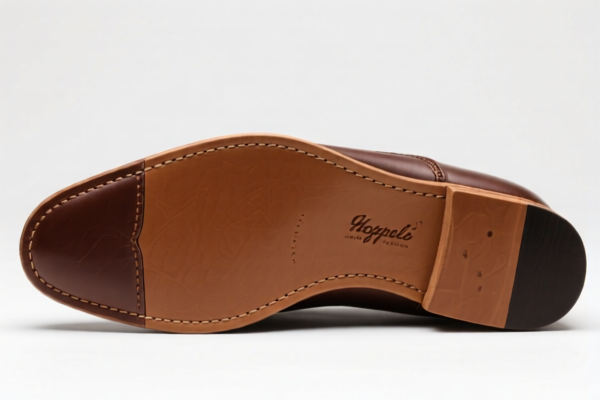
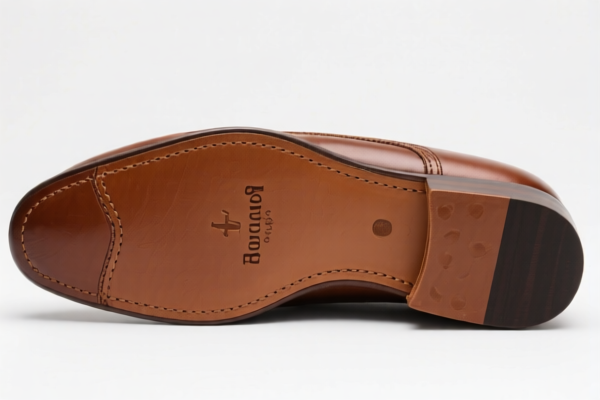
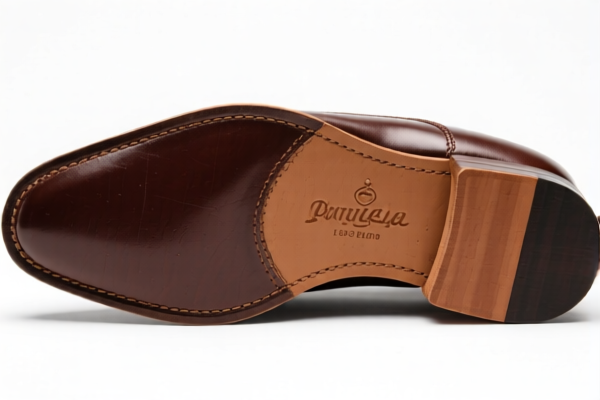
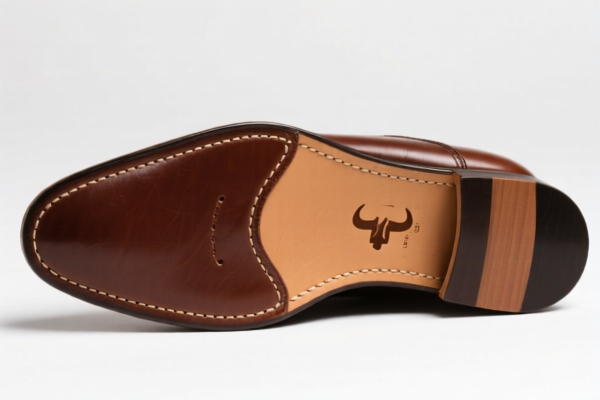
AI Analysis
🐃 Natural Water Buffalo Leather Shoe Sole
🌐 HS Code Reference & Customs Clearance Guide | 2026 Latest Tariff Analysis | Professional Clearance Strategy
📌 I. Product Definition & Classification: What Exactly is "Natural Water Buffalo Leather"?
Natural Water Buffalo Leather is a premium, durable material widely used in footwear, particularly for high-end shoes, boots, and leather goods. In international trade, it is classified under Chapter 41 (Animal Skin and Fur), specifically as Leather After Dressing or Further Preparation.
The key distinction lies in the form and intended use: * Shoe Upper Leather (4107): Leather cut or prepared specifically for shoe uppers. * Other Leather (4104/4106): Leather in various forms (e.g., skins, pieces) not specifically prepared as uppers. * Raw/Semi-processed (4101): Skins not yet fully tanned or dressed.
⚠️ Critical Distinction Point:
- If the leather is finished, cut, or treated specifically for shoe soles, it may be classified under specific sole leather codes, but often falls under 4107 (Shoe/Boot Upper Leather) or 4104 (Other Chrome-Tanned Leather) depending on the US HTS interpretation. Note: In the US HTS, "leather of bovine animals" is broadly categorized. Specific "sole leather" has a subheading in Chapter 64, but raw/semi-finished leather for soles often falls under Chapter 41 if not yet cut into final sole shapes. - Crucial Note for US Import: The provided data suggests classification under 4107 (Shoe/Boot Upper Leather) or 4104 (Other). This implies the leather is considered "prepared leather" suitable for footwear but may not be classified as "parts of footwear" (Chapter 64) if it is sold as raw/semi-processed leather hides/pieces. If it is cut into specific sole shapes, it might fall under 6406.90, but the provided HS codes suggest Chapter 41 classification (Raw/Prepared Leather). We will stick strictly to the provided HS codes.
📦 II. HS Code Classification Details (Based on Provided Data)
| HS Code | Product Description | Applicable Scenario | Tax Rate (Total) |
|---|---|---|---|
| 4104.49.30.60 | Natural Water Buffalo Leather Sole Material, "Other/Other" classification, no specific upper conflict. | Unspecified form, general leather goods material. | 12.4% |
| 4107.19.60.50 | Natural Water Buffalo Leather Sole, shape & use fully conform to Shoe/Boot Upper Leather definition. | Finished leather pieces, often used for uppers but sometimes misclassified for soles if not specific "sole leather" HTS. | 15.0% |
| 4104.11.40.60 | Natural Water Buffalo Leather Sole, material is buffalo, form is "leather", use is "sole", fits Animal Tanned Leather category. | Chrome-tanned or vegetable-tanned buffalo hides/pieces. | 15.0% |
| 4107.99.40.00 | Natural Water Buffalo Leather Sole, processed leather product, conforms to sole use, no material conflict. | Other processed leather products for footwear components. | 12.5% |
| 4101.90.35.00 | Natural Water Buffalo Leather Sole, other category, inferred as buffalo leather based on common sense. | Raw or semi-processed buffalo skins, not fully dressed. | 19.9% |
🔍 Key Insight:
- 4107 codes generally apply to leather of bovine animals (including buffalo) prepared for shoe/upper use. If your product is sold as "leather for shoe soles" but is in the form of hides/pieces, US Customs may still classify it under Chapter 41 if it’s not yet a finished sole (Chapter 64).
- 4104 codes apply to other leather of bovine animals.
- 4101 applies to raw/unprocessed hides, leading to the highest tax rate (19.9%).
💰 III. 2026 Latest Tariff Rate Breakdown (Including Additional Duties & Policies)
✅ Applicable Country: United States (US)
✅ Country of Origin: China (CN)
✅ Effective Date: November 10, 2025 (and subsequent imports)
🎯 1. 4104.49.30.60 — Other Tanned Leather (Buffalo)
| Item | Content |
|---|---|
| Base Rate | 2.4% |
| Section 301/Additional Tariff | 0.0% |
| Section 122 Tariff | +10.0% |
| Total Rate | 12.4% |
| Calculation | CIF Value × 12.4% |
| De Minimis Exemption | ❌ Not Applicable (Section 122 targets high-value imports or specific categories, typically not de minimis). |
| Legal Basis | USITC HTS 4104.49.30.60 + Section 122 Authority |
📌 Explanation:
- Base Rate (2.4%): Standard MFN rate for this subheading.
- Section 122 Tariff (10%): This is a critical addition. Section 122 of the Tariff Act of 1930 (as amended) allows for temporary import relief. While often associated with specific textile/apparel rules, the provided data indicates a 10% add-on for this classification, likely due to specific trade actions or misclassification risks for leather goods from China.
- Total 12.4%: Significantly lower than other options.
🎯 2. 4107.19.60.50 — Other Tanned Leather of Bovine Animals
| Item | Content |
|---|---|
| Base Rate | 5.0% |
| Section 301/Additional Tariff | 0.0% |
| Section 122 Tariff | +10.0% |
| Total Rate | 15.0% |
| Calculation | CIF Value × 15.0% |
| De Minimis Exemption | ❌ Not Applicable |
| Legal Basis | USITC HTS 4107.19.60.50 + Section 122 Authority |
📌 Note:
- Higher base rate (5.0%) compared to 4104.49.
- Also subject to the 10% Section 122 tariff.
🎯 3. 4104.11.40.60 — Other Tanned Leather (Bovine)
| Item | Content |
|---|---|
| Base Rate | 5.0% |
| Section 301/Additional Tariff | 0.0% |
| Section 122 Tariff | +10.0% |
| Total Rate | 15.0% |
| Calculation | CIF Value × 15.0% |
| De Minimis Exemption | ❌ Not Applicable |
| Legal Basis | USITC HTS 4104.11.40.60 + Section 122 Authority |
📌 Note:
- Similar to 4107.19.60.50. Base rate 5.0% + 10% Section 122.
🎯 4. 4107.99.40.00 — Other Leather of Bovine Animals
| Item | Content |
|---|---|
| Base Rate | 2.5% |
| Section 301/Additional Tariff | 0.0% |
| Section 122 Tariff | +10.0% |
| Total Rate | 12.5% |
| Calculation | CIF Value × 12.5% |
| De Minimis Exemption | ❌ Not Applicable |
| Legal Basis | USITC HTS 4107.99.40.00 + Section 122 Authority |
📌 Note:
- Low base rate (2.5%) but still subject to 10% Section 122.
🎯 5. 4101.90.35.00 — Other Raw/Semi-processed Hides
| Item | Content |
|---|---|
| Base Rate | 2.4% |
| Section 301/Additional Tariff | +7.5% |
| Section 122 Tariff | +10.0% |
| Total Rate | 19.9% |
| Calculation | CIF Value × 19.9% |
| De Minimis Exemption | ❌ Not Applicable |
| Legal Basis | USITC HTS 4101.90.35.00 + Section 301 (7.5%) + Section 122 (10%) |
📌 Warning:
- Highest Tax Rate (19.9%).
- This code applies to less processed leather. If your product is "Natural Water Buffalo Leather Shoe Sole" material, it is likely dressed/tanned, so this classification is risky and costly. Avoid this code unless the material is truly raw/unprocessed.
🛠️ IV. Customs Clearance Practical Advice (Pitfall Avoidance Guide)
✅ 1. Required Documentation Checklist
| Document | Mandatory | Description |
|---|---|---|
| ✅ Commercial Invoice | ✔️ | Must clearly state "Natural Water Buffalo Leather, Prepared for Shoe Sole/Upper, Not Raw Hide". |
| ✅ Packing List | ✔️ | Detailed breakdown of pieces, weight, and dimensions. |
| ✅ Product Specifications | ✔️ | Include: Tanning process (Chrome/Vegetable), Thickness, Finish, Intended Use (Sole/Upper). |
| ✅ Certificate of Origin (CO) | ✔️ | Essential for proving CN origin. If misdeclared, may face penalties. |
| ✅ Test Reports | ✔️ | Chrome content tests, physical strength tests (for leather durability). |
| ✅ Photos | ✔️ | Clear images of the leather grain, backside, and any labels. |
✅ 2. Declaration Strategy (Key Mnemonic)
🔥 "Process Level Determines Rate! Dressed Leather is Cheaper Than Raw!"
| Scenario | Correct Declaration | Risk if Incorrect |
|---|---|---|
| Fully Tanned & Finished Leather | 4104.49.30.60 or 4107.99.40.00 | If declared as Raw (4101), tax jumps to 19.9%! |
| Leather Cut for Soles | Consult if 6406.90 is more appropriate. If classified under 41, use 4107 or 4104. | Misclassification can lead to Section 301 (7.5%) or higher Section 122 rates. |
| Raw Skins | 4101.90.35.00 | Only if truly raw. Otherwise, penalty for false declaration. |
⚠️ Critical Point:
The provided data shows Section 122 Tariff (10%) applies to ALL listed codes. This is a significant cost factor. There is no Section 301 tariff in the provided data for these specific codes, which is favorable. However, the Section 122 is mandatory.
✅ 3. Special Handling Tips
| Situation | Advice |
|---|---|
| "Shoe Sole" vs. "Shoe Upper" | Even if used for soles, if the leather is classified as 4107 (Shoe/Boot Upper Leather), it is acceptable if it’s not a finished sole part (Chapter 64). Ensure description clarifies it’s material for footwear, not a finished sole. |
| Mixed Shipments | If shipping with other leather goods, ensure clear separation and accurate HS coding for each item. |
| Value Declaration | Declare accurate CIF value. Under-invoicing can lead to severe penalties and audits. |
| Pre-Ruling | Highly Recommended: Apply for a Binding Tariff Ruling from US CBP before shipment. This locks in the HS code and tax rate, providing certainty against the 12.4%-19.9% variance. |
🌍 V. Global Market Comparison (2026)
| Country/Region | Recommended HS Code (General) | Base Tariff | Additional Tariffs | Notes |
|---|---|---|---|---|
| 🇺🇸 USA | 4104.49.30.60 / 4107.19.60.50 |
2.4%-5.0% | +10% (Section 122) | Total 12.4%-15.0%. Avoid 4101. |
| 🇨🇳 China | 4107.19.60 |
~2.4%-5.0% | None | Low tax for domestic/processing trade. |
| 🇪🇺 EU | 4107.20 / 4106.20 |
0% - 4% | None | Generally lower tariffs, but complex EORI requirements. |
| 🇬🇧 UK | 4107.20 |
0% - 4% | None | Post-Brexit rules apply. |
📌 Conclusion for US Market:
- The Section 122 Tariff (10%) is the dominant cost driver.
- 4104.49.30.60 (12.4%) is the most cost-effective option among the provided codes.
- Avoid 4101.90.35.00 (19.9%) as it implies raw material status and higher Section 301 duties.
📌 VI. Common Mistakes & Pitfalls (Blood-Lesson Guide)
❌ Mistake 1: Declaring Finished Leather as Raw Hide (4101)
👉 Consequence: Tax increases to 19.9% + potential penalties for misdeclaration.
❌ Mistake 2: Ignoring Section 122 Tariff
👉 Consequence: Underpayment by 10%, leading to back taxes, interest, and fines.
❌ Mistake 3: Misidentifying "Shoe Sole" as Chapter 64 (Footwear Parts)
👉 Consequence: If the leather is not yet cut into a sole shape, it should be Chapter 41. Misclassification can lead to different tariff rates and inspection delays.
❌ Mistake 4: Failing to Provide Tanning Process Details
👉 Consequence: Customs cannot determine if it’s Chrome-Tanned (4104/4107) or Vegetable-Tanned, leading to classification uncertainty.
✅ Correct Declaration Example:
"Prepared Natural Water Buffalo Leather, Chrome-Tanned, Cut Pieces for Footwear Manufacturing, HS Code 4104.49.30.60, Country of Origin: China."
🎯 VII. Conclusion: Professional Declaration, Cost Control!
🎯 Remember the Golden Rule:
🔹 "Dressed Leather, Lower Tax! Raw Hide, Higher Tax!"
🔹 "Section 122 is Mandatory, Plan for 10% Add-on!"
🔹 "HS Code 4104.49.30.60 is Your Best Bet (12.4%)!"
📌 Pro Tip:
If your business volume is large, apply for a Pre-Ruling with US CBP to confirm the HS Code. This protects you from audits and ensures you pay the correct 12.4% instead of 19.9%.
📣 Immediate Action:
📞 Contact a licensed customs broker.
📦 Provide detailed leather specifications.
🚀 Ensure accurate HS Code declaration to maximize profit and minimize risk!
✨ Professional Customs Clearance Starts with Accurate Classification!
💼 Every percentage point counts in your bottom line!
Customer Reviews
About HS Code Classification
The Harmonized System (HS) is an internationally standardized nomenclature developed by the World Customs Organization (WCO) to classify traded products. Over 200 countries use the HS system as the basis for customs tariffs, trade statistics, and import/export regulations.
Each HS code follows a hierarchical structure:
- Chapter (2 digits) — Broad category of goods (e.g., Chapter 84: Machinery and Mechanical Appliances)
- Heading (4 digits) — More specific grouping within the chapter
- Subheading (6 digits) — Internationally standardized breakdown, used by all WCO member countries
- National subdivisions (8-10 digits) — Country-specific extensions for further classification, such as US HTSUS 10-digit codes
Correct HS code classification is essential for smooth customs clearance, accurate duty payment, and compliance with trade regulations. Misclassification can lead to customs delays, overpayment of duties, or penalties.
When importing from CN to US, the applicable tariff rates may include:
- Most-Favored-Nation (MFN) rate — The standard duty rate applied to WTO members
- General rate — Applied to countries without trade agreements
- Trade remedy duties — Additional tariffs such as Section 301 (anti-dumping), Section 232 (national security), or countervailing duties
The information provided on this page is for reference purposes only. For official classification, please consult with your local customs authority or a licensed customs broker.