Natural equine leather shoe sole leather
CN → US| HS Code | Tariff Rate | Origin | Destination | Doc |
|---|---|---|---|---|
| 4104114060 | 15.0% | CN | US | Official Doc |
| 4107116060 | 13.3% | CN | US | Official Doc |
| 4107126060 | 13.3% | CN | US | Official Doc |
| 4115100000 | 35.0% | CN | US | Official Doc |
| 4104414010 | 15.0% | CN | US | Official Doc |
Product Images
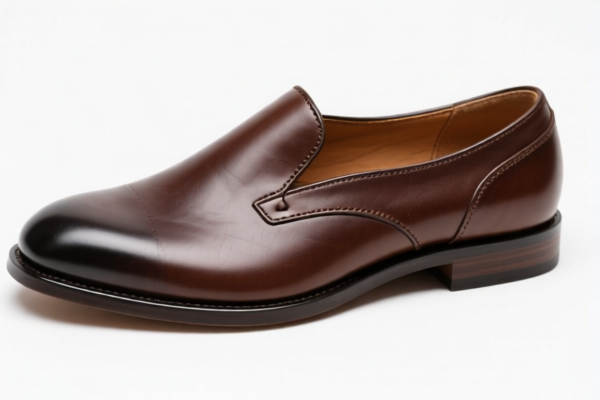
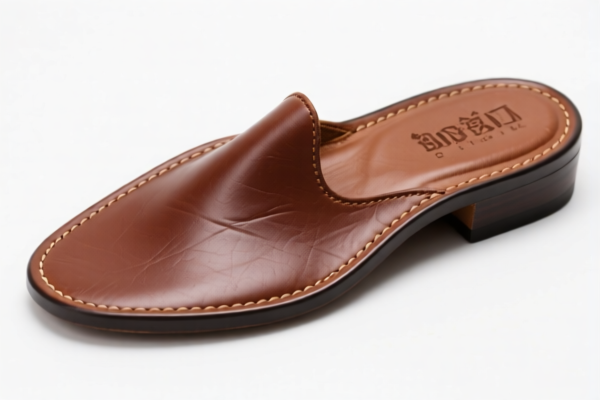
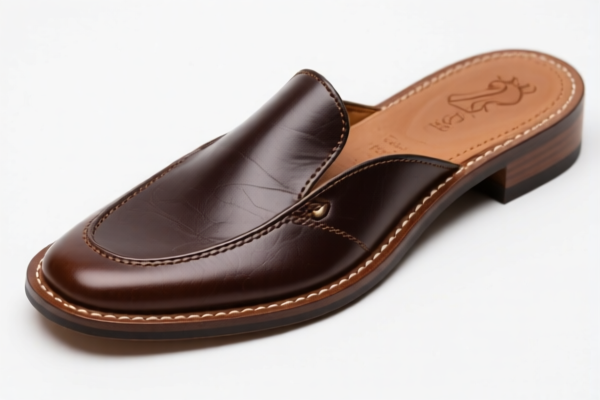
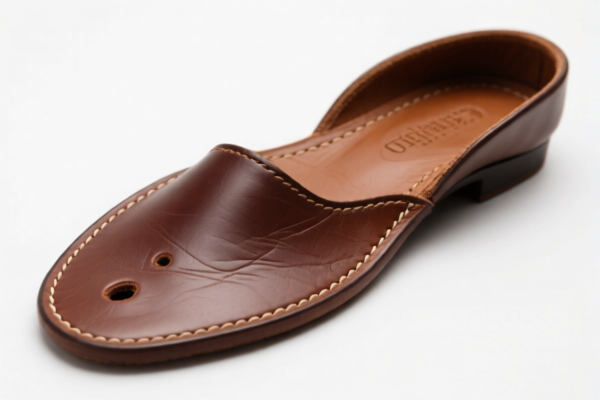
AI Analysis
👞 Natural Equine Leather Shoe Sole Leather
🌐 HS Code Reference & Customs Clearance Guide | 2026 Latest Tariff Analysis | Professional Tier-1 Clearance Strategy
📌 I. Product Definition & Classification: Do You Really Understand "Equine Leather Shoe Sole"?
Natural equine leather shoe sole leather is a specialized raw material used in footwear manufacturing. It is derived from horsehide (equine leather) and processed specifically for durability, flexibility, and wear resistance suitable for shoe soles. In international trade, its classification depends heavily on its physical state (processed vs. semi-processed) and intended use (sole vs. upper/general leather).
Key Distinction:
- "Shoe Sole Leather" (4104/4107 Series): Processed, tanned, and prepared leather specifically intended for making shoe soles.
- "Base Leather Material" (4115 Series): Composite leather sheets or base materials that may require further processing or are classified as general leather articles rather than specific "sole leather."
⚠️ Critical Classification Point:
- If the leather is explicitly tanned, finished, and shaped/prepared for shoe soles → It falls under 4104.11 or 4107.11/4107.12.
- If it is a composite leather sheet or general leather article not specifically defined as "sole leather" in the tariff notes, it may fall under 4115.10.
- Misclassification between "Sole Leather" and "General Leather/Composite Leather" can lead to significant duty differences (13.3% vs. 35%).
📦 II. HS Code Classification Details (2026 Latest Tariff Authority Comparison)
| HS Code | Product Description | Application Scenario | Duty Rate | Key Characteristic |
|---|---|---|---|---|
4104.11.40.60 |
Horse leather shoe sole, material is horsehide, used for shoe soles, fits the classification of other leather shoe soles. | Footwear manufacturing, specifically for horsehide soles. | 15.0% | Tanned horsehide leather, prepared for soles. |
4107.11.60.60 |
Horse leather shoe sole, material is horse leather, form and use completely match the definition of horse leather and sole leather. | General horse leather tanning/processing for soles. | 13.3% | General horse leather, explicitly identified as suitable for soles. |
4107.12.60.60 |
Horse leather shoe sole, material is horse leather, use is for soles, consistent with horse leather and sole leather classification. | Specific horse leather articles for sole usage. | 13.3% | Similar to above, focuses on horse leather compliance. |
4115.10.00.00 |
Natural horse leather sole leather, material is natural horse leather, form is composite leather sheets, belongs to base raw materials. | Base material supply, composite leather products. | 35.0% | Composite leather or base material, higher duty. |
4104.41.40.10 |
Natural horse leather sole leather, material is horse leather, use is for soles, fits the category of sole leather. | Natural horse leather for sole production. | 15.0% | Natural horse leather, specifically for soles. |
🔍 Key Reminder:
- 13.3% vs. 35%: The biggest risk is misclassifying composite leather (4115.10) as natural sole leather (4104/4107 series). The 35% rate is significantly higher.
- "Horse" Specificity: Ensure documentation explicitly states "Equine" or "Horse" leather, as general "leather" may attract different scrutiny.
- "Sole" Purpose: The description must clearly state "for shoe soles" to justify the 4104/4107 classification. If it’s general leather, customs may default to higher general rates.
💰 III. 2026 Latest Tariff Rate Details (Including Additional Duties & Policy Surcharges)
✅ Applicable Country: USA (US)
✅ Origin: China (CN)
✅ Effective Date: November 10, 2025 (and subsequent imports)
🎯 1. 4107.11.60.60 & 4107.12.60.60 —— Horse Leather Sole Leather (General Tanned)
| Item | Content |
|---|---|
| Base Tariff Rate | 3.3% (ad valorem) |
| USITC Additional Duty | +0.0% (No Section 301 tariff for this specific subheading) |
| Section 122 Tariff (IEEPA) | +10% (Targeted at Chinese products) |
| Total Duty Rate | 13.3% |
| Tax Calculation | CIF Value × 13.3% |
| De Minimis Exemption | ❌ Not Eligible (Deny De Minimis for leather goods from China) |
| Legal Basis Path | IEEPA:9903.01.25 → USITC:4107.11.60.60 / 4107.12.60.60 → FOOTNOTE:122 |
📌 Explanation:
- These codes benefit from a low base tariff (3.3%) because horse leather is a specific niche product.
- The 10% Section 122 tariff is the main additional cost.
- No 25% Section 301 tariff applies here, making these codes more cost-effective than general leather articles.
🎯 2. 4104.11.40.60 & 4104.41.40.10 —— Horse Leather Shoe Sole (Tanned/Prepared)
| Item | Content |
|---|---|
| Base Tariff Rate | 5.0% (ad valorem) |
| USITC Additional Duty | +0.0% (No Section 301 tariff) |
| Section 122 Tariff (IEEPA) | +10% |
| Total Duty Rate | 15.0% |
| Tax Calculation | CIF Value × 15.0% |
| De Minimis Exemption | ❌ Not Eligible |
| Legal Basis Path | IEEPA:9903.01.25 → USITC:4104.11.40.60 / 4104.41.40.10 → FOOTNOTE:122 |
📌 Note:
- Slightly higher base rate (5.0%) compared to 4107 series.
- Still significantly cheaper than the 35% composite leather category.
🎯 3. 4115.10.00.00 —— Composite Leather / Base Material
| Item | Content |
|---|---|
| Base Tariff Rate | 0.0% (ad valorem) |
| USITC Additional Duty | +25.0% (Section 301 Tariff) |
| Section 122 Tariff (IEEPA) | +10% |
| Total Duty Rate | 35.0% |
| Tax Calculation | CIF Value × 35.0% |
| De Minimis Exemption | ❌ Not Eligible |
| Legal Basis Path | IEEPA:9903.01.25 → IEEPA:9903.01.24 → USITC:4115.10.00.00 → FOOTNOTE:9903.88.01 |
📌 Warning:
- This code attracts the highest total duty (35%) due to the 25% Section 301 tariff.
- This applies if the product is classified as composite leather or a general leather article not meeting the strict "sole leather" definition.
- Cost Impact: A $10,000 shipment pays $3,500 in duties vs. $1,330 for 4107 codes. Critical to avoid misclassification!
🛠️ IV. Customs Clearance Practical Advice (Real-World Pitfall Avoidance)
✅ 1. Documentation Checklist (Mandatory)
| Document | Required | Notes |
|---|---|---|
| ✅ Product Specification Sheet | ✔️ | Must specify: Material (100% Horsehide), Tanning Method, Finish, Intended Use (Shoe Sole). |
| ✅ Commercial Invoice | ✔️ | Clearly state: "Natural Equine Leather for Shoe Sole," not just "Leather." |
| ✅ Packing List | ✔️ | Detail weight, volume, and package count. |
| ✅ Test Report / Lab Certificate | ✔️ | Confirm material composition (Horsehide) to prevent misclassification as cowhide or synthetic. |
| ✅ Photos of Product | ✔️ | Show texture, grain, and any markings indicating equine origin. |
| ✅ Certificate of Origin (CO) | ✔️ | Required for tariff calculation. |
✅ 2. Declaration Tips (Key Mantras)
🔥 "Horse for Horse, Sole for Sole, Composite is Costly, Don't Guess!"
| Scenario | Correct Declaration | Wrong Action |
|---|---|---|
| Tanned horse leather for soles | 4107.11.60.60 or 4107.12.60.60 |
Misdeclare as generic leather → 35% |
| Composite horse leather sheets | 4115.10.00.00 |
Try to force "sole leather" classification → Risk of penalty |
| General horse leather (not for soles) | Review HS Code carefully | Assume all horse leather is 13.3% |
✅ 3. Special Handling Cases
| Situation | Handling Advice |
|---|---|
| Mixed Materials | If leather is blended with synthetic, it may no longer qualify as "100% horsehide" → Could change HS Code and duty rate. |
| Undersole vs. Outsole | Specify if it’s for the undersole (insole) or outsole (bottom). Both fall under "sole leather," but clarity helps. |
| Customs Inspection | Be prepared for a physical inspection to verify "equine" origin. Have lab results ready. |
| Origin Marking | Ensure products are marked "Made in China" to trigger correct Section 122 tariffs. |
🌍 V. Global Market Comparison (2026 Latest)
| Country/Region | Recommended HS Code | Duty Rate | Certification | Notes |
|---|---|---|---|---|
| 🇺🇸 USA | 4107.11.60.60 / 4107.12.60.60 |
13.3% | None specific | Avoid 4115.10 due to 35% duty. |
| 🇨🇳 China | 4107.11.60.60 |
13.3% | None | Base rate + Section 122. |
| 🇪🇺 EU | 4107.11 |
~12-15% | CE (if applicable) | Varies by member state. |
| 🇬🇧 UK | 4107.11 |
~12-15% | UKCA | Post-Brexit rules apply. |
📌 Conclusion:
- USA is the critical market for duty optimization.
- Correct classification saves 21.7% (15% vs. 35%).
- China-origin horse leather faces a 10% Section 122 tariff regardless of the base rate.
📌 VI. Common Errors & Pitfall Guide (Lessons Learned)
❌ Error 1: Declaring composite leather as natural sole leather
👉 Consequence: 35% duty instead of 13.3% → Overpay by ~$21,700 per $100k shipment.
❌ Error 2: Not specifying "Horse" in the description
👉 Consequence: Customs may classify as generic cowhide leather → Different duty rate + delays.
❌ Error 3: Ignoring Section 122 Tariff
👉 Consequence: Even if base duty is low, 10% additional duty applies to all Chinese-origin leather goods.
❌ Error 4: Using vague terms like "Leather Shoes Parts"
👉 Consequence: Ambiguity leads to customs classification review → Delays + Potential Penalties.
✅ Correct Approach:
"Natural Equine Leather, Tanned & Finished, Specifically Prepared for Shoe Soles, 100% Horsehide, HS Code 4107.11.60.60"
🎯 VII. Conclusion: Professional Classification, Cost Savings, Efficiency!
🎯 Remember the Mantra:
🔹 "Horse Leather, Sole Use, 13.3% is the Sweet Spot. Composite is 35%, Don’t Be Costly!"
🔹 "HS Code Defines Duty, 21.7% Savings, Clear Declaration Saves Days!"
📌 Pro Tip:
- If your horse leather is originating from the USA, Europe, or other non-China countries, you may avoid the 10% Section 122 tariff, reducing the total duty to 3.3% or 5%.
- Consider Advance Rulings from CBP if you are unsure whether your product qualifies as "sole leather" vs. "composite leather."
📣 Immediate Action:
📞 Contact a licensed customs broker + Provide product specs + Apply for HS Code Advance Ruling
🚀 Ensure your horse leather soles clear customs smoothly, minimize duties, and maximize profit margins!
✨ Professional Customs Clearance Starts with Accurate Classification!
💼 Every Cent of Duty Saved is Pure Profit!
Customer Reviews
About HS Code Classification
The Harmonized System (HS) is an internationally standardized nomenclature developed by the World Customs Organization (WCO) to classify traded products. Over 200 countries use the HS system as the basis for customs tariffs, trade statistics, and import/export regulations.
Each HS code follows a hierarchical structure:
- Chapter (2 digits) — Broad category of goods (e.g., Chapter 84: Machinery and Mechanical Appliances)
- Heading (4 digits) — More specific grouping within the chapter
- Subheading (6 digits) — Internationally standardized breakdown, used by all WCO member countries
- National subdivisions (8-10 digits) — Country-specific extensions for further classification, such as US HTSUS 10-digit codes
Correct HS code classification is essential for smooth customs clearance, accurate duty payment, and compliance with trade regulations. Misclassification can lead to customs delays, overpayment of duties, or penalties.
When importing from CN to US, the applicable tariff rates may include:
- Most-Favored-Nation (MFN) rate — The standard duty rate applied to WTO members
- General rate — Applied to countries without trade agreements
- Trade remedy duties — Additional tariffs such as Section 301 (anti-dumping), Section 232 (national security), or countervailing duties
The information provided on this page is for reference purposes only. For official classification, please consult with your local customs authority or a licensed customs broker.