Neck Pillow
CN → US| HS Code | Tariff Rate | Origin | Destination | Doc |
|---|---|---|---|---|
| 6304910170 | 23.3% | CN | US | Official Doc |
| 9404901030 | 22.8% | CN | US | Official Doc |
| 9404902090 | 23.5% | CN | US | Official Doc |
| 6304996040 | 20.7% | CN | US | Official Doc |
Product Images
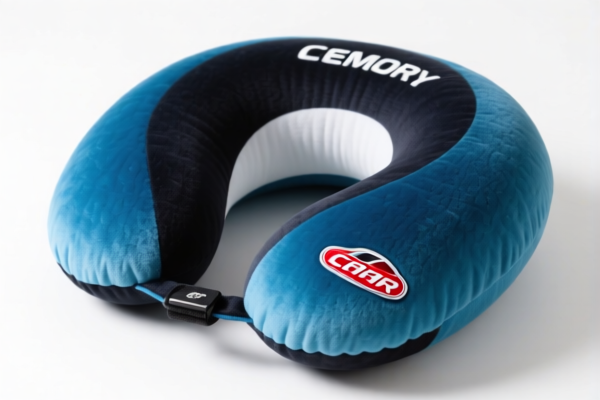

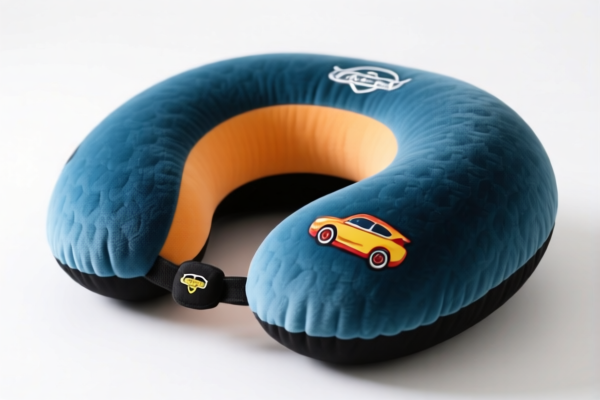
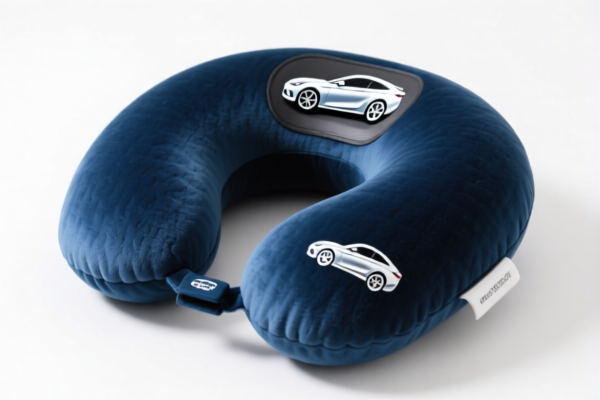
AI Analysis
🌬️ Neck Pillow (Travel & Ergonomic Comfort)
🌐 HS Code Reference & Customs Clearance Guide | 2026 Latest Tariff Breakdown | Professional Clearance Strategy
📌 I. Product Definition & Classification: Do You Really Understand "Neck Pillows"?
The Neck Pillow is a specialized travel accessory and home comfort item designed to support the neck, head, and cervical spine during rest, travel, or work. In international trade, it falls under the broader categories of Household Textiles and Furniture/Camping Equipment.
Due to variations in material composition (knitted vs. non-knitted), filling type (foam, fiber, rubber), and finished form (complete pillow vs. components), neck pillows can be classified under multiple HS codes. Choosing the correct code is critical, as the tax rate differences can be significant (from 20.7% to 23.5%).
⚠️ Key Distinction Points:
- Knitted/Embroidered Fabric: If the outer casing is knitted or crocheted, it may fall under Chapter 63 (Textiles).
- Woven/Non-Knitted Fabric: If the outer casing is woven or made of non-knitted textiles, it often falls under 9404 (Cushions/Pillows) or the residual 6304 category.
- Filling Material: The classification must consider whether the filling is standard fiber, rubber/plastic, or spring-based (rare for neck pillows).
- End Use: Is it for home bedding, travel, or industrial use? Most commercial neck pillows fall under "Bedding" or "Camping Equipment."
📦 II. HS Code Classification Details (2026 Latest Tariff Authority)
Based on the provided product data, here are the four potential classifications for Neck Pillows with their specific tax implications:
| HS Code | Product Description | Classification Logic | Material/Form Assumption |
|---|---|---|---|
| 6304.91.01.70 | Neck Pillow (Knitted/Crocheted) | Classified under Furniture/Home Textiles as "Other Furniture Supplies" | Knitted or Crocheted fabric casing. Residual category for furniture accessories. |
| 9404.90.10.30 | Neck Pillow (Cotton/Standard Pillow) | Classified under Cushions, Pillows & Similar Articles | Cotton or Cotton-blend material. Matches standard "Pillow" definition. |
| 9404.90.20.90 | Neck Pillow (Specialized Filling) | Classified under Pillows/Cushions with specific filling types | Contains Springs, Rubber, or Plastic fillers (or specific composite materials not covered by cotton). |
| 6304.99.60.40 | Neck Pillow (Non-Knitted Textile) | Classified under Household Textiles (Residual) | Non-knitted, non-crocheted textile material. Residual category for home textiles. |
🔍 Critical Reminder:
- 6304.91.01.70 is for knitted neck pillows.
- 9404.90.10.30 is the most common for cotton/standard fiber filled pillows.
- 9404.90.20.90 applies if the pillow contains rubber, plastic, or spring components (e.g., memory foam with a specific structural backing).
- 6304.99.60.40 is the "catch-all" for non-knitted textile neck pillows.
💰 III. 2026 Latest Tariff Rate Breakdown (Detailed Tax Analysis)
✅ Applicable Market: United States (US)
✅ Origin: China (CN)
✅ Effective Date: Based on current 2025-2026 tariff regulations (including Section 301, Section 232, and Section 122 provisions).
🎯 1. HS Code 6304.91.01.70 (Knitted Neck Pillow)
Best for: Knitted travel scarves used as pillows or knitted outer casings.
| Tax Component | Rate | Explanation |
|---|---|---|
| Base Duty | 5.8% | Standard Most Favored Nation (MFN) rate. |
| Section 301 / Additional | 7.5% | Additional tariff on specific textile products. |
| Section 122 Duty | 10.0% | New/Specific 122 Clause tariff (High-risk category for textiles). |
| 🔥 TOTAL TAX RATE | 23.3% | High Tax Burden |
| Duty Calculation | CIF Value × 23.3% | Based on the Cost, Insurance, and Freight value. |
| De Minimis Exemption | ❌ NO | Not eligible for $800 de minimis exemption due to Section 122/301 clauses. |
📌 Legal Path:
Base: 6304→Sec301: +7.5%→Sec122: +10%= 23.3%
Note: The Section 122 clause is a critical recent addition for textile products.
🎯 2. HS Code 9404.90.10.30 (Cotton/Pillow Classification)
Best for: Standard memory foam or fiber pillows with cotton covers.
| Tax Component | Rate | Explanation |
|---|---|---|
| Base Duty | 5.3% | Standard MFN rate for pillows. |
| Section 301 / Additional | 7.5% | Additional tariff. |
| Section 122 Duty | 10.0% | Section 122 Clause applies to most pillows. |
| 🔥 TOTAL TAX RATE | 22.8% | High Tax Burden (Slightly lower than knitted). |
| Duty Calculation | CIF Value × 22.8% | Based on CIF value. |
| De Minimis Exemption | ❌ NO | Not eligible for $800 exemption. |
📌 Note: This is a common classification for standard "U-shaped" memory foam pillows with cotton covers.
🎯 3. HS Code 9404.90.20.90 (Pillow with Specialized Filling)
Best for: Pillows with rubber, plastic, or spring-like structural elements.
| Tax Component | Rate | Explanation |
|---|---|---|
| Base Duty | 6.0% | Standard MFN rate (slightly higher base for specialized goods). |
| Section 301 / Additional | 7.5% | Additional tariff. |
| Section 122 Duty | 10.0% | Section 122 Clause applies. |
| 🔥 TOTAL TAX RATE | 23.5% | Highest Tax Burden among the options. |
| Duty Calculation | CIF Value × 23.5% | Based on CIF value. |
| De Minimis Exemption | ❌ NO | Not eligible. |
📌 Note: This rate is the highest because it targets specific industrial or specialized filling materials.
🎯 4. HS Code 6304.99.60.40 (Non-Knitted Textile - Residual)
Best for: Woven fabric neck pillows (e.g., velvet, satin, polyester woven).
| Tax Component | Rate | Explanation |
|---|---|---|
| Base Duty | 3.2% | Lowest Base Duty (Residual category benefit). |
| Section 301 / Additional | 7.5% | Additional tariff. |
| Section 122 Duty | 10.0% | Section 122 Clause applies. |
| 🔥 TOTAL TAX RATE | 20.7% | Lowest Tax Burden (Savings of ~2.6% vs. others). |
| Duty Calculation | CIF Value × 20.7% | Based on CIF value. |
| De Minimis Exemption | ❌ NO | Not eligible (Section 122 overrides de minimis). |
📌 Strategic Insight: If the neck pillow uses non-knitted (woven) fabric,
6304.99.60.40offers the lowest total tax rate (20.7%). Always verify the fabric weave before declaring.
🛠️ IV. Customs Clearance Practical Advice (Avoid Pitfalls)
✅ 1. Documentation Checklist (Must-Haves)
| Document | Requirement | Purpose |
|---|---|---|
| Product Spec Sheet | ✔️ Mandatory | Must detail Material Composition (e.g., "100% Polyester Woven," "Memory Foam Core"). |
| Photos (Labeled) | ✔️ Mandatory | Clear images showing the texture (knitted vs. woven) and filling (foam/fiber). |
| Material Test Report | ✔️ Recommended | Third-party lab report confirming fiber type (Knitted/Woven) to support HS Code selection. |
| Commercial Invoice | ✔️ Mandatory | Must explicitly state: "Neck Pillow, [Material Type], [HS Code Proposed]." |
| Packing List | ✔️ Mandatory | Ensure weight and dimensions match the HS Code description (no hidden components). |
✅ 2. Declaration Strategy (Key Mnemonics)
🔥 "Material First, Fill Second, Section 122 Always!"
| Scenario | Correct Declaration | Incorrect Declaration | Result |
|---|---|---|---|
| Knitted Fabric | 6304.91.01.70 |
6304.99.60.40 |
Overpayment (23.3% vs 20.7% if misclassified). |
| Woven Fabric | 6304.99.60.40 |
9404.90.10.30 |
Risk of Penalty (Wrong category, higher base rate). |
| Rubber/Plastic Fill | 9404.90.20.90 |
9404.90.10.30 |
Audit Risk (Customs may reclassify if filling is suspected). |
| De Minimis Claim | ❌ Do Not Claim | Claiming $800 exemption | Seizure/Delay (Section 122 explicitly blocks this). |
✅ 3. Special Handling & Tips
| Situation | Action |
|---|---|
| Fabric Ambiguity | If unsure if fabric is "knitted" or "woven," get a textile lab test before shipping. The tax difference is ~2.6% ($26 per $1000 value). |
| Section 122 Awareness | Be aware that Section 122 (10%) applies to ALL listed HS codes. No product is exempt. |
| Packaging | Do not separate the pillow from its cover for "component" declaration. Declare as a finished product to avoid拆分 penalties. |
| Origin Labeling | Ensure the "Made in China" label is visible and matches the CO (Certificate of Origin). |
🌍 V. Global Market Comparison (2026)
| Market | Recommended HS Code | Base Tax | Additional Tax | Total Tax | Notes |
|---|---|---|---|---|---|
| 🇺🇸 USA | 6304.99.60.40 (Best) |
3.2% | 17.5% (301+122) | 20.7% | Section 122 is the key driver. |
| 🇪🇺 EU | 9404.90 |
4.5% | 0% | 4.5% | No Section 122; lower burden. |
| 🇨🇦 Canada | 9404.90 |
5.0% | 0% | 5.0% | Standard MFN rate. |
| 🇯🇵 Japan | 9404.90 |
0% | 0% | 0% | Free trade benefits. |
📌 Conclusion:
- The USA market is the most expensive due to the Section 122 (10%) + Section 301 (7.5%) combination.
- Choosing the right HS Code (6304.99.60.40) can save 2.6% on the US market compared to others.
- No de minimis exemption applies for these goods; all shipments are subject to full duty calculation.
📌 VI. Common Mistakes & "Blood and Tears" Lessons
❌ Mistake 1: Claiming De Minimis ($800) for Neck Pillows.
👉 Result: Shipment Rejected/Seized because Section 122 explicitly excludes textile pillows from de minimis.
✅ Fix: Pay the full duty (20.7%~23.5%) upfront.
❌ Mistake 2: Declaring all pillows under 9404.90.10.30 regardless of fabric.
👉 Result: If the pillow is woven, you overpay by 2.6%. If it is knitted, you might face an audit.
✅ Fix: Verify fabric type (Knitted vs. Woven) before declaring.
❌ Mistake 3: Ignoring the Section 122 clause.
👉 Result: Budget calculation off by 10%, leading to cash flow issues.
✅ Fix: Always include the 10% Section 122 tax in your cost model for US imports.
🎯 VII. Conclusion: Precision Classification Saves Money!
🎯 Remember the Mnemonic:
🔹 "Knitted = 6304.91 (23.3%)"
🔹 "Woven = 6304.99 (20.7% - Best Value!)"
🔹 "Cotton Fill = 9404.90.10 (22.8%)"
🔹 "Section 122 = Always 10% (No Exemption!)"
📌 Pro Tip:
If you are importing Neck Pillows to the US:
1. Test your fabric: Is it knitted or woven?
2. Pick 6304.99.60.40 if woven to minimize taxes.
3. Budget for 20.7% total tax (Base 3.2% + 7.5% + 10%).
4. Never claim de minimis for this product.
📣 Immediate Action Required:
📞 Contact your Freight Forwarder to verify fabric composition.
🚀 Update your Incoterms to include the correct tariff burden.
📦 Prepare a full Material Test Report before the first US shipment.
✨ Professional Customs Clearance Starts with Accurate Classification!
💼 Every 1% tax saved is pure profit!
Customer Reviews
About HS Code Classification
The Harmonized System (HS) is an internationally standardized nomenclature developed by the World Customs Organization (WCO) to classify traded products. Over 200 countries use the HS system as the basis for customs tariffs, trade statistics, and import/export regulations.
Each HS code follows a hierarchical structure:
- Chapter (2 digits) — Broad category of goods (e.g., Chapter 84: Machinery and Mechanical Appliances)
- Heading (4 digits) — More specific grouping within the chapter
- Subheading (6 digits) — Internationally standardized breakdown, used by all WCO member countries
- National subdivisions (8-10 digits) — Country-specific extensions for further classification, such as US HTSUS 10-digit codes
Correct HS code classification is essential for smooth customs clearance, accurate duty payment, and compliance with trade regulations. Misclassification can lead to customs delays, overpayment of duties, or penalties.
When importing from CN to US, the applicable tariff rates may include:
- Most-Favored-Nation (MFN) rate — The standard duty rate applied to WTO members
- General rate — Applied to countries without trade agreements
- Trade remedy duties — Additional tariffs such as Section 301 (anti-dumping), Section 232 (national security), or countervailing duties
The information provided on this page is for reference purposes only. For official classification, please consult with your local customs authority or a licensed customs broker.