Needle
CN → US| HS Code | Tariff Rate | Origin | Destination | Doc |
|---|---|---|---|---|
| 8209000030 | 39.6% | CN | US | Official Doc |
| 8209000060 | 39.6% | CN | US | Official Doc |
| 9018320000 | 110.0% | CN | US | Official Doc |
| 9018390050 | 10.0% | CN | US | Official Doc |
| 4205004000 | 36.8% | CN | US | Official Doc |
Product Images
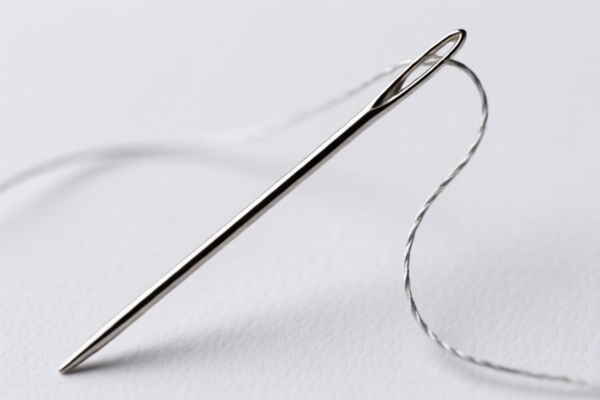
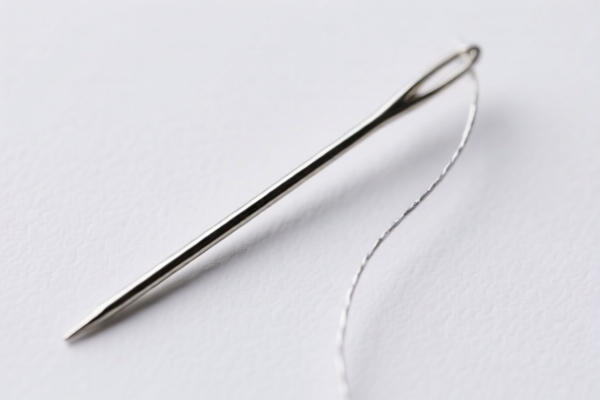
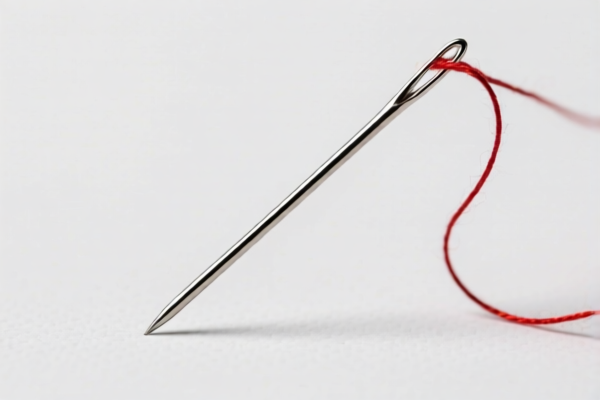
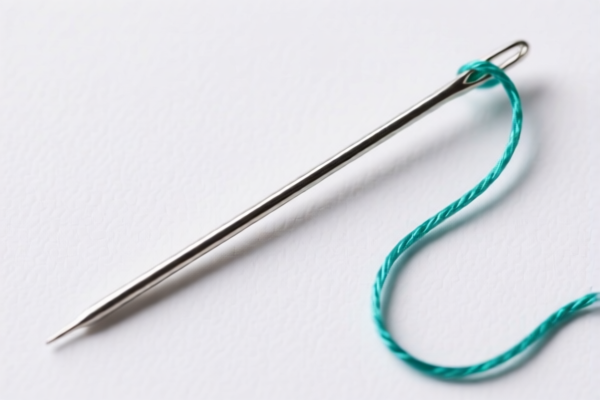
AI Analysis
🧵 Needle (Medical & Industrial Tooling Components)
🌐 HS Code Reference & Customs Clearance Guide | 2026 Latest Tariff Analysis | Professional-Level Clearance Strategy
📌 I. Product Definition & Classification: Do You Really Understand "Needles"?
The term "Needle" is ambiguous in international trade. It spans from high-precision medical devices to industrial tooling components. Misclassification can lead to massive tariff discrepancies (from 10% to 110%).
In international trade, needles are generally categorized into two main types based on their end-use and physical characteristics:
- Medical Needles (Diagnostic/Therapeutic): Used for injections, blood sampling, or surgical procedures. These fall under Chapter 90 (Medical Instruments).
- Tooling/Industrial Needle Points: Used as tips for punches, drills, or other mechanical tools. These fall under Chapter 82 (Tools).
- Accessories/Storage: Such as needle cases or inserts. These fall under Chapter 42 (Leather Goods) or general accessory categories.
⚠️ Key Distinction Point:
- If it is a sterile, single-use or reusable device for human/animal body penetration → It is a Medical Device (9018).
- If it is a hardened metal tip/component for a larger tool/machine → It is a Tooling Part (8209).
- If it is a storage container or accessory for pins/needles → It is a General Good (4205).
📦 II. HS Code Classification Details (2026 Latest Tariff Authority Comparison)
| HS Code | Product Description | Application Scenario | Tax Rate Profile |
|---|---|---|---|
8209.00.00.30 |
Tooling Needle Points: Puncture needles made of metal, classified as accessories for tools/medical device tooling | Industrial tool tips, non-sterile mechanical piercing components | ⚠️ High Tax (39.6%) |
8209.00.00.60 |
Other Metal/Ceramic Tool Tips: General metal/ceramic spikes or points not specified elsewhere | General industrial needle-like components, tool inserts | ⚠️ High Tax (39.6%) |
9018.32.00.00 |
Medical Tubes/Needles (High Risk): Metallic tubular needles for medical puncture | Diagnostic/therapeutic needles, but subject to heavy penalties | 🔴 Critical Tax (110.0%) |
9018.39.00.50 |
Medical Injections/Puncture Devices: General medical needles for injection/puncture | Standard medical syringe needles, catheter needles (Low Risk) | ✅ Low Tax (10.0%) |
4205.00.40.00 |
Needle Cases/Inserts: Small storage/organizing products for needles (leather, plastic, or metal) | Needle books, pin cushions, tool organizers | ⚠️ High Tax (36.8%) |
🔍 Key Reminder:
- The difference between9018.32.00.00(110%) and9018.39.00.50(10%) is astronomical. You MUST accurately define the specific medical function to avoid the 110% trap. - Industrial needles (8209) are subject to significant Section 301 tariffs, bringing the total to nearly 40%. - Storage items (4205) are also subject to high tariffs due to their miscellaneous nature.
💰 III. 2026 Latest Tariff Rate Breakdown (Including Surcharges & Policy Add-ons)
✅ Applicable Country: United States (US)
✅ Origin: China (CN)
✅ Effective Date: November 10, 2025 (and subsequent imports)
🎯 1. 8209.00.00.30 & 8209.00.00.60 —— Industrial/Tooling Needle Points
| Item | Content |
|---|---|
| Base Tariff Rate | 4.6% (ad valorem) |
| Section 301 Surcharge | +25% (From USITC Footnote 9903.88.01 / Section 301 List 3) |
| 122 Clause Tariff | +10% (Specific trade remedy clause) |
| Total Tax Rate | 39.6% |
| Tax Calculation | CIF Value × 39.6% |
| De Minimis Eligibility | ❌ No (deny_de_minimis) |
| Legal Basis Path | USITC:8209.00.00.30/60 → FOOTNOTE:9903.88.01 → 122 Clause |
📌 Explanation:
- Industrial needles are considered tool components. The base rate is low (4.6%), but the 25% Section 301 tariff makes it expensive. - The additional 10% 122 Clause further increases costs. - Total: 39.6%. This is a significant cost factor for industrial exporters.
🎯 2. 9018.32.00.00 —— Medical Tubular Needles (High Alert)
| Item | Content |
|---|---|
| Base Tariff Rate | 0.0% |
| Section 301 Surcharge | +100% (Heavy punitive tariff for specific medical devices/trade tensions) |
| 122 Clause Tariff | +10% |
| Total Tax Rate | 110.0% |
| Tax Calculation | CIF Value × 110.0% |
| De Minimis Eligibility | ❌ No (deny_de_minimis) |
| Legal Basis Path | USITC:9018.32.00.00 → Section 301 Specific List → 122 Clause |
📌 Critical Warning:
- This category carries a 100% Section 301 Surcharge. This is a prohibitive tariff. - It often applies to specific tubular medical devices targeted in trade disputes. - Avoid this HS Code unless absolutely necessary. If your product is a general medical needle, check9018.39.00.50instead.
🎯 3. 9018.39.00.50 —— General Medical Injection/Puncture Devices
| Item | Content |
|---|---|
| Base Tariff Rate | 0.0% |
| Section 301 Surcharge | 0.0% (Exempt or low rate for general medical consumables) |
| 122 Clause Tariff | +10% |
| Total Tax Rate | 10.0% |
| Tax Calculation | CIF Value × 10.0% |
| De Minimis Eligibility | ❌ No (deny_de_minimis) |
| Legal Basis Path | USITC:9018.39.00.50 → 122 Clause |
📌 Note:
- This is the most cost-effective classification for standard medical needles (e.g., syringe needles, diagnostic sticks). - The only additional cost is the 10% 122 Clause, resulting in a total of 10%. - Strategy: Ensure your product description emphasizes "General Medical Puncture/Injection" rather than specific "Tubular Diagnostic Devices" to aim for this code.
🎯 4. 4205.00.40.00 —— Needle Cases/Storage Items
| Item | Content |
|---|---|
| Base Tariff Rate | 1.8% (ad valorem) |
| Section 301 Surcharge | +25% (From USITC Footnote 9903.88.01) |
| 122 Clause Tariff | +10% |
| Total Tax Rate | 36.8% |
| Tax Calculation | CIF Value × 36.8% |
| De Minimis Eligibility | ❌ No (deny_de_minimis) |
| Legal Basis Path | USITC:4205.00.40.00 → FOOTNOTE:9903.88.01 → 122 Clause |
📌 Explanation:
- Needle cases (leather, plastic, metal) are classified as general goods but still attract 25% Section 301 tariffs. - Total 36.8% is high compared to the 10% for medical needles.
🛠️ IV. Customs Clearance Operational Advice (Practical Pitfall Avoidance Guide)
✅ 1. Preparation Checklist (Missing Documents Will Cause Delays)
| Document | Required | Explanation |
|---|---|---|
| ✅ Product Specification Sheet | ✔️ | Must clarify: Material (Metal/Ceramic/Plastic), Use (Medical/Industrial), Sterility (Sterile/Non-sterile). |
| ✅ Product Photos (Clear Label) | ✔️ | Must show shape, tip type, and any medical symbols (e.g., ISO 7864 for syringe needles). |
| ✅ Commercial Invoice | ✔️ | Description must be precise: "Medical Needle for Injection" vs. "Metal Tool Tip". Do NOT just say "Needle". |
| ✅ Certificate of Origin (CO) | ✔️ | Essential for proving CN origin to apply/avoid surcharges. |
| ✅ Packing List | ✔️ | Clearly separate medical devices from industrial tools if shipped together. |
✅ 2. Declaration Tips (Key Mantra)
🔥 "Medical vs. Industrial: Define Function First. 'Tube' Traps at 110%, 'General' Saves at 10%. 'Tool' Pays 40%. 'Case' Pays 37%."
| Scenario | Correct Declaration | Incorrect Declaration | Consequence |
|---|---|---|---|
| Medical Syringe Needle | 9018.39.00.50 |
9018.32.00.00 |
90% Tax Difference! (10% vs 110%) |
| Industrial Punch Tip | 8209.00.00.30/60 |
9018.39.00.50 |
Under-declaration Risk (Customs may reclassify and penalize) |
| Needle Case | 4205.00.40.00 |
9018.90 (Medical Parts) |
Misclassification (Different tax basis) |
| Mixed Shipment | Split Declaration | Mixed Line Item | Total Shipment Holded until corrected |
✅ 3. Special Handling Cases
| Case | Handling Advice |
|---|---|
| OEM Medical Needles | Provide FDA Establishment Registration or EU MDR/CE Certificates. Customs may inspect for medical device compliance. |
| Industrial Needles (Tool Parts) | Provide Technical Drawings showing it is a component for a larger tool, not a standalone medical device. |
| Needles with Packaging | If packed with a case, declare separately if possible. If shipped as a set, the principal use determines the HS code. |
| High-Value Medical Devices | Verify if 9018.32.00.00 applies. If it is a catheter or specific diagnostic tube, the 110% tariff is unavoidable. Consider supply chain optimization. |
🌍 V. Global Main Market Customs Comparison (2026 Latest)
| Country/Region | Recommended HS Code | Tariff (China Origin) | Certification Requirements | Note |
|---|---|---|---|---|
| 🇺🇸 USA | 9018.39.00.50 |
10% (122 Clause) | FDA 510(k)/CE (if claimed) | Avoid 9018.32 (110%). Industrial 8209 is 39.6%. |
| 🇨🇳 China | 9018.39.00.50 |
5-7% (Import Tariff) | NMPA (Medical Device License) | Lower base tariffs, no Section 301. |
| 🇪🇺 EU | 9018.39.00.50 |
0% (Most Free Trade) | CE Mark + MDR Compliance | No anti-dumping on standard medical needles. |
| 🇦🇺 Australia | 9018.39.00.50 |
5% | TGA (Therapeutic Goods) | Standard import duties apply. |
| 🇯🇵 Japan | 9018.39.00.50 |
0-2.5% | PMDA Approval | Low tariffs, strict labeling requirements. |
📌 Conclusion:
- The US market is the most critical due to the 110% trap and Section 301 tariffs. - EU and China offer much more favorable tax environments for medical needles. - Industrial needles face similar high tariffs in the US (~40%) as medical ones, so classification accuracy is key everywhere.
📌 VI. Common Errors & Pitfall Guide (Lessons from Blood and Tears)
❌ Error 1: Declaring all medical needles as 9018.32.00.00
👉 Consequence: Paying 110% tax instead of 10%. Total loss of profit.
❌ Error 2: Declaring industrial tool tips as "Medical Needles" to avoid Section 301
👉 Consequence: Customs Fraud Penalties. Misdeclaration leads to fines and blacklisting.
❌ Error 3: Omitting "Sterile" status on commercial invoices
👉 Consequence: FDA Hold. If labeled sterile, you need FDA compliance docs. If non-sterile, state it clearly.
❌ Error 4: Using "Needle" as the only product name
👉 Consequence: Customs Ambiguity. Must specify "Medical" or "Industrial".
✅ Correct Approach:
"Sterile Stainless Steel Hypodermic Needles, Gauge 25, for Intramuscular Injection, Model XYZ, CE Certified" →
9018.39.00.50
🎯 VII. Conclusion: Precise Classification Saves Fortune!
🎯 Remember the Mantra:
🔹 "Medical 10%, Tool 40%, Trap 110%, Case 37%."
🔹 "HS Code Determines Survival. One digit change, 100% difference."
🔹 "Define Function First, Avoid the 122 Clause Trap."
📌 Tips:
- If your needles are high-precision medical devices (catheters, specific diagnostic tubes), verify the 122 Clause impact.
- For industrial needles, consider supply chain diversification if the 39.6% tariff is prohibitive.
- Always seek an Advance Ruling (Pre-classification) from US Customs (CBP) for large shipments to mitigate risk.
📣 Immediate Action:
📞 Contact Professional Customs Brokers + Provide Product Photos + Request HS Code Pre-classification
🚀 Let your needles Clear Smoothly, Maximize Profits, and Enter the Market Efficiently!
✨ Professional Clearance Starts with Accurate Classification!
💼 Every Dollar of Cost Must Be Precisely Calculated!
Customer Reviews
About HS Code Classification
The Harmonized System (HS) is an internationally standardized nomenclature developed by the World Customs Organization (WCO) to classify traded products. Over 200 countries use the HS system as the basis for customs tariffs, trade statistics, and import/export regulations.
Each HS code follows a hierarchical structure:
- Chapter (2 digits) — Broad category of goods (e.g., Chapter 84: Machinery and Mechanical Appliances)
- Heading (4 digits) — More specific grouping within the chapter
- Subheading (6 digits) — Internationally standardized breakdown, used by all WCO member countries
- National subdivisions (8-10 digits) — Country-specific extensions for further classification, such as US HTSUS 10-digit codes
Correct HS code classification is essential for smooth customs clearance, accurate duty payment, and compliance with trade regulations. Misclassification can lead to customs delays, overpayment of duties, or penalties.
When importing from CN to US, the applicable tariff rates may include:
- Most-Favored-Nation (MFN) rate — The standard duty rate applied to WTO members
- General rate — Applied to countries without trade agreements
- Trade remedy duties — Additional tariffs such as Section 301 (anti-dumping), Section 232 (national security), or countervailing duties
The information provided on this page is for reference purposes only. For official classification, please consult with your local customs authority or a licensed customs broker.