Negative Film
CN → US| HS Code | Tariff Rate | Origin | Destination | Doc |
|---|---|---|---|---|
| 3705000000 | 35.0% | CN | US | Official Doc |
| 3704000000 | 35.0% | CN | US | Official Doc |
| 3702540060 | 38.7% | CN | US | Official Doc |
| 3702960000 | 38.7% | CN | US | Official Doc |
Product Images
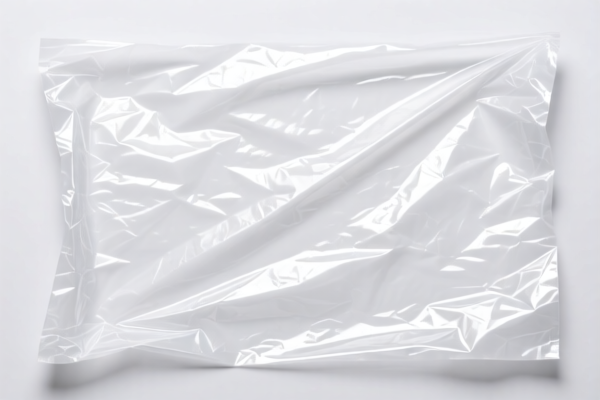
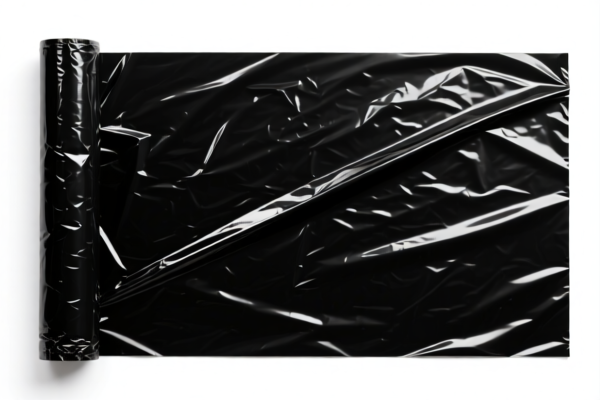

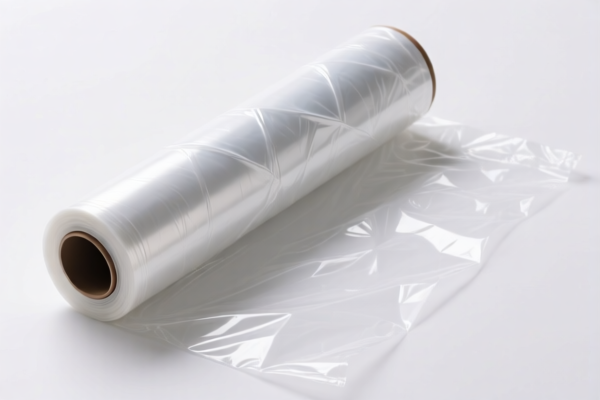
AI Analysis
🎞️ Negative Film (Photographic Film)
🌐 HS Code Reference & Customs Clearance Guide | 2026 Latest Tariff Analysis | Professional Clearance Strategy
📌 1. Product Definition & Classification: Do You Truly Understand "Negative Film"?
Negative Film is a specialized photographic medium essential for professional photography, medical imaging, and industrial inspection. In international trade, it is categorized based on its state (exposed/unexposed), chemical composition, and intended use.
The classification hinges on two critical distinctions: * State of Exposure: Is the film unexposed (blank, ready for shooting) or exposed but undeveloped (processed but not developed)? * Color vs. Black & White: Is the film color or black & white? * Format: Is it for automatic data processing (rare, but possible for specific scanning films) or standard photography?
⚠️ Key Distinction: * Unexposed Color Film: Typically falls under 3702.54.00.60 or 3702.96.00.00. * Exposed/Processed Film: Falls under 3705.00.00.00 or 3704.00.00.00. * Misclassification Risk: Classifying unexposed color film as "unexposed black & white" or vice versa can lead to duty rate discrepancies (35% vs. 38.7%).
📦 2. HS Code Classification Details (2026 Latest Tariff Authority)
Based on the provided data, here is the authoritative breakdown for Negative Film imports (likely from China to US, given the "Section 301" and "Section 122" context in the tax details).
| HS Code | Product Description | Applicable Scenario | Tax Rate Logic |
|---|---|---|---|
| 3705.00.00.00 | Exposed Film (Negative) | Negative film that has been used/exposed but fits the "photographic" category. | 35.0% |
| 3704.00.00.00 | Exposed Film (Unexposed/Regular) | Negative film that is exposed but undeveloped, matching conventional photographic use. | 35.0% |
| 3702.54.00.60 | Color Film Roll (Other) | Other Color Photographic Film Rolls. Unexposed color film not specified elsewhere. | 38.7% |
| 3702.96.00.00 | Unexposed Sensitized Film | Unexposed Sensitized Photographic Film. Any unexposed film meeting specific sensitivity criteria. | 38.7% |
🔍 Critical Note: * 3704/3705 (35% Total): Applies to film that is already exposed (either chemically processed or physically exposed). * 3702 (38.7% Total): Applies to unexposed film, specifically color rolls or general sensitized film. * The 3.7% Difference: The difference between 35% and 38.7% comes from the Base Tariff (0% vs 3.7%). Unexposed film often carries a small base duty.
💰 3. 2026 Latest Tariff Rate Breakdown (With Surcharges & Policy Add-ons)
✅ Applicable Country: USA (US) ✅ Country of Origin: China (CN) ✅ Effective Date: Based on latest Section 301 & Section 122 policies.
🎯 1. HS Code 3705.00.00.00 & 3704.00.00.00 (Exposed/Unexposed Photographic Film)
These codes cover film that is already "used" in the sense of exposure.
| Item | Content |
|---|---|
| Base Tariff | 0.0% (Duty-free on base value) |
| Section 301 Surcharge | +25.0% (Additional duties on Chinese goods) |
| Section 122 Tariff | +10.0% (Specific 122 clause tariff on photographic equipment/materials) |
| Total Tax Rate | 35.0% |
| Tax Calculation | CIF Value × 35% |
| De Minimis Exemption? | ❌ No (Standard trade rules apply) |
| Legal Basis Path | Section 301 → Section 122 → HS 3705/3704 |
📌 Explanation: * The 25% is the standard Section 301 tariff on "Other articles of plastic... or photographic goods" from China. * The 10% is the Section 122 tariff, specifically targeting photographic film and equipment. * Combined Total: 35%. This is a high-cost category for imported film.
🎯 2. HS Code 3702.54.00.60 & 3702.96.00.00 (Unexposed Color/Sensitized Film)
These codes cover raw film rolls ready for use.
| Item | Content |
|---|---|
| Base Tariff | 3.7% (Standard MFN duty for unexposed film) |
| Section 301 Surcharge | +25.0% |
| Section 122 Tariff | +10.0% |
| Total Tax Rate | 38.7% |
| Tax Calculation | CIF Value × 38.7% |
| De Minimis Exemption? | ❌ No |
| Legal Basis Path | Section 301 + Section 122 + Base Duty 3702 |
📌 Explanation: * The 3.7% base rate applies because unexposed film is considered a raw material/chemical product with a low duty. * However, the Section 301 (25%) and Section 122 (10%) surcharges apply on top of the base duty. * Result: The total effective rate is 38.7%, which is 3.7% higher than the exposed film category.
🛠️ 4. Customs Clearance Practical Advice (Real-World Pitfall Guide)
✅ 1. Documentation Checklist (Non-negotiable)
| Document | Required | Description |
|---|---|---|
| Technical Data Sheet | ✔️ | Must specify: Color vs. B&W, Exposed vs. Unexposed, ISO speed, Format (35mm/120/Sheet). |
| Commercial Invoice | ✔️ | Must clearly state "Photographic Negative Film" and the State of Exposure (Exposed/Unexposed). |
| Packing List | ✔️ | Detail the number of rolls, brand, and any protective packaging (light-tight cans). |
| Certificate of Origin | ✔️ | Essential to prove origin (China) to verify the applicability of 301/122 tariffs. |
| Material Safety Data Sheet (MSDS) | ✔️ | Required for chemical composition verification (silver halide content). |
| Labeling | ✔️ | Must be in English, indicating "Negative Film" and "Keep away from light". |
✅ 2. Declaration Strategy (The "Golden Rule")
🔥 "State of Exposure is King: Exposed = 35%, Unexposed = 38.7%"
| Scenario | Correct Declaration | Wrong Declaration | Consequence |
|---|---|---|---|
| Film already shot (exposed) | 3705.00.00.00 or 3704.00.00.00 | 3702.54.00.60 (Unexposed) | Underpayment → Audit, fine, or seizure. |
| New, unexposed Color Film | 3702.54.00.60 | 3704.00.00.00 (Exposed) | Overpayment → Loss of 3.7% margin. |
| Unexposed B&W Film | 3702.96.00.00 | 3705.00.00.00 | Underpayment → Compliance risk. |
| Film for "Data Processing" | None (Not in list) | 3702/3704/3705 | Wrong Code → Potential duty rate mismatch. |
✅ 3. Special Scenarios & Handling
| Scenario | Handling Suggestion |
|---|---|
| Mixed Batches | If a shipment contains both exposed and unexposed film, declare separately under different HS Codes. Mixing them can lead to "Whole Lot" misclassification. |
| "Section 122" Specifics | Be aware that Section 122 targets photographic film. If your film is industrial x-ray or medical, verify if it falls under 9022 instead to potentially avoid Section 122. |
| Valuation | Ensure the CIF value includes freight and insurance. The 38.7% tax is applied to the full landed cost. |
| Pre-Arrival Inspection | For high-value film rolls, consider pre-clearance to avoid storage fees at the port while waiting for duty payment. |
🌍 5. Global Market Comparison (2026 Context)
| Country/Region | Recommended HS Code | Tariff Rate (China Origin) | Certification | Note |
|---|---|---|---|---|
| 🇺🇸 USA | 3702-3705 | 35.0% - 38.7% | N/A | Heavy Section 301 & 122 tariffs apply. |
| 🇨🇳 China | 3702-3705 | 3.7% - 0% | CCC | Export from China: Low duty. |
| 🇪🇺 EU | 3702-3705 | 0% - 4% | CE/RoHS | Generally no Section 301, but check anti-dumping. |
| 🇯🇵 Japan | 3702-3705 | 4.0% - 6% | PSE | Standard duties, no extra 301. |
📌 Conclusion: * The US market imposes the highest burden on photographic film (35-38.7%) due to Section 301 and Section 122. * Unexposed film costs slightly more to import than exposed film due to the 3.7% base duty. * Strategic Tip: If possible, ship exposed film (35%) rather than unexposed (38.7%) if the business model allows, though this is often dictated by the customer's need.
📌 6. Common Mistakes & Pitfalls (Lessons Learned)
❌ Mistake 1: Declaring Unexposed Color Film as 3704 (Exposed). 👉 Result: You underpay by 3.7% (Base duty). Customs will audit, assess back taxes + penalties.
❌ Mistake 2: Failing to separate Color and Black & White rolls. 👉 Result: While rates are similar (38.7%), the sub-classification matters for inventory and regulatory reporting. Mixing them may delay release.
❌ Mistake 3: Ignoring Section 122 surcharge. 👉 Result: Assuming only 25% (Section 301) applies. Missing the 10% (122) = 35% vs 38.7% gap.
❌ Mistake 4: Shipping film in clear bags. 👉 Result: Safety Hazard. Customs may reject the shipment for non-compliance with safety packaging standards.
✅ Correct Practice:
"Photographic Negative Film, 35mm, Color, Unexposed, ISO 400, 36 Exposures, Packaged in Light-Tight Cans. HS Code: 3702.54.00.60."
🎯 7. Conclusion: Professional Declaration for Cost Savings
🎯 Remember the Rule:
🔹 "Exposed Film = 35% (0% Base + 35% Surcharges)"
🔹 "Unexposed Color Film = 38.7% (3.7% Base + 35% Surcharges)"
🔹 "Section 122 is the Silent Killer: 10% on everything!"
📌 Pro Tip:
If your film is not for photography (e.g., X-ray film for medical diagnostics), investigate HS Code 9022 immediately. It may have different tariff rates and avoid the 122 Section.
Action Plan: 1. Verify State: Exposed vs. Unexposed? 2. Verify Type: Color vs. B&W? 3. Calculate: Add 3.7% if unexposed. 4. Declare: Use the exact HS Code from the list above.
✨ Professional Clearance, Starts with Precise Classification! 💼 Every percentage point counts in the margin of your business!
Customer Reviews
About HS Code Classification
The Harmonized System (HS) is an internationally standardized nomenclature developed by the World Customs Organization (WCO) to classify traded products. Over 200 countries use the HS system as the basis for customs tariffs, trade statistics, and import/export regulations.
Each HS code follows a hierarchical structure:
- Chapter (2 digits) — Broad category of goods (e.g., Chapter 84: Machinery and Mechanical Appliances)
- Heading (4 digits) — More specific grouping within the chapter
- Subheading (6 digits) — Internationally standardized breakdown, used by all WCO member countries
- National subdivisions (8-10 digits) — Country-specific extensions for further classification, such as US HTSUS 10-digit codes
Correct HS code classification is essential for smooth customs clearance, accurate duty payment, and compliance with trade regulations. Misclassification can lead to customs delays, overpayment of duties, or penalties.
When importing from CN to US, the applicable tariff rates may include:
- Most-Favored-Nation (MFN) rate — The standard duty rate applied to WTO members
- General rate — Applied to countries without trade agreements
- Trade remedy duties — Additional tariffs such as Section 301 (anti-dumping), Section 232 (national security), or countervailing duties
The information provided on this page is for reference purposes only. For official classification, please consult with your local customs authority or a licensed customs broker.