Neoprene Rubber Additives
CN → US| HS Code | Tariff Rate | Origin | Destination | Doc |
|---|---|---|---|---|
| 4002410000 | 35.0% | CN | US | Official Doc |
| 4002490000 | 35.0% | CN | US | Official Doc |
| 4008210000 | 35.0% | CN | US | Official Doc |
| 4008292000 | 37.9% | CN | US | Official Doc |
Product Images
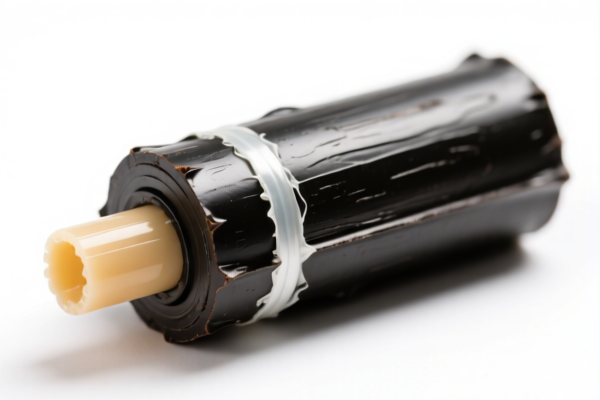
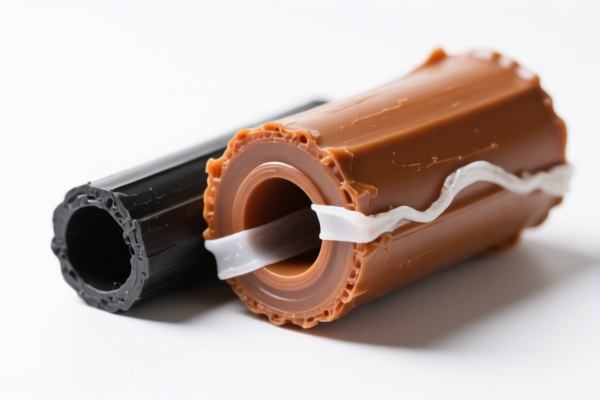
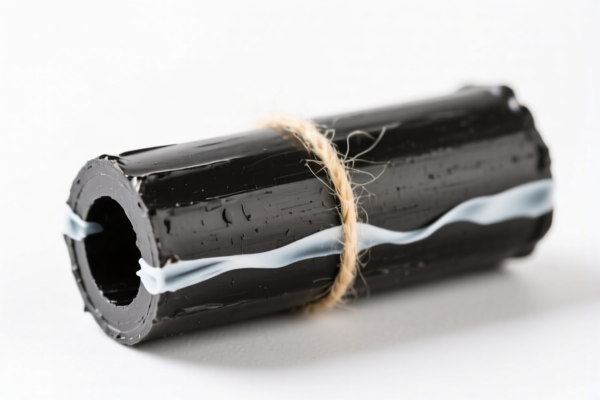
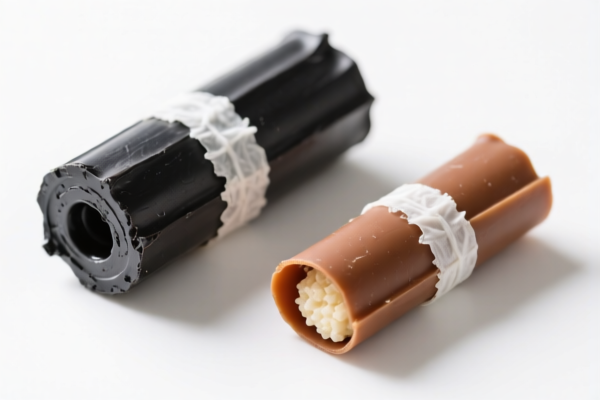
AI Analysis
⚙️ Neoprene Rubber Additives: The Industrial Powerhouse | HS Code Classification & US Tariff Strategy (2026)
🌐 HS Code Reference & Customs Clearance Guide | 2026 Latest Tariff Analysis | Professional Customs Strategy
📌 I. Product Definition & Classification: Do You Really Understand "Neoprene"?
Neoprene (Polychloroprene Rubber) is a family of synthetic rubbers that are produced by the polymerization of chloroprene. Known for its resistance to oil, heat, and weathering, it is critical in aerospace, automotive, marine, and industrial applications.
In international trade, "Neoprene Rubber Additives" or raw neoprene materials are categorized based on their physical form (latex vs. solid) and processing state (unvulcanized vs. vulcanized).
⚠️ Key Distinction Point:
- If the material is liquid latex or unvulcanized blocks/bales (raw rubber state) → It falls under Chapter 4002.
- If the material has been vulcanized into plates, sheets, or specific shapes (finished intermediate goods) → It falls under Chapter 4008.
- ⚠️ Critical Warning: The term "Additives" in your query usually implies raw material for compounding. If these are purely chemical additives (e.g., antioxidants, accelerators) without rubber base, they may fall under Chapter 38. However, based on the provided<DATA>, we are analyzing Neoprene Rubber itself (the base material for additives/compounding), classified as rubber products.
📦 II. HS Code Classification Details (2026 Latest Tariff Authority Match)
Based strictly on the provided <DATA>, here are the relevant HS Codes for Neoprene Rubber (Chloroprene Rubber) intended for industrial use:
| HS Code | Product Description | Summary from Data | Physical State |
|---|---|---|---|
4002.41.00.00 |
Chloroprene rubber (Neoprene), Unvulcanized, Latices | "Industrial use, material match, form reasonably inferred" | Liquid Latex / Emulsion |
4002.49.00.00 |
Chloroprene rubber (Neoprene), Unvulcanized, Other | "Industrial use, material match, no conflict in use" | Solid Blocks / Bales / Sheets (Raw) |
4008.21.00.00 |
Vulcanized Neoprene Rubber, Plates, Sheets, Strip | "Industrial use, within vulcanized scope, non-foam" | Solid Plates/Sheets (Processed) |
4008.29.20.00 |
Vulcanized Neoprene Rubber, Other (Profiles/Forms) | "Industrial use, vulcanized, other profile or plate form" | Solid Shapes/Profiles (Processed) |
🔍 Key Insight:
- 4002 Series: Raw, unvulcanized rubber. Used as the base for compounding with other additives.
- 4008 Series: Already vulcanized (cured) rubber. These are semi-finished or finished rubber components.
- Tax Implication: There is a 2.9% difference in total tax liability between4002codes and4008.29.20.00due to the base tariff.
💰 III. 2026 Latest Tariff Rate Details (Including Surcharge & Policy Surcharges)
✅ Applicable Country: United States (US)
✅ Origin: China (CN)
✅ Effective Date: 2025/2026 (Current Policy)
🎯 1. 4002.41.00.00 & 4002.49.00.00 —— Unvulcanized Chloroprene Rubber
| Item | Content |
|---|---|
| Base Tariff | 0.0% (Ad Valorem) |
| Section 301 Surcharge | +25.0% (USITC Footnote 9903.88.01) |
| IEEPA Surcharge (122 Clause) | +10.0% (Targeting specific Chinese industrial materials) |
| Total Tax Rate | 35.0% |
| Tax Calculation | CIF Value × 35% |
| De Minimis Eligibility | ❌ NO (Denied) |
| Legal Path | Base: 0% → 301: 25% → IEEPA: 10% |
📌 Explanation:
- Unvulcanized rubber is considered a raw industrial material.
- Total Rate: 35%. This is a high burden for raw material importers.
- No base tariff makes the surcharge percentage of the CIF value very impactful.
🎯 2. 4008.21.00.00 —— Vulcanized Neoprene Plates/Sheets (Non-Foam)
| Item | Content |
|---|---|
| Base Tariff | 0.0% (Ad Valorem) |
| Section 301 Surcharge | +25.0% |
| IEEPA Surcharge (122 Clause) | +10.0% |
| Total Tax Rate | 35.0% |
| Tax Calculation | CIF Value × 35% |
| De Minimis Eligibility | ❌ NO |
| Legal Path | Base: 0% → 301: 25% → IEEPA: 10% |
📌 Explanation:
- Even though it is vulcanized (processed), if it is in simple plate/sheet form without foam, it still enjoys 0% base tariff.
- Total Rate: 35%. Same as raw rubber.
- Strategic Note: Processing rubber into sheets might allow for higher value-added declaration, but the tax rate remains capped at 35%.
🎯 3. 4008.29.20.00 —— Vulcanized Neoprene (Other Forms/Profiles)
| Item | Content |
|---|---|
| Base Tariff | 2.9% (Ad Valorem) |
| Section 301 Surcharge | +25.0% |
| IEEPA Surcharge (122 Clause) | +10.0% |
| Total Tax Rate | 37.9% |
| Tax Calculation | CIF Value × 37.9% |
| De Minimis Eligibility | ❌ NO |
| Legal Path | Base: 2.9% → 301: 25% → IEEPA: 10% |
📌 Explanation:
- ⚠️ Highest Tax Bracket!
- This code applies to neoprene products in other shapes (e.g., tubes, rods, custom profiles) that are vulcanized.
- The 2.9% base tariff is added on top of the surcharges, resulting in a 37.9% total effective rate.
- Cost Impact: On a $10,000 shipment, you pay $3,790 in duties vs. $3,500 for raw/sheet forms.
🛠️ IV. Customs Clearance Practical Advice (Avoid Pitfalls)
✅ 1. Required Documentation Checklist
| Document | Mandatory? | Notes |
|---|---|---|
| ✅ Commercial Invoice | ✔️ | Must specify "Chloroprene Rubber" or "Neoprene". Avoid vague terms like "Rubber Additives" if it's raw rubber. |
| ✅ Packing List | ✔️ | Clearly distinguish between Raw (Unvulcanized) and Vulcanized goods. |
| ✅ Certificate of Origin | ✔️ | Crucial for verifying Chinese origin to apply 301/IEEPA surcharges correctly. |
| ✅ Technical Data Sheet (TDS) | ✔️ | Proves if the rubber is vulcanized or not. This is the #1 reason for misclassification. |
| ✅ MSDS (Material Safety Data Sheet) | ✔️ | Required for chemical/rubber imports for safety assessment. |
| ✅ Bill of Lading/Air Waybill | ✔️ | Standard shipping documents. |
✅ 2. Classification Strategy (Key Rules)
🔥 Golden Rule: "State of Vulcanization Determines Chapter!"
| Situation | Correct HS Code | Tax Rate | Risk |
|---|---|---|---|
| Raw Neoprene (Blocks, Bales, Latex) | 4002.41.00.00 or 4002.49.00.00 |
35.0% | Low (Standard raw material) |
| Neoprene Sheets/Plates (Vulcanized, Flat) | 4008.21.00.00 |
35.0% | Low (Same tax as raw) |
| Neoprene Tubes/Rods/Profiles (Vulcanized, Complex Shape) | 4008.29.20.00 |
37.9% | High (Highest tax) |
| Foamed Neoprene (Wetsuit material) | Not in DATA | Check Other | Avoid if possible (May have different rate) |
📌 Warning:
- If you import Neoprene Sheets but declare them as4008.29.20.00(Other), you will pay 37.9% instead of 35.0%.
- If you import Raw Rubber but declare it as4008.21.00.00, customs may reject it because raw rubber is not vulcanized.
- Always provide a TDS stating "Unvulcanized" or "Vulcanized" to avoid delays.
✅ 3. Special Case Handling
| Scenario | Advice |
|---|---|
| "Neoprene Additives" (Chemicals) | If your product is not rubber but a chemical additive (e.g., zinc oxide, stearic acid), it does NOT fit these HS Codes. It likely falls under Chapter 38 (Chemical Products). Do not use 4002/4008 codes for pure chemicals. |
| Mixed Shipment | If a shipment contains both raw rubber and vulcanized sheets, declare separately. Do not mix them under one HS Code. |
| Foam Neoprene | The data does not include foam codes (e.g., 4008.29.20.90 or similar). If your product is foam, verify the correct code separately. Foam may have different base tariffs. |
🌍 V. Global Market Comparison (2026 Snapshot)
| Region | Recommended HS Code | Tariff (China Origin) | Notes |
|---|---|---|---|
| 🇺🇸 USA | 4002.49.00.00 / 4008.21.00.00 |
35.0% | High surcharge (301 + IEEPA) |
| 🇺🇸 USA | 4008.29.20.00 |
37.9% | Highest bracket for vulcanized profiles |
| 🇪🇺 EU | 4002.49.00 / 4008.21.00 |
~4.5% - 5.3% | No 301/IEEPA surcharges. Significantly cheaper than US. |
| 🇨🇳 China | 4002.49.00 / 4008.21.00 |
~1% - 5% | Low import duty, no surcharges |
| 🇬🇧 UK | 4002.49.00 / 4008.21.00 |
~4.5% | Post-Brexit tariff applies |
📌 Strategic Insight:
- US Market: Extremely high cost due to 35-37.9% effective tax.
- EU/UK/Asia: Much more competitive. Consider third-country processing (e.g., vulcanizing in Vietnam or Mexico) to avoid Chinese origin surcharges, though Rules of Origin must be carefully checked.
📌 VI. Common Mistakes & Pitfalls (Lessons Learned)
❌ Mistake 1: Declaring Raw Rubber as Vulcanized Sheets to avoid inspection.
👉 Consequence: Customs may seize goods, impose fines, and require re-export. Misdeclaration of chemical state is serious.
❌ Mistake 2: Using "Neoprene Additives" as a generic description without specifying HS Code.
👉 Consequence: Customs will hold the shipment for classification review, causing delays and storage fees.
❌ Mistake 3: Assuming All Vulcanized Rubber is 4008.29.20.00.
👉 Consequence: If it's just a sheet, it should be 4008.21.00.00 (35% tax). Misclassification leads to overpayment or underpayment penalties.
❌ Mistake 4: Ignoring IEEPA 10% Surcharge.
👉 Consequence: Budgeting only for 25% (301) leads to cash flow issues when the additional 10% is levied.
✅ Correct Approach:
"Specify State: Raw or Vulcanized? Specify Form: Sheet or Profile? Declare Accurately: 4002 for Raw, 4008 for Vulcanized."
🎯 VII. Conclusion: Professional Clearance, Cost Optimization!
🎯 Remember the Tax Matrix:
🔹 Raw Rubber (4002): 35.0%
🔹 Vulcanized Sheets (4008.21): 35.0%
🔹 Vulcanized Profiles (4008.29.20): 37.9%
🔹 Difference: 2.9% saving by classifying flat sheets correctly!
📌 Pro Tip:
If your product is foamed neoprene (e.g., for wetsuits), it is NOT covered in the provided data. Check HS 4008.29.90 or similar, as foam may have different tax implications. Always consult a licensed customs broker for complex foam products.
📣 Immediate Action:
📞 Provide Technical Data Sheets (TDS) to your customs broker.
📦 Clearly label "Unvulcanized" or "Vulcanized" on packaging.
📄 Double-check if your product is a sheet (35%) or a profile (37.9%).
✨ Professional Customs, Starting with Accurate Classification!
💼 Every 1% of tax savings is pure profit!
Customer Reviews
About HS Code Classification
The Harmonized System (HS) is an internationally standardized nomenclature developed by the World Customs Organization (WCO) to classify traded products. Over 200 countries use the HS system as the basis for customs tariffs, trade statistics, and import/export regulations.
Each HS code follows a hierarchical structure:
- Chapter (2 digits) — Broad category of goods (e.g., Chapter 84: Machinery and Mechanical Appliances)
- Heading (4 digits) — More specific grouping within the chapter
- Subheading (6 digits) — Internationally standardized breakdown, used by all WCO member countries
- National subdivisions (8-10 digits) — Country-specific extensions for further classification, such as US HTSUS 10-digit codes
Correct HS code classification is essential for smooth customs clearance, accurate duty payment, and compliance with trade regulations. Misclassification can lead to customs delays, overpayment of duties, or penalties.
When importing from CN to US, the applicable tariff rates may include:
- Most-Favored-Nation (MFN) rate — The standard duty rate applied to WTO members
- General rate — Applied to countries without trade agreements
- Trade remedy duties — Additional tariffs such as Section 301 (anti-dumping), Section 232 (national security), or countervailing duties
The information provided on this page is for reference purposes only. For official classification, please consult with your local customs authority or a licensed customs broker.