Network Camera Bracket
CN → US| HS Code | Tariff Rate | Origin | Destination | Doc |
|---|---|---|---|---|
| 7326908630 | 87.9% | CN | US | Official Doc |
| 3926902500 | 24.0% | CN | US | Official Doc |
| 7326908688 | 87.9% | CN | US | Official Doc |
| 8538908180 | 38.5% | CN | US | Official Doc |
| 3926909989 | 22.8% | CN | US | Official Doc |
Product Images
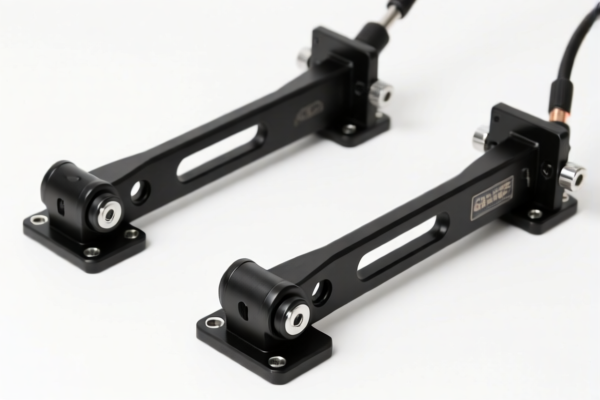
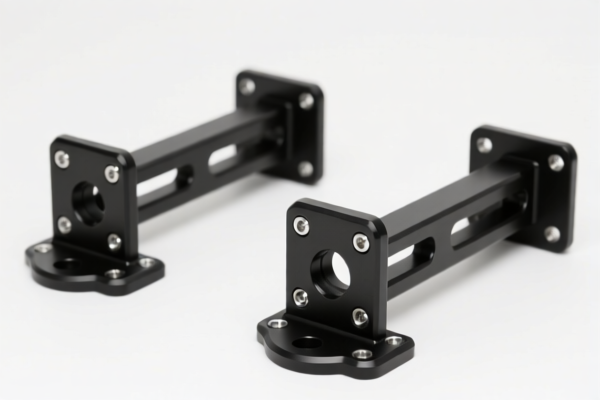
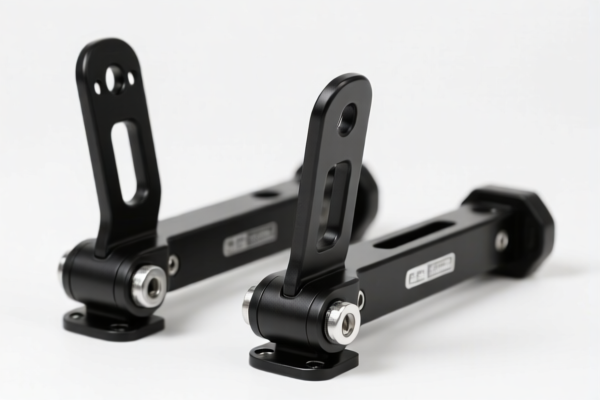
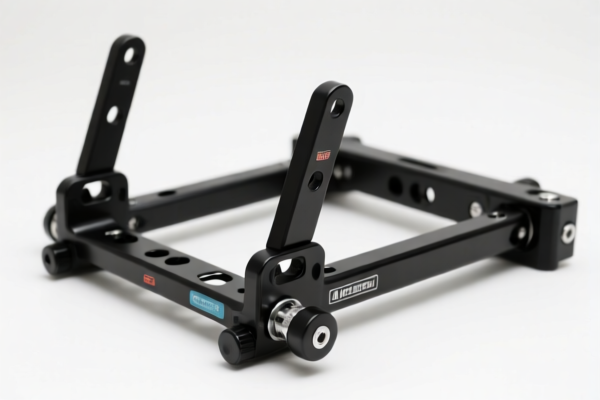
AI Analysis
📹 Network Camera Brackets: HS Code Classification & US Tariff Breakdown (2026)
🌐 HS Code Reference & Customs Clearance Guide | 2026 Latest Tariff Analysis | Professional Clearance Strategy
📌 Part I: Product Definition & Classification – What Exactly is a "Network Camera Bracket"?
A Network Camera Bracket is a structural component designed to mount, support, or secure IP cameras (surveillance, security, or industrial monitoring) to various surfaces (walls, ceilings, poles). In international trade, these items are rarely classified as "camera parts" (which often carry lower duties). Instead, they are typically classified based on their material composition (Metal vs. Plastic) and function (General Support vs. Specific Accessory).
⚠️ Critical Distinction:
- Metal Brackets (Iron/Steel): Classified under Chapter 73 (Articles of Iron or Steel). Subject to HIGH tariffs due to Section 232 (Steel/Aluminum) and Section 301.
- Plastic Brackets: Classified under Chapter 39 (Plastics). Subject to MODERATE tariffs (Section 301 only).
- Generic Parts: If the material is unclear or mixed, customs may apply a "Catch-All" classification, often resulting in higher-than-expected duties.
📦 Part II: Detailed HS Code Breakdown (2026 Official Tariff Schedule)
Based on the provided data, here are the specific HS Codes for Network Camera Brackets, categorized by material and duty rate.
| HS Code | Product Description | Material | Total Tax Rate (US Import from CN) | Key Duty Components |
|---|---|---|---|---|
| 7326.90.86.30 | Metal Bracket: Supports for pipes and tubes | Metal (Iron/Steel) | 87.9% | Base 2.9% + Sec 301 25% + Sec 232 50% + Sec 301 10% |
| 7326.90.86.88 | Steel/Iron Item: Other articles of iron or steel | Metal (Iron/Steel) | 87.9% | Base 2.9% + Sec 301 25% + Sec 232 50% + Sec 301 10% |
| 3926.90.25.00 | Plastic Bracket: Other plastic articles | Plastic | 24.0% | Base 6.5% + Sec 301 7.5% + Sec 301 10% |
| 3926.90.99.89 | Plastic Bracket: Other plastic articles, not elsewhere specified | Plastic | 22.8% | Base 5.3% + Sec 301 7.5% + Sec 301 10% |
| 8538.90.81.80 | Component/Part: Other parts/accessories | Mixed/Generic | 38.5% | Base 3.5% + Sec 301 25% + Sec 301 10% |
🔍 Why These Codes?
- Metal Brackets (7326.90.86.x): Even if the bracket is for a camera, if it is made of steel, US Customs often classifies it as a "general article of steel" rather than a "camera part" because it is not exclusive to cameras. This triggers the Section 232 Steel Tariff (50%).
- Plastic Brackets (3926.90.x): Plastic is not subject to Section 232. Therefore, the total duty is significantly lower (around 23-24%).
- Generic Part (8538.90.81.80): If the bracket is considered a "part of an electrical apparatus" (like a camera), it falls under Chapter 85. However, it still incurs Section 301 tariffs, leading to a mid-range duty.
💰 Part III: 2026 Latest Tariff Rate Details (Including Surcharges)
✅ Applicable Country: USA (US)
✅ Origin: China (CN)
✅ Effective Date: Current rates apply as of 2026.
🎯 1. High-Risk Category: Metal Brackets (HS 7326.90.86.30 / 86.88)
Total Tax Rate: 87.9%
| Item | Rate | Explanation |
|---|---|---|
| Base Duty | 2.9% | Standard MFN (Most Favored Nation) rate for steel articles. |
| Section 301 Tariff 1 | 25.0% | Additional tariff on Chinese steel/iron goods. |
| Section 232 Tariff | 50.0% | Crucial: Additional duty on imported steel products under Section 232 of the Trade Expansion Act. |
| Section 301 Tariff 2 | 10.0% | Additional duty on specific steel/aluminum/copper products (Section 301 List 4). |
| Calculation | CIF Value × 87.9% |
Extremely High! This can double or triple the cost of the product. |
| De Minimis Exemption | ❌ NO | Section 232 and 301 duties are not exempt under Section 321 (De Minimis). |
📌 Legal Path:
USITC:7326.90.86.30→IEEPA:9903.01.25(Sec 301) →USITC:Footnote 232(Sec 232) →IEEPA:9903.01.10(Sec 301 List 4).
🎯 2. Moderate-Risk Category: Plastic Brackets (HS 3926.90.25.00 / 99.89)
Total Tax Rate: ~23% (24.0% or 22.8%)
| Item | Rate | Explanation |
|---|---|---|
| Base Duty | 5.3% - 6.5% | Standard rate for plastic articles. |
| Section 301 Tariff 1 | 7.5% | Additional tariff on specific plastic goods. |
| Section 301 Tariff 2 | 10.0% | Additional tariff on other plastic articles. |
| Calculation | CIF Value × 23% |
Significant savings compared to metal. |
| De Minimis Exemption | ❌ NO | Section 301 duties apply to de minimis shipments. |
📌 Legal Path:
USITC:3926.90.25.00→IEEPA:9903.01.24(Sec 301).
🎯 3. Mid-Risk Category: Parts/Components (HS 8538.90.81.80)
Total Tax Rate: 38.5%
| Item | Rate | Explanation |
|---|---|---|
| Base Duty | 3.5% | Standard rate for parts of electrical apparatus. |
| Section 301 Tariff 1 | 25.0% | Additional tariff on Chinese electrical parts. |
| Section 301 Tariff 2 | 10.0% | Additional tariff on other parts. |
| Calculation | CIF Value × 38.5% |
Lower than metal, but higher than plastic. |
| De Minimis Exemption | ❌ NO | Section 301 duties apply. |
🛠️ Part IV: Customs Clearance Practical Advice (Avoid Pitfalls)
✅ 1. Material Declaration is Key
The difference between an 87.9% duty and a 22.8% duty is material.
- If Plastic: Ensure the commercial invoice clearly states "Plastic Material". Avoid vague terms like "Bracket" or "Support."
- If Metal: If it is steel, you must pay the 50% Section 232 tariff. There is no legal workaround for steel brackets imported from China to the US.
✅ 2. Avoid the "Catch-All" Trap (HS 8538.90.81.80)
Do not declare a metal bracket as a "Part of a Network Camera" (HS 8538) if it can be classified as a "Steel Article" (HS 7326).
- Why? If Customs audits you, they may reclassify it as Steel (7326), penalize you for misdeclaration, and charge the higher 87.9% rate + penalties.
- Strategy: If the bracket is clearly for cameras and made of plastic, use HS 3926. If it is metal, use HS 7326 but budget for the high tax. Do not force it into HS 8538 unless you are certain it is a proprietary part exclusive to the camera brand.
✅ 3. Documentation Requirements
| Document | Requirement |
|---|---|
| Commercial Invoice | Must specify Material (e.g., "ABS Plastic" or "Galvanized Steel"). Must specify Country of Origin: "Made in China". |
| Product Photos | Clear images showing the bracket type and material texture. |
| Bill of Lading | Ensure HS Codes match the invoice exactly. |
| ISF Filing (10+2) | Must include the correct HS Code 10 digits. Filing errors can lead to $5,000 penalties per shipment. |
✅ 4. Special Case: OEM vs. Generic
- Generic Brackets (sold separately): Classify by material (7326 or 3926).
- OEM Brackets (shipped with the camera): If shipped in one container, Customs may view the bracket as part of the camera system. However, the material still dictates the primary classification. If the camera is plastic and the bracket is steel, the steel portion will still attract Section 232 duties.
🌍 Part V: Global Market Comparison (2026)
| Market | Recommended HS Code | Approx. Total Duty | Notes |
|---|---|---|---|
| 🇺🇸 USA | 7326.90.86.30 (Metal)3926.90.25.00 (Plastic) |
87.9% (Metal) 24.0% (Plastic) |
Section 232 applies to steel. Section 301 applies to all Chinese goods. |
| 🇪🇺 EU | 7326.90.89 (Metal)3926.90.99 (Plastic) |
~0% - 4% | No Section 232 or 301. Standard MFN rates are low. |
| 🇨🇦 Canada | 7326.90.90 (Metal)3926.90.90 (Plastic) |
~0% | CUSMA/USMCA may allow 0% duty if originating from US/Mexico. |
| 🇬🇧 UK | 7326.90.99 (Metal)3926.90.99 (Plastic) |
~0% - 4% | Post-Brexit UK Tariffs are generally favorable for China. |
📌 Conclusion:
The US is the most expensive market for network camera brackets from China due to Section 232 and 301.
- For US Market: Prefer Plastic Brackets (HS 3926) to save ~65% in duties.
- For Metal Brackets: Consider sourcing from non-China countries (e.g., Vietnam, Mexico) to avoid Section 232/301, if possible.
📌 Part VI: Common Mistakes & Pitfalls (Blood & Tears Lessons)
❌ Mistake 1: Declaring a Steel Bracket as "Plastic"
👉 Consequence: Customs inspection reveals steel. 100% Tax Evasion Penalty + Retroactive Payment + Potential Criminal Charges.
❌ Mistake 2: Using "Camera Part" (HS 8538) for a Steel Bracket
👉 Consequence: Customs reclassifies as "Steel Article" (HS 7326). You pay the difference (87.9% - 38.5% = 49.4% more) + Penalties.
❌ Mistake 3: Ignoring Section 232 for Metal Items
👉 Consequence: The 50% Section 232 tariff is non-negotiable for steel. Do not try to avoid it.
✅ Correct Action:
"Be Transparent About Material."
If it’s plastic, say "Plastic." If it’s steel, say "Steel." Plan your pricing accordingly.
For US imports, Plastic Brackets (HS 3926) are the safest and most cost-effective option.
🎯 Part VII: Conclusion – Smart Sourcing, Smart Tariffs
🎯 Key Takeaway:
🔹 Material is Destiny: Steel = 87.9%. Plastic = 22.8%.
🔹 Section 232 is the Killer: Avoid steel imports from China to the US if possible.
🔹 Plan Ahead: If your product is metal, factor in the 87.9% duty into your pricing model. If you can switch to plastic, save 65% instantly.
📌 Pro Tip:
If you are importing large volumes, consider a Customs Bond and apply for a Tariff Classification Ruling (CBP Ruling) in advance. This provides legal certainty and protects you from retroactive penalties.
📣 Immediate Action:
📞 Consult a Customs Broker to verify the material composition of your brackets.
🚀 Optimize for Plastic if targeting the US market.
💼 Your Profit Margin Depends on Accurate HS Codes!
✨ Professional Clearance Starts with Precise Classification!
💼 Every Dollar Saved in Duties is Pure Profit!
Customer Reviews
About HS Code Classification
The Harmonized System (HS) is an internationally standardized nomenclature developed by the World Customs Organization (WCO) to classify traded products. Over 200 countries use the HS system as the basis for customs tariffs, trade statistics, and import/export regulations.
Each HS code follows a hierarchical structure:
- Chapter (2 digits) — Broad category of goods (e.g., Chapter 84: Machinery and Mechanical Appliances)
- Heading (4 digits) — More specific grouping within the chapter
- Subheading (6 digits) — Internationally standardized breakdown, used by all WCO member countries
- National subdivisions (8-10 digits) — Country-specific extensions for further classification, such as US HTSUS 10-digit codes
Correct HS code classification is essential for smooth customs clearance, accurate duty payment, and compliance with trade regulations. Misclassification can lead to customs delays, overpayment of duties, or penalties.
When importing from CN to US, the applicable tariff rates may include:
- Most-Favored-Nation (MFN) rate — The standard duty rate applied to WTO members
- General rate — Applied to countries without trade agreements
- Trade remedy duties — Additional tariffs such as Section 301 (anti-dumping), Section 232 (national security), or countervailing duties
The information provided on this page is for reference purposes only. For official classification, please consult with your local customs authority or a licensed customs broker.