Network Output Unit
CN → US| HS Code | Tariff Rate | Origin | Destination | Doc |
|---|---|---|---|---|
| 8543706000 | 35.0% | CN | US | Official Doc |
| 8471609050 | 35.0% | CN | US | Official Doc |
| 8517620090 | 35.0% | CN | US | Official Doc |
| 8543709860 | 37.6% | CN | US | Official Doc |
| 8471601050 | 35.0% | CN | US | Official Doc |
| 8517690000 | 35.0% | CN | US | Official Doc |
Product Images
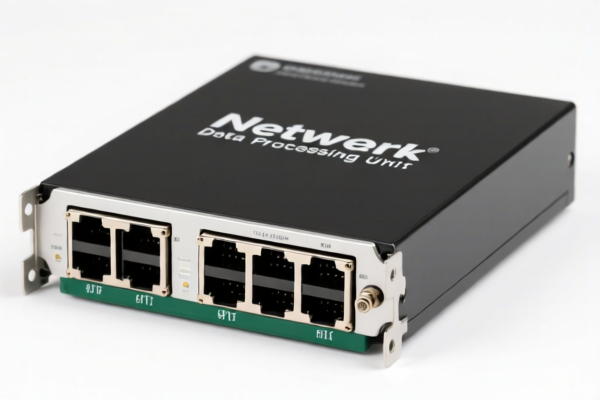
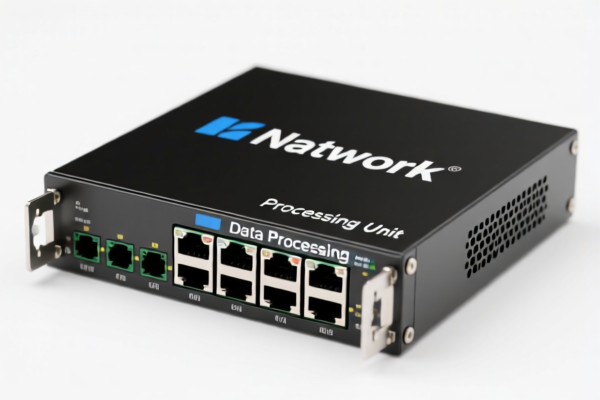
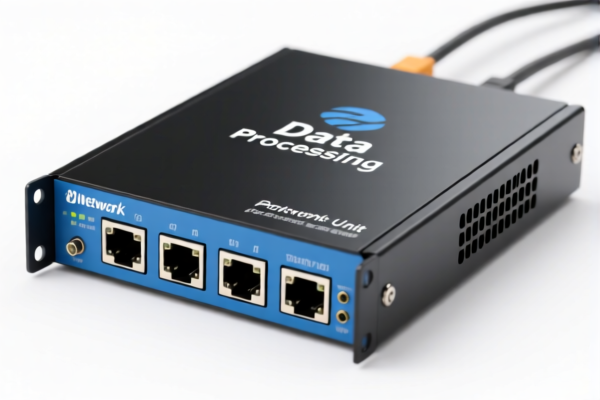
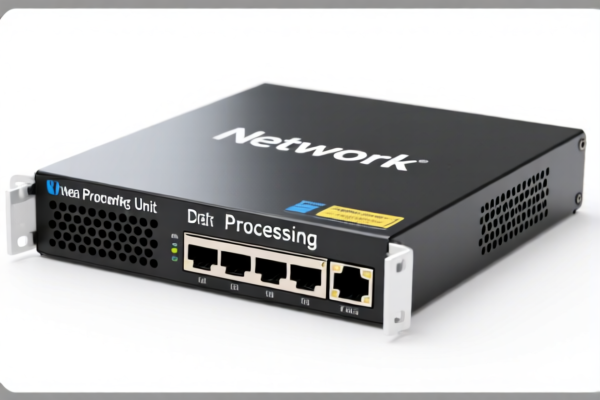
AI Analysis
🌐 Network Output Unit: HS Code Classification & US Customs Clearance Guide (2026)
🚀 HS Code Reference & Customs Clearance Strategy | Latest Tariff Analysis 2026
📌 I. Product Definition & Core Classification: What is a "Network Output Unit"?
A "Network Output Unit" is a generic term often referring to hardware devices that receive, convert, or transmit data from a network interface to an end-user or another system. In international trade, this item is highly ambiguous. It does not have a single fixed HS Code but depends heavily on its specific function, internal circuitry, and integration level.
Based on the 2026 US Tariff Schedule and provided data, this product can fall into three primary categories: 1. Electrical Machines/Devices (Ch. 85): If it performs signal processing, conversion, or specific electrical functions without being a standard computer peripheral. 2. Automatic Data Processing (ADP) Output Parts (Ch. 84/85): If it is a specific input/output component of a larger computer system. 3. Telecommunications/Network Transmission Equipment (Ch. 85): If it is primarily a network interface card, converter, or transmission device.
⚠️ Critical Distinction Point:
- Is it a standalone network converter (e.g., media converter, protocol converter)? → Likely 8543 or 8517.
- Is it a peripheral for a PC (e.g., a specialized output module)? → Likely 8471.
- Does it have unique electronic circuitry not fitting standard telecom/computer definitions? → Likely 8543 (Other machines).
📦 II. HS Code Classification Details (2026 Latest Tariff Reference)
Based on the provided data, here are the 6 specific HS Codes identified for "Network Output Unit" classification, along with their matching logic and tax implications.
| HS Code | Product Description / Matching Logic | Total Tax Rate | Tax Detail Breakdown |
|---|---|---|---|
| 8543.70.60.00 | Matching Logic: The term "Network" aligns with the utility requirements of "Telegram or Telephone Network" devices. "Output Unit" is a specific machine/device, fitting "Other machines and apparatus." No material/form conflict exists. | 35.0% | Base: 0.0% Section 301: 25.0% IEEPA (122): 10.0% |
| 8471.60.90.50 | Matching Logic: Classified as an output component of Automatic Data Processing (ADP) machines. Fits the definition of "Input or Output Units (Other)." No material conflict. | 35.0% | Base: 0.0% Section 301: 25.0% IEEPA (122): 10.0% |
| 8517.62.00.90 | Matching Logic: Function is data transmission/conversion. Fits "Reception, conversion and transmission of voice, images or other data." Categorized under "Other" with no obvious material conflict. | 35.0% | Base: 0.0% Section 301: 25.0% IEEPA (122): 10.0% |
| 8543.70.98.60 | Matching Logic: Electronic circuit device/apparatus. Fits "Other machines and apparatus" under 8543.70.98.60 (Catch-all). No conflict in material/form. | 37.6% | Base: 2.6% Section 301: 25.0% IEEPA (122): 10.0% |
| 8471.60.10.50 | Matching Logic: Use case is Input/Output unit. Fits "Combined Input/Output Units (excluding CRT)." Classified as a catch-all category with no material/form conflict. | 35.0% | Base: 0.0% Section 301: 25.0% IEEPA (122): 10.0% |
| 8517.69.00.00 | Matching Logic: "Network" matches "Wired or Wireless Network" utility. "Output Unit" is a component of data transmission equipment. Fits "Other equipment for data transmission" as a catch-all. | 35.0% | Base: 0.0% Section 301: 25.0% IEEPA (122): 10.0% |
🔍 Key Insight:
- Five (5) of the six possible classifications result in a 35.0% total tariff rate. - One (1) classification (8543.70.98.60) results in a 37.6% rate due to a 2.6% base tariff. - Common Tax Structure: All listed codes include a 25% Section 301 Tariff and a 10% IEEPA (122 Clause) Tariff. - Base Tariff: Most are 0%, except for 8543.70.98.60 (2.6%).
💰 III. 2026 Latest Tariff Rate Breakdown (Detailed Policy Analysis)
✅ Applicable Country: United States (US)
✅ Origin: China (CN)
✅ Effective Time: Post-November 2025 (Including subsequent imports)
🎯 1. The Dominant 35% Tax Bracket (Codes: 8543.70.60.00, 8471.60.90.50, 8517.62.00.90, 8471.60.10.50, 8517.69.00.00)
| Item | Content |
|---|---|
| Base Duty Rate | 0% (ad valorem) |
| Section 301 Duty (USITC) | +25.0% (Under US Trade Law Section 301) |
| IEEPA Duty (122 Clause) | +10.0% (Targeting Chinese/HK products, effective Nov 10, 2025) |
| Total Effective Rate | 35.0% |
| Tax Calculation | CIF Value × 35% |
| De Minimis Exemption | ❌ NOT Eligible (deny_de_minimis) |
| Legal Pathway | USITC:8xxxx.xx.xx.xx → FOOTNOTE:301 → IEEPA:9903.01.24/25 |
📌 Explanation:
- The 25% Section 301 tariff is applied to a wide range of Chinese electronics and telecommunications equipment. - The 10% IEEPA tariff is an additional layer specifically targeting Chinese goods, effective from late 2025. - Total 35%: This is a high tariff bracket. Importers must factor this into their landed cost calculation immediately.
🎯 2. The Higher 37.6% Tax Bracket (Code: 8543.70.98.60)
| Item | Content |
|---|---|
| Base Duty Rate | 2.6% |
| Section 301 Duty (USITC) | +25.0% |
| IEEPA Duty (122 Clause) | +10.0% |
| Total Effective Rate | 37.6% |
| Tax Calculation | CIF Value × 37.6% |
| De Minimis Exemption | ❌ NOT Eligible (deny_de_minimis) |
📌 Note:
- Even though it falls under the same "Other machines" category (8543), the specific subheading 98.60 carries a small base duty, leading to a higher total rate. - It is crucial to distinguish between 8543.70.60.00 (35%) and 8543.70.98.60 (37.6%) based on precise product specifications to avoid overpaying or misclassification penalties.
🛠️ IV. Customs Clearance Practical Advice (Pitfall Avoidance Guide)
✅ 1. Documentation Checklist (Non-Negotiable)
| Document | Required | Explanation |
|---|---|---|
| ✅ Product Specification Sheet | ✔️ | Must detail: Input/Output protocols, data types, voltage, power consumption, and internal circuit type. |
| ✅ Block Diagram / Schematic | ✔️ | Essential to prove whether it is a simple pass-through, a converter, or part of an ADP system. |
| ✅ Product Photos (with Nameplate) | ✔️ | Must show model number, brand, and clearly visible ports/interfaces. |
| ✅ Commercial Invoice | ✔️ | Description must be precise. Avoid vague terms like "Output Unit." Use "Network Data Converter" or "ADP Output Component." |
| ✅ Bill of Lading / Air Waybill | ✔️ | Ensure consistent description across all shipping documents. |
| ✅ Country of Origin Certificate | ✔️ | Critical for determining Section 301 and IEEPA applicability. |
| ✅ FCC Certification | ✔️ | Most electronic "Network" devices require FCC ID for US import. |
✅ 2. Declaration Strategy (Key Tips)
🔥 "Define Function, Specify Form, Match Tax, Avoid Penalty!"
| Scenario | Correct Declaration | Incorrect Practice |
|---|---|---|
| Data Converter/Protocol Changer | Use 8517.62.00.90 or 8517.69.00.00. Highlight "Transmission/Conversion" function. | Labeling as "Computer Part" → Risk of incorrect 8471 classification. |
| Standalone Electronic Apparatus | Use 8543.70.60.00 (preferred) or 8543.70.98.60. Highlight "Specific Function/Electronic Circuit." | Vague "Output Unit" → Risk of audit for lack of specific purpose. |
| ADP Peripheral | Use 8471.60.90.50 or 8471.60.10.50. Must be explicitly for a computer/mainframe. | Labeling as "Network Equipment" when it's a PC peripheral → Misclassification. |
| Kit/Assembly | Declare as Complete Unit. | Splitting into "Cables + Box" → Each component may attract higher rates or penalties. |
✅ 3. Special Situations
| Situation | Handling Advice |
|---|---|
| OEM Custom Network Units | Provide client POs and technical drawings to prove specific intended use (e.g., specific industrial network protocol). |
| Multi-Function Devices | If it combines printing, scanning, and network output, consult a customs broker. It may fall under different headings (e.g., 8443 for printers). |
| Samples vs. Commercial | Both are subject to the 35%-37.6% tariff. De Minimis (Section 321) does not apply to these electronic goods from China. |
| Re-export from Third Country | If assembled in Vietnam/Mexico, ensure Substantial Transformation occurs to change origin. Otherwise, US Customs may still apply China tariffs if origin is traced back. |
🌍 V. Global Market Comparison (2026 Snapshot)
| Region | Recommended HS Code Range | Approx. Total Tax (China Origin) | Certification | Notes |
|---|---|---|---|---|
| 🇺🇸 USA | 8543 / 8471 / 8517 | 35% - 37.6% | FCC, UL | High Tariff. Strict enforcement on Section 301 & IEEPA. |
| 🇨🇳 China | 8543 / 8471 / 8517 | ~5% - 8% (Import Duty) | CCC | No Section 301. Lower entry barrier for domestic sales. |
| 🇪🇺 EU | 8543 / 8471 / 8517 | 0% - 4% (Most Favored Nation) | CE, RoHS, REACH | No punitive trade tariffs. CE mark is critical. |
| 🇬🇧 UK | 8543 / 8471 / 8517 | 0% - 4% | UKCA | Post-Brexit standards. Generally favorable trade terms. |
📌 Conclusion:
- The USA is the most expensive market for "Network Output Units" from China due to the 35%+ combined tariff. - EU and UK offer significantly lower tariff burdens (0-4%), but require strict CE/UKCA compliance. - Strategic Advice: If shipping to the US, consider supplemental assembly or software-only updates post-import if possible, or carefully structure the Bill of Lading to ensure accurate HS Code application (35% vs 37.6%).
📌 VI. Common Errors & Pitfalls (Lessons Learned)
❌ Error 1: Vague Declaration "Output Unit"
👉 Consequence: Customs may reclassify to a higher-duty catch-all or demand additional info, causing delays and storage fees.
❌ Error 2: Misclassifying as "Part of Computer" (8471) when it's a Standalone Converter
👉 Consequence: While tax rate is similar (35%), regulatory requirements (FCC vs. NIST) differ. Misclassification can lead to detention for compliance checks.
❌ Error 3: Ignoring the IEEPA 10% Surcharge
👉 Consequence: Calculating tax as only 25% (Section 301) when it is actually 35%. Results in underpayment and penalties.
❌ Error 4: Assuming De Minimis Applies
👉 Consequence: Small shipments (<$800) are NOT exempt for these electronic categories from China. Expect full duty assessment.
✅ Correct Approach:
"Network Data Converter, Model XYZ, Protocol: TCP/IP to Serial, FCC ID: ABC123, Origin: China"
This precision allows for accurate classification under 8517.62.00.90 or 8543.70.60.00, ensuring compliance and predictable costs.
🎯 VII. Conclusion: Precision in Classification Saves Money
🎯 Key Takeaways:
🔹 Tax Range: 35.0% to 37.6% for China-origin "Network Output Units" in the US. 🔹 Major Drivers: 25% Section 301 + 10% IEEPA. 🔹 Critical Action: Provide technical schematics to distinguish between 8543 (Machines), 8471 (ADP Parts), and 8517 (Telecom). 🔹 Avoid Ambiguity: Never use generic terms like "Output Unit" in commercial invoices.
📞 Immediate Action Required:
- Consult a Licensed Customs Broker with your product schematics.
- Apply for an Advance Ruling if shipping high volumes to lock in the HS Code.
- Update Landed Cost Models to reflect the 35%-37.6% duty burden.
✨ Professional Clearance Starts with Accurate Classification!
💼 Every percentage point of tariff matters. Protect your margin with precision.
Customer Reviews
About HS Code Classification
The Harmonized System (HS) is an internationally standardized nomenclature developed by the World Customs Organization (WCO) to classify traded products. Over 200 countries use the HS system as the basis for customs tariffs, trade statistics, and import/export regulations.
Each HS code follows a hierarchical structure:
- Chapter (2 digits) — Broad category of goods (e.g., Chapter 84: Machinery and Mechanical Appliances)
- Heading (4 digits) — More specific grouping within the chapter
- Subheading (6 digits) — Internationally standardized breakdown, used by all WCO member countries
- National subdivisions (8-10 digits) — Country-specific extensions for further classification, such as US HTSUS 10-digit codes
Correct HS code classification is essential for smooth customs clearance, accurate duty payment, and compliance with trade regulations. Misclassification can lead to customs delays, overpayment of duties, or penalties.
When importing from CN to US, the applicable tariff rates may include:
- Most-Favored-Nation (MFN) rate — The standard duty rate applied to WTO members
- General rate — Applied to countries without trade agreements
- Trade remedy duties — Additional tariffs such as Section 301 (anti-dumping), Section 232 (national security), or countervailing duties
The information provided on this page is for reference purposes only. For official classification, please consult with your local customs authority or a licensed customs broker.