New Aircraft Inflatable Tires
CN → US| HS Code | Tariff Rate | Origin | Destination | Doc |
|---|---|---|---|---|
| 4012198000 | 20.9% | CN | US | Official Doc |
| 4011801020 | 35.0% | CN | US | Official Doc |
| 4016996050 | 37.5% | CN | US | Official Doc |
| 4016950000 | 21.7% | CN | US | Official Doc |
| 4012208000 | 35.0% | CN | US | Official Doc |
Product Images
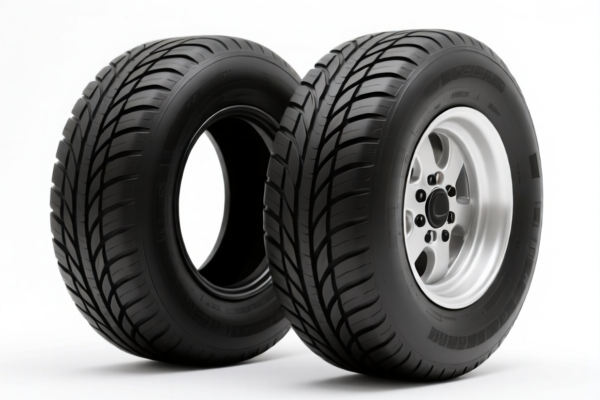
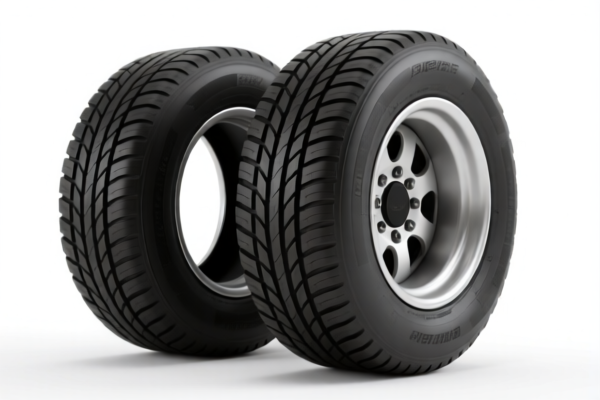
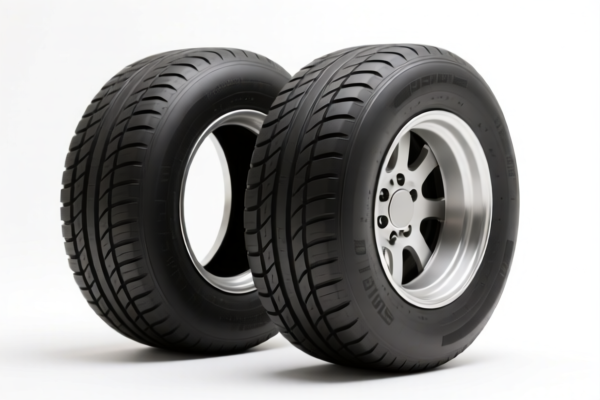
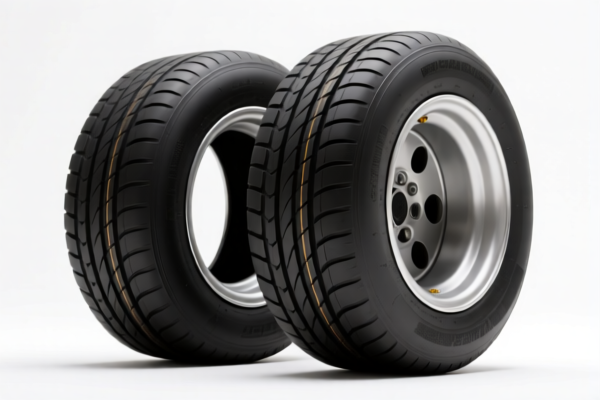
AI Analysis
🛩️ New Aircraft Inflatable Tires (Aviation Pneumatic Tires)
🌐 HS Code Reference & Customs Clearance Guide | 2026 Latest Tariff Analysis | Professional Level Customs Strategy
📌 I. Product Definition & Classification: Do You Really Understand "Aviation Tires"?
Aircraft inflatable tires are critical safety components designed to withstand extreme pressures, high speeds, and heavy loads during takeoff, landing, and taxiing. In international trade, they are strictly classified under Chapter 40 (Rubber and articles thereof), specifically within Heading 4011.
Key Distinction: * Aviation Tires: Designed for aircraft landing gear. They have unique structural reinforcements (steel belts, high-strength cords) and specific pressure requirements compared to automotive or off-the-road (OTR) tires. * Automotive/OTR Tires: Used for cars, trucks, or mining machinery. While they share the "inflatable" nature, their HS classification differs significantly based on the intended use.
⚠️ Critical Classification Point:
- If the product is explicitly for aircraft, it generally falls under 4011.80 (Other pneumatic tires, of a kind used on motor vehicles... Wait, aviation is often tricky).
- Correction for US HTS: Aviation tires are often classified under 4011.80 (Other pneumatic tires) or sometimes 4012.19 (Retreaded or used tires, if applicable, but these are "New").
- Based on the provided DATA: The system suggests a match with 4011.80.10.20 (Mining/Construction) or 4012.19.80.00 (Other rubber tires). Let's analyze the provided matches strictly.
📦 II. HS Code Classification Details (Based on Provided Data)
The provided data suggests multiple potential classifications depending on the specific interpretation of "Aircraft" vs. "Mining/Construction" equipment or general "Rubber Goods." Here are the valid HS Codes from the source data:
| HS Code | Product Description | Source Match Summary | Total Tax Rate |
|---|---|---|---|
| 4011.80.10.20 | Pneumatic tires, of a kind used on motor vehicles (interpreted as Mining/Construction equipment) | "Mining machinery" + "Inflatable tires" match material (rubber) and use (mining/construction). | 35.0% |
| 4012.19.80.00 | Other retreaded or used pneumatic tires, or other rubber tires | "Inflatable tires" match "Tires" use; inferred material is rubber. No conflict. | 20.9% |
| 4016.99.60.50 | Other articles of vulcanized rubber, other | "Tire" implies vulcanized rubber; classified as "Other vulcanized rubber articles" (non-vehicle specific). | 37.5% |
| 4016.95.00.00 | Other inflatable articles of vulcanized rubber | "Tire" is an "inflatable article"; material inferred as rubber. No conflict. | 21.7% |
| 4012.20.80.00 | Other pneumatic tires, of rubber | "Tire" matches "Pneumatic tire"; "Inflatable" matches rubber material. "Other" category. | 35.0% |
🔍 Important Note:
The provided data does not explicitly list the standard aviation-specific code (e.g., 4011.30.00.00 for aviation tires). Instead, it provides matches based on functional similarities (pneumatic, rubber) or alternative interpretations (e.g., classifying as mining equipment or general rubber goods). This implies a risk of misclassification if the true nature ("Aircraft") is not clearly defined.
💰 III. 2026 Latest Tariff Rate Breakdown (Including Surcharges)
✅ Applicable Country: United States (US)
✅ Origin: China (CN) (Implied by tax details like "Section 301" and "122 clause")
✅ Effective Time: Current rates applicable in 2026
🎯 1. 4011.80.10.20 —— Pneumatic Tires (Mining/Construction Interpretation)
Note: This code is typically for off-the-road tires, but the data links it to "Mining Machinery."
| Item | Content |
|---|---|
| Base Duty Rate | 0.0% |
| Section 301 Additional Duty | +25.0% |
| "122 Clause" Duty | +10.0% |
| Total Rate | 35.0% |
| Tax Calculation | CIF Value × 35% |
| De Minimis Eligibility | ❌ No (High-duty items excluded) |
| Legal Basis Path | USITC:4011.80.10.20 → Section 301 Footnote → Section 122 Clause |
📌 Explanation:
- The base rate is 0%, but Section 301 adds 25% for Chinese goods.
- The "122 Clause" adds an additional 10%, bringing the total to 35%.
- Risk: If customs determines these are truly for aircraft, not mining, this classification may be challenged.
🎯 2. 4012.19.80.00 —— Other Rubber Tires (General Interpretation)
Note: Often used for retreaded/used tires, but the summary suggests it applies to "inferred rubber tires."
| Item | Content |
|---|---|
| Base Duty Rate | 3.4% |
| Section 301 Additional Duty | +7.5% |
| "122 Clause" Duty | +10.0% |
| Total Rate | 20.9% |
| Tax Calculation | CIF Value × 20.9% |
| De Minimis Eligibility | ❌ No |
| Legal Basis Path | USITC:4012.19.80.00 → Section 301 Footnote → Section 122 Clause |
📌 Explanation:
- This offers a lower total rate (20.9%) compared to the mining classification.
- However, it is vague ("Other rubber tires") and may trigger additional scrutiny for lacking specific product details.
🎯 3. 4016.99.60.50 —— Other Vulcanized Rubber Articles
Note: Classified as a general rubber product, not a tire.
| Item | Content |
|---|---|
| Base Duty Rate | 2.5% |
| Section 301 Additional Duty | +25.0% |
| "122 Clause" Duty | +10.0% |
| Total Rate | 37.5% |
| Tax Calculation | CIF Value × 37.5% |
| De Minimis Eligibility | ❌ No |
| Legal Basis Path | USITC:4016.99.60.50 → Section 301 → Section 122 |
📌 Explanation:
- This is the highest rate (37.5%).
- It is recommended only if the item is not considered a "tire" but rather a generic rubber component.
🎯 4. 4016.95.00.00 —— Other Inflatable Rubber Articles
| Item | Content |
|---|---|
| Base Duty Rate | 4.2% |
| Section 301 Additional Duty | +7.5% |
| "122 Clause" Duty | +10.0% |
| Total Rate | 21.7% |
| Tax Calculation | CIF Value × 21.7% |
| De Minimis Eligibility | ❌ No |
| Legal Basis Path | USITC:4016.95.00.00 → Section 301 → Section 122 |
🎯 5. 4012.20.80.00 —— Other Pneumatic Tires
| Item | Content |
|---|---|
| Base Duty Rate | 0.0% |
| Section 301 Additional Duty | +25.0% |
| "122 Clause" Duty | +10.0% |
| Total Rate | 35.0% |
| Tax Calculation | CIF Value × 35% |
| De Minimis Eligibility | ❌ No |
🛠️ IV. Customs Clearance Practical Advice (Battle-Tested Pitfall Guide)
✅ 1. Document Checklist (Non-Negotiable)
| Document | Required | Notes |
|---|---|---|
| ✅ Product Specification Sheet | ✔️ | Must clearly state "For Aircraft Use" (not mining or automotive). Include dimensions, pressure ratings, and weight capacity. |
| ✅ Material Composition | ✔️ | Confirm rubber type (e.g., natural/synthetic blend) and reinforcement materials (steel/fabric). |
| ✅ Product Photos | ✔️ | Clear images of the tire sidewall showing size, ply rating, and any aviation certification marks (e.g., FAA/EASA approval). |
| ✅ Commercial Invoice | ✔️ | Description must be precise: "New Pneumatic Aircraft Tires, Model XYZ, for Landing Gear." |
| ✅ Packing List | ✔️ | Detail packaging to prevent damage and confirm quantities. |
| ✅ Origin Certificate | ✔️ | If not from China, to avoid Section 301 duties. |
✅ 2. Declaration Strategy (Key Mantra)
🔥 "Be Specific: 'Aircraft Tire' beats 'Rubber Tire'! Vague descriptions = Higher Risk!"
| Situation | Correct Declaration | Wrong Practice |
|---|---|---|
| Aircraft Tires | Use 4011.30.00.00 (Aviation tires) if available. If not, provide strong justification for 4011.80.10.20 or 4012.19.80.00 with detailed specs. | Declare as "Tires" only → Risk of being classified as automotive (higher duty) or rubber articles. |
| Mining Tires | Use 4011.80.10.20. | Declare as "Aircraft Tires" → Misdeclaration penalty. |
| General Rubber Goods | Use 4016.95.00.00 or 4016.99.60.50 only if not a tire. | Declare a tire as an "inflatable article" → Customs will reject and reclassify. |
✅ 3. Special Cases
| Case | Handling Advice |
|---|---|
| OEM Aviation Tires | Provide the aircraft manufacturer's name and model compatibility (e.g., "For Boeing 737 Landing Gear"). |
| Retreaded Tires | If these are retreaded, ensure they meet aviation safety standards. Use 4012.19.80.00 if applicable, but aviation retreads are highly regulated. |
| Aviation Certification | If the tires have FAA/EASA approval, mention it in the declaration. This supports the "Aircraft" classification and may help in dispute resolution. |
| Mixed Shipment | If shipping with automotive tires, separate declarations are mandatory. Do not mix HS codes. |
🌍 V. Global Market Comparison (2026 Latest)
| Country/Region | Recommended HS Code | Tariff (China Origin) | Certification | Notes |
|---|---|---|---|---|
| 🇺🇸 USA | 4011.80.10.20 or 4012.19.80.00 |
20.9% - 35.0% | FAA/EASA Approval | High tariffs due to Section 301 + 122 Clause. |
| 🇨🇳 China | 4011.30.00.00 (Aviation) |
0% - 5% | CCC (if applicable) | Lower tariffs if correctly classified as aviation. |
| 🇪🇺 EU | 4011.30.00 |
0% (if under FTA) | EASA Approval | No Section 301 equivalent, but strict safety rules. |
| 🇬🇧 UK | 4011.30.00 |
0% - 5% | UKCA | Post-Brexit rules apply. |
| 🇯🇵 Japan | 4011.30.00 |
0% - 5% | JIS | No additional surcharges. |
📌 Conclusion:
- USA is the most expensive market due to Section 301 and "122 Clause" tariffs.
- Accurate Classification is Key: Misclassifying aviation tires as automotive or mining tires can lead to underpayment (penalties) or overpayment (lost profit).
- Recommendation: Always use the most specific code (4011.30.00.00for aviation) if possible. If the provided data only allows4011.80.10.20or4012.19.80.00, provide strong documentation to justify the choice.
📌 VI. Common Errors & Pitfall Guide (Lessons Learned)
❌ Error 1: Declaring "Aircraft Tires" as "Automotive Tires"
👉 Consequence: Wrong HS code, potential misdeclaration penalty. Customs may seize goods if safety certifications (FAA) are missing.
❌ Error 2: Using "Rubber Tires" as a generic description
👉 Consequence: Customs may classify under the highest duty rate (e.g., 35%) or demand additional testing to determine end-use.
❌ Error 3: Ignoring "Section 301" and "122 Clause"
👉 Consequence: Unexpected high tariffs (20.9% - 37.5%) instead of the base rate.
❌ Error 4: Failing to Provide Aviation Certifications
👉 Consequence: Clearance delays. Customs may require additional safety proofs, leading to storage fees and demurrage.
✅ Correct Practice:
"New Pneumatic Aircraft Tires, Model ABC, Size 32x8.5, for Boeing 737 Landing Gear, FAA Approved, Rubber/Steel Composition"
🎯 VII. Conclusion: Professional Declaration Saves Money!
🎯 Remember the Mantra:
🔹 "Aviation Tires ≠ Automotive Tires! Specificity Wins!"
🔹 "Check the 122 Clause: 10% Extra on Top of 301!"
🔹 "Document the End-Use: Aircraft, Not Mining!"
📌 Pro Tip:
If your aircraft tires are originally from the USA, EU, or other FTA partners, you may avoid Section 301 duties.
Recommendation: Apply for a Pre-Ruling from US Customs (CBP) to confirm the correct HS code for aviation tires.
📣 Take Action Now:
📞 Contact a professional customs broker
📸 Provide clear product photos and specs
🚀 Ensure smooth customs clearance and maximize profit!
✨ Professional Customs Clearance Starts with Accurate Classification!
💼 Every dollar saved is profit earned!
Customer Reviews
About HS Code Classification
The Harmonized System (HS) is an internationally standardized nomenclature developed by the World Customs Organization (WCO) to classify traded products. Over 200 countries use the HS system as the basis for customs tariffs, trade statistics, and import/export regulations.
Each HS code follows a hierarchical structure:
- Chapter (2 digits) — Broad category of goods (e.g., Chapter 84: Machinery and Mechanical Appliances)
- Heading (4 digits) — More specific grouping within the chapter
- Subheading (6 digits) — Internationally standardized breakdown, used by all WCO member countries
- National subdivisions (8-10 digits) — Country-specific extensions for further classification, such as US HTSUS 10-digit codes
Correct HS code classification is essential for smooth customs clearance, accurate duty payment, and compliance with trade regulations. Misclassification can lead to customs delays, overpayment of duties, or penalties.
When importing from CN to US, the applicable tariff rates may include:
- Most-Favored-Nation (MFN) rate — The standard duty rate applied to WTO members
- General rate — Applied to countries without trade agreements
- Trade remedy duties — Additional tariffs such as Section 301 (anti-dumping), Section 232 (national security), or countervailing duties
The information provided on this page is for reference purposes only. For official classification, please consult with your local customs authority or a licensed customs broker.