New Bus Inflatable Tire
CN → US| HS Code | Tariff Rate | Origin | Destination | Doc |
|---|---|---|---|---|
| 4012206000 | 35.0% | CN | US | Official Doc |
| 4011205020 | 38.4% | CN | US | Official Doc |
| 4012208000 | 35.0% | CN | US | Official Doc |
| 4011201015 | 39.0% | CN | US | Official Doc |
| 4016996010 | 37.5% | CN | US | Official Doc |
Product Images
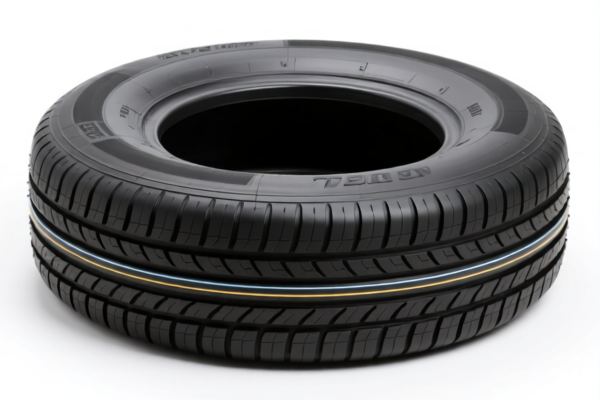
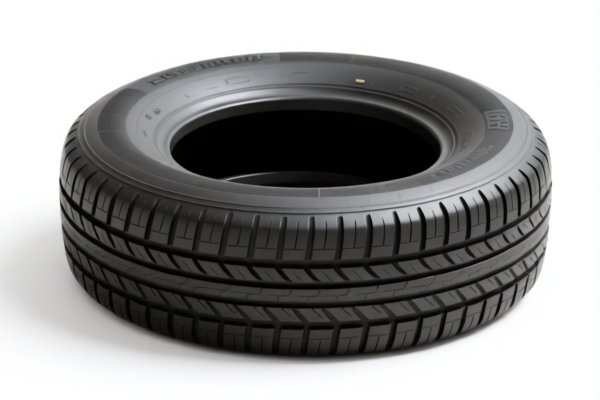
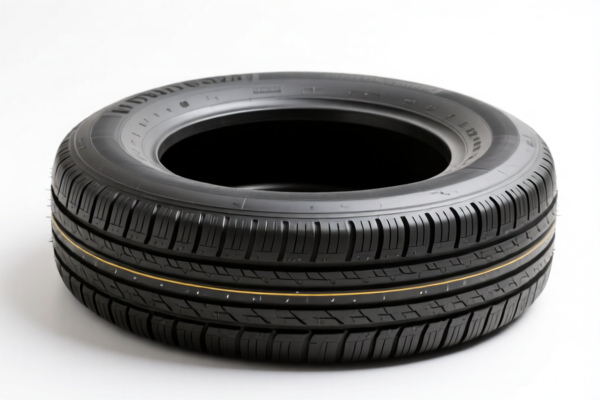
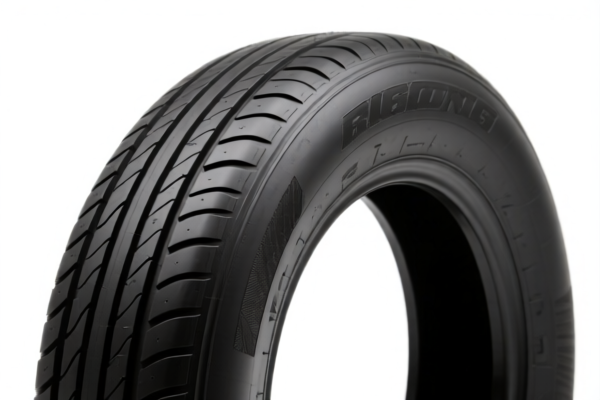
AI Analysis
🚛 New Bus Inflatable Tire (Heavy-Duty Rubber Tires)
🌐 HS Code Reference & Customs Clearance Guide | 2026 Latest Tariff Analysis | Professional Clearance Strategy
📌 I. Product Definition & Classification: Do You Know Your "Tire"?
New Bus Inflatable Tires are high-performance rubber products designed for heavy-load commercial vehicles, specifically buses. In international trade, these are strictly classified under Chapter 40 (Rubber and Articles Thereof), specifically Heading 4011 (New Pneumatic Tires) or 4012 (Used/Retreaded Tires).
Critical Distinction: * New Pneumatic Tires: Freshly manufactured, unused rubber tires intended for immediate installation on buses. These fall under Heading 4011. * Used Pneumatic Tires: Tires that have been previously used. These fall under Heading 4012 and are subject to strict import restrictions or bans in many jurisdictions.
⚠️ Key Classification Point:
- If the tire is brand new and intended for a bus → It is classified under 4011.20.
- If the tire is used (even if "like new") → It is classified under 4012.20.
- Misclassifying a new tire as "used" or vice versa leads to severe penalties, seizure, or return.
📦 II. HS Code Classification Details (2026 Latest Tariff Authority Cross-Reference)
Based on the provided data, here are the applicable HS Codes for New Bus Inflatable Tires, ranked by classification logic and tax impact.
| HS Code | Product Description | Matching Logic | Total Tax Rate |
|---|---|---|---|
| 4011.20.50.20 | New pneumatic tires, of a kind used on buses or vans | Direct match: Material (Rubber/Inflatable) + Application (Bus). Primary Classification for New Buses. | 38.4% |
| 4011.20.10.15 | Other new pneumatic tires, of a kind used on buses or vans | General category for new bus tires not specified in subheadings. | 39.0% |
| 4012.20.60.00 | Used pneumatic tires, of a kind used on buses or vans | ⚠️ Warning: Only applies if the tire is USED. Logic: Material (Rubber) + Form (Used) + Use (Bus). | 35.0% |
| 4012.20.80.00 | Used pneumatic tires, of a kind used on buses or vans | ⚠️ Warning: Alternative code for USED pneumatic tires. | 35.0% |
| 4016.99.60.10 | Other rubber articles (Parts/Accessories) | ❌ Incorrect: Only applies if the item is a tire part/accessory (e.g., valve stem, patch) made of vulcanized rubber, not the tire itself. | 37.5% |
🔍 Key Insight:
- For NEW bus tires, 4011.20.50.20 is the most precise and commonly accepted code, with a total tax of 38.4%.
- Codes 4012.20.60.00 and 4012.20.80.00 are for USED tires. Do not use these for new tires unless you are intentionally misdeclaring goods (high risk).
- 4016.99.60.10 is a fallback for parts, not the tire itself. Using this for a whole tire is a classification error.
💰 III. 2026 Latest Tariff Rate Breakdown (Including Surcharges & Policy Add-ons)
✅ Applicable Country: United States (US)
✅ Origin: China (CN)
✅ Effective Date: November 10, 2025 (and subsequent imports)
🎯 1. 4011.20.50.20 —— New Pneumatic Tires for Buses
| Item | Content |
|---|---|
| Base Duty Rate | 3.4% (ad valorem) |
| Section 301 Surcharge | +25.0% (USITC Footnote 9903.40.12) |
| IEEPA Surcharge | +10.0% (For China/Hong Kong origin, effective Nov 10, 2025) |
| Total Effective Rate | 38.4% |
| Tax Calculation | CIF Value × 38.4% |
| De Minimis Eligibility | ❌ No (deny_de_minimis) |
| Legal Basis Path | USITC:4011.20.50.20 → USITC:9903.40.12 → IEEPA:9903.01.24 |
📌 Explanation:
- Base 3.4%: Standard Most Favored Nation (MFN) rate for new bus tires.
- +25% Section 301: Tariffs on Chinese goods under Trade Act of 1974.
- +10% IEEPA: Additional tariff under International Emergency Economic Powers Act targeting specific Chinese imports.
- Total 38.4%: This is a high-cost category. Profit margins must account for this significant duty burden.
🎯 2. 4011.20.10.15 —— Other New Pneumatic Tires for Buses
| Item | Content |
|---|---|
| Base Duty Rate | 4.0% |
| Section 301 Surcharge | +25.0% |
| IEEPA Surcharge | +10.0% |
| Total Effective Rate | 39.0% |
| Tax Calculation | CIF Value × 39.0% |
| De Minimis Eligibility | ❌ No |
| Legal Basis Path | USITC:4011.20.10.15 → USITC:9903.40.12 → IEEPA:9903.01.24 |
📌 Note:
- Slightly higher base rate (4.0% vs 3.4%) results in a 0.6% higher total tax.
- Use this code only if4011.20.50.20is not technically applicable due to specific tire specifications (e.g., size, load index).
🎯 3. 4012.20.60.00 / 4012.20.80.00 —— Used Pneumatic Tires
| Item | Content |
|---|---|
| Base Duty Rate | 0.0% |
| Section 301 Surcharge | +25.0% |
| IEEPA Surcharge | +10.0% |
| Total Effective Rate | 35.0% |
| Tax Calculation | CIF Value × 35.0% |
| De Minimis Eligibility | ❌ No |
| Legal Basis Path | USITC:4012.20.60.00 → USITC:9903.40.12 → IEEPA:9903.01.24 |
📌 Critical Warning:
- Used tires have a lower base rate (0%) but identical surcharges (25% + 10%).
- Import Restriction: Many US states and local jurisdictions ban the import of used tires due to public health and environmental concerns (e.g., mosquito breeding, fire hazards).
- Verification: Ensure you are legally allowed to import used tires in your destination state before using these codes.
🎯 4. 4016.99.60.10 —— Rubber Parts/Accessories
| Item | Content |
|---|---|
| Base Duty Rate | 2.5% |
| Section 301 Surcharge | +25.0% |
| IEEPA Surcharge | +10.0% |
| Total Effective Rate | 37.5% |
| Tax Calculation | CIF Value × 37.5% |
| De Minimis Eligibility | ❌ No |
| Legal Basis Path | USITC:4016.99.60.10 → USITC:9903.40.12 → IEEPA:9903.01.24 |
📌 Note:
- This code is for non-tire rubber articles (e.g., rubber mats, seals, gaskets).
- Do not use this for tires. Misclassification can lead to audits and back taxes.
🛠️ IV. Customs Clearance Practical Advice (Battle-Tested Pitfall Avoidance)
✅ 1. Required Documentation Checklist (Non-Negotiable)
| Document | Mandatory | Explanation |
|---|---|---|
| ✅ Commercial Invoice | ✔️ | Must clearly state: "New Pneumatic Tires for Buses," HS Code, Country of Origin, Unit Price. |
| ✅ Packing List | ✔️ | Detail quantity, weight, dimensions, and tire specifications (size, load index). |
| ✅ Certificate of Origin (CO) | ✔️ | To prove China origin (triggers 301/IEEPA tariffs). |
| ✅ Product Specification Sheet | ✔️ | Include DOT number, size (e.g., 11R22.5), load rating, and tread pattern. |
| ✅ Proof of New Condition | ✔️ | Photos of unused tires, seals, and original packaging. Crucial to distinguish from used tires. |
| ✅ US DOT Certification | ✔️ | Tires sold in the US must comply with Federal Motor Vehicle Safety Standards (FMVSS). |
✅ 2. Declaration Tips (Key Mantra)
🔥 "New vs. Used is Key, Code 4011 for New, Code 4012 for Used. Name it clearly, avoid delays!"
| Scenario | Correct Declaration | Wrong Practice |
|---|---|---|
| Brand New Bus Tires | 4011.20.50.20 "New Pneumatic Tires for Buses" |
Declaring as "Rubber Parts" (4016) → Audit Risk |
| Used Bus Tires | 4012.20.60.00 "Used Pneumatic Tires for Buses" |
Declaring as "New" → Fraud/Seizure |
| Tire Accessories (Valves, Patches) | 4016.99.60.10 "Rubber Accessories" |
Declaring as "Tires" → Overpayment of Duty |
| Mixed Shipment (Tires + Parts) | Split HS Codes per item | Lumping all as "Tires" → Incorrect Tax Calculation |
✅ 3. Special Case Handling
| Scenario | Handling Advice |
|---|---|
| OEM Custom Tires | Provide manufacturer’s certificate stating "New" and "Unused." |
| Re-treaded Tires | Different Category: Re-treaded tires fall under 4012.12. Ensure you are not importing re-treads under "New" or "Used" codes incorrectly. |
| Non-China Origin | If tires are from Vietnam, Thailand, or Malaysia, IEEPA 10% surcharge may not apply, but Section 301 may still apply depending on the rule of origin. Verify country-specific tariffs. |
| Destination State Ban | Check if the destination state (e.g., California, New York) bans used tires. If so, do not import used tires even if HS Code allows it federally. |
🌍 V. Global Market Customs Comparison (2026 Latest)
| Country/Region | Recommended HS Code | Base Duty | Surcharge (China) | Total Rate | Remarks |
|---|---|---|---|---|---|
| 🇺🇸 USA | 4011.20.50.20 |
3.4% | +35% (301+IEEPA) | 38.4% | High tariff. Strict used tire bans in many states. |
| 🇨🇳 China | 4011.20.50.20 |
5% | 0% | 5% | Low duty. No additional surcharges for domestic trade. |
| 🇪🇺 EU | 4011.20 |
4.5% | 0% | 4.5% | No Section 301/IEEPA. VAT applies separately. |
| 🇬🇧 UK | 4011.20 |
4.5% | 0% | 4.5% | Post-Brexit rules apply. No US-style surcharges. |
| 🇦🇺 Australia | 4011.20 |
5% | 0% | 5% | GST (10%) applies. No punitive tariffs. |
| 🇯🇵 Japan | 4011.20 |
0% | 0% | 0% | Duty-free. Consumption tax (10%) applies. |
📌 Conclusion:
- USA is the most challenging market due to 38.4% total duty on new tires from China.
- EU, UK, AU, JP offer significantly lower duty rates (0%-5%).
- Used tires are heavily restricted or banned in many Western jurisdictions regardless of duty rate.
📌 VI. Common Errors & Pitfall Avoidance (Blood & Tears Lessons)
❌ Error 1: Declaring New Tires as Used Tires (4012) to avoid higher base duty.
👉 Consequence: Fraud investigation, seizure, fines, and blacklisting. Used tires also face import bans.
❌ Error 2: Declaring Tires as Rubber Parts (4016) to reduce tax.
👉 Consequence: Incorrect classification. If caught, you must pay the difference (38.4% - 37.5% = small, but audit risk is high) plus penalties.
❌ Error 3: Ignoring Section 301 & IEEPA surcharges.
👉 Consequence: Underpayment of duties by 35% (25% + 10%). Customs will demand back taxes + interest.
❌ Error 4: Importing Used Tires into a state with a Ban.
👉 Consequence: Goods returned or destroyed at the importer’s expense.
✅ Correct Practice:
"New Pneumatic Tires, Size 11R22.5, Load Index 146/143, for Buses, Made in China, DOT Certified"
🎯 VII. Conclusion: Professional Declaration, Save Time, Cut Costs!
🎯 Remember the Mantra:
🔹 "New Tires = 4011 (38.4%), Used Tires = 4012 (35% but banned), Parts = 4016 (37.5%). Check state bans!"
🔹 "HS Code Determines Fate, 35% Surcharges are Real, Declare Accurately, Avoid Audits!"
📌 Tips:
- If your tires are shipped from a third country (e.g., Vietnam) but substantially transformed in China, they are still considered Chinese origin for tariff purposes. Substantial transformation must occur outside China to avoid 301/IEEPA.
- Consider Advance Ruling from US Customs (CBP) if you are unsure about the classification of specialized bus tires.
📣 Immediate Action:
📞 Contact a licensed customs broker + Provide product specs + Apply for CBP Advance Ruling
🚀 Let your tires clear customs smoothly, legally, and profitably!
✨ Professional Clearance Starts with Accurate Classification!
💼 Every Cent of Duty Should Be Calculated Precisely!
Customer Reviews
About HS Code Classification
The Harmonized System (HS) is an internationally standardized nomenclature developed by the World Customs Organization (WCO) to classify traded products. Over 200 countries use the HS system as the basis for customs tariffs, trade statistics, and import/export regulations.
Each HS code follows a hierarchical structure:
- Chapter (2 digits) — Broad category of goods (e.g., Chapter 84: Machinery and Mechanical Appliances)
- Heading (4 digits) — More specific grouping within the chapter
- Subheading (6 digits) — Internationally standardized breakdown, used by all WCO member countries
- National subdivisions (8-10 digits) — Country-specific extensions for further classification, such as US HTSUS 10-digit codes
Correct HS code classification is essential for smooth customs clearance, accurate duty payment, and compliance with trade regulations. Misclassification can lead to customs delays, overpayment of duties, or penalties.
When importing from CN to US, the applicable tariff rates may include:
- Most-Favored-Nation (MFN) rate — The standard duty rate applied to WTO members
- General rate — Applied to countries without trade agreements
- Trade remedy duties — Additional tariffs such as Section 301 (anti-dumping), Section 232 (national security), or countervailing duties
The information provided on this page is for reference purposes only. For official classification, please consult with your local customs authority or a licensed customs broker.