New Light Truck Tires
CN → US| HS Code | Tariff Rate | Origin | Destination | Doc |
|---|---|---|---|---|
| 4011201005 | 39.0% | CN | US | Official Doc |
| 4011205010 | 38.4% | CN | US | Official Doc |
| 4012124015 | 39.0% | CN | US | Official Doc |
| 4012128019 | 38.4% | CN | US | Official Doc |
| 4011205010 | 38.4% | CN | US | Official Doc |
Product Images
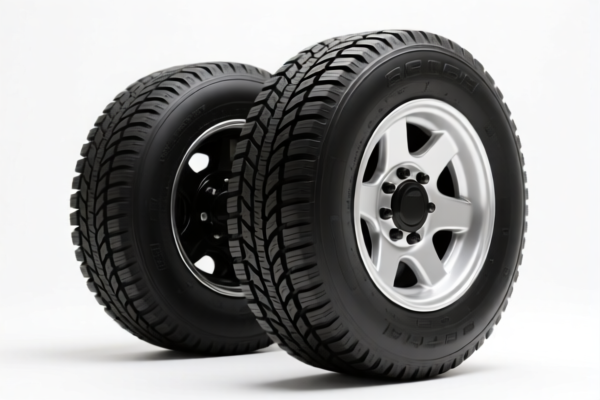
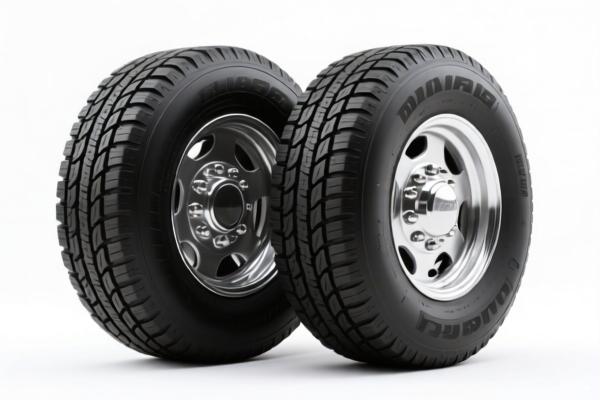
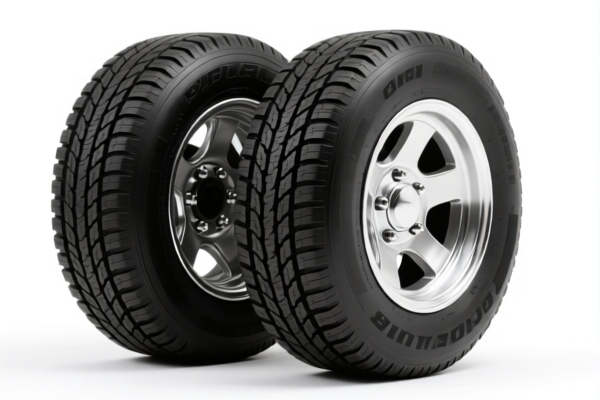
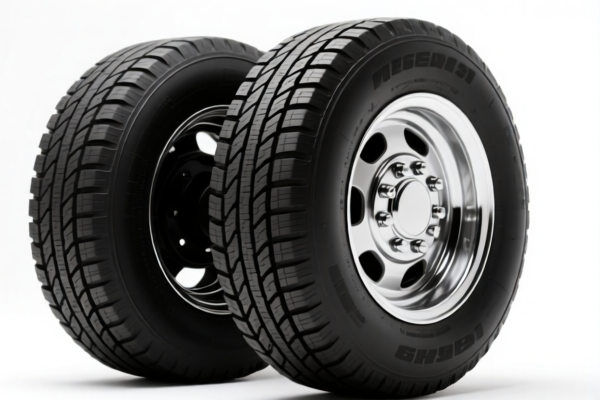
AI Analysis
🚛 New Light Truck Tires (LTT)
🌐 HS Code Reference & Customs Clearance Guide | 2026 Latest Tariff Analysis | Professional Entry Strategy
📌 1. Product Definition & Classification: Do You Really Understand "Light Truck Tires"?
Light Truck Tires (LTT) are specialized rubber tires designed for light trucks, vans, and pickup trucks. In international trade, they are strictly categorized by their construction type (new vs. retreaded) and specific use case.
⚠️ Key Distinction Point:
- New Radial Tires:归入 4011.20.xxxxxx (New tires of rubber)
- Retreaded/Regenerated Tires: 归入 4012.12.xxxxxx (Retreaded tires of rubber)
- Material: Must be Rubber (not plastic or fabric alone).
📦 2. HS Code Classification Details (2026 Latest Tariff Authority)
| HS Code | Product Description | Applicable Scenario | Construction Type | Total Tax Rate (US/CN) |
|---|---|---|---|---|
4011.20.10.05 |
New Light Truck Tires | Standard radial new tires | New | 39.0% |
4011.20.50.10 |
New Light Truck Tires | General new radial tires | New | 38.4% |
4012.12.40.15 |
Retreaded Light Truck Tires | Rebuilt/radial retreaded tires | Retreaded | 39.0% |
4012.12.80.19 |
Regenerated Light Truck Tires | Other regenerated/new-like tires | Regenerated | 38.4% |
🔍 Key Reminder:
- New vs. Retreaded is Critical: Misdeclaring a retreaded tire as new can lead to severe penalties or customs holds.
- Total Tax Rates: Include Base Duty, Section 301 (25%), and Section 122 (10%) tariffs.
💰 3. 2026 Latest Tariff Rate Breakdown (Including Additional Duties & Policy Add-ons)
✅ Applicable Country: United States (US)
✅ Country of Origin: China (CN)
✅ Effective Date: 2025 onwards (including subsequent imports)
🎯 1. 4011.20.10.05 & 4012.12.40.15 —— Standard Light Truck Tires
| Item | Content |
|---|---|
| Base Duty | 4.0% |
| Section 301 (Additional) | +25.0% |
| Section 122 (Additional) | +10.0% |
| Total Tax Rate | 39.0% |
| Calculation | CIF Value × 39.0% |
| De Minimis Exemption | ❌ Not Applicable |
| Legal Basis | Section 301 Tariffs + Section 122 Tariffs |
📌 Explanation:
- Section 301: 25% additional duty on Chinese goods under U.S. Trade Act Section 301.
- Section 122: 10% additional duty under U.S. Trade Act Section 122 (for specific industrial goods).
- Total 39%: High tariff burden. Must be factored into cost structure.
🎯 2. 4011.20.50.10 & 4012.12.80.19 —— Alternative Light Truck Tires
| Item | Content |
|---|---|
| Base Duty | 3.4% |
| Section 301 (Additional) | +25.0% |
| Section 122 (Additional) | +10.0% |
| Total Tax Rate | 38.4% |
| Calculation | CIF Value × 38.4% |
| De Minimis Exemption | ❌ Not Applicable |
| Legal Basis | Section 301 Tariffs + Section 122 Tariffs |
📌 Note:
- Slightly lower base duty (3.4% vs 4.0%), but still subject to high additional tariffs.
- Applies to specific sub-categories of new/regenerated tires.
🛠️ 4. Customs Clearance Practical Advice (Avoid Pitfalls)
✅ 1. Preparation Checklist (Mandatory)
| Document | Required | Notes |
|---|---|---|
| ✅ Product Specifications | ✔️ | Include size, load index, speed rating, tread pattern |
| ✅ Material Declaration | ✔️ | Confirm rubber composition |
| ✅ New vs. Retreaded Statement | ✔️ | Must clearly state if tire is new, retreaded, or regenerated |
| ✅ Commercial Invoice | ✔️ | Clearly describe as "New Light Truck Tires" or "Retreaded Tires" |
| ✅ Packing List | ✔️ | Detail quantity, dimensions, weight per package |
| ✅ Country of Origin Certificate | ✔️ | Required for tariff determination |
✅ 2. Declaration Tips (Key Mantra)
🔥 "Be precise in description, clear on new/retreaded status, and accurate in tariff calculation!"
| Scenario | Correct Declaration | Incorrect Practice |
|---|---|---|
| New Tires | 4011.20.xxxxxx |
Mislabeling as retreaded → Higher duty |
| Retreaded Tires | 4012.12.xxxxxx |
Mislabeling as new → Lower duty but high risk of penalty |
| Mixed Shipment | Separate lines for new/retreaded | Mixing in one line → Customs hold |
| Wrong HS Code | Use exact 10-digit code | Using 6-digit code only → Delays |
✅ 3. Special Cases
| Situation | Handling Advice |
|---|---|
| OEM Branded Tires | Provide brand authorization to avoid counterfeit claims |
| Tires with Tubes/Accompanying Parts | Declare separately if not integrated |
| Tires for Export Re-import | Ensure proper documentation for duty relief |
| Samples for Testing | Clearly mark as "Not for Sale" to avoid duty issues |
🌍 5. Global Customs Comparison (2026 Latest)
| Country/Region | Recommended HS Code | Tariff (China Origin) | Certification Requirements | Notes |
|---|---|---|---|---|
| 🇺🇸 USA | 4011.20.10.05 or 4012.12.40.15 |
39.0% or 38.4% | No specific safety cert required | High tariff burden |
| 🇨🇳 China | 4011.20 or 4012.12 |
5% - 10% | CCC (if domestic sale) | Lower tariffs |
| 🇪🇺 EU | 4011.20 or 4012.12 |
0% - 4.5% | E-mark Certification | No Section 301 |
| 🇦🇺 Australia | 4011.20 or 4012.12 |
5% | ADR Compliance | No additional tariffs |
| 🇯🇵 Japan | 4011.20 or 4012.12 |
0% - 5% | JIS Certification | No additional tariffs |
📌 Conclusion:
- USA: Highest tariff burden (39%) due to Section 301 & 122.
- Other Markets: Significantly lower tariffs, but may require specific safety certifications.
- Strategy: Consider sourcing from non-China origins for US market to mitigate tariffs.
📌 6. Common Errors & Pitfalls (Lessons Learned)
❌ Error 1: Misclassifying retreaded tires as new
👉 Consequence: Underpayment of duty + penalties + customs hold
❌ Error 2: Not specifying "New" or "Retreaded" in description
👉 Consequence: Customs cannot determine correct HS code → Delays
❌ Error 3: Using generic "Tires" instead of "Light Truck Tires"
👉 Consequence: Incorrect HS code application → Wrong tax rate
❌ Error 4: Ignoring Section 122 tariffs
👉 Consequence: Underpayment of 10% additional duty → Audit risk
✅ Correct Practice:
"New Light Truck Radial Tires, Size 225/75R16C, Load Index 121/118, Rubber, Model XYZ, Country of Origin: China"
🎯 7. Conclusion: Professional Classification for Smooth Clearance!
🎯 Key Takeaway:
🔹 "New vs. Retreaded: One word can change your tax rate by 50%!"
🔹 "HS Code accuracy is non-negotiable for tires in the US market."
🔹 "Always include 'Light Truck' in description to avoid misclassification."
📌 Pro Tip:
If your tires are originating from Vietnam, Thailand, or Malaysia, you may qualify for lower tariffs due to Free Trade Agreements (FTAs).
Recommend pre-classification ruling for large shipments to avoid clearance delays.
📣 Immediate Action:
📞 Consult a customs broker + Provide product specs + Apply for HS Code pre-ruling
🚀 Ensure smooth customs clearance, cost control, and efficient supply chain for your Light Truck Tires!
✨ Professional customs classification starts with precise HS codes!
💼 Every penny saved through accurate classification counts!
Customer Reviews
About HS Code Classification
The Harmonized System (HS) is an internationally standardized nomenclature developed by the World Customs Organization (WCO) to classify traded products. Over 200 countries use the HS system as the basis for customs tariffs, trade statistics, and import/export regulations.
Each HS code follows a hierarchical structure:
- Chapter (2 digits) — Broad category of goods (e.g., Chapter 84: Machinery and Mechanical Appliances)
- Heading (4 digits) — More specific grouping within the chapter
- Subheading (6 digits) — Internationally standardized breakdown, used by all WCO member countries
- National subdivisions (8-10 digits) — Country-specific extensions for further classification, such as US HTSUS 10-digit codes
Correct HS code classification is essential for smooth customs clearance, accurate duty payment, and compliance with trade regulations. Misclassification can lead to customs delays, overpayment of duties, or penalties.
When importing from CN to US, the applicable tariff rates may include:
- Most-Favored-Nation (MFN) rate — The standard duty rate applied to WTO members
- General rate — Applied to countries without trade agreements
- Trade remedy duties — Additional tariffs such as Section 301 (anti-dumping), Section 232 (national security), or countervailing duties
The information provided on this page is for reference purposes only. For official classification, please consult with your local customs authority or a licensed customs broker.