New pneumatic tires for aircraft use
CN → US| HS Code | Tariff Rate | Origin | Destination | Doc |
|---|---|---|---|---|
| 4011300010 | 35.0% | CN | US | Official Doc |
| 4012130010 | 10.0% | CN | US | Official Doc |
| 4011300050 | 35.0% | CN | US | Official Doc |
| 4012130050 | 10.0% | CN | US | Official Doc |
Product Images
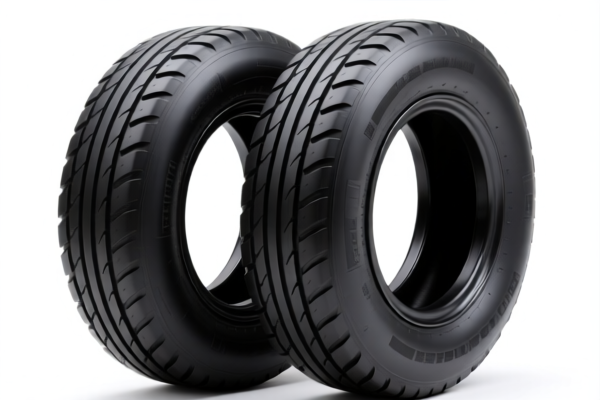
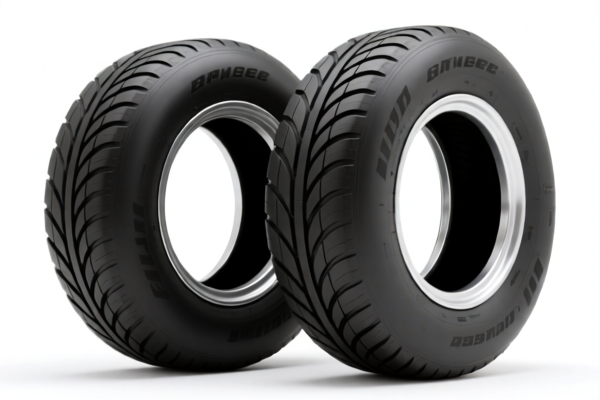
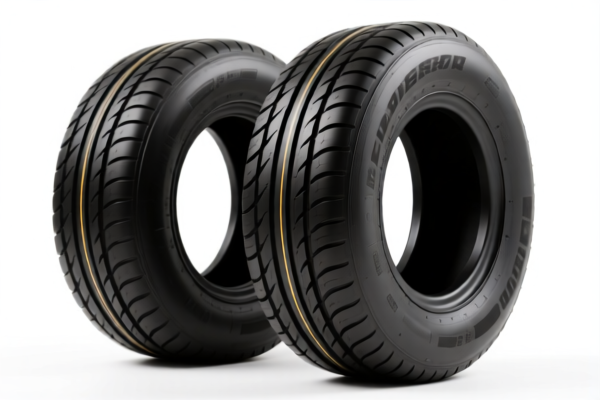
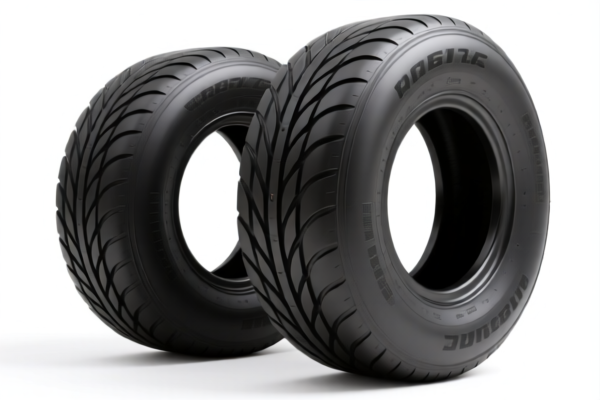
AI Analysis
✈️ New Pneumatic Tires for Aircraft Use
🌐 HS Code Reference & Customs Clearance Guide | 2026 Latest Tariff Analysis | Professional Strategy for Aviation Parts
📌 Part 1: Product Definition & Classification: Do You Really Know "Aircraft Tires"?
New pneumatic tires for aircraft are critical safety components designed to support the weight of the aircraft during takeoff, landing, and taxiing. They are distinct from automotive or industrial tires due to their high-pressure specifications, heat resistance, and specialized rubber compounds.
In international trade, these are classified under Chapter 40 (Rubber and Articles Thereof), specifically heading 4011. However, a crucial distinction exists between new tires and retreaded/reconditioned tires. This guide strictly covers NEW pneumatic tires based on the provided data.
⚠️ Key Distinction Point:
- If the tire is NEW (never used, vulcanized for the first time) → It falls under subheading 4011.30.
- If the tire is RETREEDED/RECONDITIONED (old casing rebuilt) → It falls under subheading 4012.13.
- Note: The provided data includes both, but your query specifies "New". Therefore, we focus on 4011.30 categories.
📦 Part 2: HS Code Classification Details (2026 Latest Tariff Authority Comparison)
Based on the provided data, New Pneumatic Tires for Aircraft Use are classified under HS Code 4011.30. The specific sub-codes depend on the exact match or description in the customs database.
| HS Code | Product Description | Applicability | Tax Rate (Total) |
|---|---|---|---|
4011.30.00.10 |
New Pneumatic Tires for Aircraft Use | Matched with Aircraft Rubber Pneumatic Tires | 35.0% |
4011.30.00.50 |
New Pneumatic Tires for Aircraft Use | Other Rubber Pneumatic Tires for Aircraft | 35.0% |
🔍 Focus Alert:
- All NEW aircraft tires fall under 4011.30.
- The two sub-codes (...10and...50) represent slight variations in the specific tariff line item description, but both carry the same total tax rate of 35%.
- Do NOT confuse with4012.13codes, which are for RETREEDED (used/refurbished) tires, which have a much lower tax rate (10%). Since you are importing NEW tires, these are irrelevant to your current shipment but important for inventory management.
💰 Part 3: 2026 Latest Tariff Rate Breakdown (Including Surcharges)
✅ Applicable Country: United States (US)
✅ Origin: China (CN) (Assumed based on "Section 122" and typical surcharge structures in the data)
✅ Effective Time: Current (2025/2026 Regime)
🎯 1. 4011.30.00.10 – New Pneumatic Tires for Aircraft (Matched)
| Item | Content |
|---|---|
| Base Tariff | 0.0% (Ad valorem) |
| Section 301 Surcharge | +25.0% |
| Section 122 Surcharge | +10.0% |
| Total Tax Rate | 35.0% |
| Tax Calculation | CIF Value × 35% |
| De Minimis Exemption | ❌ NOT Eligible (High-risk category, typically denied) |
| Legal Basis Path | USITC:4011.30.00.10 → Section 301: 25% → Section 122: 10% |
📌 Explanation:
- Base Tariff (0%): Standard MFN rate for many rubber articles.
- Section 301 (25%): The major trade war tariff imposed on a wide range of Chinese goods.
- Section 122 (10%): Additional duties often related to specific bilateral agreements or emergency actions.
- Total 35%: This is a significant cost factor. Aviation parts are high-value, so this adds considerable expense.
🎯 2. 4011.30.00.50 – New Pneumatic Tires for Aircraft (Other)
| Item | Content |
|---|---|
| Base Tariff | 0.0% |
| Section 301 Surcharge | +25.0% |
| Section 122 Surcharge | +10.0% |
| Total Tax Rate | 35.0% |
| Tax Calculation | CIF Value × 35% |
| De Minimis Exemption | ❌ NOT Eligible |
| Legal Basis Path | USITC:4011.30.00.50 → Section 301: 25% → Section 122: 10% |
📌 Note:
- Identical tax treatment to...10.
- The distinction between...10and...50is often administrative or based on specific manufacturer matching lists. Both are taxed at 35%.
🛠️ Part 4: Customs Clearance Practical Advice (Avoid Pitfalls)
✅ 1. Essential Documentation Checklist
| Document | Required? | Notes |
|---|---|---|
| ✅ Commercial Invoice | ✔️ | Must clearly state "New Pneumatic Tire for Aircraft" and HS Code 4011.30.xx.xx. |
| ✅ Packing List | ✔️ | Detail each tire, including size, load index, and ply rating. |
| ✅ Certificate of Origin | ✔️ | Prove origin (e.g., China) to apply correct surcharges. |
| ✅ Product Specifications | ✔️ | Include DOT/EASA/FAA approval marks if applicable. |
| ✅ FAA/EASA Certification | ✔️ | Crucial for aviation parts to prove airworthiness. |
| ❌ Retread Certificate | ❌ | Do NOT provide this for NEW tires, or you risk being misclassified as 4012.13 (lower tax but wrong product). |
✅ 2. Declaration Tips (Key Mantra)
🔥 "New vs. Retread: Declare Clearly! Mistake the two, and you face fines or delays!"
| Situation | Correct Declaration | Wrong Approach |
|---|---|---|
| Brand New Tires | 4011.30.00.10 or 4011.30.00.50 (Tax: 35%) |
Declaring as 4012.13 (Tax: 10%) → Fraud/Underpayment |
| Retreaded Tires | 4012.13.00.10 or 4012.13.00.50 (Tax: 10%) |
Declaring as 4011.30 → Overpayment (unnecessary cost) |
| Mixed Shipment | Separate lines for 4011 and 4012 |
Combining into one line → Customs rejection |
✅ 3. Special Handling
| Scenario | Recommendation |
|---|---|
| High-Value Aviation Tires | Since 35% tax is high, ensure your CIF value is accurate. Under-declaring value to reduce tax is risky and can lead to seizures. |
| FAA Airworthiness | Ensure the tires have proper markings (e.g., "FOR AIRCRAFT USE") on the sidewall. Customs may inspect for compliance. |
| Section 122 Application | Verify if the 10% Section 122 duty is currently active for your specific origin and date. Policies can change. |
🌍 Part 5: Global Market Comparison (2026 Latest)
| Country/Region | Recommended HS Code | Total Tax Rate | Certification | Remarks |
|---|---|---|---|---|
| 🇺🇸 United States | 4011.30.00.xx |
35% (0% Base + 25% Sec 301 + 10% Sec 122) | FAA/EASA | High tariff burden. |
| 🇨🇳 China | 4011.30.00.xx |
~10-15% (Import Duty) | CCC | Lower than US, but check latest FTA. |
| 🇪🇺 European Union | 4011.30 |
0% - 4% | EASA | No Section 301/122 equivalents. |
| 🇬🇧 United Kingdom | 4011.30 |
0% - 4% | UKCA/EASA | Post-Brexit rules may vary. |
📌 Conclusion:
- The United States imposes the highest effective tariff (35%) on new aircraft tires from China.
- EU and UK offer significantly lower tariffs, making them more cost-effective markets for Chinese-manufactured aircraft tires.
📌 Part 6: Common Mistakes & Pitfalls (Lessons Learned)
❌ Mistake 1: Declaring New tires as Retreaded (4012.13) to save 25% tax.
👉 Consequence: Customs audit reveals new tires → Heavy fines, penalty taxes, and potential blacklisting.
❌ Mistake 2: Failing to specify "New" in the description.
👉 Consequence: Customs may assume it's retreaded (lower tax) or reject the entry for ambiguity → Delays and storage fees.
❌ Mistake 3: Ignoring Section 122 (10%).
👉 Consequence: Underestimating landed cost → Profit margin erosion. Always include the 10% in your financial model.
❌ Mistake 4: Confusing 4011.30 (Aircraft) with 4011.20 (Automotive).
👉 Consequence: Wrong HS Code → Incorrect tax calculation and regulatory non-compliance.
✅ Correct Practice:
"New Pneumatic Rubber Tires for Aircraft Use, Model ABC, Size 16x6.0-6, FAA Approved, HS 4011.30.00.10"
🎯 Part 7: Conclusion: Professional Declaration, Cost Control!
🎯 Remember the Mantra:
🔹 "New = 4011.30 (35%) | Retread = 4012.13 (10%)"
🔹 "Be Clear, Be Accurate, Avoid the 25% Section 301 Trap!"
📌 Pro Tip:
- If your new aircraft tires are originating from Vietnam, Thailand, or Malaysia, you may exempt the Section 301 (25%) duty, potentially reducing the total tax to 10% (just Section 122).
- Action: Verify the country of manufacture carefully. If not China, seek a Certificate of Origin from a non-China source to save significant costs.
📣 Immediate Action:
📞 Contact your customs broker with FAA certification docs.
🚀 Declare accurately as "New" under 4011.30.
💰 Budget for 35% total duty if from China.
✨ Professional clearance starts with precise classification!
💼 Your profit margin depends on accurate tariff coding!
Customer Reviews
About HS Code Classification
The Harmonized System (HS) is an internationally standardized nomenclature developed by the World Customs Organization (WCO) to classify traded products. Over 200 countries use the HS system as the basis for customs tariffs, trade statistics, and import/export regulations.
Each HS code follows a hierarchical structure:
- Chapter (2 digits) — Broad category of goods (e.g., Chapter 84: Machinery and Mechanical Appliances)
- Heading (4 digits) — More specific grouping within the chapter
- Subheading (6 digits) — Internationally standardized breakdown, used by all WCO member countries
- National subdivisions (8-10 digits) — Country-specific extensions for further classification, such as US HTSUS 10-digit codes
Correct HS code classification is essential for smooth customs clearance, accurate duty payment, and compliance with trade regulations. Misclassification can lead to customs delays, overpayment of duties, or penalties.
When importing from CN to US, the applicable tariff rates may include:
- Most-Favored-Nation (MFN) rate — The standard duty rate applied to WTO members
- General rate — Applied to countries without trade agreements
- Trade remedy duties — Additional tariffs such as Section 301 (anti-dumping), Section 232 (national security), or countervailing duties
The information provided on this page is for reference purposes only. For official classification, please consult with your local customs authority or a licensed customs broker.