Night Glow Reflectorized Plastic Sheet
CN → US| HS Code | Tariff Rate | Origin | Destination | Doc |
|---|---|---|---|---|
| 3919905010 | 40.8% | CN | US | Official Doc |
| 3920992000 | 39.2% | CN | US | Official Doc |
| 3919101010 | 41.5% | CN | US | Official Doc |
| 5903102010 | 35.0% | CN | US | Official Doc |
| 5903102090 | 35.0% | CN | US | Official Doc |
Product Images

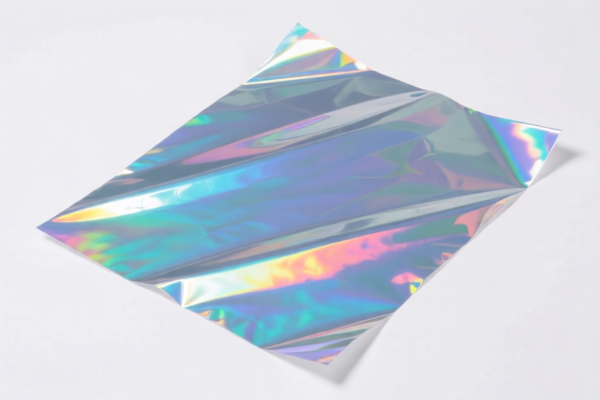
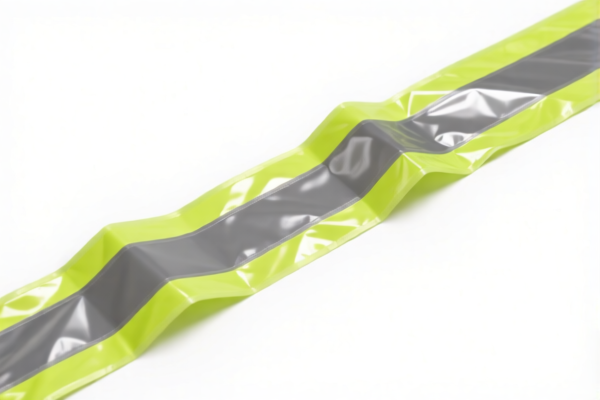
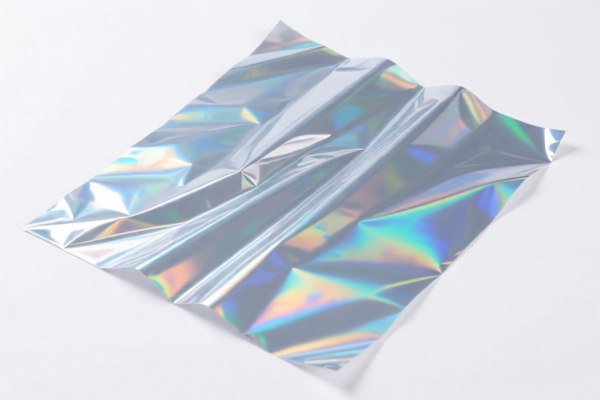
AI Analysis
🌙✨ Night Glow Reflectorized Plastic Sheet: Ultimate HS Code & Duty Guide (2026)
🌐 Global HS Classification & Clearance Strategy | The Definitive 2026 Tax Breakdown | Expert Customs Tactics
📌 Section 1: Product Definition & Classification – Are You Classifying "Night Glow Sheets" Correctly?
The Night Glow Reflectorized Plastic Sheet is a specialized adhesive or standalone film designed for high-visibility safety, traffic marking, and personal gear enhancement. It functions by reflecting light back to its source (retroreflection) and often contains photoluminescent (night-glow) properties.
Key Distinctions in Classification: 1. Plastic Sheets (3919/3920): Self-adhesive, rigid, or flexible plastic films without textile backing. 2. Plastic-Coated Fabrics (5903): Reflective films laminated onto or coated on a textile base (e.g., mesh, fabric).
⚠️ Critical Classification Rule:
- If the material is pure plastic/film (PVC, PET) → Chapter 39 (Plastics).
- If the material is textile-based with a plastic coating → Chapter 59 (Textiles).
- Misclassification Risk: Treating a textile-backed film as a plastic sheet can trigger 25% additional duties or misalignment with the "122 Clause."
📦 Section 2: HS Code Classification Details (2026 Tax Regime)
| HS Code | Product Description | Material Logic | Taxonomic Summary |
|---|---|---|---|
| 3919.90.50.10 | Retroreflective Plastic Sheet | Pure Plastic, Flat Shape, Reflective Function | "Specific function (reflective film)" under plastic sheets. |
| 3920.99.20.00 | Other Flexible Plastic Film | Pure Plastic, Non-adhesive/Non-specific reflective layer | "Other flexible plastic articles" (No material conflict). |
| 3919.10.10.10 | Self-Adhesive Reflective Tape | Plastic (Film), Reflective/Luminescent Surface | "Self-adhesive" with glass bead/plastic microsphere reflection. |
| 5903.10.20.10 | PVC-Coated Fabric (Reflective) | Plastic Coating on Textile Base | "Laminated/covered plastic on fabric" (Reflective/PVC). |
| 5903.10.20.90 | Other Plastic-Coated Textile | Plastic (PVC)浸渍/covered on Textile | "Other types" of plastic-coated fabrics (Reflective/Night-glow). |
🔍 Key Insight:
- 3919/3920 Codes apply if the product is a standalone plastic film (e.g., PVC sheet with retroreflective layer).
- 5903 Codes apply if the product has a fabric/textile backing with a plastic layer.
- All codes listed are subject to 25% "Add-on Duty" (US Section 301) + 10% "122 Clause" (China-specific) + Base Tariff.
💰 Section 3: 2026 Tax Rate Breakdown (Detailed Duty Analysis)
✅ Target Market: United States (US)
✅ Origin: China (CN)
✅ Effective Date: 2025/2026 (Current Trade Regime)
⚠️ Warning: NO De Minimis Exemption applies. All duties are fully taxable.
🎯 1. 3919.90.50.10 – Retroreflective Plastic Sheet (Pure Plastic)
Total Tax: 40.8% (High Risk)
| Item | Rate | Legal Basis & Detail |
|---|---|---|
| Base Tariff | 5.8% | General Most-Favored-Nation (MFN) rate for plastic sheets. |
| Section 301 Add-on | +25.0% | "China Trade Remedy" Duty (301 List 1-4). |
| 122 Clause | +10.0% | Specific "122 Clause" duty targeting certain Chinese plastic products. |
| Total Duty | 40.8% | CIF Value × 40.8% |
| De Minimis? | ❌ NO | Denies de minimis exemption; full duty applies. |
📌 Explanation:
This code represents a pure plastic reflective sheet. The high duty (40.8%) is driven by the combination of the base rate, the aggressive 25% Section 301 tariff, and the specific 10% 122 Clause. This is a critical cost driver for pure plastic products.
🎯 2. 3920.99.20.00 – Other Flexible Plastic Film
Total Tax: 39.2% (High Risk)
| Item | Rate | Legal Basis & Detail |
|---|---|---|
| Base Tariff | 4.2% | Lower base rate for "other" plastic films. |
| Section 301 Add-on | +25.0% | Standard 301 tariff applies to most plastic films. |
| 122 Clause | +10.0% | Applies to specific plastic film categories. |
| Total Duty | 39.2% | CIF Value × 39.2% |
| De Minimis? | ❌ NO | No exemption. |
📌 Explanation:
Slightly lower than 3919 due to a lower base rate (4.2% vs 5.8%), but still carries the 35% add-on (25% + 10%). This code is used when the film is flexible but doesn't fit the "self-adhesive" or "specific reflective" definitions of 3919.
🎯 3. 3919.10.10.10 – Self-Adhesive Reflective Tape
Total Tax: 41.5% (Highest Risk)
| Item | Rate | Legal Basis & Detail |
|---|---|---|
| Base Tariff | 6.5% | Base rate for self-adhesive plastic products. |
| Section 301 Add-on | +25.0% | Section 301 duties apply to adhesive tapes. |
| 122 Clause | +10.0% | Specific 122 Clause application. |
| Total Duty | 41.5% | CIF Value × 41.5% |
| De Minimis? | ❌ NO | No exemption. |
📌 Explanation:
This is the most expensive classification. The higher base rate (6.5%) for self-adhesive items, combined with the full add-on tariffs, results in 41.5%. This applies if the "Night Glow Sheet" is pre-applied with adhesive (e.g., sticker-like).
🎯 4. 5903.10.20.10 – PVC-Coated Reflective Fabric
Total Tax: 35.0% (Moderate Risk)
| Item | Rate | Legal Basis & Detail |
|---|---|---|
| Base Tariff | 0.0% | Zero base tariff for this specific textile-coating subcategory. |
| Section 301 Add-on | +25.0% | 301 duties still apply to textile products with plastic coating. |
| 122 Clause | +10.0% | 122 Clause applies. |
| Total Duty | 35.0% | CIF Value × 35.0% |
| De Minimis? | ❌ NO | No exemption. |
📌 Explanation:
This code offers the lowest total duty (35.0%) among the options because the Base Tariff is 0%. This is the optimal classification IF the product has a fabric/textile base (e.g., PVC coated on polyester mesh) rather than being a pure plastic sheet.
🎯 5. 5903.10.20.90 – Other Plastic-Coated Textile
Total Tax: 35.0% (Moderate Risk)
| Item | Rate | Legal Basis & Detail |
|---|---|---|
| Base Tariff | 0.0% | Zero base tariff for "other" coated fabrics. |
| Section 301 Add-on | +25.0% | 301 duties apply. |
| 122 Clause | +10.0% | 122 Clause applies. |
| Total Duty | 35.0% | CIF Value × 35.0% |
| De Minimis? | ❌ NO | No exemption. |
📌 Explanation:
Similar to 5903.10.20.10, this code applies to textile-based reflective sheets where the plastic coating is PVC or similar. The 0% base rate makes it 5.8–6.5 percentage points cheaper than pure plastic classifications.
🛠️ Section 4: Practical Customs Clearance Strategy (Avoid Pitfalls)
✅ 1. Material Verification (The "Fabric vs. Plastic" Test)
The Single Most Important Decision Point:
Before declaring, determine the base substrate:
- Is it 100% Plastic? (e.g., PVC sheet, PET film) → Choose 3919/3920 (Tax: ~39–41.5%).
- Is it Textile + Plastic Coating? (e.g., PVC on mesh, reflective fabric) → Choose 5903 (Tax: 35%).
💡 Strategic Tip: If the product can be engineered to include a textile backing without losing functionality, 5903 is the legal "cost-saving" pathway.
✅ 2. Declaration Language & Documentation
| Document | Required Detail | Purpose |
|---|---|---|
| Commercial Invoice | Must explicitly state: "Night Glow Reflectorized [Plastic/Textile] Sheet", "PVC Coated", "Reflective Function". | Prevents "Misdescription" penalties. |
| Material Safety Data Sheet (MSDS) | Confirm PVC/Plastic composition vs. Textile content. | Proves material basis for 5903 vs 39xx. |
| Product Photo | Show cross-section (if possible) to reveal fabric vs. plastic layers. | Customs officer visual verification. |
| Declaration Statement | "This product is [Plastic/Textile] based, not pure plastic." | Justifies HS Code selection. |
🔥 Key Warning:
If you declare a textile-backed sheet as 3919 (Plastic), Customs may seize the goods for "false declaration," resulting in 100% back-taxes + fines.
Correct Logic: If it has fabric → 5903 is the only legal choice.
✅ 3. Duty Optimization (Tax Saving Strategy)
| Scenario | Recommended HS Code | Total Tax | Action |
|---|---|---|---|
| Pure Plastic Sheet (No fabric) | 3919.90.50.10 |
40.8% | Accept – No alternative exists. |
| Self-Adhesive Tape | 3919.10.10.10 |
41.5% | Avoid if possible; redesign without adhesive. |
| Fabric-Based Reflective Sheet | 5903.10.20.10 |
35.0% | PREFERRED – 5.8% savings over pure plastic. |
| Unclear Material | 3920.99.20.00 |
39.2% | Use as fallback if 5903 is not fully supported. |
📌 Calculation Example:
If your product is $10,000 CIF:
- Pure Plastic (3919): Duty = $4,080
- Fabric Coated (5903): Duty = $3,500
Savings: $580 (5.8% of value) by correctly identifying the textile base.
✅ 4. Special Cases & Risk Management
| Risk Scenario | Mitigation Strategy |
|---|---|
| "Night Glow" (Phosphorescent) Claim | Ensure the product is classified by material, not function. "Night Glow" is a feature, not a separate HS category. |
| 122 Clause Eligibility | Verify the 122 Clause applies to your specific product description. Some "reflective" items may be exempt if they meet "safety equipment" criteria (rare). |
| Section 301 Exemptions | Check List 4: Some reflective tapes have been exempted in the past. Check if your product SKU was included in any exemption renewal. |
| Origin Misdeclaration | Never claim "Made in Vietnam" if it's Chinese. The 25% + 10% add-on applies only to Chinese origin. |
🌍 Section 5: Global Market Comparison (2026)
| Region | HS Code Match | Total Duty (China Origin) | Key Requirement |
|---|---|---|---|
| 🇺🇸 USA | 3919 / 5903 |
35.0% – 41.5% | Strict Section 301 + 122 Clause. |
| 🇪🇺 EU | 3920 / 5903 |
~0% – 3% | No Section 301; only MFN tariff. |
| 🇨🇳 China | 3919 / 5903 |
5% – 10% | Domestic trade rules apply. |
| 🇦🇺 Australia | 3920 / 5903 |
0% – 5% | Free Trade Agreement (FTA) possible. |
| 🇨🇦 Canada | 3920 / 5903 |
0% – 5% | CUSMA/USMCA benefits if applicable. |
📌 Conclusion:
USA is the only major market applying the harsh 25% + 10% combined duty. All other markets charge only the base MFN tariff. If you ship to the US, the 5903 code (textile-based) is the single most effective cost-saving lever.
📌 Section 6: Common Mistakes & "Blood Tears" Lessons
❌ Mistake 1: Declaring a textile-backed reflective sheet as 3919 (Plastic).
👉 Consequence: Customs reclassifies to 5903, but fines you for misdeclaration. You pay the full 40.8% instead of 35.0% + penalty.
❌ Mistake 2: Ignoring the "122 Clause" (10%).
👉 Consequence: Underestimating total duty. You budget for 25%, but actual duty is 35%. Cash flow crisis.
❌ Mistake 3: Using "Night Glow" as the HS description.
👉 Consequence: Customs ignores the function and looks at the material. "Night Glow" is not a HS Code. Must declare Plastic or Textile.
❌ Mistake 4: Assuming "De Minimis" applies for small shipments.
👉 Consequence: NO! The 122 Clause and Section 301 deny de minimis. Even $100 shipments are taxed.
🎯 Section 7: Final Recommendations & Call to Action
🚀 Your 3-Step Action Plan:
-
Material Audit:
Does your "Night Glow Sheet" have a fabric backing?
→ YES: Go for5903.10.20.10(35.0% duty).
→ NO: Must use3919.90.50.10(40.8% duty). -
Documentation Preparation:
- Prepare a Cross-Section Diagram showing the fabric vs. plastic layers.
- Ensure the Invoice clearly states: "Plastic-Coated Textile Sheet" (for 5903) or "Retroreflective Plastic Film" (for 3919).
-
Pre-Clearance Check:
- Verify if your specific SKU has any Section 301 Exemptions (check USITC Database).
- If no exemption exists, budget for 35%–41.5% total duty.
🔥 Pro Tip:
"If you can engineer a textile backing, you save 5.8% on every dollar!"
This is not just a tax saving; it's a competitive advantage in the US market.
📣 Immediate Action Required:
📞 Contact your Customs Broker with the Material Report.
📄 Request a Binding Ruling (Advance Ruling) if your product is unique.
🚀 Stop guessing – Get the correct HS Code now to avoid 40%+ duties.
✨ Precision Classification = Profit Protection
💼 Don't let a 5.8% tax difference destroy your margin!
Customer Reviews
About HS Code Classification
The Harmonized System (HS) is an internationally standardized nomenclature developed by the World Customs Organization (WCO) to classify traded products. Over 200 countries use the HS system as the basis for customs tariffs, trade statistics, and import/export regulations.
Each HS code follows a hierarchical structure:
- Chapter (2 digits) — Broad category of goods (e.g., Chapter 84: Machinery and Mechanical Appliances)
- Heading (4 digits) — More specific grouping within the chapter
- Subheading (6 digits) — Internationally standardized breakdown, used by all WCO member countries
- National subdivisions (8-10 digits) — Country-specific extensions for further classification, such as US HTSUS 10-digit codes
Correct HS code classification is essential for smooth customs clearance, accurate duty payment, and compliance with trade regulations. Misclassification can lead to customs delays, overpayment of duties, or penalties.
When importing from CN to US, the applicable tariff rates may include:
- Most-Favored-Nation (MFN) rate — The standard duty rate applied to WTO members
- General rate — Applied to countries without trade agreements
- Trade remedy duties — Additional tariffs such as Section 301 (anti-dumping), Section 232 (national security), or countervailing duties
The information provided on this page is for reference purposes only. For official classification, please consult with your local customs authority or a licensed customs broker.