Night Reflective Sticker
CN → US| HS Code | Tariff Rate | Origin | Destination | Doc |
|---|---|---|---|---|
| 3921190090 | 41.5% | CN | US | Official Doc |
| 3921905050 | 39.8% | CN | US | Official Doc |
| 3919901000 | 41.5% | CN | US | Official Doc |
| 3919905010 | 40.8% | CN | US | Official Doc |
| 3919901000 | 41.5% | CN | US | Official Doc |
Product Images
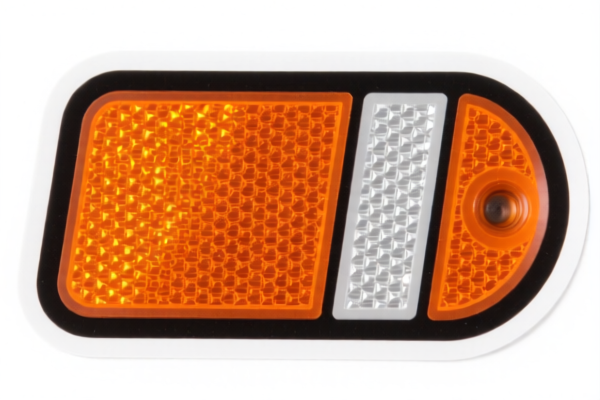
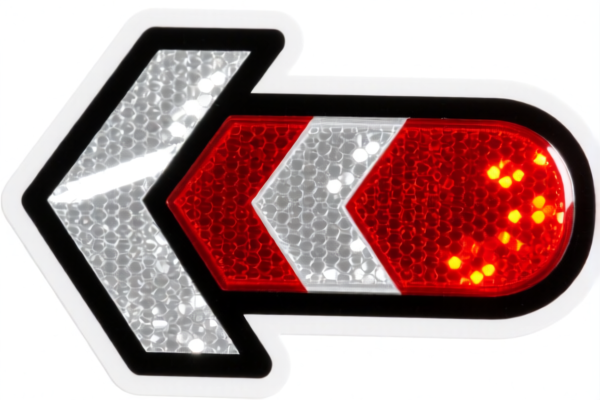


AI Analysis
🌟 Night Reflective Stickers: HS Code Classification & US Customs Clearance Guide (2026)
🌐 HS Code Reference & Customs Clearance Strategy | 2026 Latest Tariff Analysis | Professional Entry Strategy
📌 I. Product Definition & Classification: Do You Really Understand "Night Reflective Stickers"?
Night Reflective Stickers are safety or decorative adhesive products made primarily of plastic materials, designed to reflect light at night. In international trade, they are generally classified under Chapter 39 (Plastics and Articles Thereof).
The classification depends on the form (sheet, strip, self-adhesive) and specific function (general plate vs. retro-reflective tape).
⚠️ Key Distinction Points:
- If the product is a general plastic sheet/film (even if it has some reflective properties but not meeting the strict definition of retro-reflective tape), it falls under 3921.
- If the product is explicitly defined as self-adhesive tape with retro-reflective functions (designed for night safety/visibility), it falls under 3919.
- Crucial Note: The presence of "night reflective" (retro-reflective) functionality often pushes classification toward 3919 (Self-adhesive plates/sheets/tapes) rather than general plastic sheets (3921), due to specific functional definitions in customs rulings.
📦 II. HS Code Classification Details (2026 Latest Tariff Authority Comparison)
| HS Code | Product Description | Application Scenario | Tax Rate (US/CN) |
|---|---|---|---|
3921.19.00.90 |
Other plates, sheets, film, foil and strip, of plastics; Plastic material, in the form of stickers, classified as other plastic plates/sheets/films. | General plastic stickers with incidental reflectivity; not strictly defined as retro-reflective tape. | 41.5% |
3921.90.50.50 |
Other plates, sheets, film, foil and strip, of plastics; Reasonable match under other categories. | Plastic stickers where specific sub-heading is ambiguous; a "safe" general fallback. | 39.8% |
3919.90.10.00 |
Self-adhesive plates, sheets, film, foil, tape, tape and other flat shapes, of plastics: Other; Plastic material, in the form of stickers/strip, having night reflective function. | Stickers/Tapes explicitly designed for night visibility/safety with retro-reflective properties. | 41.5% |
3919.90.50.10 |
Self-adhesive plates, sheets, film, foil, tape...: Other; Plastic material, in the form of stickers, usage is reflective, conforming to the definition of reflective sheet. | Stickers where the primary purpose is reflectivity, clearly meeting the "reflective sheet" definition. | 40.8% |
3919.90.10.00 |
Self-adhesive plates, sheets, film, foil, tape...: Other; Plastic material, in the form of night safety stickers, with reflective function. | Specific branding as "Night Safety Sticker" with clear reflective function. | 41.5% |
🔍 Critical Reminder:
- The key differentiator is "Self-Adhesive Tape/Sticker" (3919) vs. "General Plastic Sheet" (3921).
- 3919 codes generally apply when the item is sold as a ready-to-use adhesive product (sticker/tape).
- 3921 codes apply if it's a raw or semi-finished plastic sheet that might be cut into stickers later, or if the reflective function is secondary/non-standard.
- Night Reflective Function strongly supports classification under 3919 (Self-adhesive) if it meets safety standards.
💰 III. 2026 Latest Tariff Rate Details (Including Additional Taxes & Policy Add-ons)
✅ Applicable Country: United States (US)
✅ Origin: China (CN)
✅ Effective Date: Ongoing (Current 2025-2026 Trade Environment)
🎯 1. 3921.19.00.90 — Plastic Plates/Sheets (General Sticker Form)
| Item | Content |
|---|---|
| Base Tariff | 6.5% |
| Section 301 Additional Tariff | +25.0% |
| Section 122 Tariff | +10.0% |
| Total Tariff | 41.5% |
| Tax Calculation | CIF Value × 41.5% |
| De Minimis Eligibility | ❌ No (High tariff rates exceed de minimis thresholds for preferential treatment in many contexts, though Section 321 applies only if total value < $800, but taxes still apply to taxable value). Note: Section 321 (de minimis) generally exempts duties, but Section 301/122 taxes may still be scrutinized. However, for B2B, taxes are fully applicable. |
| Legal Basis Path | HTSUS:3921.19.00.90 → Section 301: Footnote 9903.88.03 → Section 122 Authority |
📌 Explanation:
- Base 6.5%: Standard Most Favored Nation (MFN) rate for general plastic sheets.
- 25% Section 301: Trump-era tariffs retained under current trade policy for Chinese plastics.
- 10% Section 122: Often applied to certain imports under trade authority provisions (verify latest executive orders).
- Total 41.5%: A high tariff burden requiring precise classification to avoid overpayment.
🎯 2. 3921.90.50.50 — Other Plastic Articles (Reasonable Match)
| Item | Content |
|---|---|
| Base Tariff | 4.8% |
| Section 301 Additional Tariff | +25.0% |
| Section 122 Tariff | +10.0% |
| Total Tariff | 39.8% |
| Tax Calculation | CIF Value × 39.8% |
| De Minimis Eligibility | ❌ No |
| Legal Basis Path | HTSUS:3921.90.50.50 → Section 301 → Section 122 |
📌 Note:
- Slightly lower base rate (4.8%) makes this 1.7% cheaper than3921.19.00.90.
- Use this only if the product does not clearly fit the "specific plastic sheet" description of 3921.19 but is still a plastic article.
🎯 3. 3919.90.10.00 & 3919.90.50.10 — Self-Adhesive Reflective Stickers/Tapes
| Item | Content |
|---|---|
| Base Tariff | 5.8% - 6.5% |
| Section 301 Additional Tariff | +25.0% |
| Section 122 Tariff | +10.0% |
| Total Tariff | 40.8% - 41.5% |
| Tax Calculation | CIF Value × Total Rate |
| De Minimis Eligibility | ❌ No |
| Legal Basis Path | HTSUS:3919.90.10.00 / 3919.90.50.10 → Section 301 → Section 122 |
📌 Critical Insight:
-3919.90.50.10(40.8%) is the most cost-effective option if the product clearly qualifies as a "reflective sticker" under self-adhesive categories.
-3919.90.10.00(41.5%) applies if classified as "other self-adhesive plates/strips" with night reflective function.
- Why 3919? Self-adhesive products are distinct from non-adhesive plastic sheets (3921). Customs often favor 3919 for stickers.
🛠️ IV. Customs Clearance Practical Advice (Real-World Pitfall Avoidance)
✅ 1. Required Documentation Checklist (Non-Negotiable)
| Document | Required | Explanation |
|---|---|---|
| ✅ Product Specifications | ✔️ | Must detail material (PVC, PET, etc.), adhesive type, and reflective properties (retro-reflective, prismatic, etc.). |
| ✅ Product Photos | ✔️ | Clear images showing adhesive backing, reflective surface, and any safety markings (e.g., "Night Reflective"). |
| ✅ Declaration Statement | ✔️ | Explicitly state: "Plastic self-adhesive sticker with night reflective function." Avoid vague terms like "plastic sheet." |
| ✅ Commercial Invoice | ✔️ | Must match HS Code description precisely. Do not use "gift" or "sample" to hide value. |
| ✅ Certificate of Origin | ✔️ | Proof of Chinese origin triggers Section 301/122 taxes. |
✅ 2. Declaration Tips (Key Mantra)
🔥 "Adhesive + Reflective = 3919, Not 3921! Name it 'Sticker', Not 'Sheet'!"
| Scenario | Correct Declaration | Incorrect Action |
|---|---|---|
| Self-adhesive sticker with reflective layer | HS 3919.90.50.10 or 3919.90.10.00 |
Misdeclare as 3921.19.00.90 → Risk of audit for under-declaring adhesion value. |
| Non-adhesive plastic sheet with reflective film | HS 3921.19.00.90 |
Misdeclare as sticker → Wrong tax base. |
| "Night Safety Sticker" | HS 3919.90.10.00 |
Use generic "Plastic Sticker" → Ambiguity leads to delays. |
| Retro-reflective Tape (Roll) | HS 3919.90.10.00 |
Declare as "Sticker" (Sheet) → If sold in rolls, must declare as tape. |
✅ 3. Special Case Handling
| Situation | Handling Advice |
|---|---|
| OEM Private Label | Provide brand authorization + design specs. Ensure "reflective" function is not misleading. |
| Combination Package (Sticker + Reflective Tape) | Declare separately if distinct SKUs. If bundled, declare highest duty item or average if permitted. |
| Non-Retro-Reflective (Just Shiny) | If it does not meet ANSI/ISEA 107 or similar retro-reflective standards, consider 3921.19.00.90. |
| High-Value Industrial Safety Gear | If part of a larger safety system, consult customs broker for potential "Parts of Machinery" classification (rare, but possible). |
🌍 V. Global Market Customs Comparison (2026 Latest)
| Country/Region | Recommended HS Code | Total Tariff (CN Origin) | Certification Requirements | Notes |
|---|---|---|---|---|
| 🇺🇸 USA | 3919.90.50.10 |
40.8% (Best Rate) | FDA (if food contact), CPSIA (if for children) | High taxes due to Sec 301/122. |
| 🇨🇳 China | 3919.90.10.00 |
5-6% | CCC (if electrical components involved) | No additional Section 301 taxes. |
| 🇪🇺 EU | 3919.90.10.00 |
6.5% (Standard) | CE Marking, REACH Compliance | No major anti-dumping on plastics. |
| 🇬🇧 UK | 3919.90.10.00 |
6.5% | UKCA Marking | Post-Brexit tariffs align with EU mostly. |
| 🇦🇺 Australia | 3919.90.10.00 |
5% | ACCC Safety Standards | Low tariff, high compliance scrutiny. |
📌 Conclusion:
- USA is the most expensive market due to Section 301 (25%) and Section 122 (10%) tariffs.
- EU/UK/AU offer significantly lower duties (~5-6.5%).
- Strategy for US: Optimize for3919.90.50.10(40.8%) over3921(41.5%) if possible.
📌 VI. Common Mistakes & Pitfall Guide (Lessons from Blood and Tears)
❌ Mistake 1: Calling "Reflective Sticker" a "Plastic Sheet" (3921)
👉 Consequence: If Customs determines it’s self-adhesive, they will reclassify to 3919. While rates are similar, it triggers audit flags and delays.
❌ Mistake 2: Not specifying "Reflective" function
👉 Consequence: If declared as plain plastic sticker (3921.19.00.90 at 41.5%), but found to be reflective, no penalty, but lost opportunity to use 3919.90.50.10 (40.8%) if that was more appropriate for adhesive nature.
❌ Mistake 3: Ignoring Section 122 Tariff
👉 Consequence: Forgetting the 10% Section 122 surcharge leads to underpayment and penalties upon entry.
✅ Correct Declaration Example:
"Plastic Self-Adhesive Sticker, Night Reflective, PVC Material, Model XYZ, Certified for Safety Use"
HS Code:3919.90.50.10
🎯 VII. Conclusion: Precision in Classification Saves Money!
🎯 Remember the Mantra:
🔹 "Adhesive + Reflective = 3919. Name it Right, Save 0.7%."
🔹 "Sec 301 + Sec 122 = 35% Extra Tax. Plan Ahead."
🔹 "Sticker, Not Sheet. Adhesive, Not Just Plastic."
📌 Pro Tip:
- If your stickers are for children, ensure compliance with CPSIA (Consumer Product Safety Improvement Act) to avoid seizure at US ports.
- Consider HS Code Pre-Ruling from CBP for large-volume imports to secure the 40.8% rate for 3919.90.50.10.
- For Section 122 and Section 301 exemptions, check if any product exclusions apply (rare for plastics, but verify annually).
📣 Immediate Action:
📞 Contact a licensed customs broker + Provide Material Safety Data Sheet (MSDS) + Request CBP Pre-Ruling.
🚀 Ensure your Night Reflective Stickers clear US customs smoothly, efficiently, and profitably!
✨ Professional Clearance Starts with Accurate Classification!
💼 Your Cost Per Unit Deserves Precision!
Customer Reviews
About HS Code Classification
The Harmonized System (HS) is an internationally standardized nomenclature developed by the World Customs Organization (WCO) to classify traded products. Over 200 countries use the HS system as the basis for customs tariffs, trade statistics, and import/export regulations.
Each HS code follows a hierarchical structure:
- Chapter (2 digits) — Broad category of goods (e.g., Chapter 84: Machinery and Mechanical Appliances)
- Heading (4 digits) — More specific grouping within the chapter
- Subheading (6 digits) — Internationally standardized breakdown, used by all WCO member countries
- National subdivisions (8-10 digits) — Country-specific extensions for further classification, such as US HTSUS 10-digit codes
Correct HS code classification is essential for smooth customs clearance, accurate duty payment, and compliance with trade regulations. Misclassification can lead to customs delays, overpayment of duties, or penalties.
When importing from CN to US, the applicable tariff rates may include:
- Most-Favored-Nation (MFN) rate — The standard duty rate applied to WTO members
- General rate — Applied to countries without trade agreements
- Trade remedy duties — Additional tariffs such as Section 301 (anti-dumping), Section 232 (national security), or countervailing duties
The information provided on this page is for reference purposes only. For official classification, please consult with your local customs authority or a licensed customs broker.