Night Vision Device
CN → US| HS Code | Tariff Rate | Origin | Destination | Doc |
|---|---|---|---|---|
| 9013105000 | 22.8% | CN | US | Official Doc |
| 9005804020 | 18.0% | CN | US | Official Doc |
| 9005100020 | 17.5% | CN | US | Official Doc |
Product Images
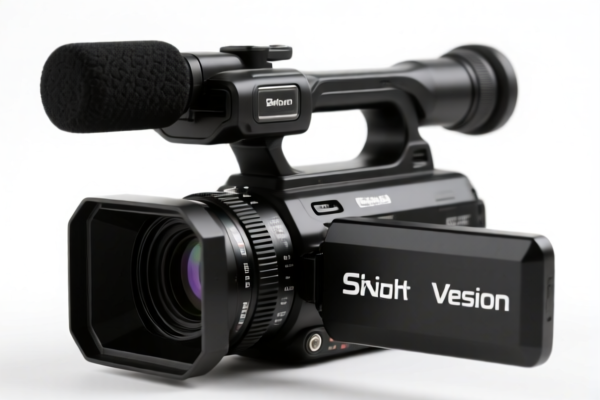
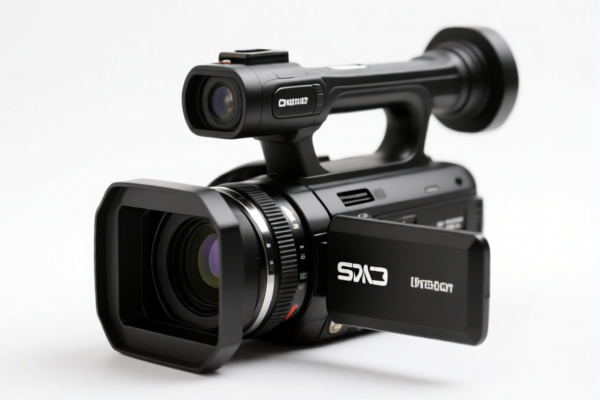
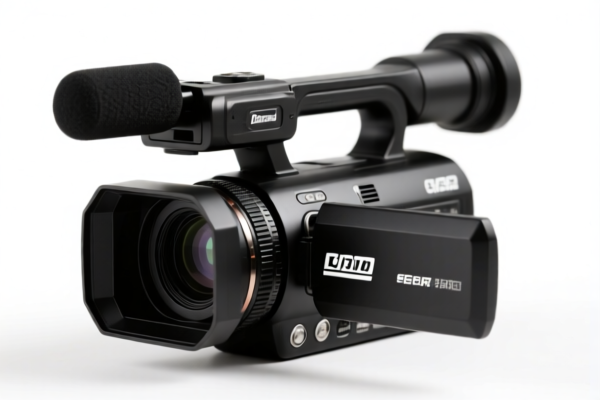
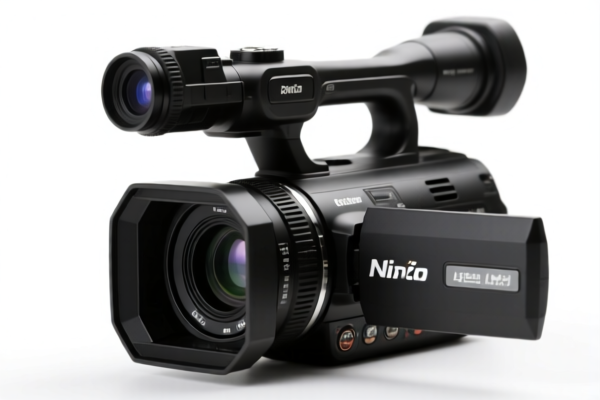
AI Analysis
🌙 Night Vision Devices (Optical Imaging & Infrared Technology)
🌐 HS Code Reference & Customs Clearance Guide | 2026 Latest Tariff Analysis | Professional Strategy
📌 I. Product Definition & Classification: What Exactly is a "Night Vision Device"?
Night Vision Devices (NVDs) are optical instruments that enhance visibility in low-light conditions by amplifying available light or detecting infrared radiation. In international trade, their classification depends heavily on how they work (image intensification vs. thermal/infrared imaging) and their primary application (general optical use vs. specific telescope functions).
Key Distinctions:
- Optical/Imaging Instruments: Devices that process visible or near-infrared light to create an image. These often fall under Chapter 90 (Optical, Photographic, Cinematographic... Instruments).
- Telescopic Variants: If the device is explicitly designed as a specialized form of telescope (e.g., binoculars with IR capability), it may fall under HS 9005 (Binoculars, Astronomical Instruments, etc.).
⚠️ Critical Note:
- If the device is a standalone optical instrument for general viewing/enhancement → 9013.10.50.00
- If it is specifically structured as an infrared telescope/monocular → 9005.80.40.20 or 9005.10.00.20
📦 II. HS Code Classification Details (2026 Latest Tariff Data)
Based on the provided data, here are the three valid HS Code classifications for Night Vision Devices, along with their tax implications:
| HS Code | Summary & Logic | Total Tax Rate | Tax Breakdown |
|---|---|---|---|
9013.10.50.00 |
General Optical Instrument: Classified under "Other optical appliances and instruments." This is the broadest category for NVDs that function as general-purpose optical devices. | 22.8% | - Base Tariff: 5.3% - Section 301 (Additional): 7.5% - Section 122 (Other): 10% |
9005.80.40.20 |
Infrared Telescope Variant: Classified under "Other optical telescopes." Recognizes NVDs as a specific application form of optical telescopes using infrared detection principles. | 18.0% | - Base Tariff: 8.0% - Section 301 (Additional): 0.0% - Section 122 (Other): 10% |
9005.10.00.20 |
Infrared Prism Binoculars: Classified under "Binoculars, other than astronomical." Specifically describes prism binoculars adapted for infrared light applications. | 17.5% | - Base Tariff: 0.0% - Section 301 (Additional): 7.5% - Section 122 (Other): 10% |
🔍 Key Insight:
- The total tax burden varies significantly (17.5% – 22.8%) based on the specific HS code chosen.
- Section 122 Tariff (10%) is consistently applied across all three codes.
- The Base Tariff and Section 301 Additional Tariff vary, with9005.10.00.20offering the lowest base rate (0%) but still incurring Section 301.
💰 III. 2026 Latest Tariff Rate Breakdown (Detailed Analysis)
✅ Applicable Country: USA
✅ Origin: China (CN)
✅ Validity: Current rates as per provided data
🎯 1. 9013.10.50.00 – General Optical Night Vision Devices
| Item | Detail |
|---|---|
| Product Description | Optical appliances and instruments (General NVD) |
| Base Tariff | 5.3% |
| Section 301 Additional | 7.5% |
| Section 122 Other | 10% |
| Total Tax Rate | 22.8% |
| Tax Calculation | CIF Value × 22.8% |
| Legal Path | 9013.10.50.00 → Base (5.3%) + Sec 301 (7.5%) + Sec 122 (10%) |
📌 Explanation:
- This code is suitable for general-purpose night vision goggles or monoculars that are not strictly defined as telescopes or binoculars.
- It carries a moderate base tariff (5.3%) plus additional duties, totaling 22.8%.
🎯 2. 9005.80.40.20 – Infrared Telescope-Type NVDs
| Item | Detail |
|---|---|
| Product Description | Optical telescopes (Specifically infrared detection forms) |
| Base Tariff | 8.0% |
| Section 301 Additional | 0.0% |
| Section 122 Other | 10% |
| Total Tax Rate | 18.0% |
| Tax Calculation | CIF Value × 18.0% |
| Legal Path | 9005.80.40.20 → Base (8.0%) + Sec 301 (0%) + Sec 122 (10%) |
📌 Explanation:
- This code applies if the device is explicitly marketed or structured as a telescope with infrared capabilities.
- Advantage: No Section 301 additional tariff, leading to a lower total rate (18.0%) compared to the general optical category.
🎯 3. 9005.10.00.20 – Infrared Prism Binoculars
| Item | Detail |
|---|---|
| Product Description | Binoculars (Prism-type, for infrared use) |
| Base Tariff | 0.0% |
| Section 301 Additional | 7.5% |
| Section 122 Other | 10% |
| Total Tax Rate | 17.5% |
| Tax Calculation | CIF Value × 17.5% |
| Legal Path | 9005.10.00.20 → Base (0%) + Sec 301 (7.5%) + Sec 122 (10%) |
📌 Explanation:
- This is the most tariff-efficient code, provided the device can be accurately classified as prism binoculars with infrared functionality.
- Zero Base Tariff significantly reduces the overall cost, but it still incurs Section 301 and Section 122 duties.
🛠️ IV. Customs Clearance Practical Advice (Risk Mitigation)
✅ 1. Documentation Checklist (Essential for Smooth Clearance)
| Document | Required? | Purpose |
|---|---|---|
| ✅ Product Specification Sheet | ✔️ | Clearly states whether the device is a "goggle," "monocular," "telescope," or "binocular." |
| ✅ Technical Diagram | ✔️ | Shows optical path and whether it uses infrared detection. |
| ✅ Product Photos | ✔️ | Must show form factor (e.g., binocular shape vs. handheld monocular). |
| ✅ Commercial Invoice | ✔️ | Must specify the correct HS Code and product name (e.g., "Infrared Binoculars" vs. "Night Vision Goggles"). |
| ✅ Certificate of Origin (CO) | ✔️ | To confirm origin (China) and apply appropriate tariffs. |
✅ 2. Classification Strategy (Key Tips)
🔥 “Shape Determines Code: Binoculars save base tax, Telescopes save Sec 301.”
| Product Form | Recommended HS Code | Why? |
|---|---|---|
| Standard NV Goggles/Monoculars | 9013.10.50.00 |
Broad category for general optical instruments. |
| Device resembling a Telescope | 9005.80.40.20 |
Avoids Section 301 tariff (0% add-on). |
| Device resembling Binoculars | 9005.10.00.20 |
Zero base tariff, lowest total rate (17.5%). |
⚠️ Warning:
- Misclassifying a binocular-shaped NVD as a general optical instrument (9013) will result in higher taxes (22.8% vs. 17.5%).
- Misclassifying a general NVD as a telescope (9005) may lead to customs disputes if the device does not meet the technical definition of a telescope.
✅ 3. Special Considerations
| Scenario | Advice |
|---|---|
| Export to USA | Be prepared for Section 122 (10%) and Section 301 (if applicable) tariffs. Total cost impact is significant. |
| Dual-Use Concerns | Night vision devices may be subject to export controls (EAR/ITAR). Ensure compliance with US export laws. |
| Pre-Ruling Recommendation | Apply for an Advance Ruling from CBP to confirm the correct HS Code and avoid post-import audits. |
🌍 V. Global Market Comparison (2026)
| Region | HS Code (Example) | Estimated Total Tax | Notes |
|---|---|---|---|
| 🇺🇸 USA | 9005.10.00.20 |
17.5% | Lowest among the three options. Sec 301 applies if not exempt. |
| 🇺🇸 USA | 9013.10.50.00 |
22.8% | Highest due to combined base + Sec 301. |
| 🇨🇳 China | Varies | 5-10% | Different tariff structure; no Section 301/122. |
| 🇪🇺 EU | 9013.10 |
0-4.5% | Generally lower tariffs, but CE/FCC certification required. |
📌 Conclusion:
- For US imports, selecting9005.10.00.20(if applicable) offers the best tax efficiency.
- Always verify the physical form of the device to ensure it aligns with the chosen HS Code.
📌 VI. Common Mistakes & Pitfalls (Learn from Errors)
❌ Mistake 1: Using a generic term like "Night Vision Device" on the invoice.
👉 Consequence: Customs may assign a default HS Code with higher tariffs (e.g., 9013 at 22.8%).
✅ Fix: Use specific descriptions: "Infrared Prism Binoculars" or "IR Optical Telescope."
❌ Mistake 2: Ignoring Section 122 Tariff.
👉 Consequence: Unexpected 10% additional duty on all three codes.
✅ Fix: Factor this into your cost calculation from the start.
❌ Mistake 3: Misidentifying the product type (e.g., calling binoculars "monoculars").
👉 Consequence: Customs rejection or reclassification, leading to delays and penalties.
✅ Fix: Ensure product photos and specs match the declared HS Code.
🎯 VII. Conclusion: Optimize Tariffs with Precision
🎯 Key Takeaways:
1. Lowest Tax: 9005.10.00.20 (17.5%) – Best if the device is binocular-shaped.
2. Middle Tax: 9005.80.40.20 (18.0%) – Best if the device is telescope-shaped.
3. Highest Tax: 9013.10.50.00 (22.8%) – Default for general optical NVDs.
🔹 “Match the shape, match the code, save the tax.”
🔹 “Section 122 is always 10% – don’t forget it!”
📌 Pro Tip:
If your night vision devices are shaped like binoculars, always declare them under 9005.10.00.20 to benefit from the 0% base tariff. Consult with a customs broker to confirm eligibility before shipment.
📣 Immediate Action:
📞 Contact a licensed customs broker to review your product’s physical characteristics.
📄 Prepare detailed technical specs highlighting optical type and form factor.
🚀 File an Advance Ruling to lock in the favorable HS Code and avoid surprises.
✨ Precise Classification is the Key to Cost Savings!
💼 Every percent matters – choose the right HS Code for maximum profit.
Customer Reviews
About HS Code Classification
The Harmonized System (HS) is an internationally standardized nomenclature developed by the World Customs Organization (WCO) to classify traded products. Over 200 countries use the HS system as the basis for customs tariffs, trade statistics, and import/export regulations.
Each HS code follows a hierarchical structure:
- Chapter (2 digits) — Broad category of goods (e.g., Chapter 84: Machinery and Mechanical Appliances)
- Heading (4 digits) — More specific grouping within the chapter
- Subheading (6 digits) — Internationally standardized breakdown, used by all WCO member countries
- National subdivisions (8-10 digits) — Country-specific extensions for further classification, such as US HTSUS 10-digit codes
Correct HS code classification is essential for smooth customs clearance, accurate duty payment, and compliance with trade regulations. Misclassification can lead to customs delays, overpayment of duties, or penalties.
When importing from CN to US, the applicable tariff rates may include:
- Most-Favored-Nation (MFN) rate — The standard duty rate applied to WTO members
- General rate — Applied to countries without trade agreements
- Trade remedy duties — Additional tariffs such as Section 301 (anti-dumping), Section 232 (national security), or countervailing duties
The information provided on this page is for reference purposes only. For official classification, please consult with your local customs authority or a licensed customs broker.