Night Vision Scope
CN → US| HS Code | Tariff Rate | Origin | Destination | Doc |
|---|---|---|---|---|
| 9013105000 | 22.8% | CN | US | Official Doc |
| 9005804020 | 18.0% | CN | US | Official Doc |
| 9005100020 | 17.5% | CN | US | Official Doc |
Product Images
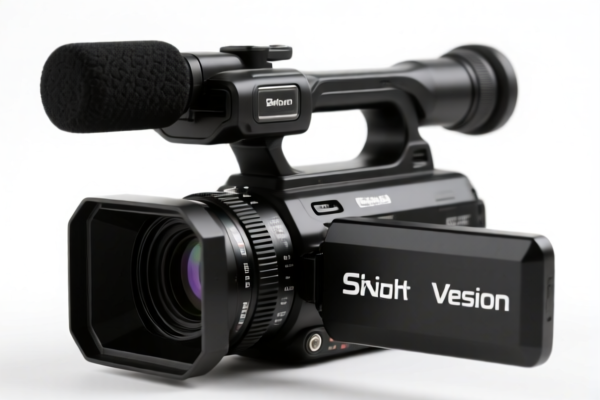
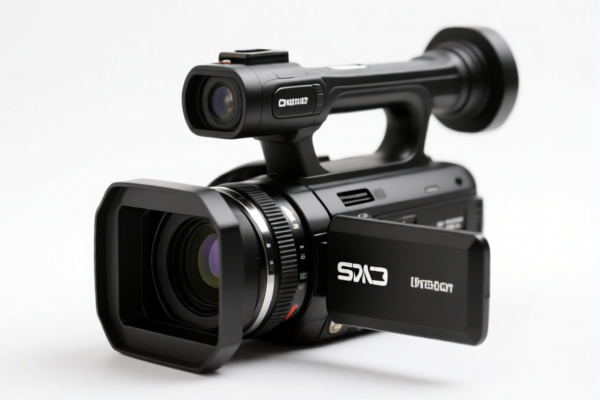
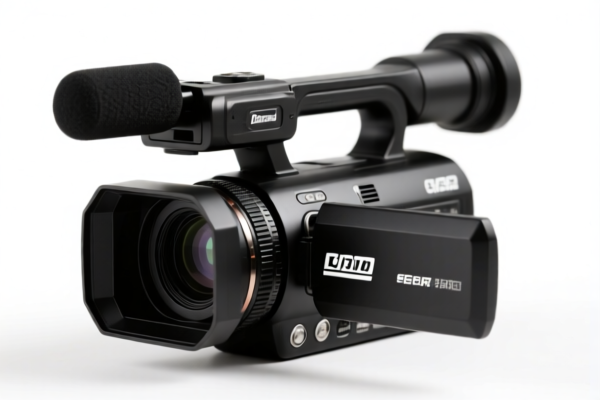
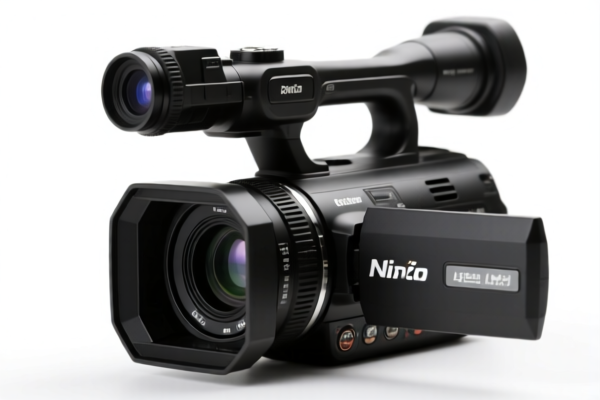
AI Analysis
👁️🗨️ Night Vision Scope (Night Vision Devices)
🌐 HS Code Reference & Customs Clearance Guide | 2026 Latest Tariff Analysis | Professional Clearance Strategy
📌 I. Product Definition & Classification: What Exactly Is a "Night Vision Scope"?
Night Vision Scopes are optical instruments designed to enhance visibility in low-light or total darkness conditions. In international trade, their classification depends heavily on the underlying technology (e.g., active infrared vs. passive image intensification) and specific application (e.g., general observation vs. specialized infrared detection).
There are two primary ways these devices are categorized based on their functional principles:
1. Optical Instruments (General Purpose): - Scopes that function primarily as telescopic sights or general optical viewing devices, often utilizing infrared illumination or image intensification tubes without being strictly classified as "specialized infrared equipment." - Key Feature: Fits the broader category of "Optical Appliances."
2. Infrared-Specific Applications: - Scopes that specifically rely on Infrared (IR) light detection, classification, or interpretation. - Key Feature: If the device’s core function is detecting/classifying IR light, it may fall under specific infrared-related subheadings rather than general optics.
⚠️ Critical Distinction Point:
- If the device is marketed as a general optical sight/scope (even with IR capabilities) →倾向于 9013.10.50.00
- If the device is specifically defined by its infrared light detection/classification capability →倾向于 9005.80.40.20 or 9005.10.00.20 (depending on prism/binocular structure).
📦 II. HS Code Classification Details (Based on Provided Data)
| HS Code | Product Description | Summary/Rationale | Total Tax Rate |
|---|---|---|---|
9013.10.50.00 |
Optical Instruments: Other Optical Appliances | Classified as an optical instrument. Fits the broad scope of "Other optical appliances and instruments." | 22.8% |
9005.80.40.20 |
Telescopes: Other (Infrared Application) | Specifically linked to infrared light detection and classification. High consistency with uses involving IR light. | 18.0% |
9005.10.00.20 |
Binocular Telescopes: Prism (Infrared Application) | Falls under the category of prism binocular telescopes. Consistent with descriptions involving infrared light applications. | 17.5% |
🔍 Key Insight:
- The tax burden varies significantly (17.5% - 22.8%) depending on how precisely the device is described relative to infrared functionality. - 9005.10.00.20 offers the lowest duty if the scope can be classified as a prism binocular type. - 9005.80.40.20 is suitable if the emphasis is on other telescopic devices used for IR detection. - 9013.10.50.00 is the "fallback" general optical category, carrying the highest duty.
💰 III. 2026 Latest Tariff Rate Breakdown (Detailed Tax Clauses)
✅ Scope: Based on provided tax details for Night Vision Scopes
✅ Origin Implication: The tax details include "122 Clause" tariffs, indicating a trade-restricted context (likely US-China trade relations, where Section 301/122 equivalent measures apply).
🎯 1. 9013.10.50.00 – Other Optical Appliances (General Optical)
| Component | Rate | Detail |
|---|---|---|
| Base Duty | 5.3% | Standard MFN/General tariff for optical instruments. |
| Add-on Duty (Section 301/122) | 7.5% | Additional tariff applied to specific Chinese-origin optical goods. |
| Clause 122 Duty | 10.0% | Specific punitive tariff under Clause 122 regulations. |
| Total Effective Rate | 22.8% | Sum of all applicable duties. |
📌 Explanation:
- This classification treats the night vision scope as a general optical instrument. - It attracts three layers of taxation: Base + Section 301/122 + Clause 122. - Risk: Highest cost among the three options. Suitable only if the device cannot be definitively classified as a telescope or IR-specific device.
🎯 2. 9005.80.40.20 – Other Telescopes (Infrared Focus)
| Component | Rate | Detail |
|---|---|---|
| Base Duty | 8.0% | Standard tariff for telescopic devices. |
| Add-on Duty (Section 301/122) | 0.0% | Exempt from this specific add-on. |
| Clause 122 Duty | 10.0% | Still subject to Clause 122. |
| Total Effective Rate | 18.0% | Lower than general optical due to zero add-on duty. |
📌 Explanation:
- This code targets other telescopes used for infrared light detection/classification. - Benefit: 0% add-on duty makes it significantly cheaper than the general optical category. - Condition: The product description must strongly emphasize infrared detection/classification functions.
🎯 3. 9005.10.00.20 – Prism Binocular Telescopes (Infrared Focus)
| Component | Rate | Detail |
|---|---|---|
| Base Duty | 0.0% | Duty-free base rate for prism binoculars. |
| Add-on Duty (Section 301/122) | 7.5% | Standard add-on applies. |
| Clause 122 Duty | 10.0% | Clause 122 still applies. |
| Total Effective Rate | 17.5% | Lowest total tax rate. |
📌 Explanation:
- This is the most cost-effective classification if the device qualifies as a prism binocular telescope. - Benefit: 0% base duty drastically reduces the overall tax burden. - Condition: The device must be structurally identifiable as a binocular with prism optics and used for infrared applications.
🛠️ IV. Customs Clearance Practical Advice (Risk Mitigation)
✅ 1. Documentation Checklist (Essential for Classification)
| Document | Required? | Purpose |
|---|---|---|
| Product Technical Specification | ✔️ | Clearly state if it is Binocular, Monocular, Prism-based, or IR Detection. |
| Operating Principle Description | ✔️ | Explain if it uses Image Intensification (generally optical) or Thermal/IR Detection (infrared-specific). |
| Product Photos (Front/Side/Rear) | ✔️ | Visual proof of binocular structure vs. monocular scope. |
| Commercial Invoice | ✔️ | Use precise terminology: e.g., "Infrared Prism Binocular Night Vision Scope" vs. "Optical Night Vision Device." |
| Declaration of Origin | ✔️ | Essential for applying/deducting Clause 122 taxes. |
✅ 2. Declaration Strategy (Key Tips)
🔥 "Structure First, Function Second: Binoculars Win, IR Specifics Save!"
| Scenario | Recommended HS Code | Why? |
|---|---|---|
| Monocular Night Vision Scope (General) | 9013.10.50.00 |
If it’s not binocular and not strictly IR-only, it defaults to general optics (Higher tax: 22.8%). |
| Binocular Night Vision Goggles (Prism) | 9005.10.00.20 |
Lowest Tax (17.5%). Must be binocular + prism. |
| Monocular Binocular-style (If structured as such) | 9005.10.00.20 |
Check if it fits the "binocular" definition legally. |
| IR Thermal Imager (Detection/Classification focus) | 9005.80.40.20 |
Medium Tax (18.0%). Best if emphasizing IR detection over optical structure. |
| Accessory (e.g., Mount, Battery) | Separate | Do not bundle accessories with the main scope to avoid classification errors. |
✅ 3. Special Considerations
| Issue | Solution |
|---|---|
| Clause 122 Impact | All three codes include a 10% Clause 122 duty. This is non-negotiable for Chinese-origin goods under current regulations. Plan budget accordingly. |
| Base Duty Reduction | Only 9005.10.00.20 offers 0% base duty. If your product is a binocular scope, this is the clear winner. |
| Misclassification Risk | Declaring an IR-specific device as a general optical instrument (9013) leads to underpayment of base duty but overpayment of add-ons. Conversely, declaring a general scope as IR-specific (9005) may lead to seizure for false declaration. |
| Pre-Ruling | If unsure, file an Advance Ruling with customs using detailed product diagrams to confirm if your scope qualifies as "Prism Binocular" or "IR Detection Device." |
📌 V. Conclusion & Recommendation
🎯 Strategic Summary:
- Lowest Cost: 9005.10.00.20 (17.5%) if the device is a prism binocular.
- Medium Cost: 9005.80.40.20 (18.0%) if the device is an other telescope with IR detection features.
- Highest Cost: 9013.10.50.00 (22.8%) if the device is a general optical instrument without clear IR/binary specificity.
📝 Final Advice:
1. Audit Product Structure: Is it binocular? Is it prism-based? If yes, target9005.10.00.20. 2. Emphasize IR Function: If not binocular, focus documentation on infrared detection/classification to target9005.80.40.20. 3. Avoid General Optical: Only use9013.10.50.00if the device cannot fit into the telescope categories, accepting the higher 22.8% duty. 4. Account for Clause 122: The 10% Clause 122 tax is constant across all options. Do not let it cloud the comparison of base and add-on duties.
✨ Professional Customs Clearance Starts with Precise Classification!
💼 Every Percentage Point Counts – Optimize Your Duty Structure Today!
Customer Reviews
About HS Code Classification
The Harmonized System (HS) is an internationally standardized nomenclature developed by the World Customs Organization (WCO) to classify traded products. Over 200 countries use the HS system as the basis for customs tariffs, trade statistics, and import/export regulations.
Each HS code follows a hierarchical structure:
- Chapter (2 digits) — Broad category of goods (e.g., Chapter 84: Machinery and Mechanical Appliances)
- Heading (4 digits) — More specific grouping within the chapter
- Subheading (6 digits) — Internationally standardized breakdown, used by all WCO member countries
- National subdivisions (8-10 digits) — Country-specific extensions for further classification, such as US HTSUS 10-digit codes
Correct HS code classification is essential for smooth customs clearance, accurate duty payment, and compliance with trade regulations. Misclassification can lead to customs delays, overpayment of duties, or penalties.
When importing from CN to US, the applicable tariff rates may include:
- Most-Favored-Nation (MFN) rate — The standard duty rate applied to WTO members
- General rate — Applied to countries without trade agreements
- Trade remedy duties — Additional tariffs such as Section 301 (anti-dumping), Section 232 (national security), or countervailing duties
The information provided on this page is for reference purposes only. For official classification, please consult with your local customs authority or a licensed customs broker.