Nipple Pads
CN → US| HS Code | Tariff Rate | Origin | Destination | Doc |
|---|---|---|---|---|
| 9619009000 | 24.5% | CN | US | Official Doc |
| 6307909891 | 24.5% | CN | US | Official Doc |
| 6307909875 | 24.5% | CN | US | Official Doc |
| 9619001560 | 17.5% | CN | US | Official Doc |
Product Images
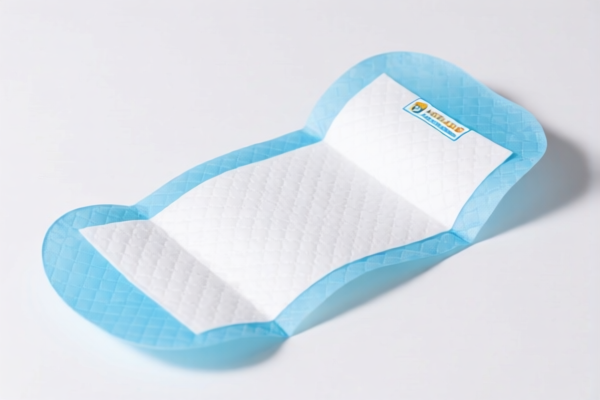
AI Analysis
🍼 Nipple Pads (Nipple Shields / Nursing Pads)
🌐 HS Code Reference & Customs Clearance Guide | 2026 Latest Tariff Analysis | Professional Entry Strategy
📌 I. Product Definition & Classification: What Exactly Are "Nipple Pads"?
Nipple Pads are small, adhesive, or non-adhesive disks designed to cover the nipple area. They serve two primary functions in international trade: 1. Medical/Nursing Use: Protecting sensitive nipples during breastfeeding (often silicone or cloth). 2. Cosmetic/Hygienic Use: Preventing nipple show-through under clothing or for hygiene purposes (often foam, cotton, or non-woven fabric with adhesive).
In customs classification, the key distinction lies in whether they are deemed "Hygiene Products" (Chapter 96) or "Textile/Other Made-up Articles" (Chapter 63).
⚠️ Key Differentiation Point:
- If primarily for hygiene/cosmetic use (prevent show-through, absorbent) → Often classified under Chapter 96 as "Other Hygiene Articles".
- If primarily textile-based or generic "made-up articles" without specific hygiene claim → Often classified under Chapter 63 as "Other Made-up Articles".
- Material Conflict? No. Whether silicone, cotton, or non-woven, these materials fall under the "Other" (兜底) categories in both chapters, causing no material conflict.
📦 II. HS Code Classification Details (2026 Latest Tariff Authority对照)
| HS Code | Product Description | Application Scenario | Material Logic |
|---|---|---|---|
9619.00.90.00 |
Other sanitary articles (including tampons, napkins, and pads for babies) | Cosmetics, hygiene pads, non-medical nipple shields | ✅ Fits: Classified as "Other Hygiene Products". Logical deduction: Non-woven/adhesive materials match the "Other" umbrella. |
6307.90.98.91 |
Other made-up articles, n.e.s. (Non-woven/Textile based) | Generic textile nipple covers, reusable cloth pads | ✅ Fits: "Finished Product" form. No material conflict with "Other" exclusion lists. Silicone/fabric accepted. |
6307.90.98.75 |
Other made-up articles, n.e.s. (Focus on Face/Face Care Extension) | Silicone nipple masks, facial/nipple care accessories | ✅ Fits: Extended from face masks. Silicone/adhesive fabric fits "Other" category logically. |
9619.00.15.60 |
Other sanitary articles (Specific sub-category for hygiene) | Medical-grade or standard nursing pads (Cotton/Cellulose) | ✅ Fits: Hygiene/Personal Care item. Common materials (cotton, cellulose, non-woven) align with "Other" logic. |
🔍 Important Reminder:
- Hygiene Focus: If marketed as "Hygiene" or "Sanitary,"9619is preferred.
- Generic Focus: If marketed as general "Apparel Accessory" or "Textile,"6307is safer.
- No Material Exclusion: All common materials (Silicone, Cotton, Non-woven) are covered under "Other" in these codes.
💰 III. 2026 Latest Tariff Rate Details (Including Additional Taxes & Policies)
✅ Applicable Country: United States (US)
✅ Origin: China (CN)
✅ Effective Time: From November 10, 2025 (including subsequent imports)
🎯 1. 9619.00.90.00 & 6307.90.98.91 & 6307.90.98.75 —— Hygiene/Other Made-up Articles
| Item | Content |
|---|---|
| Base Tariff | 7.0% (ad valorem) |
| USITC Additional Tax (Section 301) | +7.5% |
| IEEPA Additional Tax (Section 122/EO) | +10% (For China/HK products) |
| Total Tariff Rate | 24.5% |
| Tax Calculation | CIF Value × 24.5% |
| De Minimis Eligibility | ❌ Not Eligible (deny_de_minimis for Section 301/IEEPA goods) |
| Legal Basis Path | Base: 7% → Section 301: +7.5% → IEEPA: +10% → Total: 24.5% |
📌 Explanation:
- Base 7%: Standard Most Favored Nation (MFN) rate for these "Other" categories.
- Section 301 (+7.5%): USITC imposed tariffs on specific Chinese imports.
- IEEPA (+10%): Executive Order tariffs targeting Chinese goods under the International Emergency Economic Powers Act.
- Total 24.5%: This is a high tariff, significantly increasing landing costs. Must be factored into pricing.
🎯 2. 9619.00.15.60 —— Specific Sanitary Hygiene Article
| Item | Content |
|---|---|
| Base Tariff | 0.0% (ad valorem) |
| USITC Additional Tax (Section 301) | +7.5% |
| IEEPA Additional Tax (Section 122/EO) | +10% |
| Total Tariff Rate | 17.5% |
| Tax Calculation | CIF Value × 17.5% |
| De Minimis Eligibility | ❌ Not Eligible (deny_de_minimis) |
| Legal Basis Path | Base: 0% → Section 301: +7.5% → IEEPA: +10% → Total: 17.5% |
📌 Note:
- This code has a 0% base tariff, making it 7.5% cheaper than the9619.90or6307options.
- However, it requires stricter justification that the product falls under this specific hygiene sub-category. Misclassification here can lead to audits.
- Recommendation: If your product is clearly a "sanitary/nursing pad," push for9619.00.15.60to save 7.5%.
🛠️ IV. Customs Clearance Practical Advice (Real-World Pitfall Avoidance Guide)
✅ 1. Documentation Checklist (Essential)
| Document | Must Provide | Description |
|---|---|---|
| ✅ Product Specification Sheet | ✔️ | Details: Size, material (Silicone/Cotton/Non-woven), adhesive type, reusability. |
| ✅ Product Photos | ✔️ | Clear images showing usage (covering nipple), packaging, and labels. |
| ✅ Commercial Invoice | ✔️ | Clearly state: "Nipple Pads for Hygiene/Nursing Use". Avoid vague terms like "Clothing Accessories." |
| ✅ Material Declaration | ✔️ | Specify if Silicone, Cotton, or Non-woven. Crucial for Chapter 96 vs. 63 distinction. |
| ✅ Usage Statement | ✔️ | "For personal hygiene to prevent show-through" or "For breastfeeding protection." |
✅ 2. Declaration Tips (Key Mantra)
🔥 "Be Specific, Avoid Vague, Choose the Right Chapter!"
| Scenario | Correct Declaration | Wrong Practice |
|---|---|---|
| Silicone Nipple Shields | HS 6307.90.98.75 or 9619.90.90.00 |
Declare as "Plastic Parts" → Higher Risk |
| Cotton Nursing Pads | HS 9619.00.15.60 (Best) |
Declare as "Cotton Textile" → Higher Tax (24.5%) |
| Generic Hygiene Pads | HS 9619.00.90.00 |
Declare as "Garment Accessories" → Audit Risk |
| Mixed Packaging | Total Weight Value | Split into "Silicone" + "Cotton" → Complexity |
✅ 3. Special Situation Handling
| Situation | Handling Advice |
|---|---|
| OEM/Private Label | Ensure invoice matches brand owner. Provide design specs to justify "Hygiene" use. |
| Silicone vs. Cloth | Silicone is often 6307. Cloth/Cotton can be 9619 (if hygiene) or 6307. 9619.15.60 is best for Cotton. |
| De Minimis (Section 321) | ❌ NOT APPLICABLE. Even for small packages (<$800), Section 301 and IEEPA taxes apply. No tax-free entry for Chinese-origin nipple pads. |
| FDA Registration | If marketed for breastfeeding medical use, may require FDA registration. If cosmetic, less strict. |
🌍 V. Global Market Comparison (2026 Latest)
| Country/Region | Recommended HS Code | Tariff (China Origin) | Certification | Notes |
|---|---|---|---|---|
| 🇺🇸 USA | 9619.00.15.60 |
17.5% (Best Case) | None (Cosmetic) / FDA (Medical) | High tax due to Section 301/IEEPA. |
| 🇪🇺 EU | 6307.90.90 |
0% - 4% | CE (if medical) | No Section 301 equivalent. Lower tax. |
| 🇬🇧 UK | 9619.00.90 |
0% - 5% | UKCA | Post-Brexit rules apply. |
| 🇨🇳 China | 9619.00.90 |
6.5% - 10% | N/A | Import duties for domestic sale. |
📌 Conclusion:
- USA is the most expensive market due to the 24.5% or 17.5% combined tariffs.
- EU/UK are cheaper with minimal or zero additional tariffs.
- Cost Optimization: Try to classify under9619.00.15.60(17.5%) instead of9619.90.90.00(24.5%) if materials allow.
📌 VI. Common Errors & Pitfall Guide (Blood & Tears Lessons)
❌ Mistake 1: Declaring as "Clothing Accessory" to avoid "Hygiene" scrutiny.
👉 Consequence: Customs may reclassify to 9619 anyway, charging 24.5% + penalties.
👉 Fix: Be honest. If it's hygiene, declare as hygiene.
❌ Mistake 2: Assuming De Minimis ($800) applies.
👉 Consequence: Package seized, fines, and back-taxes of 24.5%.
👉 Fix: Always declare and pay taxes for Chinese-origin nipple pads.
❌ Mistake 3: Using "Nipple Shield" for medical vs. "Nipple Cover" for cosmetic.
👉 Consequence: Confusion in HS Code. 9619 is broader.
👉 Fix: Use "Nipple Pads" or "Breastfeeding Pads" for 9619. Use "Nipple Shield" (flange) for 9018 (Medical Device) if it's a rigid plastic insert, but soft pads are 9619.
✅ Correct Way:
"Silicone Nipple Pads, Reusable, Hygiene Use, Model XYZ, Made in China"
HS:9619.00.90.00→ 24.5%"Cotton Nursing Pads, Disposable, Breastfeeding Aid"
HS:9619.00.15.60→ 17.5% (Preferred)
🎯 VII. Conclusion: Professional Classification Saves Money!
🎯 Remember the Mantra:
🔹 "Silicone is 6307, Cotton is 9619.90, Nursing Cotton is 9619.15!"
🔹 "No De Minimis for China! 24.5% is the standard, 17.5% is the goal!"
🔹 "HS Code determines your profit margin. Misclassification costs 7.5%!"
📌 Pro Tip:
If your Nipple Pads are made in Vietnam, Thailand, or Mexico, they may qualify for IEEPA Exemption (0% additional tax). Only the base rate applies.
👉 Strategy: Consider shifting production to non-China countries if volume is high, to save 10% (IEEPA) + 7.5% (301) = 17.5% total savings.
📣 Immediate Action:
📞 Contact your Customs Broker + Provide Material Specs + Apply for Advance Ruling
🚀 Let your Nipple Pads clear customs smoothly, maximize profit, and scale globally!
✨ Professional Clearance Starts with Precise Classification!
💼 Every Percent of Tax Saved is Pure Profit!
Customer Reviews
About HS Code Classification
The Harmonized System (HS) is an internationally standardized nomenclature developed by the World Customs Organization (WCO) to classify traded products. Over 200 countries use the HS system as the basis for customs tariffs, trade statistics, and import/export regulations.
Each HS code follows a hierarchical structure:
- Chapter (2 digits) — Broad category of goods (e.g., Chapter 84: Machinery and Mechanical Appliances)
- Heading (4 digits) — More specific grouping within the chapter
- Subheading (6 digits) — Internationally standardized breakdown, used by all WCO member countries
- National subdivisions (8-10 digits) — Country-specific extensions for further classification, such as US HTSUS 10-digit codes
Correct HS code classification is essential for smooth customs clearance, accurate duty payment, and compliance with trade regulations. Misclassification can lead to customs delays, overpayment of duties, or penalties.
When importing from CN to US, the applicable tariff rates may include:
- Most-Favored-Nation (MFN) rate — The standard duty rate applied to WTO members
- General rate — Applied to countries without trade agreements
- Trade remedy duties — Additional tariffs such as Section 301 (anti-dumping), Section 232 (national security), or countervailing duties
The information provided on this page is for reference purposes only. For official classification, please consult with your local customs authority or a licensed customs broker.