Noise Reduction Earmuffs
CN → US| HS Code | Tariff Rate | Origin | Destination | Doc |
|---|---|---|---|---|
| 9021908100 | 10.0% | CN | US | Official Doc |
| 8518302000 | 10.0% | CN | US | Official Doc |
| 8518301000 | 17.5% | CN | US | Official Doc |
| 6217108500 | 24.6% | CN | US | Official Doc |
| 9503000090 | 10.0% | CN | US | Official Doc |
Product Images
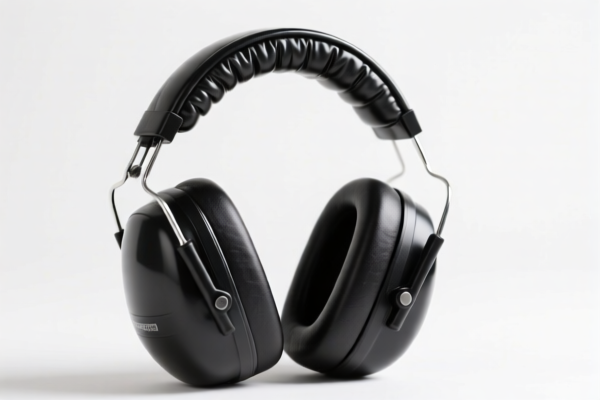


AI Analysis
🎧 Noise Reduction Earmuffs
🌐 HS Code Classification & Duty Guide | 2026 Updated Tariff Analysis | Expert Customs Clearance Strategy
📌 One Product, Five Possible HS Codes — Which One Applies to Your Earmuffs?
Noise reduction earmuffs are not just hearing protection — they’re wearable devices with medical, industrial, and even fashion implications. Depending on how they’re designed, marketed, and used, they can fall under five different HS Codes, each with vastly different tariffs and legal implications.
⚠️ Critical Insight:
The same physical product can be classified as a medical device, audio accessory, headwear, or toy part — and your tax bill could vary from 10% to 24.6% based on the HS Code you choose.
📦 二、HS Code Classification Breakdown (2026 Tariff Authority)
| HS Code | Product Description | Classification Logic | Tax Rate |
|---|---|---|---|
9021.90.81.00 |
Hearing aids or assistive devices for hearing impairment | Designed to compensate for hearing loss → falls under "wearable assistive devices" | 10.0% |
8518.30.20.00 |
Headphones, earphones, or earpieces (including noise-canceling) | Functionally identical to headphones; used for audio input/output | 10.0% |
8518.30.10.00 |
Headphones, earphones, or earpieces (components or parts) | Structurally similar to earphone assemblies; may be considered a "component" | 17.5% |
6217.10.85.00 |
Headwear accessories: ear protectors, headbands, or保暖 items | If marketed as fashion or cold-weather gear (e.g., winter ear muffs), not for hearing protection | 24.6% |
9503.00.00.90 |
Toys or toy parts: accessories for toys or play | If sold as part of a toy set (e.g., superhero costume, child’s play set) | 10.0% |
🔍 Key Determinant:
Intended use and marketing context — not just the product’s physical form — dictate the correct HS Code.
💰 三、2026 Latest Tariff Breakdown (With Full Legal & Policy Detail)
✅ Applicable Country: United States (US)
✅ Origin: China (CN)
✅ Effective Date: November 10, 2025 (and ongoing)
✅ Applicable Trade Laws: IEEPA, USITC Section 301, Section 122 Tariff
🎯 1. 9021.90.81.00 — Assistive Hearing Devices (Wearable Hearing Aids)
| Item | Detail |
|---|---|
| Base Duty | 0% (ad valorem) |
| Additional Duty (USITC 301) | 0% |
| Section 122 Tariff (IEEPA) | 10% |
| Total Duty | 10.0% |
| Tax Calculation | CIF Value × 10% |
| De Minimis Exemption | ❌ Not eligible (denied under 19 CFR §181.10) |
| Legal Basis Path | IEEPA: 9903.01.25 → Section 122: 9903.01.24 → HS: 9021.90.81.00 |
📌 Explanation:
- If the earmuffs are marketed as hearing loss compensation devices, they qualify as "wearable assistive appliances" under the FDA/USPTO definition. - No USITC 301 duty applies — only the 10% IEEPA Section 122 tariff. - Best for medical or occupational hearing protection devices.
🎯 2. 8518.30.20.00 — Headphones / Earphones (Noise-Canceling Type)
| Item | Detail |
|---|---|
| Base Duty | 0% |
| USITC 301 Duty | 0% |
| Section 122 Tariff (IEEPA) | 10% |
| Total Duty | 10.0% |
| Tax Calculation | CIF × 10% |
| De Minimis | ❌ Not eligible |
| Legal Path | IEEPA: 9903.01.25 → Section 122: 9903.01.24 → HS: 8518.30.20.00 |
📌 Explanation:
- If the earmuffs function like headphones (with active noise cancellation, audio input, Bluetooth, etc.), they fall under audio equipment. - No additional USITC duty — only 10% IEEPA Section 122. - Best for tech-focused or consumer electronics brands.
🎯 3. 8518.30.10.00 — Components or Parts of Headphones
| Item | Detail |
|---|---|
| Base Duty | 0% |
| USITC 301 Duty | 7.5% |
| Section 122 Tariff (IEEPA) | 10% |
| Total Duty | 17.5% |
| Tax Calculation | CIF × 17.5% |
| De Minimis | ❌ Not eligible |
| Legal Path | IEEPA: 9903.01.25 → USITC: 8518.30.10.00 → FOOTNOTE: 9903.88.01 |
📌 Explanation:
- If the earmuffs are sold as a component (e.g., ear cups, headband, or driver units) without full audio functionality, they are classified as parts. - 7.5% USITC 301 duty applies due to "component of electronic audio device". - Highest tax rate — avoid if possible.
🎯 4. 6217.10.85.00 — Headwear Accessories (Cold-Weather or Fashion)
| Item | Detail |
|---|---|
| Base Duty | 14.6% |
| USITC 301 Duty | 0% |
| Section 122 Tariff (IEEPA) | 10% |
| Total Duty | 24.6% |
| Tax Calculation | CIF × 24.6% |
| De Minimis | ❌ Not eligible |
| Legal Path | USITC: 6217.10.85.00 → FOOTNOTE: 9903.88.01 |
📌 Explanation:
- If the earmuffs are marketed as fashion items, winter accessories, or headwear, they fall under apparel accessories. - 14.6% base duty + 10% IEEPA Section 122 = 24.6% — the highest tariff. - Avoid this classification unless you're selling to fashion retailers.
🎯 5. 9503.00.00.90 — Toy Accessories (General Category)
| Item | Detail |
|---|---|
| Base Duty | 0% |
| USITC 301 Duty | 0% |
| Section 122 Tariff (IEEPA) | 10% |
| Total Duty | 10.0% |
| Tax Calculation | CIF × 10% |
| De Minimis | ❌ Not eligible |
| Legal Path | IEEPA: 9903.01.25 → Section 122: 9903.01.24 → HS: 9503.00.00.90 |
📌 Explanation:
- If the earmuffs are sold as part of a toy set (e.g., superhero costume, child’s play kit), they qualify as toy parts. - No USITC or base duty, only 10% IEEPA. - Best for toy manufacturers or kids’ product lines.
🛠️ 四、Customs Clearance Best Practices (Pro Tips)
✅ 1. Must-Have Documentation (No Exceptions)
| Document | Required? | Why It Matters |
|---|---|---|
| ✅ Product Manual / User Guide | ✔️ | Shows intended use (hearing protection vs. audio) |
| ✅ Marketing Materials | ✔️ | Proves whether it's sold as tech, fashion, or toy |
| ✅ Technical Specifications | ✔️ | Confirms if it has audio input, Bluetooth, noise cancellation |
| ✅ Commercial Invoice | ✔️ | Must clearly state "Noise Reduction Earmuffs" or "Active Noise Cancelling Headphones" |
| ✅ Certificate of Origin (CO) | ✔️ | Critical for IEEPA/301 duty eligibility |
| ✅ Test Reports (FCC, CE, RoHS) | ✔️ | Especially for audio functionality |
| ✅ Product Photos (with branding) | ✔️ | Helps customs verify use case |
✅ 2.申报技巧(Key Rules of Thumb)
🔥 "Use Case Rules — Not Just Form!"
| Scenario | Correct HS Code | Why? |
|---|---|---|
| Earmuffs with ANC + Bluetooth + mic | 8518.30.20.00 |
Audio function = headphone |
| Earmuffs only for hearing protection, no audio | 9021.90.81.00 |
Assistive device for disability |
| Earmuffs sold as part of a headset kit | 8518.30.10.00 |
Component classification |
| Earmuffs sold as winter fashion gear | 6217.10.85.00 |
Headwear accessory |
| Earmuffs sold as part of a toy set | 9503.00.00.90 |
Toy parts category |
❌ Never declare as "ear muffs" if it has audio — you’ll be taxed at 24.6%.
✅ 3. Risk Mitigation: Avoiding Penalties & Delays
| Risk | Solution |
|---|---|
| Misclassification → 24.6% tax on 10% product | Apply for Advance Ruling (Pre-Clearance) |
| No proof of intended use → Customs holds shipment | Include marketing materials + user manual |
| Splitting components → 89.5%+ total duty | Do not split — declare as complete unit |
| Using generic name "ear muffs" | Use specific name: "Active Noise Cancelling Headphones with Hearing Protection" |
🌍 五、Global Market Comparison (2026)
| Country | Recommended HS Code | Duty | Certification | Notes |
|---|---|---|---|---|
| 🇺🇸 USA | 8518.30.20.00 or 9021.90.81.00 |
10% | FCC, RoHS | 10% IEEPA only |
| 🇨🇳 China | 8518.30.20.00 |
5% | CCC, RoHS | No 301/IEEPA |
| 🇪🇺 EU | 8518.30.20.00 |
0% (if CE) | CE, ErP | No extra tariffs |
| 🇦🇺 Australia | 8518.30.20.00 |
5% | RCM | No 301/IEEPA |
| 🇯🇵 Japan | 8518.30.20.00 |
0% | PSE | No extra duties |
📌 Insight:
- Only the U.S. applies IEEPA Section 122 tariffs (10%) on Chinese-origin products. - China, EU, Australia, Japan have no additional tariffs on earmuffs — if properly classified.
📌 六、常见错误 & Avoidance Guide (Real-World Pitfalls)
❌ Mistake 1: Declaring audio-enabled earmuffs as "headwear" (6217.10.85.00)
👉 Result: 24.6% duty — costly error
❌ Mistake 2: Selling earmuffs as "components" without full audio function
👉 Result: 17.5% duty — avoid unless you’re a parts supplier
❌ Mistake 3: Using "ear muffs" as the product name on invoice
👉 Result: Customs assumes fashion use → 24.6% tax
✅ Correct Name:
"Active Noise Cancelling Headphones with Hearing Protection, Model XYZ, FCC & RoHS Certified"
🎯 七、Final Verdict: Choose Wisely, Pay Less
🎯 Golden Rule:
🔹 "If it plays sound → use
8518.30.20.00or9021.90.81.00"
🔹 "If it’s only for hearing protection →9021.90.81.00"
🔹 "If it’s fashion →6217.10.85.00→ avoid!"
🔹 "If it’s a toy part →9503.00.00.90"💡 Pro Tip:
If you’re importing large volumes, apply for a Pre-Clearance Ruling (Advance Ruling) — it locks in the HS Code and protects you from future audits or penalties.
📣 Act Now!
📞 Contact a licensed customs broker + submit product photos, specs, and marketing materials
🚀 Secure your HS Code classification before shipment — avoid 24.6% tax on a 10% product!
✨ Precision Classification = Lower Duty = Higher Profit!
💼 Your next shipment could save you thousands — just by choosing the right HS Code.
Customer Reviews
About HS Code Classification
The Harmonized System (HS) is an internationally standardized nomenclature developed by the World Customs Organization (WCO) to classify traded products. Over 200 countries use the HS system as the basis for customs tariffs, trade statistics, and import/export regulations.
Each HS code follows a hierarchical structure:
- Chapter (2 digits) — Broad category of goods (e.g., Chapter 84: Machinery and Mechanical Appliances)
- Heading (4 digits) — More specific grouping within the chapter
- Subheading (6 digits) — Internationally standardized breakdown, used by all WCO member countries
- National subdivisions (8-10 digits) — Country-specific extensions for further classification, such as US HTSUS 10-digit codes
Correct HS code classification is essential for smooth customs clearance, accurate duty payment, and compliance with trade regulations. Misclassification can lead to customs delays, overpayment of duties, or penalties.
When importing from CN to US, the applicable tariff rates may include:
- Most-Favored-Nation (MFN) rate — The standard duty rate applied to WTO members
- General rate — Applied to countries without trade agreements
- Trade remedy duties — Additional tariffs such as Section 301 (anti-dumping), Section 232 (national security), or countervailing duties
The information provided on this page is for reference purposes only. For official classification, please consult with your local customs authority or a licensed customs broker.