Noise canceling earmuffs
CN → US| HS Code | Tariff Rate | Origin | Destination | Doc |
|---|---|---|---|---|
| 9021908100 | 10.0% | CN | US | Official Doc |
| 8518302000 | 10.0% | CN | US | Official Doc |
| 8518301000 | 17.5% | CN | US | Official Doc |
| 6217108500 | 24.6% | CN | US | Official Doc |
| 9503000090 | 10.0% | CN | US | Official Doc |
Product Images
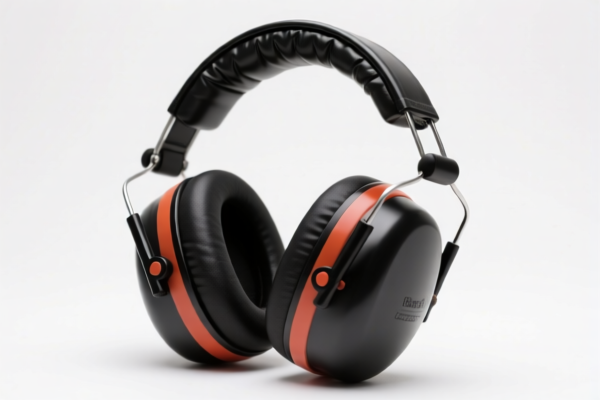
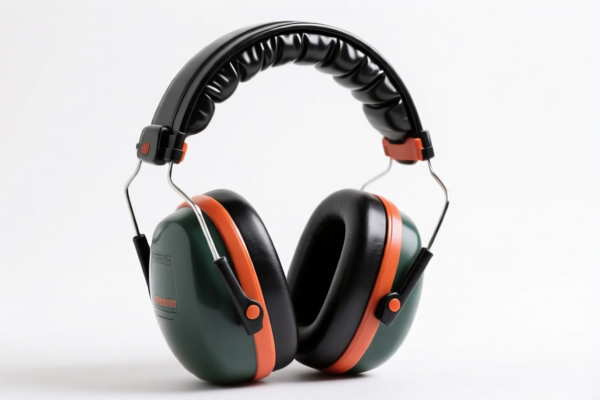
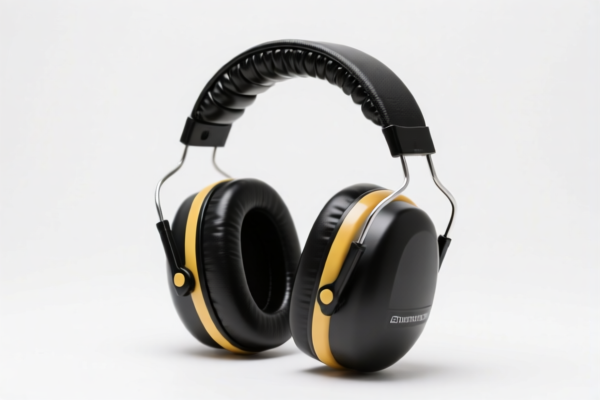
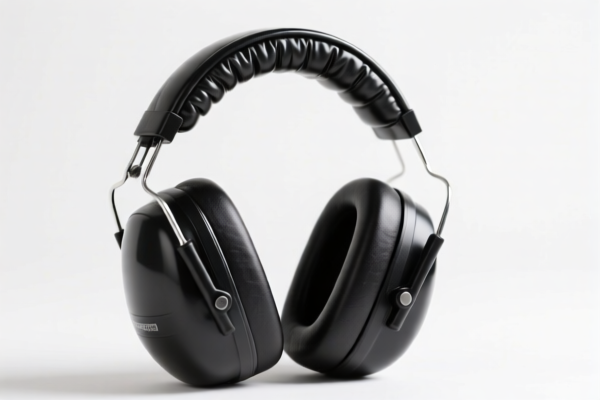
AI Analysis
🎧 Noise Canceling Earmuffs: HS Code Classification & US Customs Clearance Guide (2026)
🌐 HS Code Reference & Customs Clearance Strategy | 2026 Latest Tariff Analysis | Professional Compliance Guide
📌 I. Product Definition & Classification: Do You Really Know What "Earmuffs" Are?
Noise-canceling earmuffs are a versatile product category that can fall under vastly different HS Codes depending on their primary function, structure, and intended use. In international trade, they are not a single monolithic category. Misclassification can lead to significant tariff discrepancies, ranging from 10% to 24.6%, plus additional duties.
The classification hinges on answering one critical question: What is the primary purpose of this item?
- Audio/Communication Device: If it delivers sound, music, or communication signals (e.g., active noise cancellation for audio).
- Medical/Assistive Device: If it is specifically designed to compensate for a hearing defect or disability.
- Fashion/Accessory: If it is primarily for warmth, headwear, or decoration.
- Toy/Accessory: If it is a part of a toy set or a general accessory not meeting the above criteria.
⚠️ Key Distinction:
- If it has speakers, batteries, or circuitry for audio output → Likely 8518 or 9021.
- If it is purely fabric/foam for warmth or fashion → Likely 6217 or 9503.
- Do not assume all earmuffs are the same! The presence of electronic components drastically changes the HS Code and tax liability.
📦 II. HS Code Classification Details (2026 Latest Tariff Authority)
Based on the provided data, here are the 5 possible HS Codes for noise-canceling earmuffs, each with a distinct tax implication.
| HS Code | Product Description | Primary Function / Use Case | Key Classification Logic |
|---|---|---|---|
8518.30.20.00 |
Headphones / Earphones (Audio Output) | Consumer Audio, Music, Communication | Form factor matches headphones; functional use is audio/speaker setup. |
8518.30.10.00 |
Headphone Parts / Components | Components of audio devices | Form factor is a component of a larger headphone/earpiece system. |
9021.90.81.00 |
Medical/Assistive Hearing Devices | Hearing Aid Accessories, Disability Compensation | Specifically for compensating for hearing defects/disabilities. |
6217.10.85.00 |
Made-up Accessories of Clothing | Fashion Headwear, Warmth, Decoration | Classified as a clothing accessory (headband/tie-like item) for warmth/decoration. |
9503.00.00.90 |
Toy Accessories | Toy Parts, Children's Play Items | Classified as an accessory/part of a toy category (fallback definition). |
🔍 Critical Insight:
-8518Codes: Apply if the earmuff is an electronic audio device. This is the most common classification for modern "noise-canceling" headphones.
-9021Code: Applies only if medically certified as a hearing assistive device.
-6217Code: Applies to non-electronic earmuffs used for warmth or fashion, or if misclassified as a clothing accessory.
-9503Code: A low-tariff fallback for toy accessories, but risky if the item is not a toy.
💰 III. 2026 Latest Tariff Rate Breakdown (Including Surcharges)
✅ Applicable Country: United States (US)
✅ Origin: China (CN)
✅ Effective Date: 2025/2026 Tariff Regime
🎯 1. 8518.30.20.00 — Headphones/Earpieces (Audio Devices)
| Item | Content |
|---|---|
| Base Tariff | 0.0% |
| Section 301 Surcharge | 0.0% |
| Section 122 Tariff | 10.0% |
| Total Tariff Rate | 10.0% |
| Tax Calculation | CIF Value × 10% |
| De Minimis Exemption | ❌ Not Eligible (Section 122 applies to low-value shipments too) |
| Legal Basis | Section 122: 19 U.S.C. 1304 (Marking/Rate adjustments) / HTSUS 8518.30.20 |
📌 Explanation:
- This is the standard rate for consumer audio earmuffs.
- The 10% Section 122 tariff is applied regardless of value.
- No Section 301 (25%) applies to this specific subheading in this dataset, making it a cost-effective classification if the product qualifies as standard headphones.
🎯 2. 8518.30.10.00 — Headphone Components
| Item | Content |
|---|---|
| Base Tariff | 0.0% |
| Section 301 Surcharge | 7.5% |
| Section 122 Tariff | 10.0% |
| Total Tariff Rate | 17.5% |
| Tax Calculation | CIF Value × 17.5% |
| De Minimis Exemption | ❌ Not Eligible |
| Legal Basis | Section 301: 19 U.S.C. 2411 + Section 122 |
📌 Explanation:
- If customs views the earmuff as a component rather than a finished audio device, the tariff jumps to 17.5%.
- The 7.5% Section 301 is added, increasing the burden.
- Recommendation: Fight for8518.30.20.00if possible, as it saves 7.5% in duties.
🎯 3. 9021.90.81.00 — Medical Hearing Assistive Devices
| Item | Content |
|---|---|
| Base Tariff | 0.0% |
| Section 301 Surcharge | 0.0% |
| Section 122 Tariff | 10.0% |
| Total Tariff Rate | 10.0% |
| Tax Calculation | CIF Value × 10% |
| De Minimis Exemption | ❌ Not Eligible |
| Legal Basis | Section 122 + HTSUS 9021.90.81 |
📌 Explanation:
- Only applicable if the product is FDA-registered or designed for medical hearing compensation.
- High Barrier to Entry: Requires strict medical device documentation.
- Tax Benefit: Same as consumer headphones (10%), but compliance is harder.
🎯 4. 6217.10.85.00 — Clothing Accessories (Fashion/Warmth)
| Item | Content |
|---|---|
| Base Tariff | 14.6% |
| Section 301 Surcharge | 0.0% |
| Section 122 Tariff | 10.0% |
| Total Tariff Rate | 24.6% |
| Tax Calculation | CIF Value × 24.6% |
| De Minimis Exemption | ❌ Not Eligible |
| Legal Basis | Section 122 + HTSUS 6217.10.85 |
📌 Explanation:
- Highest Base Tariff (14.6%) among the options.
- This classification is risky if the product has any electronic components. If customs finds speakers/batteries, this classification will be rejected, leading to back taxes + penalties.
- Use Case: Only for non-electronic, warm, fabric earmuffs.
🎯 5. 9503.00.00.90 — Toy Accessories
| Item | Content |
|---|---|
| Base Tariff | 0.0% |
| Section 301 Surcharge | 0.0% |
| Section 122 Tariff | 10.0% |
| Total Tariff Rate | 10.0% |
| Tax Calculation | CIF Value × 10% |
| De Minimis Exemption | ❌ Not Eligible |
| Legal Basis | Section 122 + HTSUS 9503.00.00 |
📌 Explanation:
- Low Tariff (10%) but High Risk.
- Misclassifying adult audio equipment as "toy accessories" is a major red flag for Customs.
- Only appropriate if the product is explicitly a toy (e.g., for children, decorative, no audio function).
🛠️ IV. Customs Clearance Practical Advice (Step-by-Step Guide)
✅ 1. Documentation Checklist (Must-Have)
| Document | Required? | Notes |
|---|---|---|
| Product Specification Sheet | ✅ Yes | Must detail electronic components (battery, speakers, chips) if any. |
| Product Photos | ✅ Yes | Clear images of front, back, and internal components if disassembled. |
| Function Description | ✅ Yes | Explicitly state: "Active Noise Cancellation via Audio," "Passive Warmth," or "Medical Aid." |
| Certifications | ✅ Yes | FCC (for electronics), FDA (for medical), CE/RoHS. |
| Commercial Invoice | ✅ Yes | Describe product accurately: "Noise-Canceling Headphones, Model XYZ" NOT just "Earmuffs." |
| Packing List | ✅ Yes | List all items included (case, cables, etc.). |
✅ 2. Classification Strategy (Key Decision Points)
| Scenario | Recommended HS Code | Reason |
|---|---|---|
| Electronic Earmuffs (Audio/ANC) | 8518.30.20.00 |
Standard consumer audio device. Lowest effective tax (10%). |
| Medical Hearing Aids/Earmuffs | 9021.90.81.00 |
Only if medically certified. Same tax as audio, but stricter compliance. |
| Non-Electronic Warm Earmuffs | 6217.10.85.00 |
If no electronics, but be prepared for higher base tax (24.6%). |
| Children’s Toy Earmuffs | 9503.00.00.90 |
Only if designed for play. Risky for adult products. |
| Component Parts (Sold Separately) | 8518.30.10.00 |
If sold as a spare part for headphones. Higher tax (17.5%). |
🔥 Pro Tip:
"Define by Function, Not By Appearance!"
Just because it looks like an earmuff doesn’t mean it’s a clothing accessory. If it has speakers, it’s likely 8518. If it’s just foam and fabric, it’s 6217.
✅ 3. Common Pitfalls & How to Avoid Them
| Pitfall | Consequence | Solution |
|---|---|---|
| Misclassifying Audio Devices as Fashion | Customs rejection, back taxes, penalties. | Provide FCC certification and circuit diagrams to prove electronic nature. |
| Using Vague Descriptions ("Earmuffs") | Ambiguity leads to higher duty rates or delays. | Use specific terms: "Active Noise-Canceling Headphones" or "Thermal Headband." |
| Ignoring Section 122 | Unexpected 10% tariff on all shipments. | Factor the 10% Section 122 tariff into all pricing models, regardless of HS Code. |
| Claiming De Minimis for Section 122 | Goods seized or taxed retroactively. | Remember: Section 122 applies to all values, even under $800. |
🌍 V. Global Market Comparison (2026)
| Country | Recommended HS Code (Audio) | Tariff Rate | Key Certification |
|---|---|---|---|
| 🇺🇸 USA | 8518.30.20.00 |
10.0% | FCC, Section 122 |
| 🇨🇳 China | 8518.30.20.00 |
0% - 5% | CCC |
| 🇪🇺 EU | 8518.30.20.00 |
0% | CE, RoHS |
| 🇬🇧 UK | 8518.30.20.00 |
0% | UKCA |
| 🇨🇦 Canada | 8518.30.20.00 |
0% | IC |
📌 Conclusion:
- The US market is the most challenging due to Section 122 tariffs (10%) and strict enforcement.
- Electronics are generally tariff-free in EU/UK/Canada, but the US imposes a flat 10% on this category.
- No De Minimis Exemption in the US for Section 122 goods means even small samples are taxed.
📌 VI. Final Recommendations for Importers
- Pre-Classification is Critical:
- If your earmuffs have active noise cancellation, classify as
8518.30.20.00. -
If they are passive (no power), classify as
6217.10.85.00but expect higher base tariffs. -
Document Everything:
-
Keep technical specs ready. Customs may request proof that the product is a finished good (headphones) and not a component to avoid the 7.5% Section 301 surcharge.
-
Beware of "Earmuff" Ambiguity:
-
Never use just "Earmuffs" in commercial invoices. Use:
- ✅ "Active Noise-Canceling Headphones, Model XYZ"
- ❌ "Earmuffs" (Too vague, high risk of misclassification).
-
Plan for 10% Minimum Duty:
- Whether it’s
8518or9021, the 10% Section 122 tariff is unavoidable for Chinese-origin goods in the US. Factor this into your Landed Cost calculation.
🎯 VII. Summary: Quick Decision Tree
mermaid
graph TD
A[Noise Canceling Earmuff] --> B{Is it Electronic?}
B -->|Yes| C{Primary Function?}
B -->|No| D[Classify as Clothing Accessory
HS: 6217.10.85.00
Tax: 24.6%]
C -->|Audio/Communication| E[Classify as Headphones
HS: 8518.30.20.00
Tax: 10.0%]
C -->|Medical Hearing Aid| F[Classify as Medical Device
HS: 9021.90.81.00
Tax: 10.0%]
C -->|Toy Component| G[Classify as Toy Accessory
HS: 9503.00.00.90
Tax: 10.0%
Risk: High]
⚠️ Final Warning:
Misclassification can lead to CBP audits, fines, and shipment delays.
When in doubt, apply for a Binding Ruling from US Customs and Border Protection (CBP) before shipping.
📣 Action Item:
📞 Consult a Licensed Customs Broker
📄 Prepare FCC Certifications & Tech Specs
📊 Calculate Landed Cost with 10% Section 122 Tariff
🚀 Ensure Accurate Descriptions on Invoice & Packing List
✨ Smart Classification = Lower Taxes + Faster Clearance
💼 Protect Your Margins with Precision
Customer Reviews
About HS Code Classification
The Harmonized System (HS) is an internationally standardized nomenclature developed by the World Customs Organization (WCO) to classify traded products. Over 200 countries use the HS system as the basis for customs tariffs, trade statistics, and import/export regulations.
Each HS code follows a hierarchical structure:
- Chapter (2 digits) — Broad category of goods (e.g., Chapter 84: Machinery and Mechanical Appliances)
- Heading (4 digits) — More specific grouping within the chapter
- Subheading (6 digits) — Internationally standardized breakdown, used by all WCO member countries
- National subdivisions (8-10 digits) — Country-specific extensions for further classification, such as US HTSUS 10-digit codes
Correct HS code classification is essential for smooth customs clearance, accurate duty payment, and compliance with trade regulations. Misclassification can lead to customs delays, overpayment of duties, or penalties.
When importing from CN to US, the applicable tariff rates may include:
- Most-Favored-Nation (MFN) rate — The standard duty rate applied to WTO members
- General rate — Applied to countries without trade agreements
- Trade remedy duties — Additional tariffs such as Section 301 (anti-dumping), Section 232 (national security), or countervailing duties
The information provided on this page is for reference purposes only. For official classification, please consult with your local customs authority or a licensed customs broker.