Non Electric Heating Blower Air Heater
CN → US| HS Code | Tariff Rate | Origin | Destination | Doc |
|---|---|---|---|---|
| 8419190160 | 35.0% | CN | US | Official Doc |
| 8419899540 | 39.2% | CN | US | Official Doc |
| 7322900015 | 85.0% | CN | US | Official Doc |
| 7322900045 | 85.0% | CN | US | Official Doc |
Product Images
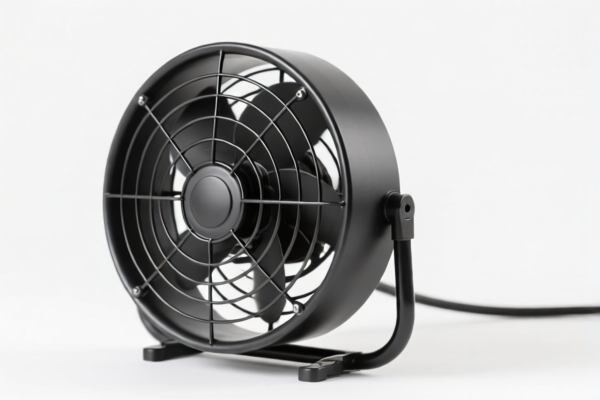
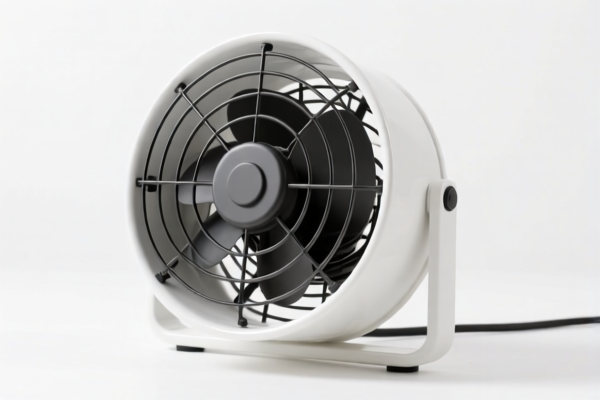
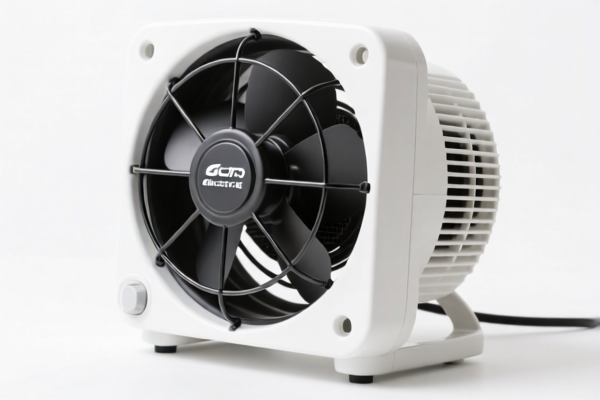
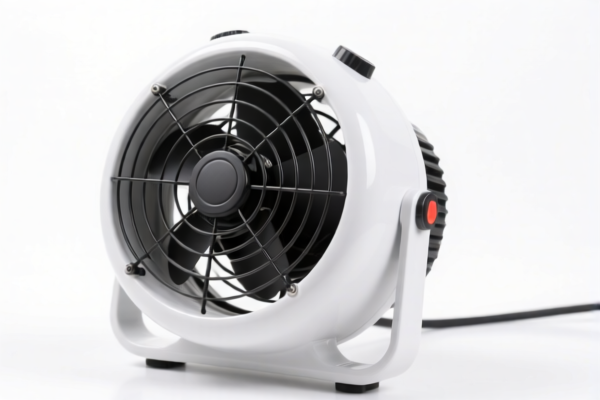
AI Analysis
🌬️ Non-Electric Heating Blower Air Heater (Iron/Steel)
🌐 HS Code Reference & Customs Clearance Guide | 2026 Latest Tariff Analysis | Professional Compliance Strategy
📌 I. Product Definition & Classification: Do You Truly Understand the "Air Heater"?
A "Non-Electric Heating Blower Air Heater" is a mechanical device used to distribute hot air. Crucially, it is NOT electrically heated (it uses steam, hot water, or thermal oil coils internally). The heat exchange happens via a separate central heating system, while an integral motor-driven fan pushes the air across the hot coils.
In international trade, these are strictly categorized under Heading 7322 (Radiators for central heating, not electrically heated, and parts thereof, of iron or steel; air heaters and hot air distributors... incorporating a motor-driven fan or blower).
⚠️ Key Distinction:
- If the device heats air electrically (resistance coil) → It falls under 8516 or 8419.
- If it is not electrically heated but has a fan → It falls under 7322.90.
- Components Matter: Is it a complete unit or just a part? The HS code differs slightly based on whether it is the "Air Heater" itself or a "Part" of it.
📦 II. HS Code Classification Details (2026 Latest Tariff Authority Match)
Based on the provided <DATA>, there are two specific HS Codes for this product, differentiated by whether it is the main unit or a component.
| HS Code | Product Description | Applicable Scenario | Key Feature |
|--------|--------------------------|-----------------------------|
| 7322.90.00.15 | Air heaters, not electrically heated, incorporating a motor-driven fan or blower: Other, including parts | Complete Air Heater Units | Contains the fan, housing, and heat exchange coil. |
| 7322.90.00.45 | Parts of air heaters and hot air distributors | Replacement Parts (Fans, Grilles, Mounting Brackets) | Spare components, not the full functioning unit. |
🔍 Critical Note:
-7322.90.00.15is for the whole machine. If you ship a complete blower heater, use this code.
-7322.90.00.45is for parts. If you ship only the fan motor assembly or the steel casing without the full functional heater, use this code.
- Misclassification Risk: Declaring a complete heater as "Parts" to avoid scrutiny is a major customs violation. Conversely, declaring parts as "Heaters" may lead to unnecessary inspection.
💰 III. 2026 Latest Tariff Rate Breakdown (Including Surcharges)
✅ Applicable Country: United States (US)
✅ Origin: China (CN)
✅ Effective Date: Current regulations (2025/2026 Period)
🎯 1. 7322.90.00.15 – Complete Non-Electric Air Heaters
| Item | Content |
|---|---|
| Base Duty Rate | 0.0% |
| Section 301 Surcharge (General) | +25.0% |
| Steel/Aluminum/Copper Surcharge | +50.0% |
| Total Effective Tax Rate | 75.0% |
| Tax Calculation | CIF Value × 75% |
| De Minimis Exemption | ❌ Not Applicable (Deny De Minimis for steel/iron products under these surcharges) |
| Legal Basis Path | USITC:7322.90.00.15 → SECTION_301:25% → STEEL_ALUMINUM_SURCHARGE:50% |
📌 Explanation:
- The Base Tariff is 0% because it is a machinery part/heater of iron/steel not specifically taxed higher in the base schedule.
- However, it attracts two layers of punitive tariffs:
1. 25% under Section 301 (China-specific tariffs).
2. 50% under the specific surcharge for Steel/Aluminum/Copper products (often linked to Section 232 or specific executive orders on critical materials).
- Total Tax = 75%. This is an extremely high duty rate, significantly impacting profit margins.
🎯 2. 7322.90.00.45 – Parts of Air Heaters
| Item | Content |
|---|---|
| Base Duty Rate | 0.0% |
| Section 301 Surcharge (General) | +25.0% |
| Steel/Aluminum/Copper Surcharge | +50.0% |
| Total Effective Tax Rate | 75.0% |
| Tax Calculation | CIF Value × 75% |
| De Minimis Exemption | ❌ Not Applicable |
| Legal Basis Path | USITC:7322.90.00.45 → SECTION_301:25% → STEEL_ALUMINUM_SURCHARGE:50% |
📌 Note:
- Even if classified as "Parts," the material (Iron/Steel) triggers the 50% surcharge.
- The tax rate is identical to the complete unit because the punitive measures target the material composition and origin, not just the final product status.
🛠️ IV. Customs Clearance Operational Advice (Practical Pitfall Avoidance)
✅ 1. Required Documentation Checklist (Non-Negotiable)
| Document | Mandatory? | Description |
|---|---|---|
| ✅ Product Specification Sheet | ✔️ | Must explicitly state: "Non-Electric Heating," "Uses Steam/Hot Water," "Motor-Driven Fan Included." |
| ✅ Technical Diagram | ✔️ | Shows that the heating element is a coil/pipe (not a resistor) and the fan is mechanical/electric but not heating. |
| ✅ Commercial Invoice | ✔️ | Clearly describe as: "Air Heater for Central Heating, Non-Electric, Iron/Steel, with Fan." |
| ✅ Certificate of Origin (CO) | ✔️ | Proves Chinese origin; crucial for calculating Section 301 and Steel Surcharges. |
| ✅ Bill of Lading / Packing List | ✔️ | Ensure no mislabeling as "Parts" if shipping complete units. |
✅ 2. Declaration Strategy (Key Mantras)
🔥 "Iron/Steel + Fan = 75% Tax. Be Precise or Pay More!"
| Situation | Correct Declaration | Wrong Action | Consequence |
|---|---|---|---|
| Complete Unit | 7322.90.00.15 |
Misdeclare as "Ventilation Fan" (8414) | High Risk of Audit & Penalty. Even if 8414 has lower base tax, misclassification leads to fraud charges. |
| Part (e.g., Fan Only) | 7322.90.00.45 |
Declare as "Complete Heater" | Overpayment of duties? No, but causes inventory mismatch. |
| Electric Heater | 8419 or 8516 |
Declare as "Non-Electric" | Severe Penalty. Customs will test the device. If it has resistance wires, it’s electric. |
| Plastic Heater | 39 or 8419 |
Declare as "Iron/Steel" | Incorrect HS Code. Plastic doesn’t trigger the 50% Steel Surcharge. |
✅ 3. Special Case Handling
| Scenario | Handling Advice |
|---|---|
| OEM Custom Heaters | Provide the client’s design spec to prove it’s a "Central Heating Component," not a standalone appliance. |
| Mixed Container (Parts + Units) | Do not mix in one BL line item. Ship Units as ...15 and Parts as ...45. Mixed申报 leads to complex valuation and potential denial of entry. |
| Steel Content Verification | Ensure the product is indeed "Iron or Steel." If it’s stainless steel or alloy with different composition, consult a customs broker, as surcharges may vary slightly, but usually still apply. |
🌍 V. Global Market Comparison (2026 Latest)
| Country/Region | Recommended HS Code | Estimated Duty | Certification Requirements | Notes |
|---|---|---|---|---|
| 🇺🇸 USA | 7322.90.00.15 |
75% | N/A (Steel Surcharge applies) | Extremely High Cost. Steel/Aluminum surcharges make this uncompetitive without duty drawbacks. |
| 🇨🇳 China | 7322.90.00.15 |
0%~5% | N/A | Low import duty. |
| 🇪🇺 EU | 7322.90.00 |
0%~2.5% | CE + ErP | No punitive surcharges for steel in this category generally. |
| 🇨🇦 Canada | 7322.90.00 |
0% | N/A | FTA benefits may apply if origin is Canadian/Mexican. |
📌 Conclusion:
- The US market is the most challenging for this product due to the combined 75% tariff.
- Cost-Saving Tip: If possible, source steel parts from non-China origins (e.g., Vietnam, Mexico) to potentially avoid the 25% Section 301 and 50% Steel Surcharge. However, strict rules of origin apply.
📌 VI. Common Mistakes & Pitfalls (Lessons from Tears)
❌ Mistake 1: Declaring as "Ventilation Fan" (8414.59) to escape the 75% tax.
👉 Consequence: Customs will inspect. If it has a heating coil (even non-electric steam), it is not a simple fan. It is an air heater. Penalties + Back Taxes + Legal Fees.
❌ Mistake 2: Ignoring the "Steel Surcharge."
👉 Consequence: Assuming 25% tax only. The 50% steel surcharge is automatic for iron/steel products from China. You will face a 50% shortfall in funds for clearance.
❌ Mistake 3: Mixing "Electric" and "Non-Electric" heaters in one shipment.
👉 Consequence: Confusion. Electric heaters (8419/8516) have different tax rates (often 25% total). Mixing them complicates valuation and may trigger an audit for the entire shipment.
✅ Correct Practice:
"Non-Electric Air Heater, Iron/Steel, with Motor-Driven Fan, for Central Heating System, Model ABC, No Electrical Heating Element."
🎯 VII. Conclusion: Professional Declaration, Cost Control
🎯 Remember the Mantra:
🔹 "Non-Electric + Fan = 7322.90.15/45"
🔹 "Iron/Steel + China = 75% Tax (25% + 50%)"
🔹 "Don't Hide the Coil, or Customs Will Find It!"
📌 Tips:
- If your profit margin is below 80%, exporting this specific product to the US may be financially unviable due to the 75% duty.
- Consider Duty Drawback programs if the goods are later re-exported.
- Pre-Ruling: Apply for a Binding Tariff Information (BTI) or US CBP Ruling to get official confirmation that your specific model is not considered "Electric" and qualifies for this HS code.
📣 Immediate Action:
📞 Contact a US Customs Broker to verify the "Steel Surcharge" applicability on your specific alloy.
🚀 Optimize Supply Chain: Can you source non-steel components? Can you shift production to a duty-exempt country?
Your bottom line depends on accurate HS classification!
✨ Professional Clearance Starts with Precise Classification!
💼 Every 1% of Tax Saved is 1% of Profit Kept!
Customer Reviews
About HS Code Classification
The Harmonized System (HS) is an internationally standardized nomenclature developed by the World Customs Organization (WCO) to classify traded products. Over 200 countries use the HS system as the basis for customs tariffs, trade statistics, and import/export regulations.
Each HS code follows a hierarchical structure:
- Chapter (2 digits) — Broad category of goods (e.g., Chapter 84: Machinery and Mechanical Appliances)
- Heading (4 digits) — More specific grouping within the chapter
- Subheading (6 digits) — Internationally standardized breakdown, used by all WCO member countries
- National subdivisions (8-10 digits) — Country-specific extensions for further classification, such as US HTSUS 10-digit codes
Correct HS code classification is essential for smooth customs clearance, accurate duty payment, and compliance with trade regulations. Misclassification can lead to customs delays, overpayment of duties, or penalties.
When importing from CN to US, the applicable tariff rates may include:
- Most-Favored-Nation (MFN) rate — The standard duty rate applied to WTO members
- General rate — Applied to countries without trade agreements
- Trade remedy duties — Additional tariffs such as Section 301 (anti-dumping), Section 232 (national security), or countervailing duties
The information provided on this page is for reference purposes only. For official classification, please consult with your local customs authority or a licensed customs broker.