Non alloy steel bars
CN → US| HS Code | Tariff Rate | Origin | Destination | Doc |
|---|---|---|---|---|
| 7214990016 | 10.0% | CN | US | Official Doc |
| 7214990031 | 10.0% | CN | US | Official Doc |
| 7206900000 | 35.0% | CN | US | Official Doc |
| 7206100000 | 35.0% | CN | US | Official Doc |
| 7214990016 | 10.0% | CN | US | Official Doc |
Product Images
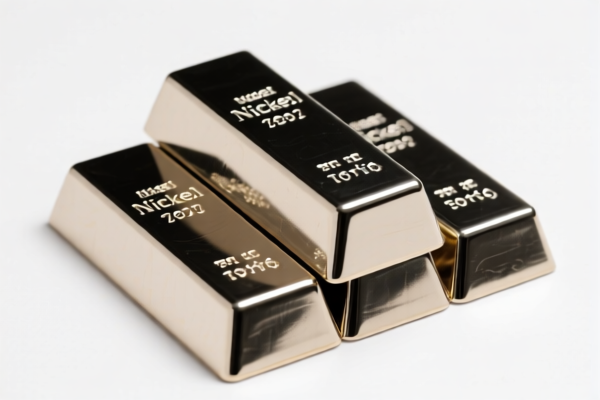

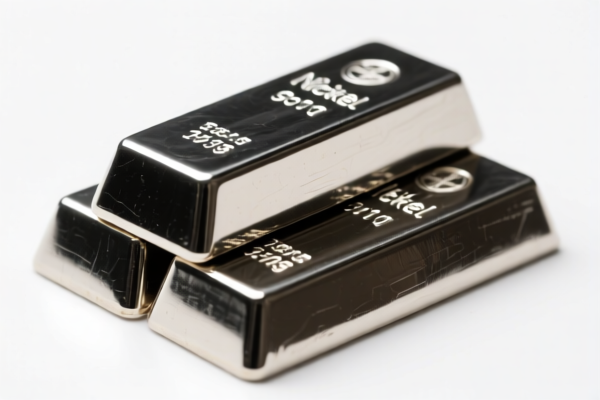
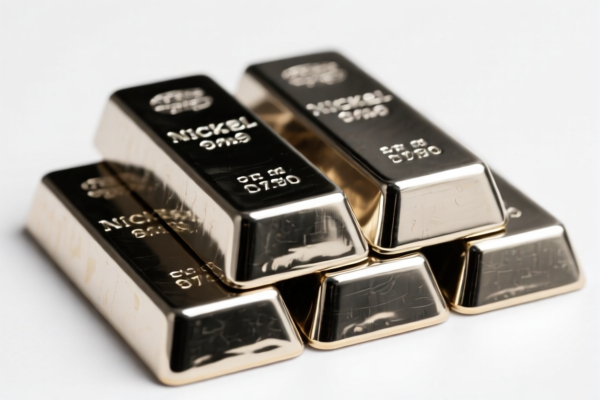
AI Analysis
⚙️ Non-Alloy Steel Bars & Ingot Definitions
🌐 HS Code Reference & Clearance Guide | 2026 Latest Tariff Analysis | Professional Customs Strategy
📌 Part 1: Product Definition & Classification: What Exactly is "Non-Alloy Steel"?
In international trade, Non-Alloy Steel refers to steel where no other element is added in specific proportions to alter its properties significantly (excluding carbon, silicon, manganese, etc., within standard limits). It is primarily used in construction, infrastructure, and general manufacturing.
The Critical Distinction: Form Matters!
Customs authorities classify non-alloy steel strictly by its physical shape and dimensions:
- Bars (Bars/Rods): Solid, straight products with a uniform cross-section (circular, square, hexagonal, etc.).
- Key Threshold: Diameter > 10mm.
- Common HS Chapters: 7214 (Hot-rolled) or 7216/7215 (Other).
- Ingots (Cast Forms): Irregular, large cast shapes intended for re-rolling or forging.
- Key HS Chapters: 7206.
⚠️ Key Classification Point:
- If it is a straight bar with diameter > 10mm and < 76mm → Likely 7214.99.00.16 / .31.
- If it is a raw ingot (cast form) → Likely 7206.90.00.00 / 7206.10.00.00.
- Misclassification Risk: Declaring bars as ingots (or vice versa) triggers severe penalties.
📦 Part 2: HS Code Classification Matrix (2026 Data)
Based on the provided data, here is the precise breakdown for Non-Alloy Steel products:
| HS Code | Product Description | Summary Match | Total Tax Rate |
|---|---|---|---|
7214.99.00.16 |
Non-Alloy Steel Bars, Diameter >10mm & <76mm | ✅ Material & Form Match | 10.0% |
7214.99.00.31 |
Non-Alloy Steel Bars, Diameter >10mm & <76mm | ✅ Material & Form Match | 10.0% |
7206.90.00.00 |
Non-Alloy Steel Ingots | ✅ Perfect Match for Ingots | 35.0% |
7206.10.00.00 |
Non-Alloy Steel Ingots | ✅ Perfect Match for Ingots | 35.0% |
🔍 Important Note:
- Codes7214.99.00.16and.31are for Bars.
- Codes7206.90.00.00and7206.10.00.00are for Ingots.
- Do not confuse Bars with Ingots. They have vastly different tax implications.
💰 Part 3: Detailed Tariff Breakdown (High-Cost Scenario)
✅ Applicable Country: United States (US)
✅ Origin: China (CN)
✅ Effective Date: Post-2025 Adjustments
🎯 1. 7214.99.00.16 & 7214.99.00.31 —— Non-Alloy Steel Bars
| Item | Detail |
|---|---|
| Base Tariff | 0.0% (Ad Valorem) |
| Section 301 (Additional) | 0.0% |
| Section 122 Tariff | 10.0% |
| Total Tax Rate | 10.0% |
| Calculation | CIF Value × 10% |
| De Minimis Exemption? | ❌ No (Denied) |
📌 Explanation:
- These codes apply to steel bars with a diameter between 10mm and 76mm.
- The 10% Section 122 tariff is the primary cost driver.
- No base or Section 301 tariffs apply, making it relatively lower risk than ingots.
🎯 2. 7206.90.00.00 & 7206.10.00.00 —— Non-Alloy Steel Ingots
| Item | Detail |
|---|---|
| Base Tariff | 0.0% |
| Section 301 (Additional) | 25.0% |
| Section 122 Tariff | 10.0% |
| Total Tax Rate | 35.0% |
| Calculation | CIF Value × 35% |
| De Minimis Exemption? | ❌ No (Denied) |
📌 Explanation:
- These codes apply to cast steel ingots.
- High Cost Alert: The 35% total rate (25% Section 301 + 10% Section 122) is significantly higher than bars.
- Legal Path:IEEPA:9903.01.25→USITC:7206.90.00.00→FOOTNOTE.
🛠️ Part 4: Customs Clearance Advice (Practical Pitfalls)
✅ 1. Document Checklist (Mandatory)
| Document | Required | Reason |
|---|---|---|
| ✅ Commercial Invoice | ✔️ | Must clearly state "Non-Alloy Steel Bar/Ingot" and Diameter/Shape. |
| ✅ Packing List | ✔️ | Detail dimensions (for bars) or weight/shape (for ingots). |
| ✅ Product Photos | ✔️ | Show cross-section (to prove circular/square bar) or cast surface (for ingots). |
| ✅ Certificate of Origin | ✔️ | Essential for verifying Chinese origin (triggers Section 122). |
| ✅ Mill Test Report (MTR) | ✔️ | Proves chemical composition (confirms "Non-Alloy" status). |
✅ 2. Declaration Tips (Avoiding Traps)
🔥 Rule: "Shape Defines Code, Tax Defines Cost!"
| Scenario | Correct HS Code | Error Consequence |
|---|---|---|
| Steel Rods (Diameter 20mm) | 7214.99.00.16 or .31 |
Misclassifying as Ingot → 35% Tax instead of 10%. |
| Cast Steel Blocks (Raw) | 7206.90.00.00 |
Misclassifying as Bar → Under-declaration, Penalties + Back Taxes. |
| Steel Bars (Diameter < 10mm) | Not in Data | Check other codes (e.g., 7215/7216). Do not force into 7214. |
| Alloy Steel (e.g., Stainless) | Not in Data | Different Chapter (7218, etc.). Non-alloy declaration will fail. |
✅ 3. Special Case Handling
| Situation | Advice |
|---|---|
| Mixed Container (Bars + Ingots) | Declare Separately! Mixing codes causes audit flags. |
| Unclear Dimensions | Provide caliper measurements and photos of ends to prove diameter. |
| Section 122 Scope | Confirm if product falls under Section 122 (steel products). Most non-alloy steel bars/ingots from China are subject to this 10% surcharge. |
| Origin Substitution | If steel is melted/cast in a third country (e.g., Vietnam), origin may change. Re-evaluate HS Code and Tariffs. |
🌍 Part 5: Global Market Comparison (2026)
| Region | Recommended HS Code | Est. Total Tax (China Origin) | Key Requirement |
|---|---|---|---|
| 🇺🇸 USA | 7214.99.00.16 / 7206.10.00.00 |
10% - 35% | Section 122 (10%) + Sec 301 (if Ingot) |
| 🇨🇳 China | 7214.99.00.16 |
0% - 3% (Import Duty) | VAT 13% applies |
| 🇪🇺 EU | 7214.99 |
0% - 6% | Anti-dumping duties may apply |
| 🇯🇵 Japan | 7214.99 |
0% - 3% | CECC Free Trade Agreement benefits |
📌 Conclusion:
- USA is the highest-cost market due to Section 122 and Section 301.
- Ingots (7206) are heavily penalized (35%) compared to Bars (7214) (10%).
- Optimization Strategy: If possible, export Bars instead of Ingots to reduce tax burden by 25%.
📌 Part 6: Common Mistakes & Pitfalls
❌ Mistake 1: Declaring Steel Bars as Steel Ingots
👉 Result: Paying 35% tax instead of 10%. Huge cost waste.
❌ Mistake 2: Ignoring Diameter Specifications
👉 Result: If diameter is not clearly stated, Customs may reject the classification or assign the highest duty rate for "Other Steel Products."
❌ Mistake 3: Assuming All Steel is "Non-Alloy"
👉 Result: If the steel contains significant chromium, nickel, or manganese, it is Alloy Steel. Misdeclaration leads to fraud charges.
❌ Mistake 4: Overlooking Section 122
👉 Result: Thinking 0% base duty means 0% total. Section 122 adds 10% on top.
✅ Correct Practice:
"Non-Alloy Steel Round Bars, Diameter: 25mm, Hot-Rolled, Origin: China, HS Code: 7214.99.00.16"
🎯 Part 7: Final Advice: Clear, Precise, Cost-Effective!
🎯 Remember:
🔹 "Bars are 10%, Ingots are 35% – Know Your Shape!"
🔹 "Diameter > 10mm is Key for 7214"
🔹 "Section 122 Adds 10% – Always Check"
📌 Pro Tip:
For large shipments, apply for a Binding Tariff Information (BTI) or Advance Ruling in the US to confirm the exact HS code and duty rate before shipment. This prevents post-clearance audits and back-taxes.
📣 Action Required:
📞 Verify Product Photos with a customs broker
📄 Confirm Diameter/Shape on the Invoice
🚀 Optimize for HS Code 7214 (if applicable) to save 25% in taxes!
✨ Precision in Classification = Profit in Clearance!
💼 Don't let hidden tariffs eat your margin!
Customer Reviews
About HS Code Classification
The Harmonized System (HS) is an internationally standardized nomenclature developed by the World Customs Organization (WCO) to classify traded products. Over 200 countries use the HS system as the basis for customs tariffs, trade statistics, and import/export regulations.
Each HS code follows a hierarchical structure:
- Chapter (2 digits) — Broad category of goods (e.g., Chapter 84: Machinery and Mechanical Appliances)
- Heading (4 digits) — More specific grouping within the chapter
- Subheading (6 digits) — Internationally standardized breakdown, used by all WCO member countries
- National subdivisions (8-10 digits) — Country-specific extensions for further classification, such as US HTSUS 10-digit codes
Correct HS code classification is essential for smooth customs clearance, accurate duty payment, and compliance with trade regulations. Misclassification can lead to customs delays, overpayment of duties, or penalties.
When importing from CN to US, the applicable tariff rates may include:
- Most-Favored-Nation (MFN) rate — The standard duty rate applied to WTO members
- General rate — Applied to countries without trade agreements
- Trade remedy duties — Additional tariffs such as Section 301 (anti-dumping), Section 232 (national security), or countervailing duties
The information provided on this page is for reference purposes only. For official classification, please consult with your local customs authority or a licensed customs broker.