Non cellular Rubber Plates
CN → US| HS Code | Tariff Rate | Origin | Destination | Doc |
|---|---|---|---|---|
| 6813890050 | 35.0% | CN | US | Official Doc |
| 6813810050 | 35.0% | CN | US | Official Doc |
| 4008210000 | 35.0% | CN | US | Official Doc |
| 4008294000 | 37.9% | CN | US | Official Doc |
Product Images
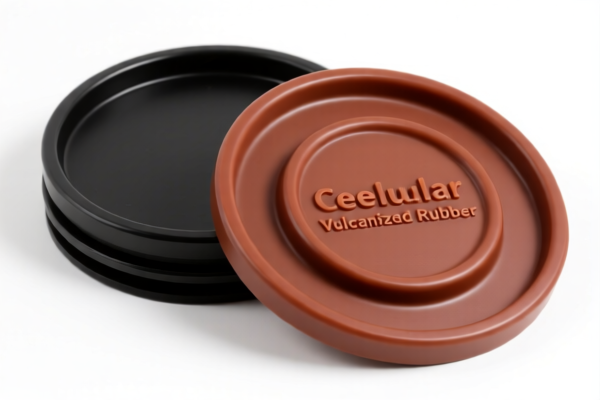
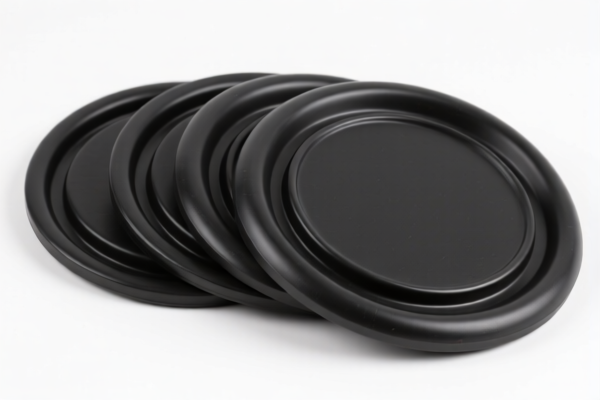
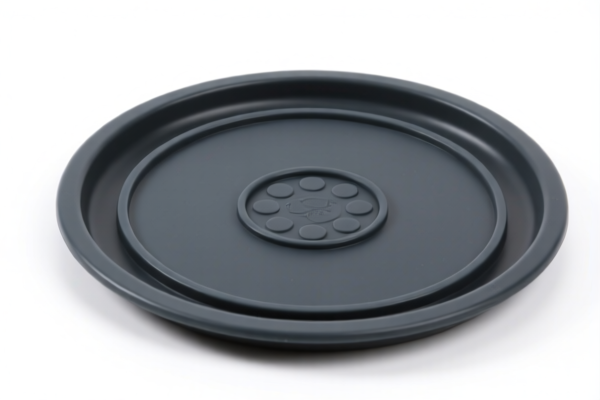
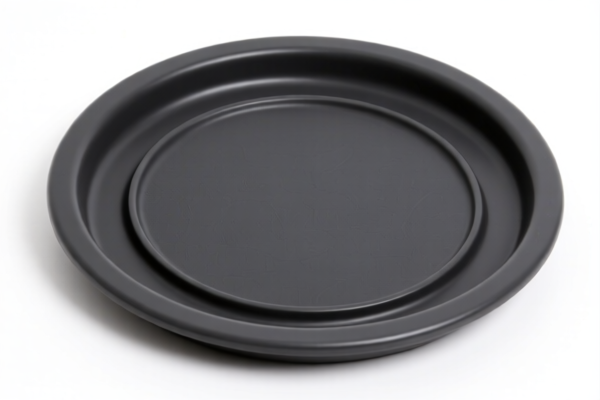
AI Analysis
📦 Non-Cellular Rubber Plates (Non-Foam Rubber Sheets, Strips, and Tapes)
🌐 HS Code Reference & Customs Clearance Guide | 2026 Updated Tariff Analysis | Pro-Level Import Strategy
📌 One: Product Definition & Classification – What Exactly Is a “Non-Cellular Rubber Plate”?
Non-cellular rubber plates, strips, and tapes are solid, non-foamed rubber materials used across industrial, automotive, construction, and mechanical sectors. They are not porous, not honeycombed, and do not contain air bubbles — distinguishing them clearly from foam or cellular rubber products.
These materials are typically: - Flat or shaped (plates, sheets, strips, tapes) - Made from natural or synthetic rubber (e.g., NR, SBR, EPDM, NBR) - Used for gaskets, seals, vibration dampeners, conveyor belts, floor mats, and insulation
⚠️ Critical Distinction:
- If the rubber has air pockets, foam structure, or honeycomb texture → Not this HS Code
- If it’s solid, dense, and non-porous → ✅ This is the correct category
🔍 Two: HS Code Classification Details (2026 Official Tariff Breakdown)
| HS Code | Product Description | Applicable Use Cases | Key Features |
|---|---|---|---|
4008.21.00.00 |
Non-cellular rubber plates, sheets, and strips (not reinforced) | Industrial gaskets, sealing strips, machine pads, floor protection | Solid rubber, no foam, no reinforcement |
4008.29.40.00 |
Other non-cellular rubber plates and sheets (not otherwise specified) | Custom rubber sheets, thick industrial mats, technical seals | May have minor additives or special formulations |
6813.81.00.50 |
Brake/clutch friction linings (optional materials) | Automotive brake pads, clutch facings | Rubber-based friction materials (not full friction linings) |
6813.89.00.50 |
Other rubber products (catch-all category) | Miscellaneous rubber components, spare parts, non-standard items | Used when no more specific HS Code applies |
🔍 Important Note:
-4008.21.00.00and4008.29.40.00are core HS Codes for solid rubber plates
-6813.81.00.50applies only if the rubber is used as friction material in brakes/clutches
-6813.89.00.50is a last-resort code — avoid if a more specific one exists
💰 Three: 2026 Updated Tariff Rates (With Full Explanation of附加 Taxes)
✅ Applicable Country: United States (US)
✅ Origin: China (CN)
✅ Effective Date: November 10, 2025 (and ongoing)
🎯 1. 4008.21.00.00 — Non-Cellular Rubber Plates, Sheets, Strips
| Item | Detail |
|---|---|
| Base Duty Rate | 0.0% (ad valorem) |
| USITC Section 301 Additional Duty | +25.0% (from USITC Footnote 9903.88.01) |
| IEEPA Section 122 Tariff | +10.0% (under International Emergency Economic Powers Act) |
| Total Effective Duty | 35.0% |
| Tax Calculation | CIF Value × 35.0% |
| De Minimis Threshold | ❌ Not applicable (denied de minimis) |
| Legal Basis Path | IEEPA:9903.01.25 → IEEPA:9903.01.24 → USITC:4008.21.00.00 → FOOTNOTE:9903.88.01 |
📌 Explanation:
- 25% USITC Duty: Imposed under Section 301 of the U.S. Trade Act — targeting Chinese goods deemed to have unfair trade practices. - 10% IEEPA Duty: Enforced under Section 122 of the IEEPA — a national emergency measure targeting China’s technology and industrial goods. - Total = 35% — Highly punitive, especially for bulk imports.
🎯 2. 4008.29.40.00 — Other Non-Cellular Rubber Plates (Not Elsewhere Specified)
| Item | Detail |
|---|---|
| Base Duty Rate | 2.9% (ad valorem) |
| USITC Section 301 Additional Duty | +25.0% |
| IEEPA Section 122 Tariff | +10.0% |
| Total Effective Duty | 37.9% |
| Tax Calculation | CIF Value × 37.9% |
| De Minimis Threshold | ❌ Not applicable |
| Legal Basis Path | IEEPA:9903.01.25 → IEEPA:9903.01.24 → USITC:4008.29.40.00 → FOOTNOTE:9903.88.01 |
📌 Why Higher?
- The 2.9% base rate reflects a minor classification difference (e.g., thickness, formulation, or processing). - But the 25% + 10%附加 taxes still apply — no relief for non-standard rubber. - Total 37.9% — One of the highest tariffs in the rubber category.
🎯 3. 6813.81.00.50 — Brake/Clutch Friction Linings (Optional Materials)
| Item | Detail |
|---|---|
| Base Duty Rate | 0.0% |
| USITC Section 301 Additional Duty | +25.0% |
| IEEPA Section 122 Tariff | +10.0% |
| Total Effective Duty | 35.0% |
| Tax Calculation | CIF Value × 35.0% |
| De Minimis Threshold | ❌ Not applicable |
| Legal Basis Path | IEEPA:9903.01.25 → IEEPA:9903.01.24 → USITC:6813.81.00.50 → FOOTNOTE:9903.88.01 |
📌 Critical Clarification:
- This code only applies if the rubber is used in brake or clutch friction materials. - If it’s just a rubber pad or gasket, do not use this code — you’ll face incorrect classification penalties. - Even if the material is rubber-based, if it’s not for friction, use4008.21.00.00or4008.29.40.00.
🎯 4. 6813.89.00.50 — Other Rubber Products (Catch-All)
| Item | Detail |
|---|---|
| Base Duty Rate | 0.0% |
| USITC Section 301 Additional Duty | +25.0% |
| IEEPA Section 122 Tariff | +10.0% |
| Total Effective Duty | 35.0% |
| Tax Calculation | CIF Value × 35.0% |
| De Minimis Threshold | ❌ Not applicable |
| Legal Basis Path | IEEPA:9903.01.25 → IEEPA:9903.01.24 → USITC:6813.89.00.50 → FOOTNOTE:9903.88.01 |
📌 When to Use This Code?
- Only when no other HS Code fits (e.g., custom rubber parts, non-standard shapes). - Avoid if possible — it signals "uncertain" classification to U.S. Customs. - Still subject to 35% total duty — same as4008.21.00.00.
🛠️ Four: Customs Clearance Best Practices (Pro Tips to Avoid Penalties)
✅ 1. Required Documentation (Must-Have Checklist)
| Document | Required? | Purpose |
|---|---|---|
| ✅ Product Specification Sheet | ✔️ | Shows thickness, material type, density, processing method |
| ✅ Material Safety Data Sheet (MSDS) | ✔️ | Proves rubber type (e.g., EPDM, NBR) |
| ✅ Product Photos (with label/model) | ✔️ | For visual verification by CBP |
| ✅ Third-Party Test Report | ✔️ | RoHS, REACH, UL, or ASTM (if applicable) |
| ✅ Commercial Invoice | ✔️ | Must state: “Non-cellular rubber plate, solid, non-foamed” |
| ✅ Certificate of Origin (CO) | ✔️ | Needed for tariff eligibility |
| ✅ Packing List | ✔️ | Shows quantity, weight, packaging details |
✅ 2.申报技巧(Golden Rules)
🔥 “Solid not foam, plate not pad, code not guess!”
| Scenario | Correct HS Code | Wrong Code | Risk |
|---|---|---|---|
| Solid rubber sheet, 5mm thick, no foam | 4008.21.00.00 |
4008.29.40.00 |
Higher tax |
| Rubber pad used in brakes | 6813.81.00.50 |
4008.21.00.00 |
Misclassification penalty |
| Custom rubber part, no standard use | 6813.89.00.50 |
4008.29.40.00 |
Risk of audit |
| Rubber tape with adhesive | 4008.29.40.00 |
4008.21.00.00 |
Higher tax |
✅ 3. Special Cases & Solutions
| Situation | Recommended Action |
|---|---|
| Rubber used in industrial gaskets | Use 4008.21.00.00 — safest and most accurate |
| Rubber with special additives (e.g., flame retardant) | Use 4008.29.40.00 — if not covered by other codes |
| Rubber for brake pads | Use 6813.81.00.50 — only if friction material |
| Uncertain classification | Apply for Advance Ruling (Pre-Ruling) via U.S. CBP |
| Importing from Vietnam/Mexico/Thailand | May qualify for IEEPA exemption — 0% total duty |
🌍 Five: Global Customs Comparison (2026)
| Country/Region | Recommended HS Code | Tariff Rate | Certification | Notes |
|---|---|---|---|---|
| 🇺🇸 USA | 4008.21.00.00 |
35.0% (China) | None (but documentation required) | 35% with 25%+10%附加 |
| 🇨🇳 China | 4008.21.00.00 |
5.0% | CCC | No附加 taxes |
| 🇪🇺 EU | 4008.21.00.00 |
0% (if CE compliant) | CE | No附加 taxes |
| 🇦🇺 Australia | 4008.21.00.00 |
5.0% | RCM | No附加 |
| 🇯🇵 Japan | 4008.21.00.00 |
0% | PSE | No附加 |
📌 Insight:
- Only the U.S. applies high附加 taxes on Chinese rubber products. - China, EU, Australia, Japan have low or zero tariffs — ideal for re-export.
🚨 Six: Common Mistakes & Costly Errors
❌ Mistake 1: Using 4008.21.00.00 for foamed rubber
👉 Result: Incorrect classification → Penalty + seizure
❌ Mistake 2: Using 6813.81.00.50 for rubber gaskets
👉 Result: Misclassification → $10k+ fine, delayed shipment
❌ Mistake 3: Not providing photos or material specs
👉 Result: CBP holds cargo → $200/day detention fee
❌ Mistake 4: Using "rubber sheet" as name without “non-cellular”
👉 Result: Misleading申报 → Audit risk
✅ Correct申报 Phrase:
“Non-cellular rubber plate, solid, 3mm thick, EPDM, not foam, not reinforced, for industrial gasket use, Model ABC”
🎯 Seven: Final Verdict – Win the Game, Not Just the Trade
🎯 Remember the Golden Rule:
🔹 “Solid = Not foam, Plate = Not tape, Code = Not guess, Tax = 35%+ if from China”
🔹 “If it’s not foam, it’s
4008.21.00.00or4008.29.40.00— never guess!”🔹 “35% tax? Only if from China. Move production? Save 35%!”
📌 Pro Tip:
✅ Apply for CBP Advance Ruling (Pre-Ruling) before shipping — avoid 35%+ surprises
✅ Source from Vietnam, Mexico, or Thailand — can qualify for 0% IEEPA duty
✅ Use4008.21.00.00as default — safest and most accepted code
📣 Take Action Now:
📞 Contact a licensed U.S. Customs Broker + Submit product specs + Apply for HS Code Pre-Ruling
🚀 Avoid 35%+ tariffs. Protect your margins. Ship with confidence.
✨ Smart Importing Starts with Smart Classification!
💼 Your bottom line depends on one code — get it right the first time!
Customer Reviews
About HS Code Classification
The Harmonized System (HS) is an internationally standardized nomenclature developed by the World Customs Organization (WCO) to classify traded products. Over 200 countries use the HS system as the basis for customs tariffs, trade statistics, and import/export regulations.
Each HS code follows a hierarchical structure:
- Chapter (2 digits) — Broad category of goods (e.g., Chapter 84: Machinery and Mechanical Appliances)
- Heading (4 digits) — More specific grouping within the chapter
- Subheading (6 digits) — Internationally standardized breakdown, used by all WCO member countries
- National subdivisions (8-10 digits) — Country-specific extensions for further classification, such as US HTSUS 10-digit codes
Correct HS code classification is essential for smooth customs clearance, accurate duty payment, and compliance with trade regulations. Misclassification can lead to customs delays, overpayment of duties, or penalties.
When importing from CN to US, the applicable tariff rates may include:
- Most-Favored-Nation (MFN) rate — The standard duty rate applied to WTO members
- General rate — Applied to countries without trade agreements
- Trade remedy duties — Additional tariffs such as Section 301 (anti-dumping), Section 232 (national security), or countervailing duties
The information provided on this page is for reference purposes only. For official classification, please consult with your local customs authority or a licensed customs broker.