Non coniferous Piles
CN → US| HS Code | Tariff Rate | Origin | Destination | Doc |
|---|---|---|---|---|
| 4404200080 | 35.0% | CN | US | Official Doc |
| 4401120000 | 35.0% | CN | US | Official Doc |
| 4403120050 | 35.0% | CN | US | Official Doc |
| 4404200040 | 35.0% | CN | US | Official Doc |
| 4403990128 | 35.0% | CN | US | Official Doc |
| 4407990295 | 35.0% | CN | US | Official Doc |
Product Images
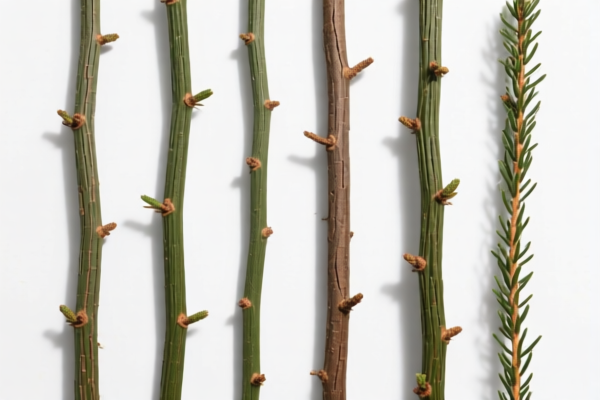
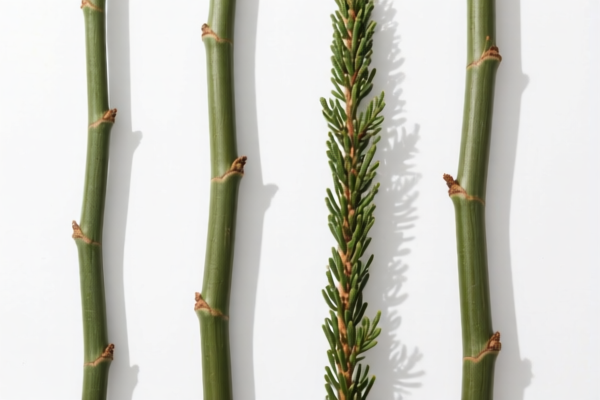

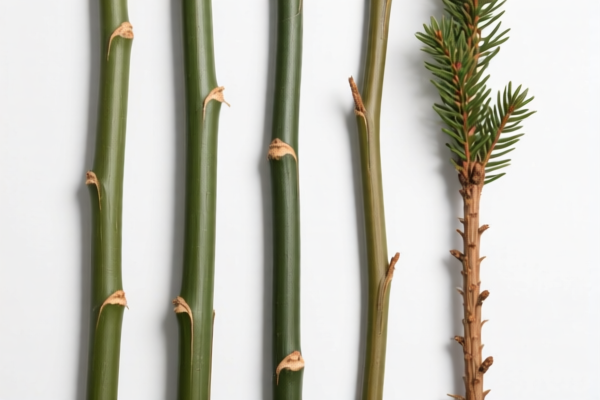
AI Analysis
🌲 Non-Coniferous Piles (Wood Stakes & Posts)
🌐 HS Code Reference & Customs Clearance Guide | 2026 Latest Tariff Analysis | Professional Clearance Strategy for Wood Products
📌 Part 1: Product Definition & Classification: Do You Understand "Non-Coniferous Piles"?
In international trade, "Non-Coniferous Piles" (often referred to as hardwood stakes, posts, or poles) are generally made from deciduous trees (such as oak, acacia, eucalyptus, etc.). They are typically used for fencing, landscaping, construction support, or fuel.
According to the Harmonized System (HS), these products are classified based on their form (raw logs, processed posts, fuel wood) and processing level. The key distinction lies in whether they are treated as raw material (4403) or processed articles (4404, 4407).
⚠️ Key Distinction Points:
- If the wood is merely cut to length but retains its natural cylindrical shape (logs/stakes), it usually falls under Chapter 4403 (Wood prepared for woodworking) or 4404 (Charcoal wood or similar stakes).
- If it is planed, shaped specifically for fences (e.g., pointed stakes), it may fall under 4404.
- If it is sawn or chipped for fuel, it falls under 4401.
- "Non-Coniferous" is the critical filter here, excluding pine/spruce/fir which have different tariff codes.
📦 Part 2: HS Code Classification Details (2026 Latest Tariff Authority Comparison)
Based on the provided data <DATA>, here are the specific HS Codes applicable to Non-Coniferous Piles, their descriptions, and scenarios:
| HS Code | Product Description | Applicable Scenario | Processing Level |
|---|---|---|---|
| 4404.20.00.80 | Non-coniferous stakes, form: poles, posts & piles | Fencing stakes, landscaping poles, cylindrical shapes without heavy processing | Moderate (Shaped) |
| 4401.12.00.00 | Non-coniferous wood chips/chips or similar; primary form or fuel wood | Firewood, biomass fuel, raw wood chunks for energy | Low (Raw/Fuel) |
| 4403.12.00.50 | Non-coniferous wood, form matches classification requirements | Treated or untreated logs/posts ready for woodworking, not yet shaped into final stakes | High (Raw/Log) |
| 4404.20.00.40 | Non-coniferous wood, conforms to fence stake form requirements | Specifically manufactured fence posts, often pointed or uniform cylindrical | Moderate (Shaped) |
| 4403.99.01.28 | Non-coniferous piles, form: logs, posts & piles, material: other specific species | Hardwood logs or posts made from less common/non-specific hardwood species | High (Raw/Log) |
| 4407.99.02.95 | Non-coniferous wood piles, conforms to non-coniferous wood material characteristics | Sawn or chipped wood, planed wood, or veneers (if misclassified as pile, but listed here for material match) | Low (Processed Sawn) |
🔍 Important Reminder:
- Form Matters: A "pile" can be a raw log (4403), a shaped stake (4404), or fuel (4401). The physical shape dictates the code.
- Species Matters: Must prove it is non-coniferous (hardwood) to avoid classification under coniferous codes (which may have different tax rates).
- Consistency: The description in the commercial invoice must match the HS code description exactly.
💰 Part 3: 2026 Latest Tariff Rate Breakdown (Including Surcharges & Policy Add-ons)
✅ Applicable Country: United States (US)
✅ Country of Origin: China (CN)
✅ Effective Date: November 10, 2025 (and subsequent imports)
All HS Codes listed in <DATA> share the same total tax rate. This is critical for cost planning.
🎯 1. All Listed HS Codes (4404.20.00.80, 4401.12.00.00, 4403.12.00.50, 4404.20.00.40, 4403.99.01.28, 4407.99.02.95)
| Item | Content |
|---|---|
| Base Tariff | 0.0% (ad valorem) |
| Section 301 Surcharge | +25.0% (Added by USITC) |
| Section 122 Tariff | +10.0% (Specific addition for certain wood/forest products) |
| Total Tariff Rate | 35.0% |
| Tax Calculation | CIF Value × 35% |
| De Minimis Eligibility | ❌ No (Do not qualify for $800 exemption) |
| Legal Basis Path | USITC: 301 Tariff → Section 122 Authority → HS Code Specific Footnote |
📌 Explanation:
- "Base Tariff 0%": Wood products often have low base duties.
- "Section 301 25%": The major trade war tariff on Chinese goods, including wood products.
- "Section 122 10%": A specific additional tariff often applied to certain forestry products to protect domestic industries.
- Total 35%: This is a significant cost factor. For a $10,000 shipment, you pay $3,500 in tariffs alone.
- No De Minimis: Small packages cannot bypass this tax.
🛠️ Part 4: Customs Clearance Practical Advice (实战避坑指南)
✅ 1. Preparation Checklist (Essential Documents)
| Document | Required | Notes |
|---|---|---|
| ✅ Commercial Invoice | ✔️ | Must clearly state "Non-Coniferous Wood Piles/Stakes" and HS Code. |
| ✅ Packing List | ✔️ | Detail weight, volume, and number of pieces. |
| ✅ Wood Treatment Certificate | ✔️ | ISPM 15 certification if treated with heat or fumigation (critical for wood). |
| ✅ Species Declaration | ✔️ | Proof that wood is non-coniferous (e.g., oak, ash, etc.). |
| ✅ Product Photos | ✔️ | Show shape (cylindrical, pointed) to support HS classification. |
| ✅ Bill of Lading/Air Waybill | ✔️ | Standard shipping document. |
✅ 2. Declaration Tips (Key Mantras)
🔥 "Shape Determines Code, Species Determines Risk, Tax is 35%!"
| Situation | Correct Declaration | Wrong Practice |
|---|---|---|
| Raw Logs/Stakes | 4403.12.00.50 or 4403.99.01.28 |
Misdeclare as processed wood to reduce scrutiny → Audit Risk |
| Fence Stakes (Pointed) | 4404.20.00.40 or 4404.20.00.80 |
Declare as raw logs → Potential Penalty |
| Firewood/Chips | 4401.12.00.00 |
Declare as stakes → Wrong Classification |
| Mixed Species | Declare main species clearly | Vague "Hardwood" → Customs Delay |
✅ 3. Special Cases
| Situation | Handling Advice |
|---|---|
| Treated Wood | Must include ISPM 15 mark. If not treated, risk of pest quarantine. |
| Partially Processed | If wood is just cut but not shaped into stakes, use 4403. If shaped, use 4404. |
| Brand/New | If branded, include brand name in invoice. |
| Origin | Must prove non-China origin if claiming exemption (but <DATA> implies China origin for 35% tax). |
🌍 Part 5: Global Market Clearance Comparison (2026 Latest)
| Country/Region | Recommended HS Code | Tariff (China Origin) | Certification Required | Notes |
|---|---|---|---|---|
| 🇺🇸 United States | 4404.20.00.xx / 4403.xx |
35% (Total) | ISPM 15, No PPE | High tariff due to 301 + 122 |
| 🇨🇳 China | 4404.20 / 4403.12 |
~0% - 5% | N/A | Low duty, but import restrictions may apply |
| 🇪🇺 European Union | 4404.20 / 4403.12 |
~0% - 2.5% | ISPM 15, FSC (if applicable) | No Section 301 equivalent, but strict eco-regulations |
| 🇬🇧 United Kingdom | 4404.20 / 4403.12 |
~0% - 2.5% | ISPM 15 | Post-Brexit rules apply |
| 🇦🇺 Australia | 4404.20 / 4403.12 |
~0% - 5% | ISPM 15, Biosecurity | Strict biosecurity checks for wood |
📌 Conclusion:
- USA is the most expensive market for non-coniferous wood piles due to the 35% total tariff.
- EU/Australia have lower tariffs but strict biosecurity/ISPM 15 requirements.
- Cost Planning: Factor in the 35% tariff when pricing for the US market.
📌 Part 6: Common Mistakes & Pitfalls (Lessons Learned)
❌ Mistake 1: Declaring "Wood Stakes" as "Lumber" (4407) to avoid Section 301
👉 Consequence: If product is shaped stakes, not sawn lumber, customs will reclassify → Back taxes + Penalties.
❌ Mistake 2: Forgetting to specify "Non-Coniferous"
👉 Consequence: Customs may assume coniferous (pine) → Wrong HS Code → Import Delay or Rejection.
❌ Mistake 3: No ISPM 15 Certification for Wood
👉 Consequence: Quarantine Hold or Return/Destroy at border, especially in US/AU.
❌ Mistake 4: Not separating "Fuel Wood" from "Construction Stakes"
👉 Consequence: Mixed shipment → Complexity in classification → Higher Administrative Cost.
✅ Correct Approach:
"Non-Coniferous Hardwood Fence Stakes, Heat-Treated, ISPM 15 Certified, HS Code: 4404.20.00.40"
🎯 Part 7: Conclusion: Professional Classification Saves Money!
🎯 Remember the Mantra:
🔹 "Shape is King: Logs (4403) vs Stakes (4404) vs Fuel (4401)"
🔹 "Non-Coniferous is Key: Avoid Pine Codes"
🔹 "USA Tax is 35%: Plan your margin accordingly"
🔹 "ISPM 15 is Mandatory: No stamp, no entry"
📌 Pro Tip:
If your wood piles are destined for the US, consider:
1. Advance Ruling: Request a binding ruling from US CBP on HS code classification.
2. Supply Chain Review: Check if wood can be sourced from non-China countries to avoid the 35% tariff (if applicable under de minimis or other exemptions).
3. Pre-Shipment Inspection: Ensure ISPM 15 compliance before shipping to avoid rejection.
📣 Immediate Action:
📞 Contact a licensed customs broker
📸 Provide high-res photos of the wood (showing species marks and shape)
📄 Prepare ISPM 15 certification documents
🚀 Ensure smooth clearance and avoid 35% surprises!
✨ Professional Clearance Starts with Accurate Classification!
💼 Every Percent Counts in Wood Trade!
Customer Reviews
About HS Code Classification
The Harmonized System (HS) is an internationally standardized nomenclature developed by the World Customs Organization (WCO) to classify traded products. Over 200 countries use the HS system as the basis for customs tariffs, trade statistics, and import/export regulations.
Each HS code follows a hierarchical structure:
- Chapter (2 digits) — Broad category of goods (e.g., Chapter 84: Machinery and Mechanical Appliances)
- Heading (4 digits) — More specific grouping within the chapter
- Subheading (6 digits) — Internationally standardized breakdown, used by all WCO member countries
- National subdivisions (8-10 digits) — Country-specific extensions for further classification, such as US HTSUS 10-digit codes
Correct HS code classification is essential for smooth customs clearance, accurate duty payment, and compliance with trade regulations. Misclassification can lead to customs delays, overpayment of duties, or penalties.
When importing from CN to US, the applicable tariff rates may include:
- Most-Favored-Nation (MFN) rate — The standard duty rate applied to WTO members
- General rate — Applied to countries without trade agreements
- Trade remedy duties — Additional tariffs such as Section 301 (anti-dumping), Section 232 (national security), or countervailing duties
The information provided on this page is for reference purposes only. For official classification, please consult with your local customs authority or a licensed customs broker.