Non coniferous Round Timber
CN → US| HS Code | Tariff Rate | Origin | Destination | Doc |
|---|---|---|---|---|
| 4403120060 | 35.0% | CN | US | Official Doc |
| 4403990195 | 35.0% | CN | US | Official Doc |
Product Images
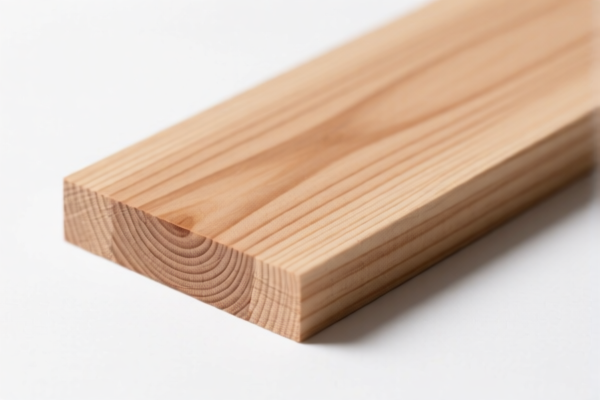
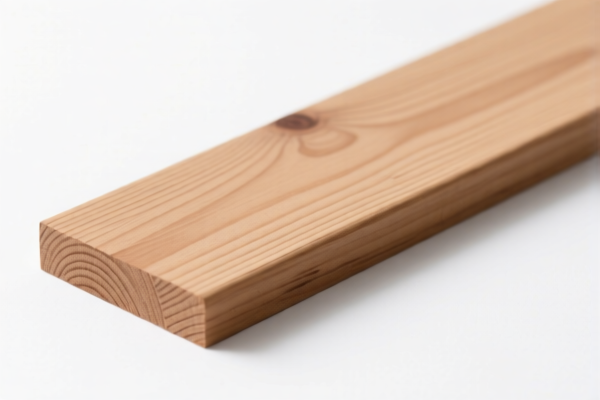
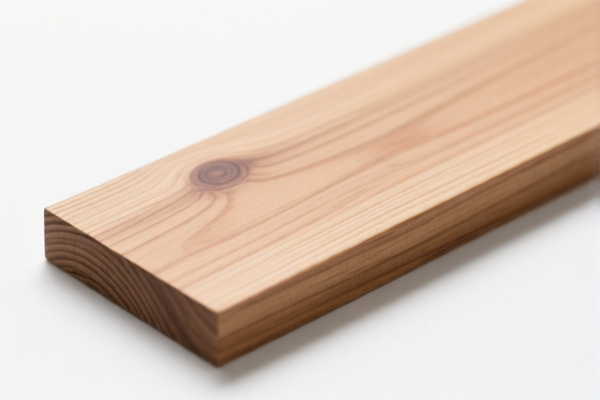
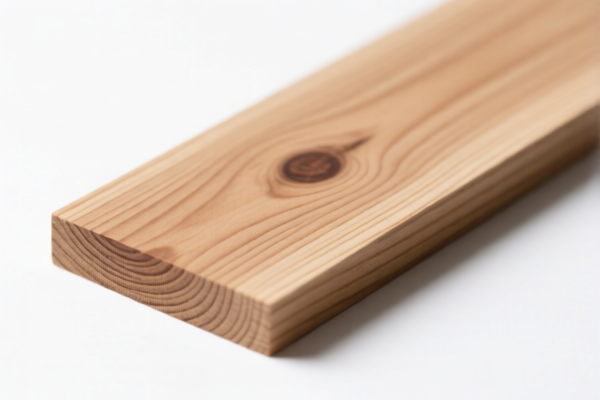
AI Analysis
🌲 Non-Coniferous Round Timber (Wood in the Rough)
🌐 HS Code Reference & Customs Clearance Guide | 2026 Latest Tariff Analysis | Professional Entry Strategies
📌 I. Product Definition & Classification: Do You Truly Understand "Round Timber"?
Non-coniferous round timber refers to wood from deciduous trees (such as oak, walnut, cherry, maple, etc.) that has been felled but not yet processed into planks, boards, or veneer. In international trade, it is classified based on its physical state (roughly squared or not) and chemical treatment (painted, stained, creasoted, etc.).
Key Distinction: * Raw/Rough Timber: Untreated or mechanically treated (barked/sapped), intended for further processing (sawing, veneering). → HS Code 4403.99.01.95 * Treated Timber: Impregnated with preservatives (paint, stain, creosote, etc.) to resist rot/insects, often used for outdoor structures (poles, sleepers). → HS Code 4403.12.00.60
⚠️ Critical Differentiator:
- If the wood has been chemically treated with preservatives (paint, stain, creosote) → It falls under 4403.12.00.60.
- If the wood is untreated or only mechanically processed (barked/squared) → It falls under 4403.99.01.95.
📦 II. HS Code Classification Details (2026 Latest Tariff Authority Comparison)
| HS Code | Product Description | Application Scenario | Treatment Status |
|---|---|---|---|
4403.12.00.60 |
Wood in the rough, treated with paint, stain, creosote, or other preservatives; Non-coniferous; Other | Outdoor poles, railway sleepers, landscaping timbers, treated landscaping wood | ✅ Treated (Chemical/Preservative) |
4403.99.01.95 |
Wood in the rough, whether or not stripped of bark or sapwood, or roughly squared; Other; Other | Raw logs, unprocessed hardwoods, timber for milling, furniture-grade raw logs | ✅ Untreated (Mechanical Only) |
🔍 Key Reminder:
- All chemically treated non-coniferous timber must be classified under 4403.12.00.60. Misclassification as untreated can lead to severe penalties for violating quarantine/preservative regulations. - If the timber is merely barked, sapwood removed, or roughly squared without chemical treatment, it belongs to 4403.99.01.95. - No splitting: Do not split the shipment into "treated" and "untreated" parts if they are mixed; consult a customs broker for mixed shipment strategies, but generally, each consignment must be clearly defined.
💰 III. 2026 Latest Tariff Rate Details (Including Additional Taxes & Policy Surcharges)
✅ Applicable Country: United States (US)
✅ Country of Origin: China (CN)
✅ Effective Date: November 10, 2025 (and subsequent imports)
🎯 1. 4403.12.00.60 —— Non-Coniferous Timber Treated with Preservatives
| Item | Content |
|---|---|
| Base Tariff | 0% (ad valorem) |
| USITC Surcharge | +25% (Under Section 301 of the Trade Act) |
| Total Tariff Rate | 25.0% |
| Tax Calculation | CIF Value × 25% |
| De Minimis Exemption | ❌ Not Eligible (deny_de_minimis) |
| Legal Basis Path | USITC:4403.12.00.60 → FOOTNOTE:9903.88.01 (Section 301 List 4A) |
📌 Explanation:
- The 25% surcharge is applied under the Section 301 tariffs targeting Chinese-origin goods. - Although the base tariff is 0%, the total effective rate is 25%. - This is a high tariff for bulk commodities. Importers must factor this into cost calculations immediately. - De Minimis (Section 321) exemption is denied for these codes, meaning even small shipments are subject to full duty assessment.
🎯 2. 4403.99.01.95 —— Other Non-Coniferous Wood in the Rough (Untreated/Roughly Squared)
| Item | Content |
|---|---|
| Base Tariff | 0% (ad valorem) |
| USITC Surcharge | +25% (Under Section 301 of the Trade Act) |
| Total Tariff Rate | 25.0% |
| Tax Calculation | CIF Value × 25% |
| De Minimis Exemption | ❌ Not Eligible (deny_de_minimis) |
| Legal Basis Path | USITC:4403.99.01.95 → FOOTNOTE:9903.88.01 (Section 301 List 4A) |
📌 Note:
- Same tariff rate as treated timber (25%). - Applies to all untreated non-coniferous rough timber, regardless of whether it is fully round, roughly squared, or partially debarked. - Even "raw" logs from China are subject to the full 25% Section 301 surcharge.
🛠️ IV. Customs Clearance Practical Advice (Real-World Pitfall Guide)
✅ 1. Documentation Checklist (Mandatory)
| Document | Required | Notes |
|---|---|---|
| ✅ Commercial Invoice | ✔️ | Must specify "Non-Coniferous Wood," treatment status (treated/untreated), and country of origin. |
| ✅ Packing List | ✔️ | Detail weight, volume, and number of pieces/logs. |
| ✅ Phytosanitary Certificate | ✔️ | CRITICAL: Issued by the exporting country’s plant protection agency. Must state no pests/diseases. |
| ✅ Fumigation Treatment Certificate | ✔️ | If required by US USDA/APHIS. Must show methyl bromide or heat treatment. |
| ✅ Bill of Lading/Air Waybill | ✔️ | Clearly describe cargo as "Wood in the Rough." |
| ✅ HS Code Pre-Advise | ✔️ | Recommend applying for a binding ruling if classification is ambiguous (treated vs. untreated). |
✅ 2. Declaration Tips (Key Mnemonics)
🔥 "Treated vs. Untreated, Certificate is Key! No Phytosanitary, Cargo Gets Denied!"
| Scenario | Correct Declaration | Incorrect Practice |
|---|---|---|
| Treated Logs (Paint/Stain) | 4403.12.00.60 + Phytosanitary + Fumigation Cert |
Misdeclare as 4403.99.01.95 → Penalties for false declaration |
| Raw Untreated Logs | 4403.99.01.95 + Phytosanitary + Fumigation Cert |
Missing fumigation cert → Quarantine Hold/Return |
| Mixed Shipment | Separate B/Ls or clear split in invoice | Mixed declaration → Customs delay for inspection |
| Roughly Squared | Still 4403.99.01.95 (if untreated) |
Declare as lumber (4407) → Wrong code, high risk |
✅ 3. Special Circumstances Handling
| Situation | Handling Advice |
|---|---|
| OEM Custom Sizes | Provide engineering drawings showing "roughly squared" dimensions. Do not declare as finished lumber. |
| With Insects/Pests Found | Cargo will be rejected or fumigated at importer's expense. Ensure strict pre-shipment inspection. |
| Wood Packaging Material (Pallets) | Must comply with ISPM 15. Pallets must have IPPC mark. If pallets are unmarked, the entire shipment may be detained. |
| Treated Timber Chemicals | Ensure treated wood meets US EPA standards. Declare the specific preservative used (e.g., Creosote, Copper Azole). |
🌍 V. Global Market Customs Comparison (2026 Latest)
| Country/Region | Recommended HS Code | Tariff Rate (CN Origin) | Certification Requirements | Notes |
|---|---|---|---|---|
| 🇺🇸 USA | 4403.12.00.60 / 4403.99.01.95 |
25% (Total) | Phytosanitary + Fumigation | High tariff, strict biosecurity |
| 🇨🇳 China | 4403.12.00.60 / 4403.99.01.95 |
0% - 5% | Depends on import type | Export duty may apply in China |
| 🇪🇺 EU | 4403 Series |
0% - 6% (depending on species) | Phytosanitary + IPPC | Strict EU Plant Health Regulation |
| 🇯🇵 Japan | 4403 Series |
0% - 3% (depending on species) | Phytosanitary | Strict wood pest checks |
📌 Conclusion:
- The US imposes a flat 25% tariff on all Chinese-origin rough timber, regardless of treatment. - Biosecurity is the biggest hurdle: Without a valid Phytosanitary Certificate and Fumigation Report, the cargo will not clear customs, leading to storage fees, re-export, or destruction. - Cost Impact: The 25% tariff significantly reduces the competitiveness of Chinese non-coniferous raw timber in the US market. Consider sourcing from alternative origins if possible, or factor the 25% into landed costs.
📌 VI. Common Errors & Pitfall Guide (Lessons Learned)
❌ Error 1: Missing Phytosanitary Certificate
👉 Consequence: Cargo detained at port, fumigation ordered at your expense, or return/re-export.
✅ Fix: Ensure supplier provides a valid certificate issued by the national plant protection organization.
❌ Error 2: Misdeclaring Treated Wood as Untreated
👉 Consequence: Customs fine for false declaration, potential seizure if preservatives are restricted.
✅ Fix: Clearly state "Treated with [Chemical Name]" on the invoice and packaging.
❌ Error 3: Using Non-ISPM 15 Pallets
👉 Consequence: Entire shipment (including wood) may be refused entry due to pest risk from packaging.
✅ Fix: Use only pallets with the IPPC Mark.
❌ Error 4: Ignoring the 25% Section 301 Tariff in Pricing
👉 Consequence: Profit margin erosion or loss-making deals.
✅ Fix: Build the 25% tariff into your FOB/CIF pricing model from day one.
🎯 VII. Conclusion: Professional Declaration, Smooth Clearance, Cost Control!
🎯 Remember the Mnemonics:
🔹 "Treated is .60, Untreated is .95, Both 25% Tax, No Exemption!"
🔹 "Phytosanitary is King, Fumigation is Queen, Missing Either, Cargo Seen Through!"
🔹 "HS Code Dictates Duty, 25% is the Rule, Declare Accurately, Avoid the Duel!"
📌 Pro Tip:
If your timber is sourced from Vietnam, Malaysia, or Indonesia, tariffs may differ (often lower or exempt under FTAs), but phytosanitary rules remain strict. Always verify the Country of Origin label on logs, not just the shipping port.
📣 Immediate Action:
📞 Contact a licensed customs broker for pre-clearance review.
📸 Provide photos of logs, treatment labels, and packing materials.
🚀 Secure Phytosanitary Certificates before shipment departure.
✨ Professional Clearance Starts with Accurate Classification!
💼 Your Every Penny is Worth Calculating!
Customer Reviews
About HS Code Classification
The Harmonized System (HS) is an internationally standardized nomenclature developed by the World Customs Organization (WCO) to classify traded products. Over 200 countries use the HS system as the basis for customs tariffs, trade statistics, and import/export regulations.
Each HS code follows a hierarchical structure:
- Chapter (2 digits) — Broad category of goods (e.g., Chapter 84: Machinery and Mechanical Appliances)
- Heading (4 digits) — More specific grouping within the chapter
- Subheading (6 digits) — Internationally standardized breakdown, used by all WCO member countries
- National subdivisions (8-10 digits) — Country-specific extensions for further classification, such as US HTSUS 10-digit codes
Correct HS code classification is essential for smooth customs clearance, accurate duty payment, and compliance with trade regulations. Misclassification can lead to customs delays, overpayment of duties, or penalties.
When importing from CN to US, the applicable tariff rates may include:
- Most-Favored-Nation (MFN) rate — The standard duty rate applied to WTO members
- General rate — Applied to countries without trade agreements
- Trade remedy duties — Additional tariffs such as Section 301 (anti-dumping), Section 232 (national security), or countervailing duties
The information provided on this page is for reference purposes only. For official classification, please consult with your local customs authority or a licensed customs broker.