Non coniferous Wood Fence Beam
CN → US| HS Code | Tariff Rate | Origin | Destination | Doc |
|---|---|---|---|---|
| 4407290296 | 35.0% | CN | US | Official Doc |
| 4407990295 | 35.0% | CN | US | Official Doc |
| 4418999195 | 38.2% | CN | US | Official Doc |
| 4418999140 | 38.2% | CN | US | Official Doc |
| 4421997040 | 35.0% | CN | US | Official Doc |
Product Images
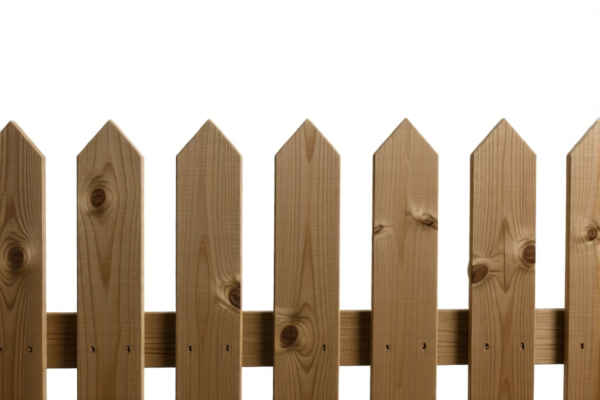
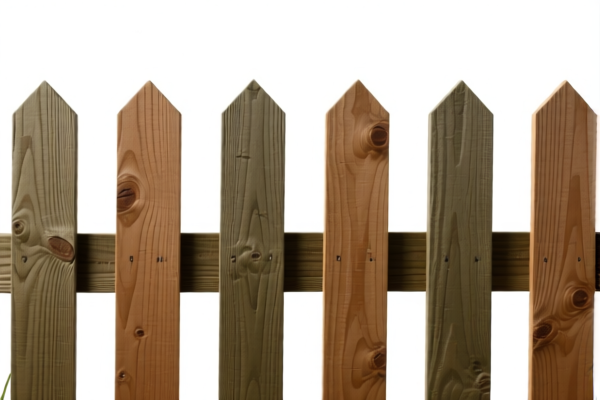
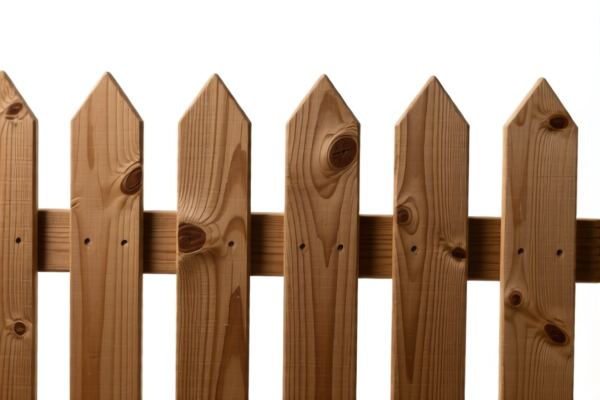
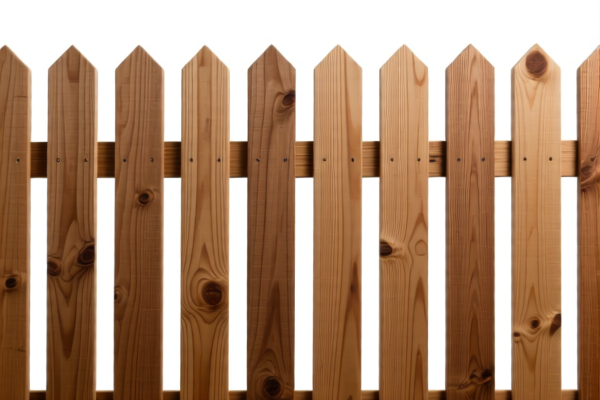
AI Analysis
🌲 Non-Coniferous Wood Fence Beams & Piles (Tropical & Broadleaf Timber)
🌐 HS Code Reference & Customs Clearance Guide | 2026 Tariff Analysis | Strategic Import Strategy
📌 I. Product Definition & Classification: What Exactly Are "Non-Coniferous Wood Fence Beams"?
In international trade, "Non-Coniferous Wood Fence Beams" generally refer to timber products used for fencing, landscaping, or light construction, derived from broadleaf (deciduous) trees or tropical hardwoods, as opposed to softwoods like pine, spruce, or fir. These products are categorized based on their processing state:
-
Sawn/Chipped Wood (Raw Processing):
- HS 4407 Category: Timber sawn or chipped lengthwise, containing, or not containing, wood shavings, etc.
- Scope: This includes raw planks, slats, and boards that have been cut longitudinally but are not yet assembled into a finished fence panel.
- Sub-types:
- Tropical Timber (HS 4407.29.02.96): Specifically identified as tropical hardwoods (e.g., Ipe, Teak, Mahogany variants often used in premium fencing).
- Other Non-Coniferous (HS 4407.99.02.95): Generic broadleaf timber that doesn't fall under specific tropical sub-categories but is still non-coniferous.
-
Sawn Piles/Stakes (HS 4421.99.70.40):
- Scope: Wood piles, posts, or fence stakes sawn into shape. These are often used as the structural support for fences rather than the horizontal rails.
-
Finished/Partial Wood Products (HS 4418 Category):
- Scope: Prefabricated wooden buildings or parts thereof. If the "beam" is part of a pre-assembled fence structure or specific architectural component (like a rail slat in a prefabricated kit), it may fall here.
- Sub-types:
- Other Prefabricated Structural Wood Components (HS 4418.99.91.40): Broad category for wood parts not specifically named elsewhere.
- Other Articles of Wood (HS 4418.99.91.95): Slats or boards that don't fit other specific exclusions.
⚠️ Key Distinction Point:
- If the product is raw sawn wood (just cut from the log into plank/beam shape) →归入 4407.xxxx
- If the product is a sawn pile/post used for support → 归入 4421.99.70.40
- If the product is a prefabricated component or slat part of a larger system → 归入 4418.99.91.xx
📦 II. HS Code Classification Matrix (2026 Latest Tariff Reference)
| HS Code | Product Description | Application Scenario | Processing State |
|---|---|---|---|
4407.29.02.96 |
Non-coniferous fence slats, Tropical Timber category, longitudinally sawn/chipped | Premium hardwood fencing (e.g., Ipe, Teak), raw planks | ✅ Sawn/Chipped (Raw) |
4407.99.02.95 |
Non-coniferous fence slats, Non-Coniferous (Generic), longitudinally sawn/chipped | Generic broadleaf wood fencing, raw planks | ✅ Sawn/Chipped (Raw) |
4418.99.91.95 |
Non-coniferous fence slats, Wood Building Products, slat form, not excluded | Prefabricated fence slats, architectural wood parts | ✅ Prefabricated/Part |
4418.99.91.40 |
Non-coniferous fence slats, Other Prefabricated Structural Wood Components | Structural wood components for fences/buildings | ✅ Prefabricated/Part |
4421.99.70.40 |
Non-coniferous Fence Piles, sawn piles, posts, rails | Fence posts, stakes, vertical supports | ✅ Sawn Pile/Post |
🔍 Key Reminder:
- Raw Material vs. Finished Product: If the wood is simply cut into beams/slats, use 4407. If it is part of a pre-assembled structure or specific "building part," use 4418.
- Piles vs. Beams: Vertical supports (posts/piles) are classified under 4421, while horizontal beams/slats are under 4407 or 4418.
- Tropical vs. Non-Tropical: If the wood is explicitly identified as tropical hardwood, 4407.29.02.96 is more precise; otherwise, use 4407.99.02.95.
💰 III. 2026 Tariff Rate Breakdown (Including Surtaxes & Policy Add-ons)
✅ Applicable Country: United States (US)
✅ Origin: China (CN)
✅ Effective Date: From November 10, 2025 (and subsequent imports)
🎯 1. 4407.29.02.96 & 4407.99.02.95 —— Raw Sawn Non-Coniferous Wood Slats/Beams
| Item | Content |
|---|---|
| Base Duty Rate | 0% (Ad Valorem) |
| USITC Surtax (Section 301) | +25% (Based on USITC Footnotes for Wood Products) |
| IEEPA Surtax (Section 122/301-related) | +10% (Specific 122 Clause Tariff for Chinese Wood Products) |
| Total Effective Rate | 35.0% |
| Tax Calculation | CIF Value × 35% |
| De Minimis Eligibility | ❌ Not Eligible (Deny De Minimis) |
| Legal Basis Path | Base: 0% → 301 Surtax: 25% → 122 Clause: 10% → Total: 35% |
📌 Explanation:
- Base 0%: Standard MFN (Most Favored Nation) duty for raw sawn wood is often 0% or very low.
- +25% Section 301 Tariff: This is the standard additional duty on many Chinese wood products under US Trade Law Section 301.
- +10% 122 Clause Tariff: This is a specific additional tariff applicable to certain wood products from China, often linked to trade remedy measures or specific sectoral agreements.
- Total 35%: This is a high tariff burden. Importers must factor this into their cost model. There is no de minimis exemption for shipments from China under current regulations.
🎯 2. 4418.99.91.95 & 4418.99.91.40 —— Prefabricated Wood Components/Slat
| Item | Content |
|---|---|
| Base Duty Rate | 3.2% (Ad Valorem) |
| USITC Surtax (Section 301) | +25% |
| IEEPA Surtax (Section 122/301-related) | +10% |
| Total Effective Rate | 38.2% |
| Tax Calculation | CIF Value × 38.2% |
| De Minimis Eligibility | ❌ Not Eligible |
| Legal Basis Path | Base: 3.2% → 301 Surtax: 25% → 122 Clause: 10% → Total: 38.2% |
📌 Explanation:
- Base 3.2%: Prefabricated wood products often have a slightly higher base duty than raw lumber due to added manufacturing value.
- Surtaxes: The same 25% (301) and 10% (122 Clause) apply, leading to a higher total rate of 38.2%.
- Impact: Classification as a "prefabricated component" increases the tax burden by 3.2% compared to raw sawn wood. Ensure your product description accurately reflects whether it is raw or pre-assembled.
🎯 3. 4421.99.70.40 —— Non-Coniferous Fence Piles/Posts
| Item | Content |
|---|---|
| Base Duty Rate | 0% (Ad Valorem) |
| USITC Surtax (Section 301) | +25% |
| IEEPA Surtax (Section 122/301-related) | +10% |
| Total Effective Rate | 35.0% |
| Tax Calculation | CIF Value × 35.0% |
| De Minimis Eligibility | ❌ Not Eligible |
| Legal Basis Path | Base: 0% → 301 Surtax: 25% → 122 Clause: 10% → Total: 35.0% |
📌 Explanation:
- Similar to raw slats, fence piles are treated as sawn wood products.
- Total 35%: Matches the raw wood rate.
- Note: If the piles are treated (pressure-treated, painted, etc.), additional regulations (EPA/CPSC) may apply, but the tariff structure remains similar unless specific exclusions exist.
🛠️ IV. Customs Clearance Practical Advice (Avoiding Pitfalls)
✅ 1. Required Documentation Checklist
| Document | Mandatory? | Notes |
|---|---|---|
| ✅ Product Specification Sheet | ✔️ | Must specify wood species (e.g., Ipe, Oak), dimensions, and treatment status. |
| ✅ Scientific Wood Name | ✔️ | Common names (e.g., "Tropical Wood") are insufficient. Use Latin binomials if possible. |
| ✅ Bill of Lading (B/L) | ✔️ | Must match commercial invoice details exactly. |
| ✅ Commercial Invoice | ✔️ | Must clearly state "Non-Coniferous Wood," "Sawn/Chipped," or "Prefabricated." |
| ✅ Fumigation Certificate | ✔️ | Crucial for Wood Products. ISPM 15 compliant fumigation or heat treatment certificate is required by USDA APHIS. |
| ✅ Packaging List | ✔️ | Detail contents per pallet/container. |
| ✅ Declaration of Non-Coniferous | ✔️ | Explicitly state that the wood is NOT coniferous (softwood) to justify HS 4407/4418 over 4406 (railway sleepers) or other conifer-specific codes. |
✅ 2. Classification Strategy (Key Mantras)
🔥 "Raw Sawn is 4407, Prefab is 4418, Piles are 4421. Don't Misclassify!"
| Scenario | Correct HS Code | Error Risk |
|---|---|---|
| Raw planks, just cut from log | 4407.29.02.96 / 4407.99.02.95 |
❌ If declared as prefab, tax jumps to 38.2%. If declared as pile, risk of rejection. |
| Pre-cut fence slats for assembly | 4418.99.91.95 / 4418.99.91.40 |
❌ If declared as raw, might be audited for "finished good" status. |
| Vertical posts/piles | 4421.99.70.40 |
❌ If declared as slats, customs may reclassify and adjust tax. |
| Treated Wood | All above + ISPM 15 Cert | ❌ Without fumigation cert, goods will be refused entry or destroyed. |
✅ 3. Special Handling Tips
| Situation | Recommendation |
|---|---|
| Tropical vs. Non-Tropical | If you use Ipe or Teak, declare as Tropical (4407.29.02.96) to avoid ambiguity. Generic "Hardwood" should go to 4407.99.02.95. |
| Mixed Shipments | If a container has both slats (4407) and piles (4421), declare separately on the invoice to avoid customs confusion. |
| Prefabricated Kits | If the fence comes with pre-drilled holes or assembled sections, it may fall under 4418. Ensure your packaging and photos reflect this. |
| Duty Minimization | There is no legal way to reduce the 35% or 38.2% tariff for Chinese-origin wood without using a free trade agreement partner (which does not exist for China-US). Consider transshipment risks (illegal transshipment can lead to severe penalties). |
🌍 V. Global Market Comparison (2026 Latest)
| Country/Region | Recommended HS Code | Tariff (China Origin) | Key Requirement | Notes |
|---|---|---|---|---|
| 🇺🇸 USA | 4407.xxxx / 4418.xxxx |
35% - 38.2% | ISPM 15 Fumigation | High tariffs due to 301 & 122 clauses. |
| 🇨🇳 China | 4407.xxxx |
0% - 5% | N/A | Import tax varies by species. |
| 🇪🇺 EU | 4407.xxxx |
0% - 6.5% | FSC/PEFC Certification | Increasing demand for sustainable wood certification. |
| 🇬🇧 UK | 4407.xxxx |
0% - 6.5% | FSC/PEFC Certification | Post-Brexit, similar to EU standards. |
| 🇦🇺 Australia | 4407.xxxx |
0% - 5% | Biosecurity Clearance | Strict quarantine laws for wood products. |
📌 Conclusion:
- USA is the most expensive market for Chinese wood products due to叠加 tariffs (35-38.2%).
- Biosecurity/Fumigation is universal. Without proper ISPM 15 certification, clearance will fail in all major markets.
- Certification Matters: In EU/UK/AU, sustainability certifications (FSC/PEFC) can affect market access, though not always direct tariffs.
📌 VI. Common Errors & Pitfalls (Lessons Learned)
❌ Mistake 1: Declaring "Wood" without specifying "Non-Coniferous"
👉 Consequence: Customs may classify under coniferous codes (e.g., 4406), leading to incorrect duty assessment and delays.
✅ Fix: Always state "Non-Coniferous," "Hardwood," or "Broadleaf."
❌ Mistake 2: Missing ISPM 15 Fumigation Certificate
👉 Consequence: 货物被拒入境或销毁 (Goods refused entry or destroyed).
✅ Fix: Ensure the wooden packaging and the product itself are fumigated/heat-treated and labeled correctly.
❌ Mistake 3: Misclassifying Prefab Parts as Raw Material
👉 Consequence: Tax rate changes from 35% to 38.2%, or vice versa, leading to underpayment penalties or overpayment.
✅ Fix: Analyze if the product is "sawn wood" (4407) or a "part of a building" (4418).
❌ Mistake 4: Ignoring the "122 Clause"
👉 Consequence: Underestimating total landed cost by 10%.
✅ Fix: Include the 10% 122 Clause tariff in your cost calculations for all wood products from China to the US.
🎯 VII. Conclusion: Professional Classification, Cost Control
🎯 Key Takeaways:
🔹 "Raw Sawn: 35% | Prefab: 38.2% | Piles: 35%."
🔹 "Fumigation is Non-Negotiable."
🔹 "HS Code Determines Your Profit Margin."
📌 Pro Tip:
If you are importing large volumes, consider applying for a Binding Ruling from US Customs and Border Protection (CBP) to confirm your HS Code and tariff classification in advance. This provides legal certainty and prevents post-entry audits.
📣 Immediate Action:
📞 Consult a licensed customs broker.
📸 Provide product photos and specifications.
📄 Obtain ISPM 15 Fumigation Certificate.
🚀 Ensure smooth clearance and accurate cost calculation!
✨ Precise Classification Saves Money!
💼 Every percentage point of tariff matters!
Customer Reviews
About HS Code Classification
The Harmonized System (HS) is an internationally standardized nomenclature developed by the World Customs Organization (WCO) to classify traded products. Over 200 countries use the HS system as the basis for customs tariffs, trade statistics, and import/export regulations.
Each HS code follows a hierarchical structure:
- Chapter (2 digits) — Broad category of goods (e.g., Chapter 84: Machinery and Mechanical Appliances)
- Heading (4 digits) — More specific grouping within the chapter
- Subheading (6 digits) — Internationally standardized breakdown, used by all WCO member countries
- National subdivisions (8-10 digits) — Country-specific extensions for further classification, such as US HTSUS 10-digit codes
Correct HS code classification is essential for smooth customs clearance, accurate duty payment, and compliance with trade regulations. Misclassification can lead to customs delays, overpayment of duties, or penalties.
When importing from CN to US, the applicable tariff rates may include:
- Most-Favored-Nation (MFN) rate — The standard duty rate applied to WTO members
- General rate — Applied to countries without trade agreements
- Trade remedy duties — Additional tariffs such as Section 301 (anti-dumping), Section 232 (national security), or countervailing duties
The information provided on this page is for reference purposes only. For official classification, please consult with your local customs authority or a licensed customs broker.