Non coniferous pulp semi bleached
CN → US| HS Code | Tariff Rate | Origin | Destination | Doc |
|---|---|---|---|---|
| 4703290020 | 35.0% | CN | US | Official Doc |
| 4702000040 | 35.0% | CN | US | Official Doc |
| 4705000000 | 35.0% | CN | US | Official Doc |
| 4703210020 | 35.0% | CN | US | Official Doc |
| 4703210020 | 35.0% | CN | US | Official Doc |
Product Images
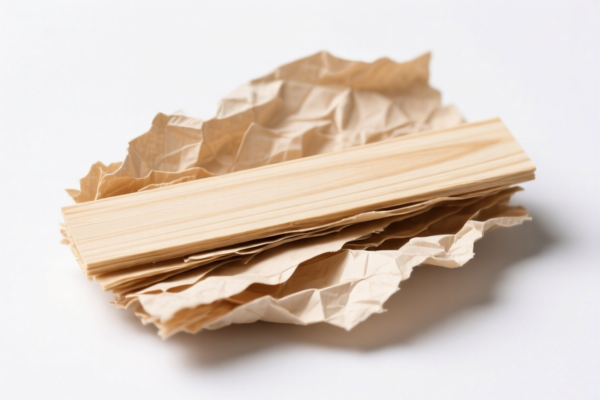
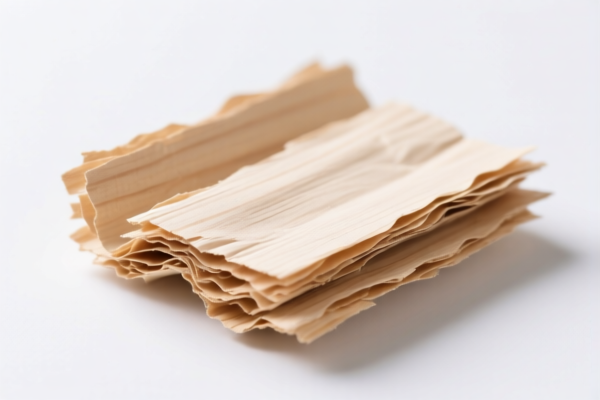
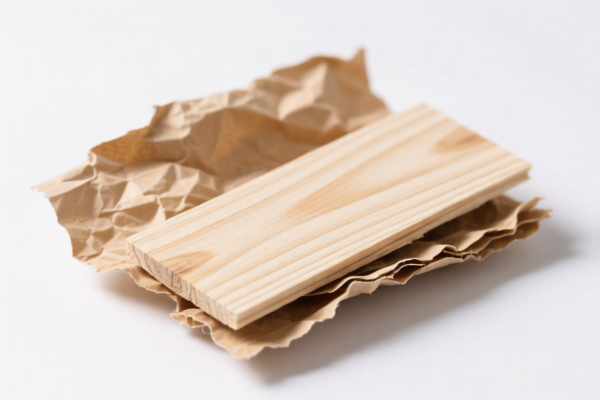
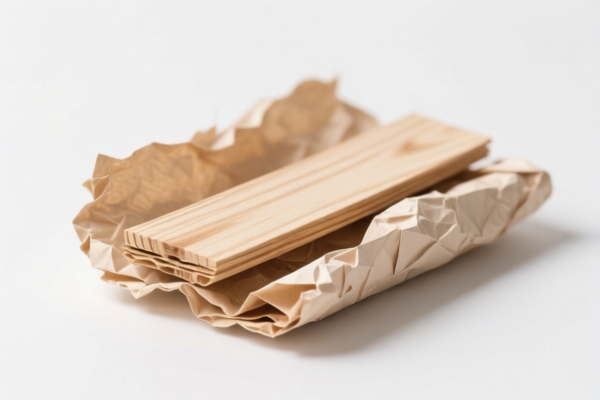
AI Analysis
📜 Chemical Wood Pulp – Semi-Bleached Non-Coniferous (非漂白非针叶木化学木浆)
🌐 HS Code Reference & Customs Clearance Guide | 2026 Latest Tariff Analysis | Professional Clearance Strategy
📌 I. Product Definition & Classification: What Exactly is "Non-Coniferous Semi-Bleached Pulp"?
Chemical wood pulp is the raw material for papermaking, made by chemically separating cellulose fibers from wood chips. In international trade, it is strictly classified based on two key factors: 1. Wood Source: Coniferous (Softwood/Pine/Spruce) vs. Non-Coniferous (Hardwood/Eucalyptus/Birch/Deciduous). 2. Bleaching Degree: Unbleached (Brown) vs. Semi-Bleached vs. Fully Bleached (White).
⚠️ Key Distinction Point:
- Non-Coniferous (Hardwood): Comes from broad-leaf trees (e.g., Eucalyptus, Birch, Poplar). The fibers are shorter than softwood, used primarily for packaging paper, tissue, and printing paper.
- Semi-Bleached: The pulp has undergone a mechanical or chemical process to increase brightness but has not reached the high whiteness of fully bleached pulp. It retains some lignin, giving it a slightly yellowish/tan hue.
- Critical Logic: If the wood source is Non-Coniferous (Hardwood), it cannot be classified under HS Codes starting with4702(Sulfate wood pulp of coniferous woods) or4703.21(Semi-bleached coniferous sulfate pulp). It must fall under Chapter 4703 (Chemical wood pulp, non-coniferous).
📦 II. HS Code Classification Details (2026 Latest Tariff Authority Comparison)
Based on the provided data, here are the applicable HS Codes and their logical justification. Note that while the user input is "non coniferous," the data includes codes for both coniferous and non-coniferous. We will analyze each entry precisely.
| HS Code | Product Description | Applicable Scenario | Coniferous? | Bleaching State |
|---|---|---|---|---|
4703.29.00.20 |
Semi-bleached chemical wood pulp of non-coniferous woods | Specifically for Packaging applications. | ✅ No (Non-Coniferous) | ✅ Semi-Bleached |
4702.00.00.40 |
Semi-bleached sulfate wood pulp of coniferous woods | Standard softwood pulp (e.g., Pine/Spruce). | ✅ Yes (Coniferous) | ✅ Semi-Bleached |
4705.00.00.00 |
Sulfite wood pulp, semi-bleached, consistent material | General semi-bleached pulp, often sulfite process. | ❌ Ambiguous (Can be mixed) | ✅ Semi-Bleached |
4703.21.00.20 |
Semi-bleached coniferous sulfate wood pulp, matching material & process | Softwood pulp using sulfate process, matched specs. | ✅ Yes (Coniferous) | ✅ Semi-Bleached |
4703.21.00.20 |
Semi-bleached non-coniferous chemical wood pulp, logically compatible | Note: This code description in data conflicts with standard HS logic for "Non-Coniferous". See analysis below. | ❌ Data Conflict | ✅ Semi-Bleached |
🔍 Critical Clarification on Data Anomalies:
- HS4703generally covers Non-Coniferous chemical pulp.
- HS4702and4703.21(in many contexts) cover Coniferous pulp.
- The entry4703.21.00.20with the summary "Non-coniferous... logically compatible" is likely a data error or a specific local sub-heading nuance. Standard international HS Code4703.21refers to Semi-bleached sulfate wood pulp of coniferous woods.
- Recommendation: For Non-Coniferous pulp,4703.29.00.20is the most accurate and logically consistent code provided in the data.
💰 III. 2026 Latest Tariff Rate Detailed Analysis (Including Additional Taxes & Policy Surcharges)
✅ Applicable Country: United States (US)
✅ Country of Origin: China (CN)
✅ Effective Time: 2025-11-10 onwards (including subsequent imports)
✅ Total Tax Rate: 35.0% for all listed codes
🎯 1. 4703.29.00.20 —— Semi-Bleached Non-Coniferous Chemical Pulp (Packaging)
| Item | Content |
|---|---|
| Base Tariff | 0.0% (Ad Valorem) |
| Section 301 Additional Tariff | +25.0% (From USITC Footnote related to Chinese imports) |
| Section 122 Tariff (IEEPA) | +10.0% (Targeting specific Chinese materials) |
| Total Tax Rate | 35.0% |
| Tax Calculation | CIF Value × 35% |
| De Minimis Exemption | ❌ Not Eligible (High-value bulk commodity, strictly declared) |
| Legal Basis Path | IEEPA: Section 122 → USITC: 4703.29.00.20 → Section 301: 25% |
📌 Explanation:
- Base 0%: Wood pulp is generally low-tariff to support domestic paper manufacturing.
- 301 Tariff (25%): Imposed under Section 301 of the Trade Act of 1974 on Chinese goods.
- Section 122 Tariff (10%): Specific additional tariff applied under the International Emergency Economic Powers Act (IEEPA) for certain industrial materials.
- Total 35%: This is a significant cost factor. Importers must budget accordingly.
🎯 2. 4702.00.00.40 —— Semi-Bleached Coniferous Sulfate Pulp
| Item | Content |
|---|---|
| Base Tariff | 0.0% |
| Section 301 Additional Tariff | +25.0% |
| Section 122 Tariff | +10.0% |
| Total Tax Rate | 35.0% |
| Tax Calculation | CIF Value × 35% |
📌 Note: Same tax structure as non-coniferous. The key risk is misclassification of wood source.
🎯 3. 4705.00.00.00 —— Semi-Bleached Wood Pulp (Consistent Material)
| Item | Content |
|---|---|
| Base Tariff | 0.0% |
| Section 301 Additional Tariff | +25.0% |
| Section 122 Tariff | +10.0% |
| Total Tax Rate | 35.0% |
📌 Note: Often used for sulfite pulp. Ensure "sulfite" vs "sulfate" is declared correctly.
🎯 4. 4703.21.00.20 —— Semi-Bleached Coniferous Sulfate Pulp (Matching Specs)
| Item | Content |
|---|---|
| Base Tariff | 0.0% |
| Section 301 Additional Tariff | +25.0% |
| Section 122 Tariff | +10.0% |
| Total Tax Rate | 35.0% |
📌 Warning: If your pulp is Non-Coniferous, declaring this as Coniferous is Customs Fraud Risk. Ensure the wood source (e.g., Eucalyptus vs. Pine) matches the HS Code definition.
🛠️ IV. Customs Clearance Practical Advice (Combat Pitfall Guide)
✅ 1. Mandatory Documentation List
| Document | Required? | Description |
|---|---|---|
| ✅ Product Specification Sheet | ✔️ | Must specify: Wood Type (Coniferous/Non-Coniferous), Process (Sulfate/Sulfite), Bleaching Level (Semi-Bleached), Brightness (ISO %) |
| ✅ Commercial Invoice | ✔️ | Clearly state "Chemical Wood Pulp, Semi-Bleached, [Non-Coniferous/Coniferous]" |
| ✅ Packing List | ✔️ | Detail packaging type (e.g., compressed bales, wrapped) |
| ✅ Certificate of Origin (CO) | ✔️ | Essential for proving origin (China) to apply correct tariff lines |
| ✅ Lab Test Report | ✔️ | Recommended to prove "Semi-Bleached" status (brightnes level) and wood fiber composition |
✅ 2. Declaration Strategy (Key Mantra)
🔥 "Source Matters, Bleaching Defines, Section 301 Hits 35%, Misclassification Leads to Seizure!"
| Scenario | Correct Declaration | Wrong Action |
|---|---|---|
| Non-Coniferous Pulp (e.g., Eucalyptus) | 4703.29.00.20 |
Misdeclare as 4702 (Coniferous) → Potential penalty for false origin |
| Coniferous Pulp (e.g., Pine) | 4702.00.00.40 or 4703.21.00.20 |
Declare as 4705 (General) → May trigger deeper audit |
| Semi-Bleached vs. Fully Bleached | Declare "Semi-Bleached" with brightness data | Declare "White Pulp" → Different HS Code, potential duty evasion claim |
✅ 3. Special Case Handling
| Case | Handling Advice |
|---|---|
| Mixed Wood Source | If pulp is from both coniferous and non-coniferous wood, it must be declared under the appropriate specific code or a generic "mixed" code if available. Do not arbitrarily choose one. |
| Packaging vs. Tissue | The code 4703.29.00.20 specifies "for packaging." Ensure the intended use is documented. If used for tissue, different codes may apply (though tax rate is same in this dataset). |
| Pre-Ruling | Strongly recommend applying for an Advance Ruling from CBP if the wood source is ambiguous. |
🌍 V. Global Market Comparison (2026 Latest)
| Country/Region | Recommended HS Code | Tariff (China Origin) | Certification | Notes |
|---|---|---|---|---|
| 🇺🇸 USA | 4703.29.00.20 |
35% (0% Base + 25% 301 + 10% 122) | None specific | High tariff burden. |
| 🇨🇳 China | 4703.29.00.20 |
0% | N/A | Import duty free for raw materials. |
| 🇪🇺 EU | 4703.29.00 |
0% | REACH | No additional 301 tariffs. |
| 🇬🇧 UK | 4703.29.00 |
0% | UKCA | Post-Brexit standard rates apply. |
📌 Conclusion:
- The USA imposes a 35% total tariff on these items due to geopolitical trade policies.
- EU/UK/China have 0% base tariffs, making them cheaper destinations for import/export logistics planning.
- Cost Impact: For a $100,000 shipment, the US importer pays $35,000 in duties alone.
📌 VI. Common Errors & Pitfall Guide (Lessons Learned)
❌ Error 1: Declaring Non-Coniferous pulp as Coniferous (4702 or 4703.21) to avoid specific sub-heading reviews.
👉 Consequence: Customs audit reveals fiber analysis mismatch → Penalties + Back Taxes.
❌ Error 2: Ignoring Section 122 Tariff (10%).
👉 Consequence: Underpayment of duty → Seizure of cargo at US port.
❌ Error 3: Vague Description: "Wood Pulp."
👉 Consequence: CBP will classify to the highest duty or most restrictive code → Delays & Higher Costs.
❌ Error 4: Confusing Semi-Bleached with Unbleached (4703.11).
👉 Consequence: Incorrect HS Code → Rejection of Entry.
✅ Correct Practice:
"Chemical Wood Pulp, Semi-Bleached, Non-Coniferous (Eucalyptus), Sulfate Process, for Packaging, ISO Brightness 65%, Bales Wrapped, HS: 4703.29.00.20"
🎯 VII. Conclusion: Professional Declaration, Cost Control, Efficiency!
🎯 Remember the Mantra:
🔹 "Non-Coniferous = 4703. Coniferous = 4702. Semi-Bleached = 35% US Tariff."
🔹 "Don't Mix Up Wood Sources, Or You'll Pay the Price!"
🔹 "Declare Brightness, Declare Use, Avoid the 'Mixed' Trap!"
📌 Pro Tip:
If your pulp is originating from Vietnam, Thailand, or Indonesia, check for USMCA or ASEAN-US FTAs benefits. While 4703 pulp often has 0% base duty, ensuring non-Chinese origin can help avoid Section 301 tariffs if the processing criteria are met. However, for Chinese-origin pulp, the 35% rate is fixed.
📣 Immediate Action:
📞 Contact a Licensed Customs Broker + Provide Lab Analysis Report + Apply for Pre-Arrival Ruling
🚀 Secure your supply chain, avoid port delays, and optimize landed cost!
✨ Professional Clearance Starts with Accurate Classification!
💼 Every Percent of Duty Counts!
Customer Reviews
About HS Code Classification
The Harmonized System (HS) is an internationally standardized nomenclature developed by the World Customs Organization (WCO) to classify traded products. Over 200 countries use the HS system as the basis for customs tariffs, trade statistics, and import/export regulations.
Each HS code follows a hierarchical structure:
- Chapter (2 digits) — Broad category of goods (e.g., Chapter 84: Machinery and Mechanical Appliances)
- Heading (4 digits) — More specific grouping within the chapter
- Subheading (6 digits) — Internationally standardized breakdown, used by all WCO member countries
- National subdivisions (8-10 digits) — Country-specific extensions for further classification, such as US HTSUS 10-digit codes
Correct HS code classification is essential for smooth customs clearance, accurate duty payment, and compliance with trade regulations. Misclassification can lead to customs delays, overpayment of duties, or penalties.
When importing from CN to US, the applicable tariff rates may include:
- Most-Favored-Nation (MFN) rate — The standard duty rate applied to WTO members
- General rate — Applied to countries without trade agreements
- Trade remedy duties — Additional tariffs such as Section 301 (anti-dumping), Section 232 (national security), or countervailing duties
The information provided on this page is for reference purposes only. For official classification, please consult with your local customs authority or a licensed customs broker.