Non coniferous wood material for walking sticks
CN → US| HS Code | Tariff Rate | Origin | Destination | Doc |
|---|---|---|---|---|
| 6602000000 | 21.5% | CN | US | Official Doc |
| 4417008090 | 40.1% | CN | US | Official Doc |
| 4417008010 | 40.1% | CN | US | Official Doc |
| 9506990530 | 17.5% | CN | US | Official Doc |
| 9506910030 | 22.1% | CN | US | Official Doc |
Product Images
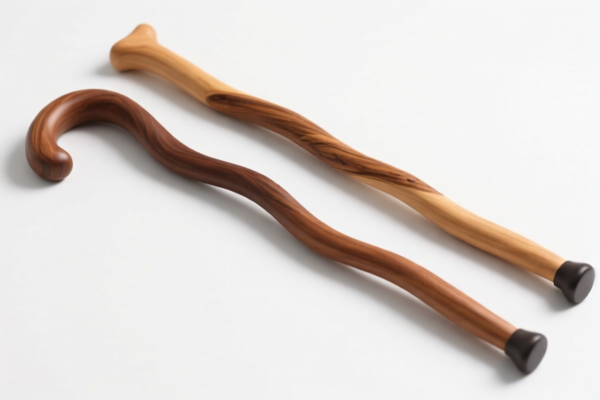
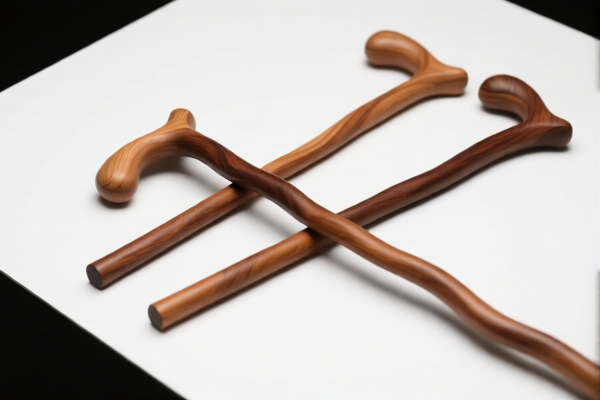
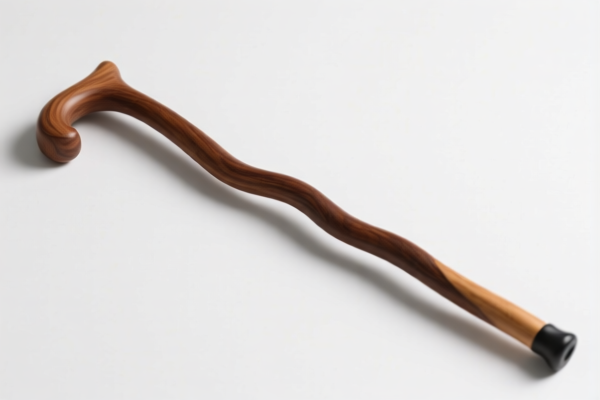
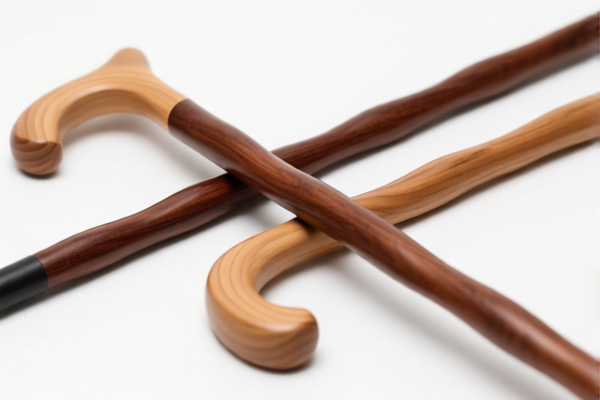
AI Analysis
🥾 Hiking Poles (Walking Sticks)
Non-Coniferous Wood Material for Walking Sticks
🌐 HS Code Reference & Customs Clearance Guide | 2026 Latest Tariff Analysis | Professional Clearance Strategy
📌 I. Product Definition & Classification: What Exactly is a "Hiking Pole"?
Hiking poles, also known as walking sticks, are essential equipment for outdoor activities, hiking, and trekking. In international trade, they are primarily classified based on their primary material and functional purpose. This guide focuses on hiking poles made from non-coniferous wood (e.g., bamboo, hardwoods like ash or hickory) or composite materials where wood is a key component, analyzing the best HS Code classifications and corresponding tax liabilities under current US trade policies.
⚠️ Key Distinction Point:
- If the pole is primarily a sports/outdoor recreational item → Look to Chapter 95 (Toys, Games, Sports Goods).
- If the pole is primarily a tool, accessory, or made of wood → Look to Chapter 44 (Wood) or Chapter 84/90 (Miscellaneous Manufactured Articles).
- Material Impact: Non-coniferous wood poles may face different tariff treatments compared to aluminum/carbon fiber poles, especially under specific "Section 301" or "122" duties.
📦 II. HS Code Classification Details (2026 Latest Tariff Authority Comparison)
Based on the provided data, here are the four most relevant HS Codes for hiking poles, with a focus on non-coniferous wood materials.
| HS Code | Product Description | Application Scenario | Material/Function Logic |
|---|---|---|---|
6602.00.00.00 |
Walking Sticks & Canes | General walking aids, hiking, ceremonial use | Classified as "Walking Sticks" per function. Low tariff base. |
4417.00.80.10 |
Tools, Tool Bodies, etc., of Wood | Wooden hiking poles considered as "wooden tools/accessories" | Core logic: Wood material + Tool/Instrument form. |
4417.00.80.90 |
Other Wood Tools/Accessories | Wooden poles not specifically listed elsewhere | Broad category for wooden items not fitting specific tool headings. |
9506.99.05.30 |
Other Sports/Outdoor Games Articles | Hiking poles as "Outdoor Sports Equipment" | Logic: Outdoor recreation use. Often applies to metal/composite, but wood variants may fall here if marketed as sports gear. |
9506.91.00.30 |
Other Sports/Outdoor Games Articles | General sports goods | Broad sports category. Note: Specific duties for steel/aluminum/copper apply, but wood may differ. |
🔍 Focus on Non-Coniferous Wood:
- If the pole is primarily wooden (non-coniferous), customs authorities often lean toward Chapter 44 (Wood) unless the "sporting use" is overwhelmingly dominant and the material is minor/composite.
-9506.99.05.30is a common classification for hiking poles, but it explicitly mentions "Steel, Aluminum, Copper" surcharges. For wooden poles, the wood chapters (4417) might be more appropriate if the wood component is substantial.
💰 III. 2026 Latest Tariff Rate Breakdown (Including Surcharges & Policy Add-ons)
✅ Applicable Country: United States (US)
✅ Origin: China (CN) (Assumed based on tariff structure provided)
✅ Effective Date: 2025/2026 (Current Trade Policy Environment)
🎯 1. 6602.00.00.00 — Walking Sticks & Canes (Function-Based)
This classification treats hiking poles as general walking aids.
| Item | Details |
|---|---|
| Base Tariff | 4.0% (ad valorem) |
| Section 301 Surcharge | 7.5% |
| Section 122 Duty | 10.0% |
| Total Tax Rate | 21.5% |
| Tax Calculation | CIF Value × 21.5% |
| De Minimis Eligibility | ❌ No (Typically subject to higher scrutiny) |
| Legal Basis Path | HTSUS:6602.00.00.00 → Section 301:301.5 → Section 122:19 CFR 122 |
📌 Explanation:
- This is the lowest total tax rate among the options provided.
- Ideal if the pole can be convincingly classified as a "walking stick" rather than a "sporting good" or "wooden tool."
- Note: Ensure the product description emphasizes "walking aid" or "hiking support" rather than "high-performance sports equipment" to support this classification.
🎯 2. 4417.00.80.10 — Wooden Tools/Accessories (Material-Based)
If the hiking pole is primarily made of non-coniferous wood, it may fall under "Tools of Wood."
| Item | Details |
|---|---|
| Base Tariff | 5.1% (ad valorem) |
| Section 301 Surcharge | 25.0% |
| Section 122 Duty | 10.0% |
| Total Tax Rate | 40.1% |
| Tax Calculation | CIF Value × 40.1% |
| De Minimis Eligibility | ❌ No |
| Legal Basis Path | HTSUS:4417.00.80.10 → Section 301:301.5 → Section 122:19 CFR 122 |
📌 Explanation:
- Higher tax burden due to the 25% Section 301 surcharge on wood products from China.
- Use this only if customs insists on material-based classification over function.
- Non-Coniferous Wood: Specific wood types (e.g., bamboo) might have different base rates, but the surcharge remains high.
🎯 3. 4417.00.80.90 — Other Wood Tools/Accessories
Similar to above, but for wood items not specifically listed.
| Item | Details |
|---|---|
| Base Tariff | 5.1% |
| Section 301 Surcharge | 25.0% |
| Section 122 Duty | 10.0% |
| Total Tax Rate | 40.1% |
| De Minimis Eligibility | ❌ No |
📌 Note: Effectively identical to
4417.00.80.10in terms of tax liability. Choose based on the most precise product description matching customs databases.
🎯 4. 9506.99.05.30 — Other Sports/Outdoor Games Articles
Classifies hiking poles as outdoor sporting goods.
| Item | Details |
|---|---|
| Base Tariff | 0.0% |
| Section 301 Surcharge | 7.5% |
| Section 122 Duty | 10.0% |
| Surcharge for Steel/Aluminum/Copper | 50% (Note: Does NOT apply to Wood) |
| Total Tax Rate | 17.5% |
| Tax Calculation | CIF Value × 17.5% |
| De Minimis Eligibility | ❌ No |
| Legal Basis Path | HTSUS:9506.99.05.30 → Section 301:301.5 → Section 122:19 CFR 122 |
📌 Critical Insight:
- This is the most cost-effective classification (17.5% total).
- The 50% surcharge for steel/aluminum/copper does NOT apply to wooden poles.
- Risk: Customs may challenge this if the pole is deemed more of a "walking stick" (6602) or "wooden tool" (4417). However, for marketing as "outdoor sports equipment," this is often the preferred HS Code.
🎯 5. 9506.91.00.30 — Other Sports/Outdoor Games Articles (General)
| Item | Details |
|---|---|
| Base Tariff | 4.6% |
| Section 301 Surcharge | 7.5% |
| Section 122 Duty | 10.0% |
| Surcharge for Steel/Aluminum/Copper | 50% (Does NOT apply to Wood) |
| Total Tax Rate | 22.1% |
| De Minimis Eligibility | ❌ No |
📌 Comparison: Slightly higher than
9506.99.05.30(22.1% vs 17.5%). Prefer9506.99.05.30for hiking poles.
🛠️ IV. Customs Clearance Practical Advice (Avoiding Pitfalls)
✅ 1. Recommended HS Code for Non-Coniferous Wood Hiking Poles
| Priority | HS Code | Total Tax | Reason |
|---|---|---|---|
| 🥇 1st Choice | 9506.99.05.30 |
17.5% | Lowest tax. Excludes 50% metal surcharge. Justified by "Outdoor Sports" use. |
| 🥈 2nd Choice | 6602.00.00.00 |
21.5% | Low tax. Justified by "Walking Stick" function. Less controversy than sports goods for wood. |
| 🥉 3rd Choice | 4417.00.80.10 |
40.1% | High tax. Only if customs mandates wood-based classification. |
✅ 2. Documentation Checklist
| Document | Required? | Purpose |
|---|---|---|
| ✅ Product Specification Sheet | ✔️ | Detail material: "Non-coniferous wood (e.g., Bamboo/Ash) shaft, aluminum grips." |
| ✅ Commercial Invoice | ✔️ | Clearly state: "Hiking Poles, Outdoor Sports Equipment, Wood Material." |
| ✅ Packing List | ✔️ | Show units per carton, net/gross weight. |
| ✅ Photos of Product | ✔️ | Show wood texture, joint mechanisms, branding. |
| ✅ Material Certificate | ✔️ | Prove wood origin/type (non-coniferous) if challenged. |
| ✅ FCC/CE Certifications | ✔️ | If applicable, though less critical for wood poles. |
✅ 3. Declaration Tips
🔥 Golden Rule:
"Sport Use + Wood = 17.5% via 9506.99.05.30"
| Scenario | Correct Declaration | Incorrect Declaration |
|---|---|---|
| Wooden Hiking Pole | "Hiking Poles, Outdoor Sports Equipment, Non-Coniferous Wood" | "Walking Stick, Wooden" → Might get 6602 (21.5%) or 4417 (40.1%) |
| Composite Pole (Wood Core) | Same as above | "Wooden Tool" → Triggers 25% surcharge |
| Metal Hiking Pole | 9506.99.05.30 |
"Hiking Pole" → Risk of 50% surcharge if not specific |
⚠️ Warning:
- Do NOT declare as "Steel/Aluminum" if the pole is wood. The 50% surcharge is triggered by metal content.
- If the pole has wooden grips but metal shaft, it may still be subject to metal surcharges. Pure wood is safer for low taxes.
✅ 4. Special Considerations for Non-Coniferous Wood
| Issue | Advice |
|---|---|
| ISPM 15 Compliance | ✔️ If wood is raw or untreated, it must be fumigated/heat-treated and marked with ISPM 15 stamp. |
| Phytosanitary Certificate | ✔️ Some ports require a phytosanitary certificate for wood products to prevent pest intrusion. |
| Wood Species | ✔️ Specify the wood type (e.g., Bamboo, Hickory, Ash) in documentation to avoid misclassification as "generic wood." |
🌍 V. Global Market Comparison (2026)
| Country/Region | Recommended HS Code | Tariff (China Origin) | Notes |
|---|---|---|---|
| 🇺🇸 USA | 9506.99.05.30 |
17.5% | Best for wood. Avoid metal surcharges. |
| 🇨🇳 China | 9506.99.00.00 |
~5-10% | Lower tariffs for sports goods. |
| 🇪🇺 EU | 9506.99.90 |
~0-4% | No Section 301/122 equivalents. Standard CET. |
| 🇬🇧 UK | 9506.99.90 |
~4.5% | Post-Brexit tariffs similar to EU. |
| 🇨🇦 Canada | 9506.99.90 |
~0% | Free trade under CUSMA for some goods, but sports goods may have duties. |
📌 Conclusion:
- USA is the most complex due to Section 301 and Section 122 duties.
- For wooden hiking poles, the 17.5% rate under9506.99.05.30is significantly better than the 40.1% under wood-specific codes.
- Always emphasize "Outdoor Sports Equipment" over "Walking Stick" or "Wooden Tool" to qualify for the lower tax rate.
📌 VI. Common Mistakes & Pitfalls (Lessons Learned)
❌ Mistake 1: Declaring wooden hiking poles as "Wooden Tools" (4417)
👉 Result: 40.1% tax instead of 17.5%. Loss of $22.6 per $100 value!
❌ Mistake 2: Declaring metal hiking poles as "Sports Goods" without specifying material
👉 Result: 50% surcharge on metal content → Total tax could exceed 60%.
❌ Mistake 3: Ignoring ISPM 15 for raw wood
👉 Result: Cargo detained at port for fumigation treatment. Delays + Demurrage fees.
✅ Correct Approach:
"Hiking Poles, Outdoor Sports Equipment, Non-Coniferous Wood Shaft, Aluminum Grips, Model XYZ, Certified ISPM 15"
🎯 VII. Conclusion: Smart Classification, Lower Costs!
🎯 Remember:
🔹 "Wood Poles = 17.5% via 9506.99.05.30"
🔹 "Metal Poles = 50% Surcharge Risk via 9506"
🔹 "Walking Stick Label = 21.5% via 6602"
📌 Pro Tip:
- For non-coniferous wood hiking poles, always choose
9506.99.05.30.- Ensure your product photos clearly show the sporting use (e.g., hiking in mountains) to support this classification.
- Apply for an Advance Ruling from CBP if unsure about the material classification.
📣 Immediate Action:
📞 Consult a licensed customs broker.
📸 Provide clear product images showing wood texture and sporting context.
🚀 Optimize your supply chain by saving up to 22% in duties!
✨ Professional Clearance Starts with Precise Classification!
💼 Every Dollar Saved is Pure Profit!
Customer Reviews
About HS Code Classification
The Harmonized System (HS) is an internationally standardized nomenclature developed by the World Customs Organization (WCO) to classify traded products. Over 200 countries use the HS system as the basis for customs tariffs, trade statistics, and import/export regulations.
Each HS code follows a hierarchical structure:
- Chapter (2 digits) — Broad category of goods (e.g., Chapter 84: Machinery and Mechanical Appliances)
- Heading (4 digits) — More specific grouping within the chapter
- Subheading (6 digits) — Internationally standardized breakdown, used by all WCO member countries
- National subdivisions (8-10 digits) — Country-specific extensions for further classification, such as US HTSUS 10-digit codes
Correct HS code classification is essential for smooth customs clearance, accurate duty payment, and compliance with trade regulations. Misclassification can lead to customs delays, overpayment of duties, or penalties.
When importing from CN to US, the applicable tariff rates may include:
- Most-Favored-Nation (MFN) rate — The standard duty rate applied to WTO members
- General rate — Applied to countries without trade agreements
- Trade remedy duties — Additional tariffs such as Section 301 (anti-dumping), Section 232 (national security), or countervailing duties
The information provided on this page is for reference purposes only. For official classification, please consult with your local customs authority or a licensed customs broker.