Non coniferous wood preservative
CN → US| HS Code | Tariff Rate | Origin | Destination | Doc |
|---|---|---|---|---|
| 3209100000 | 40.1% | CN | US | Official Doc |
| 3209900000 | 40.9% | CN | US | Official Doc |
| 3210000000 | 36.8% | CN | US | Official Doc |
Product Images
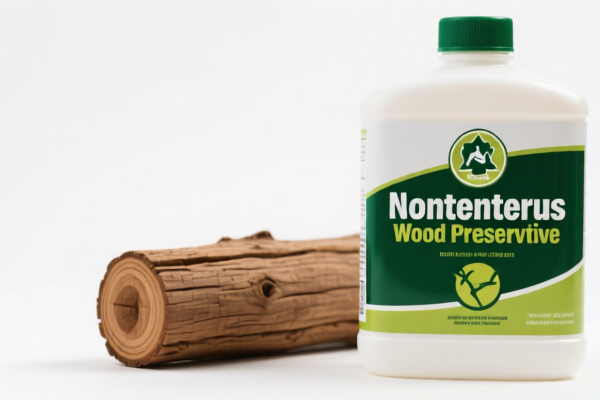
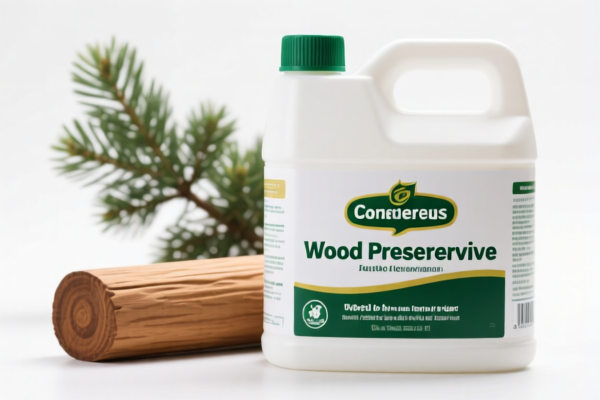
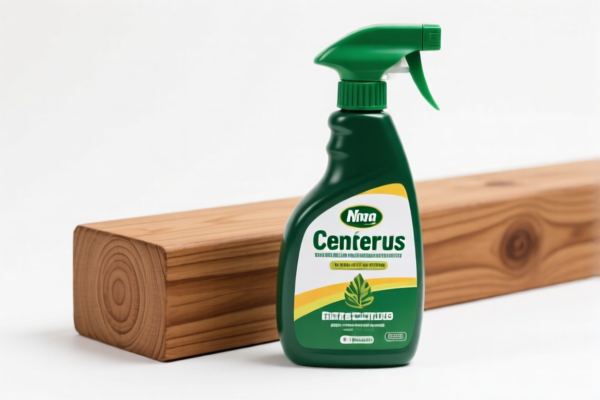
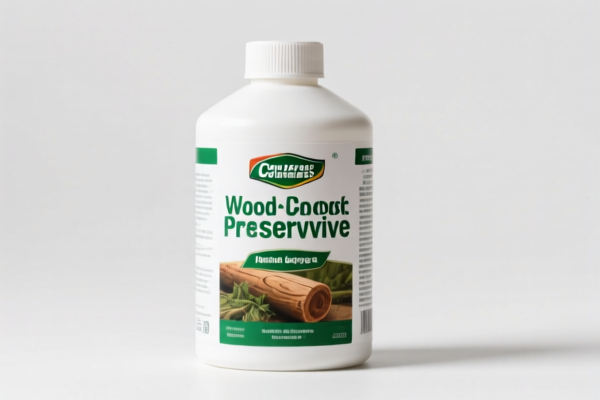
AI Analysis
🪵 Non-Coniferous Wood Preservative: HS Code Classification & Customs Clearance Guide (2026 Edition)
🌐 HS Code Reference & Customs Clearance Guide | 2026 Latest Tariff Analysis | Professional Clearance Strategy 📌 I. Product Definition & Classification: What exactly is "Non-Coniferous Wood Preservative"?
"Non-Coniferous Wood Preservative" refers to chemical formulations designed to protect wood from rot, fungi, insects, and weathering. In international trade, these are strictly categorized under Chapter 32: Tanning or Dyeing Extracts; Tannins and Their Derivatives; Dyes, Pigments and Other Coloring Matter; Paints and Varnishes; Putty and Other Mastics; Inks.
The core distinction lies in the binder/resin system and the application form: * Enamel/Primer/Paint Type (3209): Based on synthetic polymers, acrylics, or alkyds. It forms a film on the surface. * Other Varnishes/Lacquers (3210): Includes various other paint-like preparations not specified elsewhere.
⚠️ Key Distinction Point: * If the product is a paint or varnish based on synthetic polymers applied to the surface of wood → Generally falls under 3209 or 3210. * If it is a dip treatment or impregnating agent without film-forming properties, it might fall under Chapter 38, but for standard "wood preservative paints," Chapters 32 are the primary candidates. * Crucial Note: The summary provided in the data specifically links this product to 3209 and 3210, indicating it is treated as a painted/coating product.
📦 II. HS Code Classification Details (2026 Latest Tariff Authority Match)
Based on the provided data, here are the three applicable HS Codes for "Non-coniferous wood preservative":
| HS Code | Product Description Summary | Applicability Scenario | Key Characteristic |
|---|---|---|---|
| 3209.10.00.00 | Non-coniferous wood preservative, matching form & use, falling under the category of paint/varnish, anti-corrosion via chemical modification. | Standard wood preservative paints where the anti-corrosion is achieved through chemical modification of the polymer base. | Fits the "Paint/Varnish" category directly. |
| 3209.90.00.00 | Non-coniferous wood preservative, matching material & use, containing synthetic or chemically modified polymers, falling under "Other" paint categories. | Variants of wood preservatives that are chemically modified or use different synthetic polymers than the standard 3209.10. | "Other" paints/varnishes based on synthetic polymers. |
| 3210.00.00.00 | Non-coniferous wood preservative, classified as a paint, fitting the category of "Other paints and varnishes," no material conflict. | Alternative classification for paints/varnishes not specifically covered under 3209, often used for broader "other" paint definitions. | Broad "Other paints/varnishes" category. |
🔍 Key Reminder: * All three codes belong to Chapter 32, confirming the product is legally considered a Paint/Varnish rather than a simple chemical extract or wood preservative salt. * The distinction between 3209 and 3210 often depends on the specific resin type and whether it falls under the specific definition of "paints based on synthetic polymers" (3209) or "other paints" (3210).
💰 III. 2026 Latest Tariff Rate Breakdown (Including Surcharges & Policy Add-ons)
✅ Applicable Country: United States (US) ✅ Origin: China (CN) ✅ Effective Date: Post-2025 (Current Trade Environment)
🎯 1. 3209.10.00.00 —— Non-coniferous Wood Preservative (Paint Category)
| Item | Content |
|---|---|
| Base Tariff Rate | 5.1% (Ad valorem) |
| Section 301 Surcharge | +25.0% (USITC Footnote 9903.32.39 / Related Paint Clauses) |
| Section 122 Surcharge | +10.0% (Specific trade remedy measure) |
| Total Tax Rate | 40.1% |
| Tax Calculation | CIF Value × 40.1% |
| De Minimis Eligibility | ❌ Not Eligible (High tariff goods generally exclude de minimis clearance) |
| Legal Basis Path | HTSUS:3209.10.00.00 → Section 301: 25% → Section 122: 10% |
📌 Explanation: * Base 5.1%: Standard Most Favored Nation (MFN) rate for paints/varnishes. * Section 301 (25%): Applies to many chemical products and coatings from China due to trade tensions. * Section 122 (10%): A specific additional tariff layer often applied to industrial chemicals or paints depending on current enforcement lists. * Total 40.1%: A significant cost driver. Accurate classification is vital to avoid misclassification penalties.
🎯 2. 3209.90.00.00 —— Non-coniferous Wood Preservative (Other Synthetic Polymers)
| Item | Content |
|---|---|
| Base Tariff Rate | 5.9% (Ad valorem) |
| Section 301 Surcharge | +25.0% |
| Section 122 Surcharge | +10.0% |
| Total Tax Rate | 40.9% |
| Tax Calculation | CIF Value × 40.9% |
| De Minimis Eligibility | ❌ Not Eligible |
| Legal Basis Path | HTSUS:3209.90.00.00 → Section 301: 25% → Section 122: 10% |
📌 Note: * Slightly higher base rate (5.9% vs 5.1%) leads to a 40.9% total rate. * This code captures variants where the polymer composition doesn't fit the specific "10" subheading but still uses synthetic polymers.
🎯 3. 3210.00.00.00 —— Non-coniferous Wood Preservative (Other Paints)
| Item | Content |
|---|---|
| Base Tariff Rate | 1.8% (Ad valorem) |
| Section 301 Surcharge | +25.0% |
| Section 122 Surcharge | +10.0% |
| Total Tax Rate | 36.8% |
| Tax Calculation | CIF Value × 36.8% |
| De Minimis Eligibility | ❌ Not Eligible |
| Legal Basis Path | HTSUS:3210.00.00.00 → Section 301: 25% → Section 122: 10% |
📌 Optimization Tip: * This code offers the lowest total tax rate at 36.8%. * If your product fits the definition of "Other paints and varnishes" (3210) and can legally be classified here rather than 3209, it saves 3.1% - 4.1% in taxes compared to the 3209 codes. * Caution: Must ensure the product does not strictly fall under the specific definitions of 3209. Misclassification can lead to audits and back-taxes.
🛠️ IV. Customs Clearance Practical Advice (Battle-Tested Pitfall Guide)
✅ 1. Required Documentation Checklist (Non-negotiable)
| Document | Mandatory? | Description |
|---|---|---|
| ✅ Technical Data Sheet (TDS) | ✔️ | Must show chemical composition, resin type (acrylic, alkyd, etc.), and intended use (wood preservation). |
| ✅ Safety Data Sheet (SDS) | ✔️ | Required for hazmat classification and handling. |
| ✅ Ingredient List | ✔️ | Percentages of active ingredients vs. solvents. Crucial for determining HS Code (3209 vs 3210). |
| ✅ Commercial Invoice | ✔️ | Clearly state "Wood Preservative Paint, Non-Coniferous Wood, Model XYZ." |
| ✅ Certificate of Origin | ✔️ | For Section 301 determination (China origin triggers surcharges). |
| ✅ US EPA Registration | ✔️ | CRITICAL: Wood preservatives are often regulated by EPA. Must show EPA registration number if applicable. |
✅ 2. Declaration Tips (Key Mantras)
🔥 "Resin Defines Code, EPA Defines Legality, Section 301 Defines Cost!"
| Scenario | Correct Declaration | Wrong Practice |
|---|---|---|
| Product is acrylic-based wood paint | 3209.10.00.00 or 3209.90.00.00 |
Declaring as "Chemical" (Chapter 38) → Higher scrutiny, potential misclassification penalties. |
| Product is oil-based varnish preservative | 3210.00.00.00 (if applicable) |
Declaring as 3209 → Paying higher base rate unnecessarily. |
| Product is a dip treatment (non-film forming) | Re-evaluate Chapter 38 | Declaring as 3210 → If it doesn't form a film, it's not a paint. |
| Unlabeled container | Refuse Entry | Declaring as generic "Chemical" → Seizure risk due to lack of identity. |
✅ 3. Special Cases Handling
| Situation | Handling Advice |
|---|---|
| EPA Exemption | If the preservative is EPA-exempt (e.g., certain essential oils), declare clearly. However, tariff classification (HS Code) remains the same under Chapter 32. |
| Hazmat Shipping | Most wood preservatives contain VOCs or solvents. Ensure UN Number and Proper Shipping Name are correct to avoid port delays. |
| Hybrid Products | If it's a "paint + preservative" combo, it still falls under Chapter 32. Do not split the declaration. |
| Origin Routing | If shipped via Canada/Mexico, ensure no substantial transformation occurred. China origin still triggers Section 301. |
🌍 V. Global Market Comparison (2026 Latest)
| Country/Region | Recommended HS Code | Tariff (China Origin) | Certification Requirements | Notes |
|---|---|---|---|---|
| 🇺🇸 USA | 3209 or 3210 |
36.8% - 40.9% | EPA Registration + SDS | High surcharges (35%+) due to Section 301 & 122. |
| 🇨🇳 China | 3209 or 3210 |
~10-14% | N/A (Imported back) | N/A for domestic export. |
| 🇪🇺 EU | 3209 or 3210 |
~6.5% | REACH Compliance + CLP Labeling | No Section 301. Focus on chemical safety. |
| 🇬🇧 UK | 3209 or 3210 |
~6.5% | UKCA Marking + REACH | Similar to EU. |
| 🇦🇺 Australia | 3209 or 3210 |
~5% | APVMA Registration | Strong regulatory focus on biocides. |
📌 Conclusion: * USA is the most expensive market for this product due to the 35%+ surcharges. * EU/UK/AU have lower base tariffs but strict chemical safety regulations (REACH, APVMA). * Profit Margin Impact: A 40% tariff in the US may erode margins significantly. Consider Value Engineering or Supply Chain Diversification (e.g., third-country manufacturing) if volume is high.
📌 VI. Common Errors & Pitfall Guide (Lessons from the Field)
❌ Error 1: Declaring as "Chemical Preservative" (Chapter 38) to avoid paint tariffs. 👉 Consequence: CBP will reclassify as Chapter 32, apply 40% tariffs, and issue a liquidation of duties + interest + penalties.
❌ Error 2: Ignoring EPA requirements. 👉 Consequence: FDA/Border Patrol seizure of goods. The product cannot enter the US without proper EPA labeling/registration if it claims pest control properties.
❌ Error 3: Misclassifying 3210 when it should be 3209.
👉 Consequence: While 3210 has a lower rate (36.8% vs 40.1%), if the product is clearly a standard synthetic polymer paint, CBP may flag it for under-valuation of duties.
✅ Correct Approach:
"Wood Preservative Paint, Acrylic-Based, Non-Coniferous Wood Application, EPA Reg. No. XXXXX, Model XYZ, HS 3209.10.00.00"
🎯 VII. Conclusion: Precise Classification Saves Money!
🎯 Remember the Mantra:
🔹 "Paint is 32, Chemical is 38, EPA is Mandatory, Section 301 is the Killer!" 🔹 "3210 may save 3%, but only if it fits. Don't risk the audit for $0.30/liter."
📌 Pro Tip:
If your wood preservative is EPA-exempt and has low VOC, consider marketing it as "Eco-Friendly" to potentially qualify for other trade benefits, though HS Code and Section 301 tariffs remain unchanged.
Action Plan: 1. Verify EPA Status: Is it registered or exempt? 2. Confirm Resin Type: Is it strictly synthetic polymer (3209) or other (3210)? 3. Calculate Landed Cost: Include the 40.1% or 36.8% total duty in your pricing model. 4. Consult a Broker: Get a Pre-Ruling if the product is novel.
📣 Immediate Action:
📞 Contact your customs broker with the Technical Data Sheet. 🚀 Accurate classification is the first step to profit protection.
✨ Professional Customs Clearance Starts with Precise Classification! 💼 Your every dollar of tariff is calculated precisely!
Customer Reviews
About HS Code Classification
The Harmonized System (HS) is an internationally standardized nomenclature developed by the World Customs Organization (WCO) to classify traded products. Over 200 countries use the HS system as the basis for customs tariffs, trade statistics, and import/export regulations.
Each HS code follows a hierarchical structure:
- Chapter (2 digits) — Broad category of goods (e.g., Chapter 84: Machinery and Mechanical Appliances)
- Heading (4 digits) — More specific grouping within the chapter
- Subheading (6 digits) — Internationally standardized breakdown, used by all WCO member countries
- National subdivisions (8-10 digits) — Country-specific extensions for further classification, such as US HTSUS 10-digit codes
Correct HS code classification is essential for smooth customs clearance, accurate duty payment, and compliance with trade regulations. Misclassification can lead to customs delays, overpayment of duties, or penalties.
When importing from CN to US, the applicable tariff rates may include:
- Most-Favored-Nation (MFN) rate — The standard duty rate applied to WTO members
- General rate — Applied to countries without trade agreements
- Trade remedy duties — Additional tariffs such as Section 301 (anti-dumping), Section 232 (national security), or countervailing duties
The information provided on this page is for reference purposes only. For official classification, please consult with your local customs authority or a licensed customs broker.