Non electric Air Heater with Blower
CN → US| HS Code | Tariff Rate | Origin | Destination | Doc |
|---|---|---|---|---|
| 8419899585 | 39.2% | CN | US | Official Doc |
| 8414596595 | 37.3% | CN | US | Official Doc |
| 8479899599 | 87.5% | CN | US | Official Doc |
| 8414809000 | 38.7% | CN | US | Official Doc |
| 8419899585 | 39.2% | CN | US | Official Doc |
Product Images
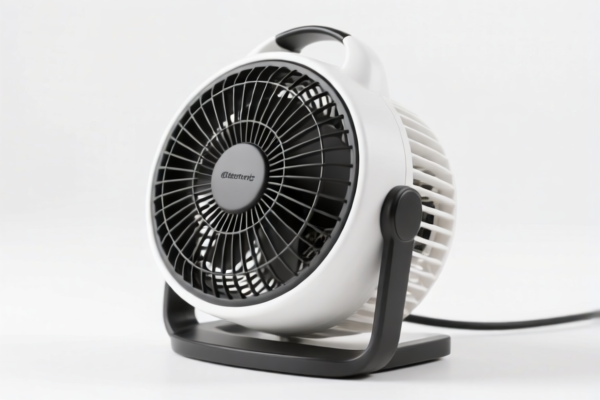
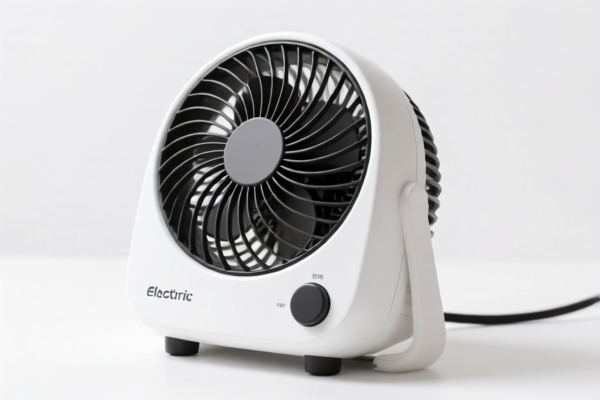
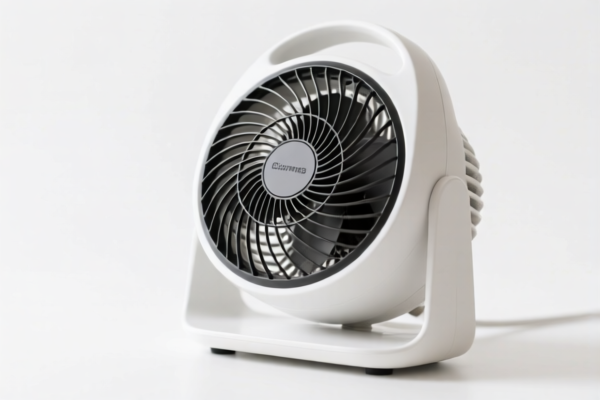
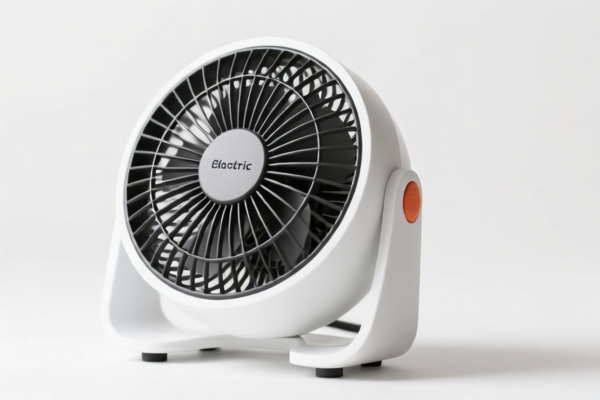
AI Analysis
🌪️ Non-Electric Air Heater with Blower (Non-Electric Air Heater with Blower)
🌐 HS Code Reference & Customs Clearance Guide | 2026 Latest Tariff Analysis | Professional Strategy for "Non-Electric Air Heater with Blower"
📌 I. Product Definition & Classification: What Exactly Is a "Non-Electric Air Heater with Blower"?
This product is a complex mechanical assembly combining air movement (blower) and heat exchange (heater) functions. The critical classification hinge point is the power source for heating: it is NON-ELECTRIC (typically using steam, hot water, thermal oil, or combustion gases).
In international trade, this creates a classification dilemma: 1. Is it primarily a "Blower/Fan"? (Category 8414) 2. Is it primarily a "Heating Apparatus"? (Category 8419) 3. Is it a "General Purpose Machine"? (Category 8479)
⚠️ Key Distinction Point: - If the blower is the core function and the heater is an auxiliary component attached to the air stream → Likely 8414.xxxx - If the heater is the core function and the blower is just for circulation → Likely 8419.xxxx - If the function is indeterminate or it’s a specialized industrial machine not fitting above → Likely 8479.xxxx
📦 II. HS Code Classification Details (2026 Latest Tariff Alignment)
| HS Code | Product Description | Applicable Scenario | Classification Logic |
|---|---|---|---|
8419.89.95.85 |
Non-electric Air Heater, classified as heating equipment | Matches logic for "heating air" for materials other than food/rubber/plastic | Focus: Heating Function |
8414.59.65.95 |
Non-electric Air Heater, blower classified under fans/air compressors | Matches logic for "fan/blower" excluding electric heating attributes | Focus: Blower Function |
8479.89.95.99 |
Non-electric Air Heater, independent machinery with metal components | "Other machines" catch-all; often applies if other classifications fail | Focus: Mechanical Assembly |
8414.80.90.00 |
Non-electric Air Heater, air heater for air circulation/heating | Matches logic for "air compressors/fans" where air movement is primary | Focus: Air Movement/Circulation |
8419.89.95.85 |
Non-electric Air Heater, heating equipment for non-food/non-rubber materials | Redundant entry in data; same logic as first 8419 entry | Focus: Heating Function |
🔍 Critical Note: - 8414 entries (
8414.59.65.95,8414.80.90.00) generally treat the unit as a fan/blower with a heating coil. - 8419 entries (8419.89.95.85) treat the unit as a heat exchanger/heater with a fan. - 8479 (8479.89.95.99) is the danger zone with the highest tariff due to "catch-all" metal product rules.
💰 III. 2026 Latest Tariff Rate Breakdown (Including Surcharges & Policy Add-ons)
✅ Applicable Country: United States (US)
✅ Origin: China (CN)
✅ Effective Time: 2025/2026 (Current US-China Trade Context)
🎯 1. 8419.89.95.85 —— Heating Equipment (Non-Electric Air Heater)
| Item | Detail |
|---|---|
| Base Tariff | 4.2% (ad valorem) |
| Section 301 Surcharge | +25.0% |
| Section 122 Surcharge | +10.0% |
| Total Tariff Rate | 39.2% |
| Tax Calculation | CIF Value × 39.2% |
| De Minimis Eligibility | ❌ NO (High total rate prevents $800 exemption) |
| Legal Path | 8419.89.95.85 → Section 301 → Section 122 |
📌 Explanation:
- This is a moderate-high tariff bracket. - The logic here is that the heating function dominates. - Cost Impact: Significant, but lower than the 8479 category.
🎯 2. 8414.59.65.95 —— Fans/Blowers (Non-Electric Air Heater)
| Item | Detail |
|---|---|
| Base Tariff | 2.3% (ad valorem) |
| Section 301 Surcharge | +25.0% |
| Section 122 Surcharge | +10.0% |
| Total Tariff Rate | 37.3% |
| Tax Calculation | CIF Value × 37.3% |
| De Minimis Eligibility | ❌ NO |
| Legal Path | 8414.59.65.95 → Section 301 → Section 122 |
📌 Explanation:
- This is the lowest total tariff among the provided options. - The logic here is that the blower/fan function dominates, and "non-electric" allows it to fit under fan categories more favorably. - Recommendation: If your product can be argued as primarily a "blower with a heat coil," this is the most cost-effective classification.
🎯 3. 8479.89.95.99 —— Other Machines (General Purpose)
| Item | Detail |
|---|---|
| Base Tariff | 2.5% (ad valorem) |
| Section 301 Surcharge | +25.0% |
| Section 122 Surcharge | +10.0% |
| Steel/Aluminum/Copper Add-on | +50.0% (If made of steel, aluminum, or copper) |
| Total Tariff Rate | 87.5% (Standard) or 137.5% (Metal Components) |
| Tax Calculation | CIF Value × 87.5% (or 137.5%) |
| De Minimis Eligibility | ❌ NO |
| Legal Path | 8479.89.95.99 → Section 301 → Section 122 → Steel/Aluminum Rule |
📌 WARNING:
- This is the HIGHEST tariff bracket. - The "Steel/Aluminum/Copper" add-on of +50% is brutal if the heater core or blower housing is metallic (which it almost certainly is). - Only use this if no other classification fits. Avoid this if possible.
🎯 4. 8414.80.90.00 —— Air Compressors/Fans (Air Heater)
| Item | Detail |
|---|---|
| Base Tariff | 3.7% (ad valorem) |
| Section 301 Surcharge | +25.0% |
| Section 122 Surcharge | +10.0% |
| Total Tariff Rate | 38.7% |
| Tax Calculation | CIF Value × 38.7% |
| De Minimis Eligibility | ❌ NO |
| Legal Path | 8414.80.90.00 → Section 301 → Section 122 |
📌 Explanation:
- Slightly higher than8414.59.65.95but lower than8419and8479. - Logic: Air circulation is primary, heating is secondary.
🛠️ IV. Customs Clearance Practical Advice (Actionable Pitfall Guide)
✅ 1. Documentation Checklist (Non-Negotiable)
| Document | Required | Explanation |
|---|---|---|
| ✅ Product Specification Sheet | ✔️ | Must clearly state: "Non-Electric Heating" (e.g., Steam, Hot Water). If it says "Electric," ALL these codes are wrong. |
| ✅ Technical Diagram | ✔️ | Show the relationship between blower and heater. Is the heater inside the blower housing or external? |
| ✅ Material Composition Statement | ✔️ | Critical for 8479. Declare % of Steel/Aluminum/Copper to avoid surprise 50% add-ons. |
| ✅ Commercial Invoice | ✔️ | Describe as: "Industrial Air Heater, Non-Electric, with Integrated Blower for Air Circulation." |
| ✅ Country of Origin Certificate | ✔️ | Required for Section 301/122 determination. |
✅ 2. Classification Strategy & Tips
🔥 “Blower First, Heater Second: Low Tariff Wins!”
| Scenario | Recommended HS Code | Total Tariff | Strategy |
|---|---|---|---|
| Best Case | 8414.59.65.95 |
37.3% | Argue that the blower motor is the main component. The heater is just a "coil" inside. |
| Second Best | 8414.80.90.00 |
38.7% | Argue that air movement is the primary function. |
| Acceptable | 8419.89.95.85 |
39.2% | Argue that heat transfer is the primary function. |
| AVOID | 8479.89.95.99 |
87.5% - 137.5% | Only if the above don't fit. High risk of metal surcharge. |
💡 Pro Tip:
If your product is primarily used for drying or curing, customs might lean toward8419(Heating).
If it is primarily used for ventilation or cooling (with mild heating), customs might lean toward8414(Blower).
Goal: Aim for8414to save ~2-5% compared to8419.
✅ 3. Special Cases & Risk Management
| Case | Handling Advice |
|---|---|
| Mixed Material Body | If the heater core is copper and housing is steel, 8479’s 50% metal surcharge applies. Reclassify to 8414/8419 to avoid this. |
| Steam/Hot Water Source | Clearly label as "Steam Coil" or "Hot Water Coil" to prove "Non-Electric." Electric resistance heaters are excluded. |
| Customs Scrutiny | Be prepared for a "Rate of Interest" (ROI) inquiry. Have the technical manual ready to prove blower vs. heater dominance. |
| Pre-Ruling | Highly Recommended. Apply for a Binding Tariff Information (BTI) or US CBP Ruling to lock in 8414.59.65.95 at 37.3%. |
🌍 V. Global Market Comparison (2026 Context)
| Market | Preferred HS Code | Est. Total Tariff (China Origin) | Key Certification |
|---|---|---|---|
| 🇺🇸 USA | 8414.59.65.95 |
37.3% (Best Option) | None specific, but ensure no "Electrical" labeling |
| 🇨🇳 China | 8414.59.65.95 |
~5-10% | CCC (if electrical parts exist) |
| 🇪🇺 EU | 8414.59.65 |
~0-5% | CE (Safety), RoHS (if any electronics) |
| 🇯🇵 Japan | 8414.59.65 |
~5-10% | PSE (if electrical) |
📌 Conclusion:
- USA is the most punitive market due to Section 301 + 122.
- Classification choice is CRITICAL:8414saves you ~50% more than8479.
📌 VI. Common Errors & Pitfalls (Learn from Others' Mistakes)
❌ Error 1: Classifying as 8419 (Heater) when it’s clearly a Fan-Blower unit.
👉 Result: Pay 39.2% instead of 37.3%. Small % difference, but adds up on large volumes.
❌ Error 2: Classifying as 8479 (Other Machine).
👉 Result: Pay 87.5% - 137.5%. This is CATASTROPHIC.
👉 Fix: Always check 8414 and 8419 first. 8479 is a last resort.
❌ Error 3: Labeling the product as "Electric Heater" on the invoice when it’s non-electric.
👉 Result: Wrong classification entirely, potential fraud accusations, seizure.
❌ Error 4: Ignoring the "Steel/Aluminum" surcharge in 8479.
👉 Result: Unexpected +50% bill.
👉 Fix: Avoid 8479 for metal-heavy heating units.
✅ Correct Declaration Example:
"Industrial Air Heater with Integrated Blower, Non-Electric Heating (Steam Coil), Model XYZ, Made of Steel/Aluminum, For Air Circulation & Mild Heating"
🎯 VII. Conclusion: Professional Classification Saves Money!
🎯 Remember This Rule:
🔹 "Blower Dominates: 8414 (37.3%)"
🔹 "Heater Dominates: 8419 (39.2%)"
🔹 "Generic/Complex: 8479 (87.5%+)"🔹 "Avoid 8479: Metal Add-on Will Break Your Budget!"
📌 Tips:
- If your shipment value is high (> $2,500), De Minimis ($800) exemption is NOT available due to total rates > 10%.
- Apply for a CBP Pre-Ruling before shipment. Cost: ~$500-$1,000. Savings: Potentially tens of thousands of dollars in wrong duties.
📣 Immediate Action:
📞 Contact your freight forwarder with the Technical Specs.
📄 Request a HS Code Confirmation for8414.59.65.95vs8419.89.95.85.
🚀 Optimize for 37.3% Tariff, Not 87.5%!
✨ Smart Customs, Smarter Profits!
💼 Every percent of duty is profit margin. Classify correctly.
Customer Reviews
About HS Code Classification
The Harmonized System (HS) is an internationally standardized nomenclature developed by the World Customs Organization (WCO) to classify traded products. Over 200 countries use the HS system as the basis for customs tariffs, trade statistics, and import/export regulations.
Each HS code follows a hierarchical structure:
- Chapter (2 digits) — Broad category of goods (e.g., Chapter 84: Machinery and Mechanical Appliances)
- Heading (4 digits) — More specific grouping within the chapter
- Subheading (6 digits) — Internationally standardized breakdown, used by all WCO member countries
- National subdivisions (8-10 digits) — Country-specific extensions for further classification, such as US HTSUS 10-digit codes
Correct HS code classification is essential for smooth customs clearance, accurate duty payment, and compliance with trade regulations. Misclassification can lead to customs delays, overpayment of duties, or penalties.
When importing from CN to US, the applicable tariff rates may include:
- Most-Favored-Nation (MFN) rate — The standard duty rate applied to WTO members
- General rate — Applied to countries without trade agreements
- Trade remedy duties — Additional tariffs such as Section 301 (anti-dumping), Section 232 (national security), or countervailing duties
The information provided on this page is for reference purposes only. For official classification, please consult with your local customs authority or a licensed customs broker.