Non electric heated air heater with blower
CN → US| HS Code | Tariff Rate | Origin | Destination | Doc |
|---|---|---|---|---|
| 7321890050 | 67.5% | CN | US | Official Doc |
| 7321815000 | 67.5% | CN | US | Official Doc |
| 8414596540 | 37.3% | CN | US | Official Doc |
| 8414591000 | 35.0% | CN | US | Official Doc |
| 8419190160 | 35.0% | CN | US | Official Doc |
| 8419899540 | 39.2% | CN | US | Official Doc |
Product Images
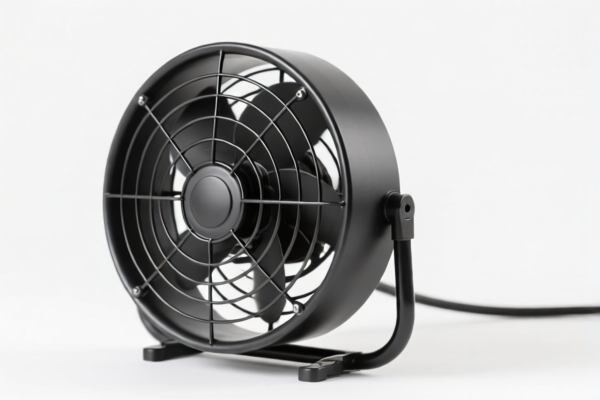
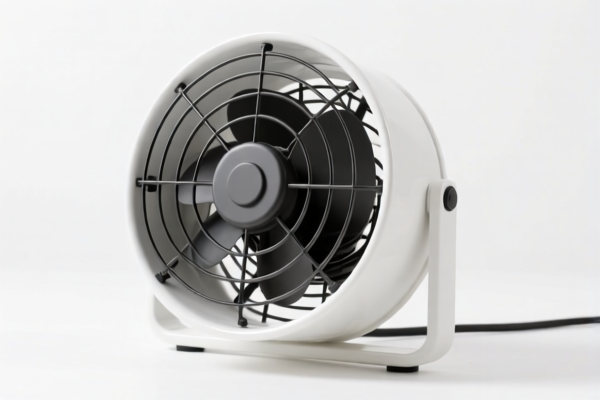
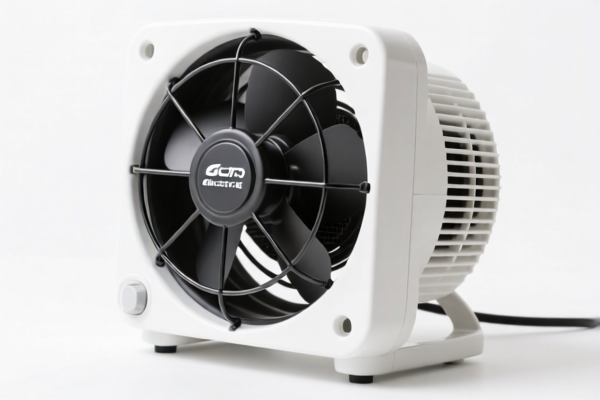
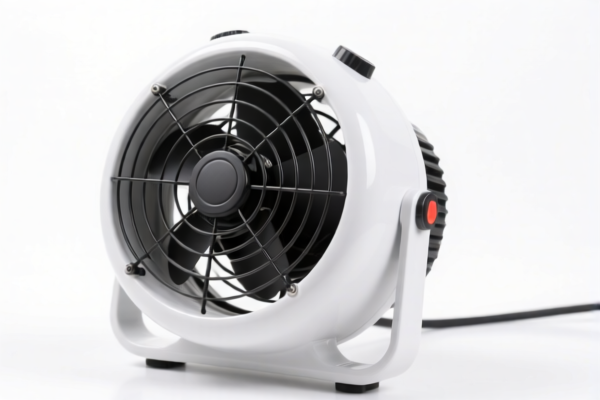
AI Analysis
🌬️ Non-Electric Heated Air Heater with Blower (Industrial/Commercial Grade)
🌐 HS Code Reference & Clearance Guide | 2026 Latest Tariff Analysis | Professional Clearance Strategy
📌 I. Product Definition & Classification: Do You Understand the "Non-Electric Air Heater"?
A Non-Electric Heated Air Heater with Blower typically refers to industrial or commercial heating equipment that uses a combustion process (gas, oil, or solid fuel) to generate heat and a mechanical fan (blower) to distribute the hot air. Crucially, it is not electrically heated (i.e., it does not use electric heating elements like coils or wires to generate heat, although it may use electricity for ignition or controls).
In international trade, these products are often confused with electric heaters or standard furnaces. The key distinction lies in the source of heat generation: * Combustion-based: Uses gas, oil, or solid fuel. * Non-Electric Heating: The primary heating mechanism is not resistive electric heating. * Integrated Fan: Includes a blower for air circulation.
⚠️ Key Distinction Point:
- If the unit is purely for domestic use (e.g., a home gas fireplace or stove), it falls under Chapter 73.
- If the unit is for industrial/commercial use (e.g., warehouse heating, greenhouses, drying processes) and uses gas/oil fuel, it falls under Chapter 84.
- If it uses electricity to generate heat, it falls under Chapter 85 (Excluded from this data set).
- If it is an instantaneous water heater (non-electric), it falls under 8419.19.
📦 II. HS Code Classification Details (2026 Latest Tariff Authority Comparison)
Based on the provided <DATA>, here are the relevant HS Codes and their specific applications. Note that the classification depends heavily on the end-use (Domestic vs. Industrial) and the fuel type.
| HS Code | Product Description | Application Scenario | Fuel Type | Is it Domestic? |
|---|---|---|---|---|
7321.89.00.50 |
Stoves, ranges, grates, cookers... of iron or steel: Other appliances: Other, including appliances for solid fuel | Domestic use. E.g., a cast-iron wood-burning stove, domestic coal heater, or domestic solid-fuel heater. | Solid Fuel (Wood, Coal) | ✅ Yes |
7321.81.50.00 |
Stoves, ranges, grates, cookers... of iron or steel: Other appliances: For gas fuel or for both gas and other fuels: Other | Domestic use. E.g., a domestic gas fireplace, domestic gas heater, or dual-fuel domestic heater. | Gas / Dual Fuel | ✅ Yes |
8419.19.01.60 |
Instantaneous or storage water heaters, nonelectric: Other Other | Non-electric Water Heating. E.g., a gas-fired water heater for residential or light commercial use. | Gas / Other | ⚠️ Specific to Water Heating |
8419.89.95.40 |
Other machinery, plant or equipment for treatment of materials by change of temperature...: For other materials | Industrial/Commercial heating. E.g., industrial air heater, greenhouse heater, drying equipment using gas/oil. | Gas / Oil / Other | ❌ No (Industrial) |
8414.59.65.40 |
Fans: Other: Other Other Suitable for use with motor vehicles | Vehicle Parts. E.g., a blower fan for a car’s cabin heating system (not a standalone heater). | N/A (Part of Vehicle) | ❌ Auto Part |
8414.59.10.00 |
Fans: Other: Blowers for pipe organs | Specific Machinery. E.g., a blower specifically designed for a pipe organ. | N/A | ❌ Specific Use |
🔍 Key Reminder:
- "Blower" alone does not determine the HS Code if it is part of a heating system. The heat source is the primary classifier.
- If the device is a standalone industrial air heater (gas-fired), it is most likely8419.89.95.40.
- If it is a domestic gas heater, it is7321.81.50.00.
- Do not classify industrial heaters under Chapter 73 (Iron/Steel domestic appliances) or Chapter 85 (Electric).
💰 III. 2026 Latest Tariff Rate Breakdown (Including Surcharges & Policy Add-ons)
✅ Applicable Country: United States (US)
✅ Origin: China (CN)
✅ Effective Date: November 10, 2025 onwards (including subsequent imports)
🎯 1. 7321.89.00.50 & 7321.81.50.00 —— Domestic Iron/Steel Appliances (Gas/Solid Fuel)
These codes cover domestic non-electric stoves, grates, and heaters of iron or steel.
| Item | Content |
|---|---|
| Base Tariff | 0.0% (ad valorem) |
| Section 301 Surcharge | +7.5% (Steel, Aluminum, Copper products surcharge) |
| Section 232 Surcharge | +50% (Steel, Aluminum, Copper products surcharge) |
| Total Tariff Rate | 57.5% |
| Tax Calculation | CIF Value × 57.5% |
| De Minimis Eligibility | ❌ Not Eligible (High tariff prevents de minimis exemption) |
| Legal Path | Section 232/301 → HTS:7321.89.00.50 or HTS:7321.81.50.00 |
📌 Explanation:
- The 57.5% total rate is composed of the 7.5% Section 301 tariff (for Chinese steel/aluminum/copper products) and the 50% Section 232 tariff (national security surcharge on steel/aluminum/copper).
- This is an extremely high tariff. For domestic gas heaters or wood stoves made of iron/steel, this cost must be factored into the pricing strategy.
- Note: If the product is not made of iron/steel (e.g., ceramic, aluminum, plastic housing), these codes may not apply, and other chapters (e.g., Chapter 84) might be relevant, but the provided data only lists these two for domestic iron/steel appliances.
🎯 2. 8419.19.01.60 —— Non-Electric Instantaneous/Storage Water Heaters
This code is for non-electric water heaters. If your "air heater" is actually a water heater (e.g., a tankless gas water heater), this applies.
| Item | Content |
|---|---|
| Base Tariff | 0.0% |
| Section 301 Surcharge | +25.0% |
| Total Tariff Rate | 25.0% |
| Tax Calculation | CIF Value × 25.0% |
| De Minimis Eligibility | ❌ Not Eligible (Typically, goods with >25% duty are scrutinized) |
| Legal Path | Section 301 → HTS:8419.19.01.60 |
📌 Note:
- If the product is strictly an air heater (not a water heater), this code is incorrect. Misclassification can lead to customs penalties.
- This rate is lower than domestic steel appliances (25% vs. 57.5%), so correct classification is critical.
🎯 3. 8419.89.95.40 —— Industrial/Commercial Non-Electric Heating Equipment
This is the most likely code for an industrial or commercial non-electric air heater (e.g., a large gas-fired air blower for a warehouse).
| Item | Content |
|---|---|
| Base Tariff | 0.0% |
| Section 301 Surcharge | 0.0% |
| Total Tariff Rate | 0.0% |
| Tax Calculation | CIF Value × 0.0% |
| De Minimis Eligibility | ✅ Likely Eligible (if value < $800, but subject to scrutiny) |
| Legal Path | HTS:8419.89.95.40 |
📌 Key Advantage:
- This code benefits from a 0% total tariff.
- This is significantly cheaper than domestic appliances (57.5%) or water heaters (25%).
- Crucial Condition: The product must be clearly defined as "for other materials" (i.e., heating air, drying, industrial processes) and not for domestic purposes. It must also not be an electrically heated furnace (which would be Chapter 85).
🎯 4. 8414.59.65.40 & 8414.59.10.00 —— Fans / Blowers
These codes are for fans/blowers only. If your product is a standalone blower without a heating element, these might apply. However, if it is a "heated air heater," the heating component dominates the classification.
| Item | Content |
|---|---|
| Base Tariff | 2.3% (for auto parts) or 0.0% (for pipe organs) |
| Section 301 Surcharge | +25.0% |
| Total Tariff Rate | 27.3% (for auto parts) or 25.0% (for pipe organs) |
| Note | These are unlikely for a complete "heated air heater." They apply only to the fan part if imported separately or if the product is primarily a fan. |
📌 Warning:
- Do not classify a complete heater as just a "fan." Customs will look at the principal function (heating).
- If it’s a car cabin heater,8414.59.65.40applies, but it’s an auto part.
🛠️ IV. Clearance Practical Advice (Actionable Pitfall Avoidance Guide)
✅ 1. Documentation Checklist (Essential)
| Document | Required | Purpose |
|---|---|---|
| ✅ Product Specification Sheet | ✔️ | Must clearly state: Fuel Type (Gas/Oil), Heating Method (Combustion), Non-Electric (no heating elements), Intended Use (Industrial vs. Domestic). |
| ✅ Technical Diagrams | ✔️ | Show combustion chamber, heat exchanger, and blower assembly. Prove it’s not an electric resistance heater. |
| ✅ Product Photos | ✔️ | Clear images of the nameplate, fuel input, and overall structure. |
| ✅ Commercial Invoice | ✔️ | Description must be precise: e.g., "Industrial Gas-Fired Air Heater, Non-Electric, Model XYZ." Do not use vague terms like "Heater" or "Fan." |
| ✅ Declaration of Non-Electricity | ✔️ | Explicitly state that the device does not use electric heating elements. |
✅ 2. Classification Strategy (Key Mantra)
🔥 "Domestic Steel? 57.5%. Industrial Gas? 0%. Water? 25%. Don't Guess!"
| Scenario | Correct HS Code | Risk if Misclassified |
|---|---|---|
| Domestic Wood/Coal Stove (Iron/Steel) | 7321.89.00.50 |
If declared as Industrial (0%), you face fraud penalties and back taxes (57.5%). |
| Domestic Gas Heater (Iron/Steel) | 7321.81.50.00 |
Same as above. High risk of 57.5% duty. |
| Industrial Gas Air Heater | 8419.89.95.40 |
If declared as Domestic (57.5%), you overpay. If declared as Electric (Ch 85), you face prohibition/ban. |
| Tankless Gas Water Heater | 8419.19.01.60 |
If declared as Air Heater (0%), you face 25% back tax. |
| Standalone Fan (No Heat) | 8414.59.65.40 or 8414.59.10.00 |
If declared as Heater, risk of 25-57.5% overcharge. |
✅ 3. Special Cases Handling
| Situation | Recommendation |
|---|---|
| Hybrid Heater (Gas + Electric Ignition) | Still classified under Non-Electric Heating (Chapter 84) if the primary heat source is combustion. Document the electric part as control/ignition only. |
| Portable vs. Fixed | Industrial heaters are often fixed or heavy-duty. Domestic heaters are portable. This affects the Chapter 73 vs. Chapter 84 distinction. |
| Solid Fuel vs. Gas | Solid fuel domestic heaters go to 7321.89.00.50. Gas domestic heaters go to 7321.81.50.00. Both are 57.5%. |
| Aluminum/Plastic Housing | If the heater is not of iron/steel, Chapter 73 codes do not apply. It may fall under Chapter 84 (Industrial) or Chapter 85 (Electric, if applicable). Check with a specialist. |
🌍 V. Global Market Clearance Comparison (2026 Latest)
| Country/Region | Recommended HS Code | Tariff (China Origin) | Certification Requirements | Remarks |
|---|---|---|---|---|
| 🇺🇸 USA | 8419.89.95.40 (Industrial) |
0% | CPSC, EPA (if applicable) | Lowest duty. Must prove industrial use. |
| 🇺🇸 USA | 7321.81.50.00 (Domestic) |
57.5% | FCC, UL (for controls) | High duty. Avoid if possible. |
| 🇨🇳 China | 8419.89.95.40 |
5% | CCC (if applicable) | No Section 301/232. |
| 🇪🇺 EU | 8419.89.95 |
0-2% | CE, EN Standards | No US-style surcharges. |
| 🇨🇦 Canada | 8419.89.95 |
0% | CSA | Favorable trade agreement. |
📌 Conclusion:
- The USA is the most challenging market for non-electric heaters from China due to Section 232 (50%) and Section 301 (7.5% or 25%) tariffs.
- Industrial heaters (Chapter 84) benefit from 0% tariffs, making them the preferred classification for commercial equipment.
- Domestic steel heaters (Chapter 73) are heavily penalized at 57.5%.
📌 VI. Common Errors & Pitfall Guide (Lessons Learned)
❌ Error 1: Classifying an industrial gas heater as a "Domestic Steel Stove" (7321.89.00.50)
👉 Consequence: Paying 57.5% instead of 0%.
👉 Solution: Clearly document industrial application.
❌ Error 2: Classifying a gas water heater as an "Air Heater" (8419.89.95.40)
👉 Consequence: 25% back tax (8419.19.01.60) + penalties.
👉 Solution: Accurate product description (Water vs. Air).
❌ Error 3: Ignoring the "Iron/Steel" composition in domestic appliances
👉 Consequence: If the stove is aluminum or plastic, Chapter 73 codes are invalid.
👉 Solution: Verify material composition.
✅ Correct Practice:
"Industrial Natural Gas-Fired Air Heater, Combustion Heating, 100,000 BTU, with Blower, Non-Electric, Model XYZ, For Warehouse Use"
🎯 VII. Conclusion: Professional Classification, Cost Savings, Efficiency!
🎯 Remember the Mantra:
🔹 "Industrial Gas? 0%. Domestic Steel? 57.5%. Water? 25%. Fan? 25-27.3%. Classify Correctly!"
🔹 "HS Code Determines Cost. 57.5% vs 0% is a Game Changer."
🔹 "Don't Let 'Blower' Mislead You. Heating Source is King."
📌 Pro Tip:
If your product is an industrial air heater, ensure your commercial invoice explicitly states "Non-Electric, Gas-Fired, Industrial Use" to justify 8419.89.95.40. Consider applying for a Pre-Ruling from CBP to confirm classification and avoid post-import audits.
📣 Immediate Action:
📞 Contact a Certified Customs Broker + Provide Product Specs + Request CBP Pre-Ruling
🚀 Ensure your heater clears smoothly, saves 57.5% in duties, and boosts profitability!
✨ Professional Clearance Starts with Accurate Classification!
💼 Every Percent of Tariff Matters!
Customer Reviews
About HS Code Classification
The Harmonized System (HS) is an internationally standardized nomenclature developed by the World Customs Organization (WCO) to classify traded products. Over 200 countries use the HS system as the basis for customs tariffs, trade statistics, and import/export regulations.
Each HS code follows a hierarchical structure:
- Chapter (2 digits) — Broad category of goods (e.g., Chapter 84: Machinery and Mechanical Appliances)
- Heading (4 digits) — More specific grouping within the chapter
- Subheading (6 digits) — Internationally standardized breakdown, used by all WCO member countries
- National subdivisions (8-10 digits) — Country-specific extensions for further classification, such as US HTSUS 10-digit codes
Correct HS code classification is essential for smooth customs clearance, accurate duty payment, and compliance with trade regulations. Misclassification can lead to customs delays, overpayment of duties, or penalties.
When importing from CN to US, the applicable tariff rates may include:
- Most-Favored-Nation (MFN) rate — The standard duty rate applied to WTO members
- General rate — Applied to countries without trade agreements
- Trade remedy duties — Additional tariffs such as Section 301 (anti-dumping), Section 232 (national security), or countervailing duties
The information provided on this page is for reference purposes only. For official classification, please consult with your local customs authority or a licensed customs broker.