Non electric tools and implements
CN → US| HS Code | Tariff Rate | Origin | Destination | Doc |
|---|---|---|---|---|
| 8204110030 | 44.0% | CN | US | Official Doc |
| 8203206060 | 0.0% | CN | US | Official Doc |
| 8204120000 | 44.0% | CN | US | Official Doc |
| 8205513030 | 38.7% | CN | US | Official Doc |
| 8205516000 | 0.0% | CN | US | Official Doc |
Product Images
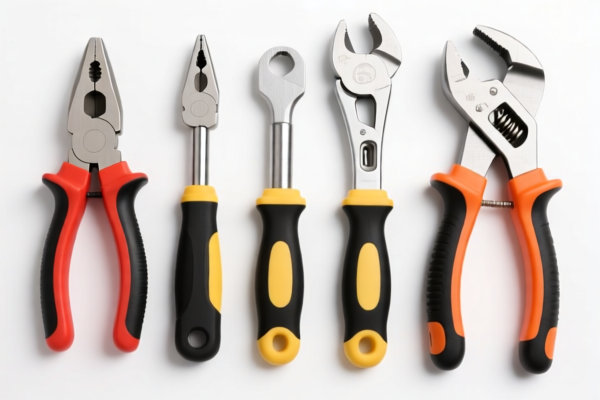
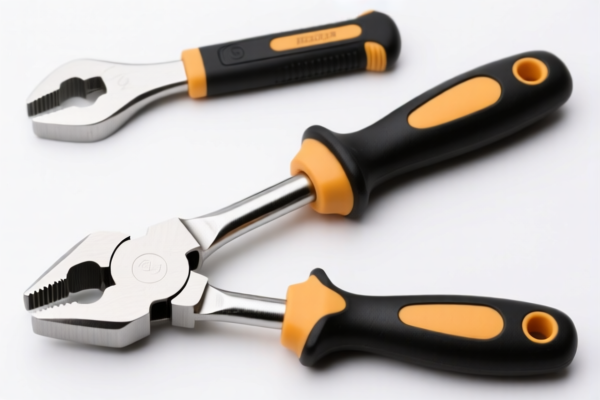
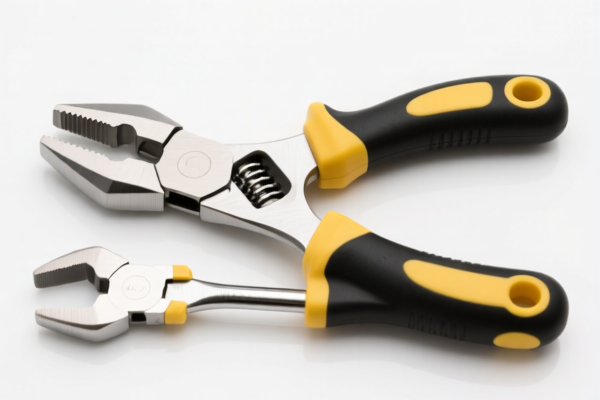
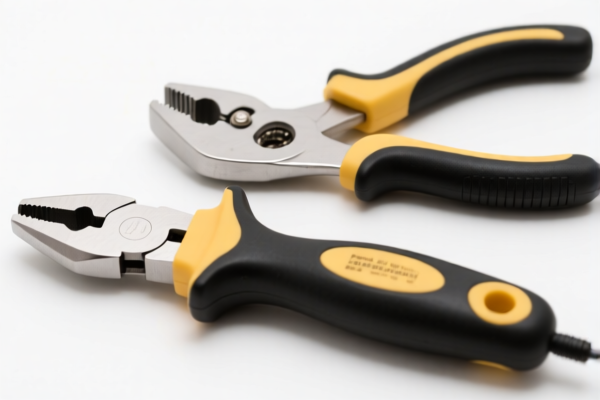
AI Analysis
🔧 Non-Electric Tools & Implements (Hand Tools)
🌐 HS Code Reference & Customs Clearance Guide | 2026 Latest Tariff Breakdown | Strategic Entry Strategy for US Market
📌 I. Product Definition & Classification: Do You Really Understand "Hand Tools"?
"Non-Electric Tools" refer to manual instruments used for gripping, turning, cutting, shaping, or fastening, which do not rely on electrical, pneumatic, or hydraulic power sources. In international trade, these are primarily classified under Chapter 82 (Tools, Implements, Cutlery... of Base Metal).
Key Distinctions: * Manual Wrenches/Turners (HS 8204): Tools specifically designed to grip and turn nuts/bolts (e.g., spanners, sockets). * General Hand Tools (HS 8203): Tools for holding, pressing, or shaping materials (e.g., pliers, files, rasps, screwdrivers). * Other Hand Tools (HS 8205): Tools not elsewhere specified, such as hammers, chisels, scrapers, or brushes with metal parts.
⚠️ Critical Identification Point:
- If the tool is specifically a wrench/turner (even if adjustable), it falls under 8204.
- If it is for cutting/abrasion (files, rasps) or gripping (pliers), it falls under 8203.
- If it is a general purpose tool (hammer, scraper, other implements), it falls under 8205.
📦 II. HS Code Classification Details (2026 Latest Tariff Authority Comparison)
| HS Code | Product Description | Applicable Scenario | Material Inference |
|---|---|---|---|
8204.11.00.30 |
Hand wrenches and turners (not combined with one another); parts thereof | Adjustable wrenches, spanners, socket wrenches | ✅ Metal (Base Metal) |
8203.20.60.60 |
Files and rasps | Metal files, wood rasps, abrasive hand tools | ✅ Metal |
8204.12.00.00 |
Hand wrenches and turners (not combined); parts thereof | Standard fixed wrenches, open-ended wrenches | ✅ Metal (Base Metal) |
8205.51.30.30 |
Other hand tools (e.g., hammers, chisels, scrapers) | Manual hammers, chisels, screwdrivers (general) | ✅ Iron or Steel |
8205.51.60.00 |
Other hand tools (other than those specified above) | General purpose implements, aluminum tools, mixed assemblies | ✅ Metal or Aluminum |
🔍 Key Reminder:
- Wrenches (8204) are distinct from general pliers/files (8203) due to their specific function (turning/fastening).
- Files/Rasps (8203) are categorized by their abrasive nature.
- Other Tools (8205) is a "catch-all" for manual tools not covered in 8203/8204.
- Material Assumption: Based on common sense, these tools are inferred to be made of iron, steel, or aluminum.
💰 III. 2026 Latest Tariff Rate Breakdown (Including Surcharges, Policy Add-ons)
✅ Applicable Country: United States (US)
✅ Country of Origin: China (CN)
✅ Effective Time: Current rates applicable for imports post-2025 policies
🎯 1. 8204.11.00.30 & 8204.12.00.00 —— Hand Wrenches and Turners
These HS codes cover the most common manual wrenches. They are subject to significant trade barriers.
| Item | Content |
|---|---|
| Base Tariff | 9.0% (ad valorem) |
| Section 301 Surcharge | +25.0% |
| Section 122 Tariff | +10.0% |
| Total Tax Rate | 44.0% |
| Calculation Method | CIF Value × 44% |
| De Minimis Exemption | ❌ Not Eligible (High-risk category for small parcels) |
| Legal Basis Path | Section 301: Footnote 9903.88.01 → Section 122: IEEPA → USITC:8204.xx.xx.xx |
📌 Explanation:
- Base Rate (9%): Standard MFN rate for hand wrenches.
- 301 Surcharge (25%): Applied due to US-China trade tensions.
- Section 122 (10%): Additional tariff under IEEPA for specific categories.
- Total: 44%. This is a high-cost item. Accurate classification is crucial to avoid misclassification penalties.
🎯 2. 8203.20.60.60 —— Files, Rasps, Pliers, etc.
This code covers abrasive tools (files/rasps) and gripping tools (pliers). Note the mixed tariff structure (Specific + Ad Valorem).
| Item | Content |
|---|---|
| Base Tariff | 12¢/doz. + 5.5% (Specific + Ad Valorem) |
| Section 301 Surcharge | +25.0% |
| Section 122 Tariff | +10.0% |
| Total Effective Rate | 12¢/doz. + 5.5% + 35.0% (Surcharges) |
| Calculation Method | (12¢ × Quantity/12) + (CIF Value × 5.5%) + (CIF Value × 35%) |
| De Minimis Exemption | ❌ Not Eligible |
| Legal Basis Path | Section 301: Footnote 9903.88.01 → Section 122: IEEPA → USITC:8203.20.60.60 |
📌 Note:
- The 35.0% surcharge is the sum of the 25% (301) and 10% (122) additional tariffs.
- This classification applies to files, rasps, and pliers.
- If declaring "pliers," ensure they are not complex multi-function tools that might fall under "other hand tools" (8205), though 8203 is standard for basic pliers.
🎯 3. 8205.51.30.30 —— Other Hand Tools (Iron/Steel)
Covers tools like hammers, chisels, and general metal implements.
| Item | Content |
|---|---|
| Base Tariff | 3.7% |
| Section 301 Surcharge | +25.0% |
| Section 122 Tariff | +10.0% |
| Total Tax Rate | 38.7% |
| Calculation Method | CIF Value × 38.7% |
| De Minimis Exemption | ❌ Not Eligible |
| Legal Basis Path | Section 301 → Section 122 → USITC:8205.51.30.30 |
📌 Explanation:
- Lower base tariff (3.7%) compared to wrenches (9%).
- Still faces heavy surcharges (35%), resulting in 38.7% total.
- Applies to iron or steel hand tools not covered in 8203/8204.
🎯 4. 8205.51.60.00 —— Other Hand Tools (Metal/Aluminum)
Covers miscellaneous hand tools, potentially including aluminum versions or less common metal tools.
| Item | Content |
|---|---|
| Base Tariff | 2.2¢/kg + 5% (Specific + Ad Valorem) |
| Section 301 Surcharge | +25.0% |
| Section 122 Tariff | +10.0% |
| Total Effective Rate | 2.2¢/kg + 5% + 35.0% (Surcharges) |
| Calculation Method | (2.2¢ × Weight in kg) + (CIF Value × 40%) |
| De Minimis Exemption | ❌ Not Eligible |
| Legal Basis Path | Section 301 → Section 122 → USITC:8205.51.60.00 |
📌 Note:
- Applies to tools made of metal or aluminum.
- The specific duty (2.2¢/kg) is added to the ad valorem rate.
- Total surcharge burden remains 35%.
🛠️ IV. Customs Clearance Practical Advice (实战避坑指南)
✅ 1. Documentation Checklist (Non-Negotiable)
| Document | Must Provide | Explanation |
|---|---|---|
| ✅ Product Specification Sheet | ✔️ | Dimensions, material (e.g., "Chrome Vanadium Steel"), usage |
| ✅ High-Resolution Photos | ✔️ | Clear view of the tool head, handle, and any branding |
| ✅ Commercial Invoice | ✔️ | Must clearly state: "Non-Electric Hand Tools," HS Code, and Unit Price |
| ✅ Packing List | ✔️ | Itemize quantities; ensure weight/volume matches invoice |
| ✅ Material Composition Statement | ✔️ | Confirm if steel, iron, or aluminum (affects HS 8205 sub-class) |
| ✅ Country of Origin Certificate | ✔️ | Proves Chinese origin for 301/122 tariff application |
✅ 2. Declaration Techniques (Key Mnemonics)
🔥 "Know the Function, Pick the Code; Don't Split, Save the Cost!"
| Scenario | Correct Declaration | Incorrect Action |
|---|---|---|
| Adjustable Wrench | 8204.11.00.30 |
Misclassifying as "pliers" → Risk of audit |
| File/Rasp | 8203.20.60.60 |
Misclassifying as "other tool" → 38.7% vs 5.5%+surcharge |
| Hammer/Chisel | 8205.51.30.30 |
Misclassifying as "wrench" → 44% vs 38.7% |
| Mixed Kit (Wrench + Pliers) | Split Declaration | Lump-sum declaration → High risk of rejection |
⚠️ Critical Warning:
- Do NOT combine different types of tools (e.g., wrenches and files) into one HS Code. Each type must be declared under its specific HS Code.
- Material Matters: If tools are aluminum, use8205.51.60.00; if steel/iron, use8205.51.30.30. Misstating material can lead to fines.
✅ 3. Special Handling Cases
| Situation | Handling Advice |
|---|---|
| OEM/Private Label | Ensure the invoice matches the brand; do not hide the true manufacturer if origin is China |
| Tools with Plastic Handles | Still classified under Chapter 82 if the working part is metal. Declare as "Metal Hand Tools" |
| Small Parcel (De Minimis) | ❌ Do Not Rely on De Minimis. These items are subject to Section 301/122 tariffs and are often scrutinized. |
| Aluminum Tools | Use 8205.51.60.00. Ensure the invoice specifies "Aluminum" to avoid being taxed as steel |
🌍 V. Global Market Comparison (2026 Latest)
| Country/Region | Recommended HS Code | Tariff (China Origin) | Certification Required | Notes |
|---|---|---|---|---|
| 🇺🇸 USA | 8204.11.00.30 |
44.0% | None | High tariff due to 301/122 |
| 🇨🇳 China | 8204.11.00.30 |
~9% | None | Base rate applies |
| 🇪🇺 EU | 8204.11.00.30 |
~5-7% | CE (if applicable) | Lower tariffs, no US-style surcharges |
| 🇬🇧 UK | 8204.11.00.30 |
~5-7% | UKCA | Post-Brexit rates similar to EU |
📌 Conclusion:
- The US market is the most expensive for non-electric tools due to cumulative tariffs (Base + 301 + 122).
- European markets offer significantly lower duties (~5-7%), making them more competitive for price-sensitive goods.
- Supply Chain Strategy: Consider sourcing from non-China countries (e.g., Vietnam, India) if exporting to the US to avoid Section 301 tariffs.
📌 VI. Common Errors & Pitfalls (Blood Lesson Guide)
❌ Error 1: Declaring all hand tools under one HS Code (8205.xxxx)
👉 Consequence: If items are actually wrenches (8204) or files (8203), customs may reclassify them, leading to 44% vs 38.7% discrepancies and penalties.
❌ Error 2: Ignoring Material Composition (Steel vs. Aluminum)
👉 Consequence: Misdeclaration of 8205.51.30.30 (Steel) as 8205.51.60.00 (Aluminum) or vice versa can trigger audits.
❌ Error 3: Assuming De Minimis Exemption Applies
👉 Consequence: Tools are explicitly excluded from de minimis benefits in many cases due to Section 301/122. Even small parcels may be taxed.
❌ Error 4: Vague Description ("Hand Tools")
👉 Consequence: Customs cannot determine the correct sub-code. Request for further information → Delay in Clearance.
✅ Correct Practice:
"Manual Adjustable Wrench, Chrome Vanadium Steel, Model XYZ, Made in China"
🎯 VII. Conclusion: Precise Classification Saves Money!
🎯 Remember the Mnemonics:
🔹 "Wrench is 8204 (44%), File is 8203 (5.5%+35%), Other is 8205 (38.7%+)."
🔹 "Steel vs. Aluminum Matters in 8205."
🔹 "No De Minimis for Tools to US."
📌 Tips:
If your hand tools are sourced from Vietnam, Thailand, or India, you may avoid Section 301 (25%) and Section 122 (10%) tariffs, reducing the total rate to just the Base Rate (9% or 5.5%).
Recommendation: Apply for an Advance Ruling if unsure about the classification of mixed tool kits.
📣 Immediate Action:
📞 Contact a professional customs broker + Provide product photos + Confirm material composition
🚀 Clear your goods efficiently, avoid unexpected costs, and maximize your profit margin!
✨ Professional Clearance Starts with Accurate Classification!
💼 Every percentage point of tariff difference counts!
Customer Reviews
About HS Code Classification
The Harmonized System (HS) is an internationally standardized nomenclature developed by the World Customs Organization (WCO) to classify traded products. Over 200 countries use the HS system as the basis for customs tariffs, trade statistics, and import/export regulations.
Each HS code follows a hierarchical structure:
- Chapter (2 digits) — Broad category of goods (e.g., Chapter 84: Machinery and Mechanical Appliances)
- Heading (4 digits) — More specific grouping within the chapter
- Subheading (6 digits) — Internationally standardized breakdown, used by all WCO member countries
- National subdivisions (8-10 digits) — Country-specific extensions for further classification, such as US HTSUS 10-digit codes
Correct HS code classification is essential for smooth customs clearance, accurate duty payment, and compliance with trade regulations. Misclassification can lead to customs delays, overpayment of duties, or penalties.
When importing from CN to US, the applicable tariff rates may include:
- Most-Favored-Nation (MFN) rate — The standard duty rate applied to WTO members
- General rate — Applied to countries without trade agreements
- Trade remedy duties — Additional tariffs such as Section 301 (anti-dumping), Section 232 (national security), or countervailing duties
The information provided on this page is for reference purposes only. For official classification, please consult with your local customs authority or a licensed customs broker.