Non foamed PVC plastic sheets for packaging
CN → US| HS Code | Tariff Rate | Origin | Destination | Doc |
|---|---|---|---|---|
| 3920435000 | 39.2% | CN | US | Official Doc |
| 3921125000 | 41.5% | CN | US | Official Doc |
| 3919905040 | 40.8% | CN | US | Official Doc |
| 3919905060 | 40.8% | CN | US | Official Doc |
| 3920490000 | 40.8% | CN | US | Official Doc |
Product Images
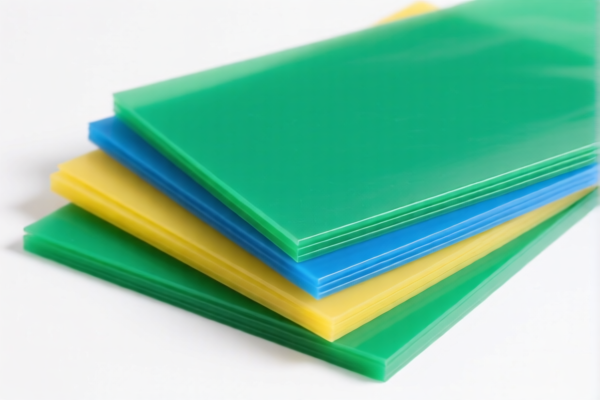
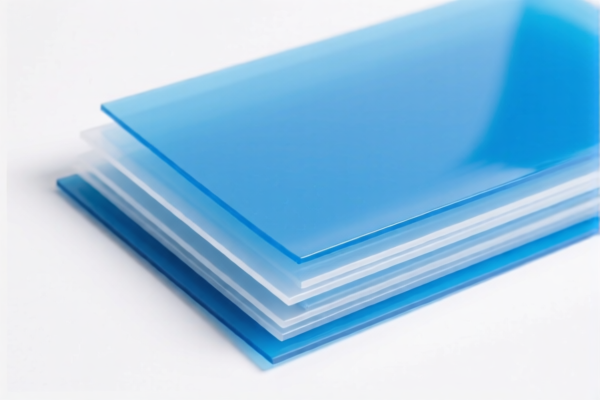
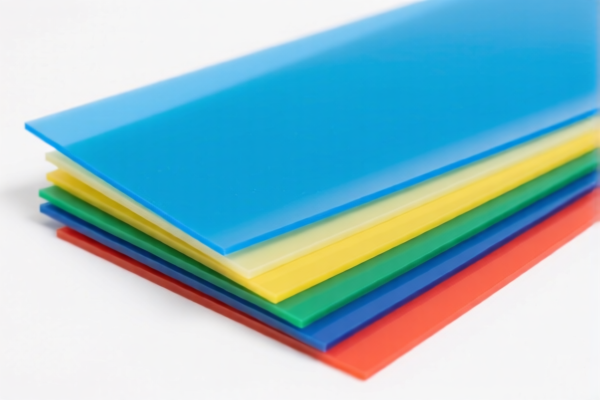
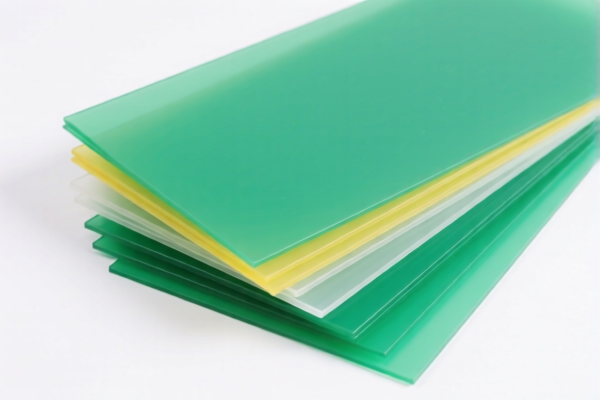
AI Analysis
🛡️ Non-foamed PVC Plastic Sheets for Packaging
🌐 HS Code Reference & Customs Clearance Guide | 2026 Latest Tariff Analysis | Professional Clearance Strategy
📌 I. Product Definition & Classification: Do You Really Understand "PVC Sheets"?
Non-foamed Polyvinyl Chloride (PVC) plastic sheets are rigid, flat plastic materials widely used in packaging, signage, and industrial applications. In international trade, precise classification is critical because PVC products are heavily scrutinized under Section 39 (Plastics and Articles Thereof) and subject to significant retaliatory tariffs under Section 301 and Section 122 regulations.
The key to correct classification lies in the form (sheets/plates vs. rolls/film) and processing (foamed vs. non-foamed).
⚠️ Critical Distinction:
- If the material is non-foamed (rigid, solid structure) and presented as plates/sheets → Look at 3920 or 3919.
- If the material is foamed (expanded, cellular structure) → It would fall under different subheadings (e.g., 3920.43.10.00 for foamed), NOT listed in the current data set.
- Packaging Use: While the intended use is packaging, HS codes for plastics are primarily based on material composition and physical form, not end-use. Therefore, it does NOT automatically fall under "packaging articles" (Chapter 39 last subheadings or 42/48) but under basic plastic sheets.
📦 II. HS Code Classification Details (2026 Latest Tariff Authoritative对照)
Based on the provided data, the non-foamed PVC sheets are classified into five specific HS Codes, reflecting slight variations in duty rates and customs interpretations.
| HS Code | Product Description | Duty Breakdown | Total Tax Rate |
|---|---|---|---|
3920.43.50.00 |
Non-foamed PVC plastic plates; Polyvinyl Chloride (PVC) material; Plate form; Non-foamed. | Base: 4.2% Sec 301: 25.0% Sec 122: 10% |
39.2% |
3921.12.50.00 |
Non-foamed PVC plastic plates; PVC material; Plate form; Matches material/shape requirements. | Base: 6.5% Sec 301: 25.0% Sec 122: 10% |
41.5% |
3919.90.50.40 |
Non-foamed PVC plastic plates; PVC material; Plate form; Flat shape definition. | Base: 5.8% Sec 301: 25.0% Sec 122: 10% |
40.8% |
3919.90.50.60 |
Non-foamed PVC plastic plates; PVC material; Plate form; No material/shape conflict. | Base: 5.8% Sec 301: 25.0% Sec 122: 10% |
40.8% |
3920.49.00.00 |
Non-foamed PVC plastic plates; PVC material; Non-foamed plastic plate form. | Base: 5.8% Sec 301: 25.0% Sec 122: 10% |
40.8% |
🔍 Key Observation:
- All listed codes carry a mandatory 35% surcharge (25% Section 301 + 10% Section 122).
- The variable component is the Base Duty, ranging from 4.2% to 6.5%.
-3920.43.50.00offers the lowest total duty (39.2%).
-3921.12.50.00has the highest total duty (41.5%).
💰 III. 2026 Latest Tariff Rate Detailed Analysis (Including Additional Taxes)
✅ Applicable Country: United States (US)
✅ Origin: China (CN)
✅ Effective Date: Post-2025 regulations (Section 301 & 122)
🎯 1. 3920.43.50.00 —— Non-foamed PVC Plates (Lowest Duty Option)
| Item | Content |
|---|---|
| Base Tariff | 4.2% (ad valorem) |
| USITC Section 301 Surcharge | +25.0% |
| Section 122 Surcharge | +10.0% |
| Total Tax Rate | 39.2% |
| Tax Calculation | CIF Value × 39.2% |
| De Minimis Exemption | ❌ NOT Eligible (deny_de_minimis) |
| Legal Basis | HTSUS 3920.43.50.00 + Footnotes for Sec 301 & Sec 122 |
📌 Explanation:
- Base 4.2%: The lowest base duty among the options, likely due to specific classification under "Other plates, sheets, film, foil and strip, of plastics" with specific PVC sub-codes.
- 25% + 10% Surcharges: These are non-negotiable for Chinese-origin goods.
- Cost Impact: For every $1,000 of goods, expect $392 in tariffs.
🎯 2. 3921.12.50.00 —— Other Plastic Plates (Highest Duty Option)
| Item | Content |
|---|---|
| Base Tariff | 6.5% |
| USITC Section 301 Surcharge | +25.0% |
| Section 122 Surcharge | +10.0% |
| Total Tax Rate | 41.5% |
| Tax Calculation | CIF Value × 41.5% |
| De Minimis Exemption | ❌ NOT Eligible |
| Legal Basis | HTSUS 3921.12.50.00 |
📌 Note:
- This code falls under Chapter 39, Heading 3921 ("Other plates, sheets...").
- The higher base duty (6.5%) makes this the most expensive option among the five.
- Avoid this code unless specific product characteristics (e.g., composite layers, specific treatments) force this classification.
🎯 3. 3919.90.50.40 / 3919.90.50.60 / 3920.49.00.00 —— Mid-Range Duties
| Item | Content |
|---|---|
| Base Tariff | 5.8% |
| USITC Section 301 Surcharge | +25.0% |
| Section 122 Surcharge | +10.0% |
| Total Tax Rate | 40.8% |
| Tax Calculation | CIF Value × 40.8% |
| De Minimis Exemption | ❌ NOT Eligible |
📌 Explanation:
- These three codes cluster at a 40.8% total rate.
-3919typically refers to self-adhesive plates/sheets. If your PVC sheets are self-adhesive, these codes may apply.
-3920.49is a residual "Other PVC" category.
- If your sheets are NOT self-adhesive, prioritize3920.43.50.00(39.2%) over these.
🛠️ IV. Customs Clearance Practical Advice (Battle-Tested Pitfall Guide)
✅ 1. Document Checklist (Must-Have)
| Document | Required | Description |
|---|---|---|
| ✅ Product Specification Sheet | ✔️ | Must explicitly state: "Non-foamed" (no cellular structure), Material: 100% PVC, Form: Sheet/Plate. |
| ✅ Material Safety Data Sheet (MSDS) | ✔️ | Confirms chemical composition. |
| ✅ Commercial Invoice | ✔️ | Clearly describe as "PVC Plastic Sheets, Non-foamed, for Packaging Use". Avoid vague terms like "Plastic Wrap". |
| ✅ Packing List | ✔️ | Detail weight, dimensions, and quantity. |
| ✅ Certificate of Origin | ✔️ | To prove Chinese origin (and confirm surcharges apply). |
| ✅ Photos | ✔️ | Show the cross-section of the sheet to prove it is NOT foamed. |
✅ 2. Declaration Strategy (Key Mantra)
🔥 "Non-foamed is Key, PVC is Material, Form is Sheet, Not Foamed is Life!"
| Scenario | Correct Declaration | Wrong Action |
|---|---|---|
| Rigid PVC Sheets | 3920.43.50.00 (39.2%) |
Misclassifying as "Packaging Film" → Potential penalty + higher duty. |
| Self-Adhesive PVC Sheets | 3919.90.50.40 (40.8%) |
Missing "Self-Adhesive" feature → Wrong code. |
| Foamed PVC | NOT COVERED in this data | Attempting to declare Foamed as Non-foamed → Fraud/Seizure. |
| PVC Rolls | Check 3920 vs 3919 |
Declaring Rolls as "Plates" → Rejection. |
✅ 3. Special Considerations
| Situation | Handling Advice |
|---|---|
| Packaging Function | Do NOT use HS codes from Chapter 48 (Paper) or 39 last items (Articles). PVC sheets are classified by material/form. |
| Color/Treatment | If the sheets are painted, printed, or laminated, it may still fall under 3920 if the PVC is the base material. Declare "PVC Sheets with Surface Treatment". |
| Thickness | Ensure thickness is consistent with "Plate/Sheet" definition (usually >1mm). Thin films might be classified differently. |
| Cost Optimization | 3920.43.50.00 is the most cost-effective. Ensure product specs align precisely with this code to save 2.3% vs. the highest option. |
🌍 V. Global Market Clearance Comparison (2026 Update)
| Country/Region | Recommended HS Code | Total Duty (China Origin) | Notes |
|---|---|---|---|
| 🇺🇸 USA | 3920.43.50.00 |
39.2% | High surcharges (301 + 122). Critical to classify as "Non-foamed". |
| 🇨🇳 China | 3920.43.50.00 |
~5.8% | No Section 301/122. |
| 🇪🇺 EU | 3920.49.00 |
6.5% | No Section 301/122. |
| 🇨🇦 Canada | 3920.43.00 |
6.5% | No Section 301/122. |
| 🇲🇽 Mexico | 3920.43.00 |
5.0% | Potential USMCA benefits if non-Chinese. |
📌 Conclusion:
- The USA is the only market with 35% in surcharges.
- Cost Saving: Choosing the correct HS Code (3920.43.50.00) saves you 2.3% in total duty compared to the highest option. On $100,000 of goods, this is $2,300 saved.
📌 VI. Common Errors & Pitfalls (Blood & Tears Lessons)
❌ Error 1: Declaring "Non-foamed" sheets as "Foamed" to avoid Section 301?
👉 Consequence: Seizure and fraud charges. Customs can test density to prove it's not foamed.
❌ Error 2: Using "Packaging" as the primary description, leading to misclassification under Chapter 48 or 39 other subheadings.
👉 Consequence: Wrong HS Code, penalty, and potential 39.2% vs 6% difference if misidentified as paper-based packaging.
❌ Error 3: Ignoring Section 122 Tariffs.
👉 Consequence: Underpayment by 10%. Customs will demand back payment + interest.
❌ Error 4: Confusing "PVC Sheets" with "PVC Pipes" or "PVC Profiles".
👉 Consequence: 3917 (Pipes) vs 3920 (Sheets). Different duties and regulations.
✅ Correct Practice:
"PVC Plastic Sheets, Non-foamed, Rigid, for Packaging, 100% Polyvinyl Chloride, Size 1200x2400mm, Thickness 2mm"
🎯 VII. Conclusion: Precise Classification, Cost Efficiency!
🎯 Remember the Mantra:
🔹 "Non-foamed, PVC, Sheet: 39.2% is the goal!"
🔹 "301 + 122 = 35% Tax, Don't forget the Base!"
🔹 "Packaging Use Doesn't Change the Code, Material Does!"
📌 Pro Tip:
If your PVC sheets are recycled or contain recycled content, verify if any special exemptions apply (rare for PVC in US).
Recommend Pre-Ruling with CBP if the product is new or complex.
📣 Immediate Action:
📞 Consult a Customs Broker + Provide Product Specs + Apply for HS Code Ruling
🚀 Ensure your 39.2% duty rate is locked in correctly!
✨ Professional Clearance Starts with Accurate Classification!
💼 Every Percent Counts in International Trade!
Customer Reviews
About HS Code Classification
The Harmonized System (HS) is an internationally standardized nomenclature developed by the World Customs Organization (WCO) to classify traded products. Over 200 countries use the HS system as the basis for customs tariffs, trade statistics, and import/export regulations.
Each HS code follows a hierarchical structure:
- Chapter (2 digits) — Broad category of goods (e.g., Chapter 84: Machinery and Mechanical Appliances)
- Heading (4 digits) — More specific grouping within the chapter
- Subheading (6 digits) — Internationally standardized breakdown, used by all WCO member countries
- National subdivisions (8-10 digits) — Country-specific extensions for further classification, such as US HTSUS 10-digit codes
Correct HS code classification is essential for smooth customs clearance, accurate duty payment, and compliance with trade regulations. Misclassification can lead to customs delays, overpayment of duties, or penalties.
When importing from CN to US, the applicable tariff rates may include:
- Most-Favored-Nation (MFN) rate — The standard duty rate applied to WTO members
- General rate — Applied to countries without trade agreements
- Trade remedy duties — Additional tariffs such as Section 301 (anti-dumping), Section 232 (national security), or countervailing duties
The information provided on this page is for reference purposes only. For official classification, please consult with your local customs authority or a licensed customs broker.