Non pressure Grade ABS Plastic Parts
CN → US| HS Code | Tariff Rate | Origin | Destination | Doc |
|---|---|---|---|---|
| 3926909987 | 22.8% | CN | US | Official Doc |
| 3917400030 | 40.3% | CN | US | Official Doc |
| 9033009000 | 39.4% | CN | US | Official Doc |
| 3926909989 | 22.8% | CN | US | Official Doc |
| 3917400050 | 40.3% | CN | US | Official Doc |
| 9026906000 | 35.0% | CN | US | Official Doc |
Product Images

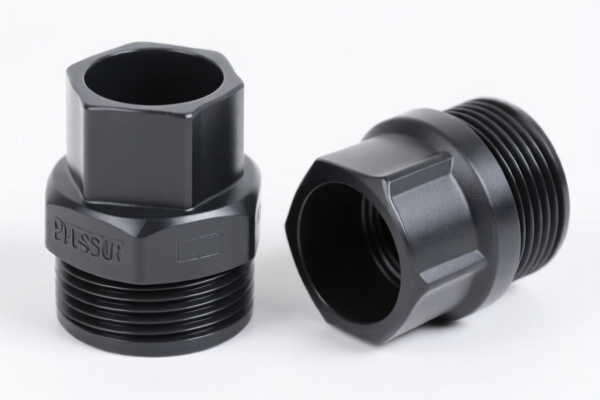
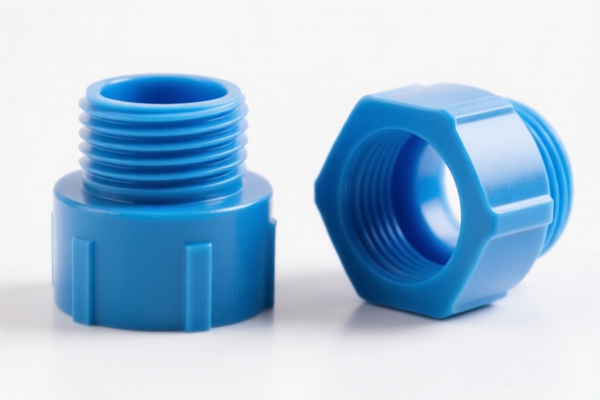

AI Analysis
🧩 Non-Pressure Grade ABS Plastic Parts (Generic Industrial Components)
🌐 HS Code Reference & Customs Clearance Guide | 2026 Latest Tariff Analysis | Professional Strategy for ABS Components
📌 1. Product Definition & Classification: What are "Non-Pressure Grade ABS Plastic Parts"?
"Non-pressure grade ABS plastic parts" refer to plastic components made from Acrylonitrile Butadiene Styrene (ABS) that are not designed to withstand internal fluid or gas pressure. These are typically structural, decorative, or connection accessories rather than pressure vessels or pipelines.
In international trade, the classification hinges on function and form: * Is it a pipe/fitting accessory? → Look to Chapter 39 (Plastics and Articles Thereof), specifically heading 3917. * Is it a general plastic part/accessory? → Look to Chapter 39, heading 3926 (Other articles of plastics). * Is it a part of a machine/instrument? → Look to Chapter 90 (Optical, photographic, medical, or mechanical apparatus).
⚠️ Key Distinction Point:
- If the part is shaped like a tube, pipe, or hose accessory (elbows, couplings, flanges) but not rated for pressure → Likely 3917.40.
- If the part is a bracket, cover, handle, or general mechanical component → Likely 3926.90.
- If the part is specifically for use in machinery/instruments defined in Chapter 90 → Likely 9033.00.
📦 2. HS Code Classification Matrix (2026 Latest Tariff Reference)
Based on the provided data, here are the five potential HS Codes with their corresponding tax breakdowns:
| HS Code | Summary Description | Total Tax Rate | Tax Composition (Breakdown) |
|---|---|---|---|
3926.90.99.87 |
ABS Plastic Part, Non-pressure rated, Falls under "Other Plastic Articles" (Bottom-tier Category) | 22.8% | Base: 5.3% Section 301: 7.5% Section 122: 10% |
3917.40.00.30 |
ABS Plastic Part, Non-pressure rated fitting/accessory, Matches form & use of pipes | 40.3% | Base: 5.3% Section 301: 25.0% Section 122: 10% |
9033.00.90.00 |
ABS Plastic Part, Classified as "Parts and Accessories" under Chapter 90 (Machinery/Instruments) | 39.4% | Base: 4.4% Section 301: 25.0% Section 122: 10% |
3926.90.99.89 |
ABS Plastic Part, Non-pressure rated, Falls under "Other Plastic Articles" (General Category) | 22.8% | Base: 5.3% Section 301: 7.5% Section 122: 10% |
3917.40.00.50 |
ABS Plastic Part, Non-pressure rated accessory, Logic aligns with pipe fittings | 40.3% | Base: 5.3% Section 301: 25.0% Section 122: 10% |
🔍 Critical Insight:
- The lowest tax burden (22.8%) comes from classifying these items under 3926.90 (General Plastic Articles).
- The highest tax burden (40.3% / 39.4%) comes from classifying them as specific fittings (3917.40) or machine parts (9033.00), which attract the 25% Section 301 tariff.
- Section 122 Tariff (10%) applies universally across all listed codes in this dataset.
💰 3. Detailed Tariff Analysis (2026 Latest Rates)
✅ Applicable Country: United States (US)
✅ Origin: China (CN) [Implied by the presence of Section 301 and Section 122 tariffs]
✅ Effective Date: Post-2025 Policies
🎯 Option A: The "Low-Tax" Strategy (3926.90.99.87 & 3926.90.99.89)
Classification Logic: These codes treat the ABS parts as general "Other Articles of Plastic." This is viable if the parts are not strictly "pipes, tubes, or hoses" or their accessories, but rather brackets, casings, or generic connectors.
| Item | Detail |
|---|---|
| Base Duty | 5.3% |
| Section 301 Duty | +7.5% (Lower tier for general plastic articles) |
| Section 122 Duty | +10% (Specific to China-origin goods) |
| Total Rate | 22.8% |
| Tax Calculation | CIF Value × 22.8% |
| De Minimis Exemption | ❌ Not Eligible (Valuation exceeds $800 threshold for tax exemption) |
| Legal Basis | HTSUS:3926.90.99 → Section 301 List 4A → Section 122 |
📌 Why this works:
- ABS parts that are structural (e.g., mounting brackets, protective covers, decorative trims) fit well here.
- Avoiding the "pipe/fitting" definition saves you 17.5% in Section 301 tariffs.
🎯 Option B: The "Fitting" Strategy (3917.40.00.30 & 3917.40.00.50)
Classification Logic: These codes classify the item as a "Tube, Pipe, and Hose Accessory." This is accurate if the ABS part is used to connect, join, or terminate pipes/hoses, even if it is not pressure-rated.
| Item | Detail |
|---|---|
| Base Duty | 5.3% |
| Section 301 Duty | +25.0% (Higher tier for specific plastic goods/pipes) |
| Section 122 Duty | +10% |
| Total Rate | 40.3% |
| Tax Calculation | CIF Value × 40.3% |
| De Minimis Exemption | ❌ Not Eligible |
| Legal Basis | HTSUS:3917.40.00 → Section 301 List 4A/2B → Section 122 |
📌 Risk Warning:
- Even if "Non-Pressure Grade," if the shape is an elbow, tee, or coupling, customs may force this classification.
- This is the most expensive option. Only use if the part cannot be classified as a general plastic article.
🎯 Option C: The "Machine Part" Strategy (9033.00.90.00)
Classification Logic: This classifies the ABS part as a "Part of a Machine or Instrument." This is only valid if the part is specifically identifiable as belonging to a Chapter 90 article (e.g., medical device, scientific instrument, optical equipment).
| Item | Detail |
|---|---|
| Base Duty | 4.4% (Lower than standard plastics) |
| Section 301 Duty | +25.0% |
| Section 122 Duty | +10% |
| Total Rate | 39.4% |
| Tax Calculation | CIF Value × 39.4% |
| De Minimis Exemption | ❌ Not Eligible |
| Legal Basis | HTSUS:9033.00.90 → Section 301 List 4A → Section 122 |
📌 Caution:
- Customs will reject this if the part is too generic (e.g., a simple bracket for a computer case). It must be a dedicated part for a complex machine.
- Slightly cheaper than fittings (40.3%), but still high due to the 25% Section 301 tariff.
🛠️ 4. Customs Clearance Practical Advice (Pitfall Avoidance Guide)
✅ 1. Documentation Checklist (Non-Negotiable)
| Document | Required? | Notes |
|---|---|---|
| ✅ Product Specification Sheet | ✔️ | Must clearly state: "Non-Pressure Grade", Material: ABS, Dimensions, Weight. |
| ✅ Technical Drawing/Photo | ✔️ | Must show the shape. If it looks like a pipe fitting, be prepared for 3917.40 classification. |
| ✅ Commercial Invoice | ✔️ | Description must match HS Code logic. Use terms like "ABS Plastic Bracket" instead of "Pipe Fitting" if claiming 3926.90. |
| ✅ Bill of Lading | ✔️ | Ensure weight/volume matches invoice. |
| ✅ Country of Origin Certificate | ✔️ | Mandatory for applying Section 122 and 301 tariffs. |
✅ 2. Naming & Description Strategy (Crucial for Lower Taxes)
🔥 Golden Rule:
"Describe by Function, Not Just Shape. Avoid 'Pipe' if Possible."
| Scenario | Recommended Description for Invoice | Target HS Code | Avoid This Name |
|---|---|---|---|
| ABS Bracket/Clip | "ABS Plastic Mounting Bracket, Non-Pressure, General Industrial Use" | 3926.90.99.87/89 |
"Pipe Holder" (May trigger 3917) |
| ABS Coupling (Non-Pressure) | "ABS Plastic Connection Accessory, Non-Pressure, for Low-Flow Systems" | 3917.40.00.30 (Risk) |
"Pressure Pipe Fitting" (Will trigger 3917) |
| ABS Part for Medical Device | "ABS Component for [Specific Machine Name], Model XYZ" | 9033.00.90.00 |
"Plastic Part" (Too vague) |
📌 Strategic Tip:
If your ABS part is a generic connector not specifically for plumbing/pneumatics, argue for 3926.90. Customs may challenge this, so have technical docs proving it is not used in pressurized systems.
✅ 3. Special Cases & Exemptions
| Situation | Handling Advice |
|---|---|
| Mixed Shipments | If you ship both 3926.90 (22.8%) and 3917.40 (40.3%) items, declare separately. Do not mix descriptions. |
| De Minimis (Section 321) | ❌ Not Applicable. ABS plastic parts from China are subject to Section 301 and 122 tariffs, which cannot be bypassed via the $800 de minimis rule. |
| Pre-Ruling Application | ✅ Highly Recommended. If the part is novel, apply for an ACE Ruling from CBP to lock in the 3926.90 classification. |
| Section 122 Exemption | ❌ Not Available. Section 122 is a specific additional tariff for Chinese goods and is generally non-exemptible for these HS codes. |
🌍 5. Global Market Comparison (2026 Snapshot)
| Country | Best HS Code | Approx. Total Duty | Notes |
|---|---|---|---|
| 🇺🇸 USA | 3926.90.99.87 |
22.8% | Lowest US rate; avoid 3917.40 (40.3%) |
| 🇨🇳 China | 3926.90 |
~5-9% | Lower base duty; no Section 301/122 |
| 🇪🇺 EU | 3926.90 |
~6.5% | No Section 122; standard MFN rates apply |
| 🇨🇦 Canada | 3926.90 |
~5-6% | CUSMA benefits may apply if origin is certified |
📌 Conclusion:
The US market is the most challenging due to the叠加 (stacking) of Base + Section 301 + Section 122 tariffs.
Optimization Goal: Fight for3926.90.99.87/89(22.8%) by proving the part is not a pipe/fitting accessory.
📌 6. Common Mistakes & Blood-Curdling Lessons
❌ Mistake 1: Calling an ABS elbow a "Bracket" to save taxes.
👉 Consequence: CBP audit finds it’s used in plumbing. Back taxes + 40.3% - 22.8% = 17.5% penalty on CIF value.
❌ Mistake 2: Using "ABS Plastic Part" in the invoice without technical details.
👉 Consequence: CBP assigns the highest applicable rate (likely 40.3%) due to uncertainty.
❌ Mistake 3: Assuming De Minimis ($800) saves you from tariffs.
👉 Consequence: Denied. Section 301 and 122 tariffs apply regardless of value for China-origin goods.
✅ Correct Approach:
"ABS Plastic Non-Pressure Mounting Bracket, General Industrial Use, Model ABC, Origin China"
Supporting Doc: Tech Spec showing no pressure rating.
🎯 7. Conclusion: Precision Saves Dollars!
🎯 Remember the Mantra:
🔹 "Shape is King, Function is Queen. Avoid 'Pipe', Save 17.5%."
🔹 "3926 is the Sweet Spot (22.8%). 3917 is the Trap (40.3%)."
🔹 "No De Minimis for China. Plan Your Tariff Budget."
📌 Pro Tip:
If your ABS parts are generic (brackets, clips, housings), insist on 3926.90.99.87 or 3926.90.99.89.
If they are specifically pipe accessories (even non-pressure), prepare for 3917.40.00.30/50.
📣 Immediate Action:
📞 Consult a Customs Broker + Submit ACE Ruling Request
🚀 Optimize your Bill of Lading Description
💼 Minimize your 2026 Tariff Burden by $0.17 per Dollar of Value!
✨ Professional Clearance Starts with Precise Classification!
💼 Every Dollar of Duty Saved is Profit Added!
Customer Reviews
About HS Code Classification
The Harmonized System (HS) is an internationally standardized nomenclature developed by the World Customs Organization (WCO) to classify traded products. Over 200 countries use the HS system as the basis for customs tariffs, trade statistics, and import/export regulations.
Each HS code follows a hierarchical structure:
- Chapter (2 digits) — Broad category of goods (e.g., Chapter 84: Machinery and Mechanical Appliances)
- Heading (4 digits) — More specific grouping within the chapter
- Subheading (6 digits) — Internationally standardized breakdown, used by all WCO member countries
- National subdivisions (8-10 digits) — Country-specific extensions for further classification, such as US HTSUS 10-digit codes
Correct HS code classification is essential for smooth customs clearance, accurate duty payment, and compliance with trade regulations. Misclassification can lead to customs delays, overpayment of duties, or penalties.
When importing from CN to US, the applicable tariff rates may include:
- Most-Favored-Nation (MFN) rate — The standard duty rate applied to WTO members
- General rate — Applied to countries without trade agreements
- Trade remedy duties — Additional tariffs such as Section 301 (anti-dumping), Section 232 (national security), or countervailing duties
The information provided on this page is for reference purposes only. For official classification, please consult with your local customs authority or a licensed customs broker.