Non triple or quadruple twill/cross twill satin fabric
CN → US| HS Code | Tariff Rate | Origin | Destination | Doc |
|---|---|---|---|---|
| 5407830040 | 43.5% | CN | US | Official Doc |
| 5208192020 | 42.9% | CN | US | Official Doc |
| 5208392020 | 43.8% | CN | US | Official Doc |
| 5407912050 | 49.9% | CN | US | Official Doc |
Product Images
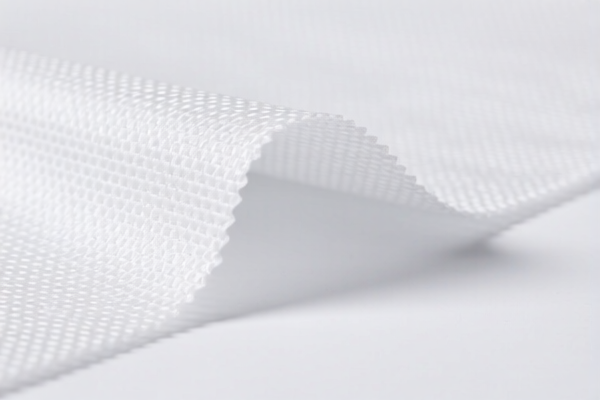
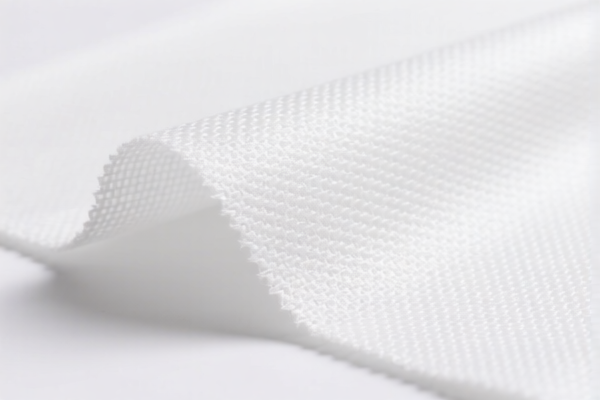
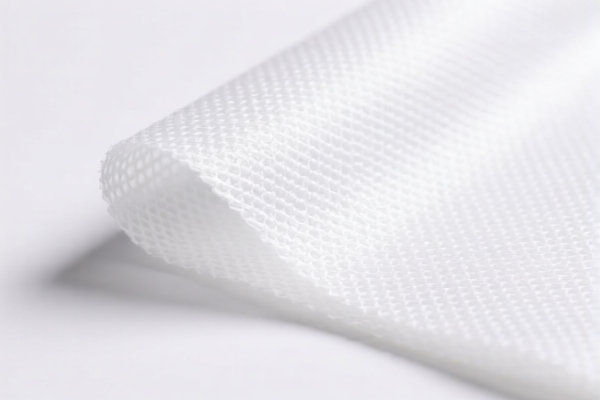
AI Analysis
🧵 Satin & Twill Fabrics (Non-Triple/Quadruple Cross-Twill)
🌐 HS Code Reference & Customs Clearance Guide | 2026 Latest Tariff Analysis | Professional Clearance Strategy
📌 I. Product Definition & Classification: Do You Really Understand "Satin/Twill Fabric"?
"Satin and Twill Fabrics" refer to woven textiles characterized by specific interlacing structures (satin weave or twill/cross-twill weave). In international trade, classification depends heavily on the fiber composition (e.g., synthetic filaments vs. cotton) and the weave complexity.
Key Distinction Points: - Weave Structure: The product explicitly excludes "triple" or "quadruple" twill/cross-twill. It refers to standard satin (sateen) or single/double twill structures. - Material: Classification varies drastically between Synthetic Filament Yarns (Chapter 54) and Cotton Yarns (Chapter 52). - Form: Must be Woven Fabric (not knitted, non-woven, or finished garments).
⚠️ Critical Clarification:
- If the fabric uses Synthetic Filament Yarns (e.g., Polyester, Nylon) → Look at Chapter 54.
- If the fabric uses Cotton Yarns → Look at Chapter 52.
- Exclude complex "Triple" (3-shaft) or "Quadruple" (4-shaft) twill structures, as these may fall under different subheadings not listed here.
📦 II. HS Code Classification Details (2026 Latest Tariff Authority对照)
| HS Code | Product Description | Applicable Scenario | Fiber Type | Weave Structure |
|---|---|---|---|---|
5407.83.00.40 |
Woven fabric, containing ≥85% synthetic filament yarn, other | Synthetic satin/twill fabrics (e.g., polyester sateen) | ✅ Synthetic Filament | Satin & Twill |
5208.19.20.20 |
Cotton woven fabric, weight ≤200g/m², other, dyed | Lightweight cotton satin/sateen (e.g., bedding, lining) | ✅ Cotton | Satin / Twill Structure |
5208.39.20.20 |
Cotton woven fabric, weight >200g/m², other, yarn-dyed | Heavyweight cotton sateen (e.g., uniforms, drapes) | ✅ Cotton | Satin (Twill/Satin) |
5407.91.20.50 |
Other woven fabrics, containing ≥85% synthetic filament yarn | Heavyweight or special synthetic satin/twill | ✅ Synthetic Filament | Satin & Twill |
🔍 Key Reminder:
-5407.83.00.40matches fabrics with Satin (缎纹) and Twill (斜纹) characteristics using synthetic filaments.
-5208.19.20.20matches Satin fabric morphology with twill/satin structure for light cotton.
-5208.39.20.20corresponds to Sateen (贡缎), woven fabric, and twill organization for heavier cotton.
-5407.91.20.50matches Satin and Twill organization and Synthetic Filament material for other synthetic fabrics.
💰 III. 2026 Latest Tariff Rate Details (Including Surcharges & Policy Add-ons)
✅ Applicable Country: United States (US)
✅ Origin: China (CN)
✅ Effective Time: 2025/2026 (Including subsequent imports)
🎯 1. 5407.83.00.40 —— Synthetic Filament Satin/Twill Fabric
| Item | Content |
|---|---|
| Base Duty Rate | 8.5% (ad valorem) |
| Section 301 Surcharge | +25.0% (USITC Footnote) |
| Section 122 Duty | +10.0% (Specific US Provision) |
| Total Tax Rate | 43.5% |
| Tax Calculation | CIF Value × 43.5% |
| De Minimis Eligible? | ❌ No (deny_de_minimis) |
| Legal Basis Path | USITC:5407.83.00.40 → 301:25% → 122:10% |
📌 Explanation:
- Base 8.5%: Standard Most Favored Nation (MFN) rate for synthetic woven fabrics.
- 301 Surcharge 25%: Applied to most Chinese-origin textiles under trade war measures.
- Section 122 10%: Additional duty under Section 22 of the Trading with the Enemy Act or similar national security provisions (common for textiles in recent years).
- Total 43.5%: High tariff barrier. Cost calculation must include all three components.
🎯 2. 5208.19.20.20 —— Light Cotton Satin/Sateen Fabric
| Item | Content |
|---|---|
| Base Duty Rate | 7.9% (ad valorem) |
| Section 301 Surcharge | +25.0% |
| Section 122 Duty | +10.0% |
| Total Tax Rate | 42.9% |
| Tax Calculation | CIF Value × 42.9% |
| De Minimis Eligible? | ❌ No |
| Legal Basis Path | USITC:5208.19.20.20 → 301:25% → 122:10% |
📌 Note:
- Matches Satin fabric morphology with twill/satin structure.
- Typically applies to cotton fabrics with weight ≤200g/m².
- Base rate is slightly lower than synthetic counterparts, but surcharges remain the same.
🎯 3. 5208.39.20.20 —— Heavyweight Cotton Sateen (Twill/Satin)
| Item | Content |
|---|---|
| Base Duty Rate | 8.8% (ad valorem) |
| Section 301 Surcharge | +25.0% |
| Section 122 Duty | +10.0% |
| Total Tax Rate | 43.8% |
| Tax Calculation | CIF Value × 43.8% |
| De Minimis Eligible? | ❌ No |
| Legal Basis Path | USITC:5208.39.20.20 → 301:25% → 122:10% |
📌 Note:
- Corresponds to Sateen (贡缎), woven fabric, and twill organization.
- Applies to heavier cotton fabrics (>200g/m²) or yarn-dyed varieties.
- Highest base rate among the cotton options listed, but still within the 43% range.
🎯 4. 5407.91.20.50 —— Other Synthetic Filament Satin/Twill
| Item | Content |
|---|---|
| Base Duty Rate | 14.9% (ad valorem) |
| Section 301 Surcharge | +25.0% |
| Section 122 Duty | +10.0% |
| Total Tax Rate | 49.9% |
| Tax Calculation | CIF Value × 49.9% |
| De Minimis Eligible? | ❌ No |
| Legal Basis Path | USITC:5407.91.20.50 → 301:25% → 122:10% |
📌 Note:
- Matches Satin and Twill organization with Synthetic Filament material.
- This is a "catch-all" or specific subheading for other synthetic fabrics not covered in 5407.83.
- Highest total tax rate (49.9%) due to higher base duty (14.9%). Critical for cost control.
🛠️ IV. Customs Clearance Practical Advice (Combat Pitfall Guide)
✅ 1. Preparation Checklist (All Documents Required)
| Document | Mandatory? | Description |
|---|---|---|
| ✅ Product Specification Sheet | ✔️ | Fiber composition %, weight (g/m²), width, weave type (Satin/Twill) |
| ✅ Weave Diagram / Photo | ✔️ | To prove it is NOT triple/quadruple twill. Must show 2-harness or standard satin structure. |
| ✅ Commercial Invoice | ✔️ | Clearly state: "Woven Fabric, Satin/Twill, [Fiber Content], Weight [g/m²]" |
| ✅ Packing List | ✔️ | Detail roll dimensions, gross/net weight, number of rolls |
| ✅ Certificate of Origin | ✔️ | If applicable for preferential treatment (though unlikely for US/China currently) |
| ✅ Lab Test Report | ✔️ | Fiber content analysis, weight verification, weave structure confirmation |
✅ 2. Declaration Tips (Key Mantra)
🔥 "Fiber Defines Chapter, Weight Defines Subheading, Weave Defines Structure!"
| Scenario | Correct Declaration | Wrong Action |
|---|---|---|
| Synthetic Fabric | 5407.83.00.40 or 5407.91.20.50 |
Misdeclare as Cotton → 42.9% vs 49.9% discrepancy |
| Light Cotton (<200g/m²) | 5208.19.20.20 |
Misdeclare as Heavy → Penalty for incorrect weight |
| Heavy Cotton (>200g/m²) | 5208.39.20.20 |
Misdeclare as Light → Audit risk |
| Triple/Quadruple Twill | Exclude from these HS Codes | Use wrong HS Code → Misclassification, fines, seizure |
| Knitted Satin | Not Applicable | Woven HS Codes do not apply to Knitted fabrics (Chapter 60) |
✅ 3. Special Situation Handling
| Situation | Handling Advice |
|---|---|
| Mixed Fibers | If <85% synthetic, do not use Chapter 54 codes. Check Chapter 55 or 52. |
| Printed vs. Dyed | 5208.39.20.20 specifies "Yarn-Dyed". If Piece-Dyed, check 5208.19... or other subheadings. |
| OEM Custom Fabric | Provide design specs showing weave structure. Avoid "Triple Twill" terminology if classifying under standard Satin/Twill. |
| Sample Imports | Still subject to duties. Declare as "Commercial Sample" with accurate value. |
🌍 V. Global Market Comparison (2026 Latest)
| Country/Region | Recommended HS Code | Tariff Rate | Certification | Notes |
|---|---|---|---|---|
| 🇺🇸 USA | 5407.83.00.40 / 5208.19.20.20 |
43.5% - 49.9% | None (Textile) | 42.9%-49.9% total due to 301+122 duties |
| 🇨🇳 China | 5407.83.00.40 / 5208.19.20.20 |
Low (5%-10%) | None | No US-style surcharges |
| 🇪🇺 EU | 5407.83.00 / 5208.19.00 |
4% - 12% | REACH | No Section 301/122 equivalent |
| 🇦🇺 Australia | 5407.83.00 / 5208.19.00 |
5% - 10% | None | Lower tariffs than US |
| 🇯🇵 Japan | 5407.83.00 / 5208.19.00 |
0% - 10% | None | CPTPP benefits may apply |
📌 Conclusion:
- USA is the most expensive market for these fabrics due to叠加 (stacked) tariffs.
- EU and Asia are significantly more competitive.
- Supply Chain Strategy: Consider shifting production to Vietnam, India, or Bangladesh to avoid US 301/122 duties.
📌 VI. Common Mistakes & Pitfall Guide (Lessons Learned)
❌ Mistake 1: Declaring "Satin" without specifying Fiber Content.
👉 Consequence: Customs assigns highest possible rate (49.9%) or rejects declaration.
❌ Mistake 2: Misidentifying Triple Twill as standard Twill.
👉 Consequence: Wrong HS Code, potential duty evasion charge, or seizure.
❌ Mistake 3: Ignoring Weight (g/m²) for Cotton Fabrics.
👉 Consequence: 5208.19 (Light) vs 5208.39 (Heavy) have different rates. Error leads to penalties.
❌ Mistake 4: Assuming "Satin" means 5407.83.
👉 Consequence: If it’s Polyester Filament but weight/structure differs, 5407.91 (49.9%) may apply. Always verify technical specs.
✅ Correct Practice:
"Woven Satin Fabric, 100% Polyester, 150 GSM, 60” Width, Plain Backing, Standard 2-Harness Satin Weave"
🎯 VII. Conclusion: Precision in Classification Saves Money!
🎯 Remember the Mantra:
🔹 "Fiber First, Weight Second, Weave Third!"
🔹 "301 + 122 = 35% Extra! Don’t Pay It If You Don’t Have To!"
🔹 "Triple Twill is Not Standard Twill – Check Structure!"
📌 Pro Tip:
If your fabric originates from Vietnam, India, or Bangladesh, you may qualify for lower tariffs or exemptions from US Section 301/122 duties.
Recommend Advance Ruling (Ruling Request) with US Customs (CBP) before shipment to confirm HS Code and duty liability.
📣 Immediate Action:
📞 Contact Professional Customs Broker + Provide Fabric Swatch/Specs + Apply for CBP Ruling
🚀 Ensure your Satin/Twill Fabrics Clear Customs Smoothly, Maximize Profit, Minimize Risk!
✨ Professional Clearance Starts with Accurate Classification!
💼 Every Percent of Duty Saved is Pure Profit!
Customer Reviews
About HS Code Classification
The Harmonized System (HS) is an internationally standardized nomenclature developed by the World Customs Organization (WCO) to classify traded products. Over 200 countries use the HS system as the basis for customs tariffs, trade statistics, and import/export regulations.
Each HS code follows a hierarchical structure:
- Chapter (2 digits) — Broad category of goods (e.g., Chapter 84: Machinery and Mechanical Appliances)
- Heading (4 digits) — More specific grouping within the chapter
- Subheading (6 digits) — Internationally standardized breakdown, used by all WCO member countries
- National subdivisions (8-10 digits) — Country-specific extensions for further classification, such as US HTSUS 10-digit codes
Correct HS code classification is essential for smooth customs clearance, accurate duty payment, and compliance with trade regulations. Misclassification can lead to customs delays, overpayment of duties, or penalties.
When importing from CN to US, the applicable tariff rates may include:
- Most-Favored-Nation (MFN) rate — The standard duty rate applied to WTO members
- General rate — Applied to countries without trade agreements
- Trade remedy duties — Additional tariffs such as Section 301 (anti-dumping), Section 232 (national security), or countervailing duties
The information provided on this page is for reference purposes only. For official classification, please consult with your local customs authority or a licensed customs broker.