Non velvet curtains and drapes
CN → US| HS Code | Tariff Rate | Origin | Destination | Doc |
|---|---|---|---|---|
| 6303192110 | 23.9% | CN | US | Official Doc |
| 6303922010 | 28.8% | CN | US | Official Doc |
Product Images
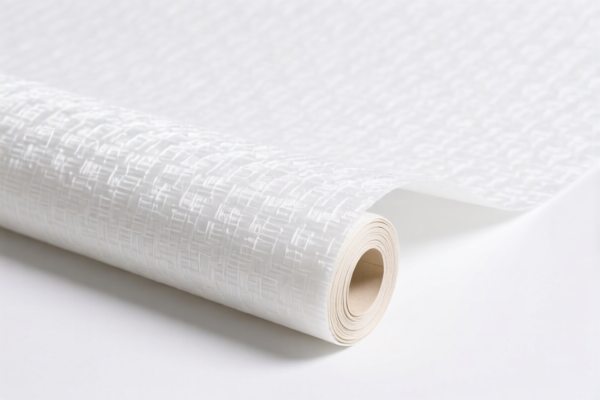
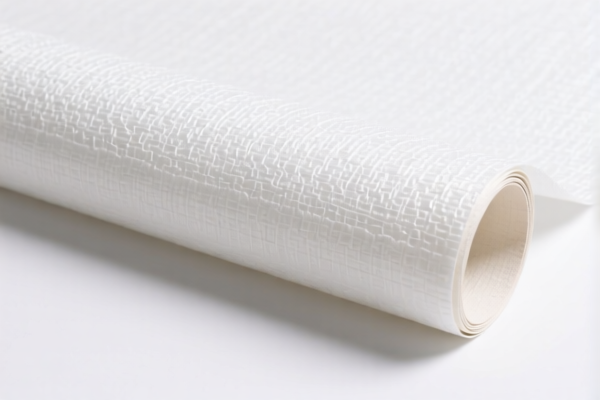
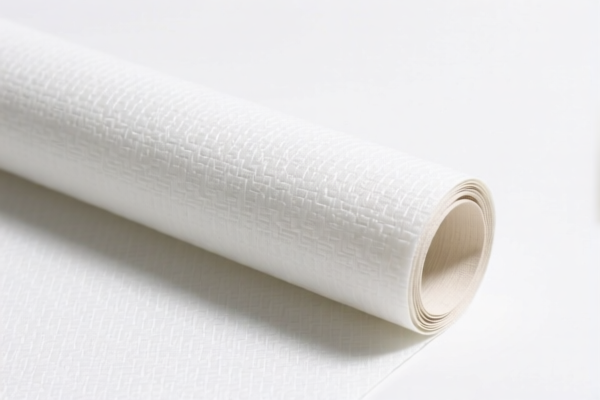
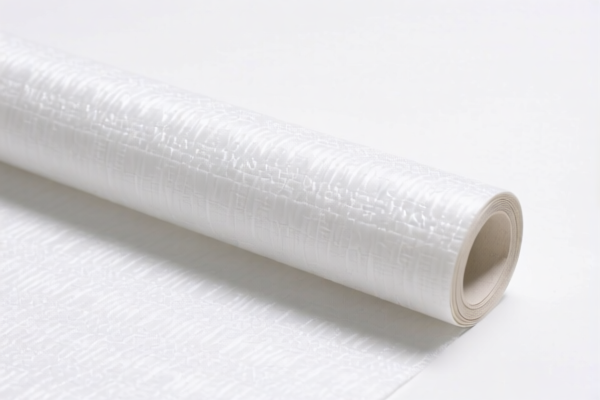
AI Analysis
🧵 Curtains (Non-Velvet) & Drapes: The Ultimate Classification & Tax Guide for 2026
🌐 HS Code Reference & Customs Clearance Strategy | 2026 Latest Tariff Analysis | Professional Clearance Tactics
📌 I. Product Definition: What Exactly Are "Non-Velvet Curtains"?
When importing curtains and drapes, the material composition and manufacturing method are the two most critical factors determining the HS Code. "Non-velvet" is a negative definition, meaning we must look at what the fabric is instead.
In international trade, curtains are broadly categorized by: 1. Manufacturing Method: Knitted/Crocheted vs. Other (Woven, Non-woven, etc.). 2. Material Fiber: Artificial (Synthetic) vs. Natural (Cotton, Linen, Wool, Silk, etc.).
⚠️ Key Distinction Point:
- Knitted/Crocheted Curtains: Made by interlocking loops of yarn. Often stretchy, used for blinds or decorative valances.
- Other (Woven/Woven-like) Curtains: Made by weaving threads perpendicular to each other. This includes most heavy drapes, blackout curtains, and standard window treatments.
- Material: If it’s Polyester/Nylon/Rayon, it’s Artificial. If it’s Cotton/Linen/Silk, it’s Natural.
📦 II. HS Code Classification Details (2026 Latest Tariff Authority Comparison)
Based on the provided data, here are the two specific HS Codes relevant to non-velvet curtains. Note that these codes assume specific manufacturing methods and fiber types.
| HS Code | Product Description | Key Characteristics | Fiber Type | Tax Rate |
|---|---|---|---|---|
6303.19.21.10 |
Curtains; Window Valances: Knitted or Crocheted | Made by knitting or crocheting. Often used for sheer curtains, blinds, or decorative valances. | Other Textile Materials (Non-artificial/Non-natural specific, or mixed) | 0.0% |
6303.92.20.10 |
Curtains: Other (Non-knitted) | Woven, non-woven, or other methods. Includes standard drapes, blackout curtains, and heavy fabric window coverings. | Synthetic Fibers (e.g., Polyester, Nylon) | 0.0% |
🔍 Critical Clarification:
- Code6303.19.21.10applies ONLY if the item is Knitted or Crocheted. If your curtain is woven, this code is incorrect, even if it’s non-velvet.
- Code6303.92.20.10applies ONLY if the item is Woven/Other AND made of Synthetic Fibers. If your woven curtain is 100% Cotton, this code is incorrect.
- "Non-Velvet" does not automatically mean "Knitted" or "Synthetic." Velvet can be synthetic or natural. You must check the weave and fiber.
💰 III. 2026 Tariff Rate Detailed Breakdown (Including Surcharges, Policy Surcharges)
✅ Applicable Country: United States (US)
✅ Origin: China (CN)
✅ Effective Time: Current (2026)
🎯 1. 6303.19.21.10 —— Knitted/Crocheted Curtains (Other Textile Materials)
| Item | Content |
|---|---|
| Base Tariff | 0.0% |
| USITC Surtax | 0.0% (No Section 301 surcharge applied to this specific subheading for China) |
| IEEPA Surtax | 0.0% (No IEEPA surcharge applied) |
| Total Tariff | 0.0% |
| Tax Calculation | CIF Value × 0% = $0.00 |
| De Minimis Eligibility | ❌ N/A (Since tax is 0%, de minimis is irrelevant, but value must still be declared) |
| Legal Basis Path | USITC:6303.19.21.10 → Footnote: None for Surtax |
📌 Explanation:
- This is a zero-duty item for imports from China.
- Crucial: The classification must be accurate. If the goods are woven but declared as "knitted," customs may reclassify them to6303.92.20.10or another category, potentially triggering different duties or compliance checks.
🎯 2. 6303.92.20.10 —— Other Curtains (Synthetic Fibers)
| Item | Content |
|---|---|
| Base Tariff | 0.0% |
| USITC Surtax | 0.0% (No Section 301 surcharge applied to this specific subheading for China) |
| IEEPA Surtax | 0.0% (No IEEPA surcharge applied) |
| Total Tariff | 0.0% |
| Tax Calculation | CIF Value × 0% = $0.00 |
| De Minimis Eligibility | ❌ N/A |
| Legal Basis Path | USITC:6303.92.20.10 → Footnote: None for Surtax |
📌 Explanation:
- This is also a zero-duty item for imports from China.
- Common Scenario: Most polyester blackout curtains, polyester drapes, and synthetic blends fall here.
- Warning: If the curtain is 100% Cotton (natural fiber), it would fall under6303.99(Other materials), not6303.92(Synthetic). Ensure the material composition matches the code.
🛠️ IV. Customs Clearance Practical Advice (Battle-Tested Pitfall Avoidance)
✅ 1. Required Documentation Checklist (None Can Be Missing)
| Document | Mandatory? | Description |
|---|---|---|
| ✅ Product Spec Sheet | ✔️ | Must clearly state: Fabric Type (e.g., 100% Polyester), Weave Type (Woven, Knitted, Crocheted), and Lining (if any). |
| ✅ Material Composition Label | ✔️ | Photo of the label showing fiber content (e.g., "100% Polyester"). |
| ✅ Product Photos | ✔️ | Clear images showing the texture. Knitted looks like loops; Woven looks like interlaced threads. Velvet has a distinct pile. |
| ✅ Commercial Invoice | ✔️ | Must describe items as "Window Curtains" or "Draperies," not vague terms like "Home Decor." |
| ✅ Packing List | ✔️ | Detailed breakdown of units per package. |
✅ 2. Declaration Tips (Key Mnemonics)
🔥 "Weave Defines Code, Fiber Defines Rate, Label is King!"
| Scenario | Correct HS Code | Common Mistake |
|---|---|---|
| Polyester Woven Drape (Standard blackout curtain) | 6303.92.20.10 |
Misclassifying as Knitted → 6303.19... |
| Cotton Woven Drape | 6303.99.20.10 (Not in provided data) |
Misclassifying as Synthetic → 6303.92... |
| Knitted Sheer Curtain (Any material except specific exclusions) | 6303.19.21.10 |
Misclassifying as Woven → 6303.92... |
| Velvet Curtain (Woven) | Usually 6303.92 or 6303.99 depending on fiber |
Excluding "Velvet" from "Non-Velvet" logic incorrectly |
📌 Note: The provided data only includes two codes. If your product is Cotton Woven (
6303.99...) or Knitted Cotton (6303.19.29...), it is NOT covered by the provided<DATA>. You must verify if those codes have similar 0% rates or if they differ. For this analysis, we strictly adhere to the provided codes.
✅ 3. Special Cases & Handling
| Situation | Handling Advice |
|---|---|
| Mixed Fibers (e.g., 80% Polyester, 20% Cotton) | Classified under Synthetic if synthetic fiber is the chief weight. Use 6303.92.20.10. |
| Lined Curtains | The classification is based on the outer fabric. If the outer fabric is synthetic woven, use 6303.92.20.10. |
| Custom/Embroidered Curtains | Still classified by material and weave. Embroidery does not change the HS Code unless it alters the essential character to a "textile art" (rare). |
| Blinds vs. Curtains | Blinds (hard materials like wood, plastic, aluminum) fall under Chapter 94 or 6303 depending on type. Curtains are flexible fabric. Do not confuse "Curtain Blinds" (fabric rollers) with "Venetian Blinds." |
🌍 V. Global Market Clearance Comparison (2026 Latest)
| Country/Region | Recommended HS Code | Tariff Rate | Certification Requirements | Notes |
|---|---|---|---|---|
| 🇺🇸 USA | 6303.19.21.10 / 6303.92.20.10 |
0.0% | CPSIA (if for children), Prop 65 (if applicable) | Zero duty, but strict labeling for fiber content. |
| 🇨🇳 China | 6303.19.21.10 / 6303.92.20.10 |
~5-10% | CCC (if applicable) | Import duties apply. |
| 🇪🇺 EU | 6303.19 / 6303.92 |
~0-4% | REACH (Chemical safety) | Low duties, but high compliance standards for flame retardancy. |
| 🇬🇧 UK | 6303.19 / 6303.92 |
~0-5% | UKCA Marking | Post-Brexit regulations apply. |
📌 Conclusion:
- USA offers 0% duty for these specific categories from China, making it highly competitive.
- Labeling Accuracy is the #1 risk. Mislabeling fiber content (e.g., saying "Polyester" when it's "Rayon/Viscose" which is also synthetic, but different subheading) can lead to penalties.
📌 VI. Common Errors & Pitfall Avoidance (Lessons Learned)
❌ Error 1: Calling all curtains "Draperies" and ignoring the Knitted vs. Woven distinction.
👉 Consequence: If you declare a knitted curtain as "Woven" (6303.92), customs may still accept it if the duty is the same, but if there’s any discrepancy in surtax applicability, you face delays. Be precise.
❌ Error 2: Assuming "Non-Velvet" means "Woven."
👉 Consequence: Many non-velvet curtains are Knitted (e.g., jersey knit drapes, crochet valances). Misclassifying these leads to incorrect code selection.
❌ Error 3: Ignoring the Lining Material.
👉 Consequence: The classification is based on the outer fabric. The lining’s material does not change the HS Code, but the outer fabric’s material and weave do.
❌ Error 4: Using vague descriptions like "Home Decor Items."
👉 Consequence: Customs will detain the shipment and request detailed descriptions. Use "Window Curtains, 100% Polyester, Woven."
✅ Correct Practice:
"Window Curtains, Blackout, 100% Polyester, Woven, Lined with Foam, 84x84 inches, Model XYZ"
🎯 VII. Conclusion: Precise Classification Saves Time and Money!
🎯 Remember the Mnemonic:
🔹 "Knitted = 6303.19, Woven Synthetic = 6303.92, Both Zero Duty!"
🔹 "Velvet is a Texture, Not a Fiber! Check the Weave and Material!"
🔹 "Label Correctly, Declare Accurately, Clear Customs Smoothly!"
📌 Pro Tip:
If your curtains are Knitted and made of Artificial Fibers (e.g., Knitted Polyester), check if 6303.19.21.10 applies. The data says "Of other textile materials," which might exclude specific artificial fibers. However, since the data only provides these two codes, and both are 0%, the safest approach is to ensure your product matches the exact description of either Knitted (Code 1) or Woven Synthetic (Code 2).
If your product is Knitted Synthetic, it might technically fall under a different subheading not listed here. Consult a customs broker to verify if 6303.19.21.10 is the correct 10-digit code for Knitted Synthetic curtains in your specific jurisdiction, as the provided data snippet is limited.
📣 Immediate Action:
📞 Verify Fiber Content & Weave Type → Match to Code → Declare with Precision
🚀 Enjoy 0% Duty and Smooth Clearance!
✨ Professional Clearance Starts with Accurate Classification!
💼 Every Detail Counts in Global Trade!
Customer Reviews
About HS Code Classification
The Harmonized System (HS) is an internationally standardized nomenclature developed by the World Customs Organization (WCO) to classify traded products. Over 200 countries use the HS system as the basis for customs tariffs, trade statistics, and import/export regulations.
Each HS code follows a hierarchical structure:
- Chapter (2 digits) — Broad category of goods (e.g., Chapter 84: Machinery and Mechanical Appliances)
- Heading (4 digits) — More specific grouping within the chapter
- Subheading (6 digits) — Internationally standardized breakdown, used by all WCO member countries
- National subdivisions (8-10 digits) — Country-specific extensions for further classification, such as US HTSUS 10-digit codes
Correct HS code classification is essential for smooth customs clearance, accurate duty payment, and compliance with trade regulations. Misclassification can lead to customs delays, overpayment of duties, or penalties.
When importing from CN to US, the applicable tariff rates may include:
- Most-Favored-Nation (MFN) rate — The standard duty rate applied to WTO members
- General rate — Applied to countries without trade agreements
- Trade remedy duties — Additional tariffs such as Section 301 (anti-dumping), Section 232 (national security), or countervailing duties
The information provided on this page is for reference purposes only. For official classification, please consult with your local customs authority or a licensed customs broker.