Non woven Carpet Mat
CN → US| HS Code | Tariff Rate | Origin | Destination | Doc |
|---|---|---|---|---|
| 5705002030 | 38.3% | CN | US | Official Doc |
| 5603941090 | 35.0% | CN | US | Official Doc |
| 3926909989 | 22.8% | CN | US | Official Doc |
| 5705002090 | 38.3% | CN | US | Official Doc |
| 3926905900 | 37.4% | CN | US | Official Doc |
Product Images
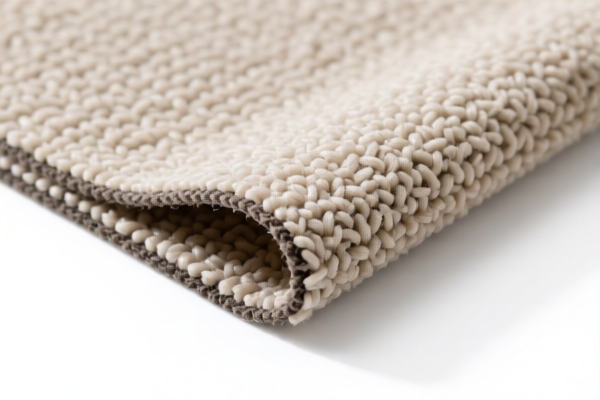
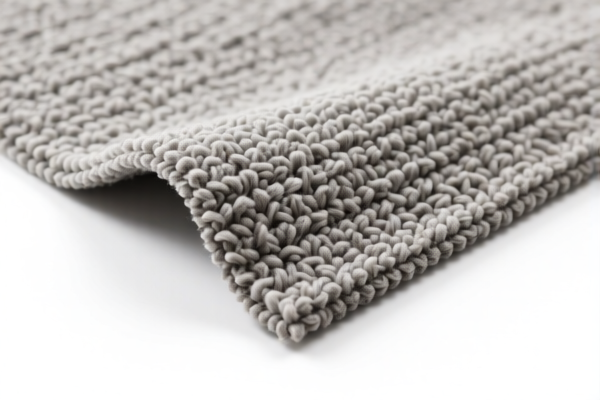
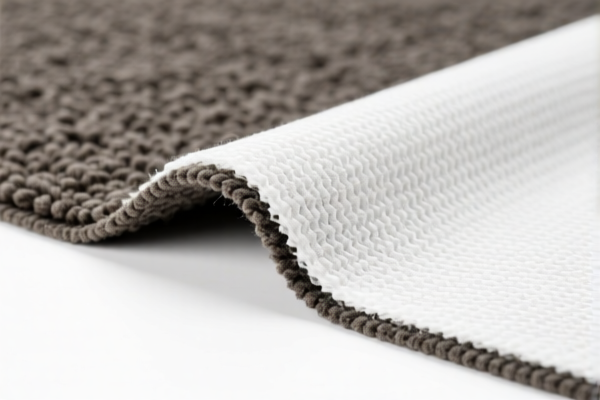
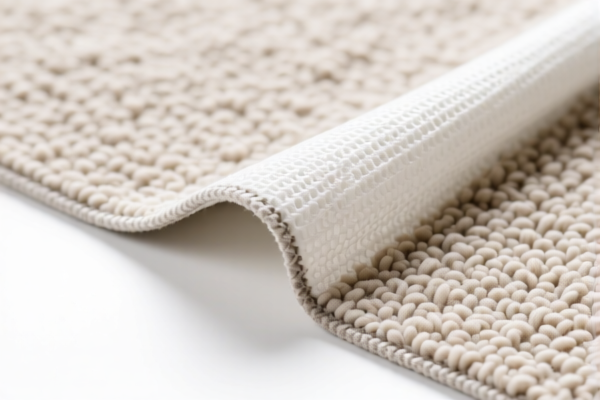
AI Analysis
🧶 Non-Woven Carpet Mat: HS Code Classification & Duty Strategy
🌐 HS Code Reference & Clearance Guide | 2026 Latest Tariff Analysis | Professional Customs Strategy
📌 I. Product Definition & Classification: What Exactly is a "Non-Woven Carpet Mat"?
A Non-Woven Carpet Mat is a floor covering made from synthetic fibers bonded together without weaving or knitting. In international trade, the classification depends heavily on the material composition and functionality:
- Textile-Based Mats: Made primarily from人造纤维 (Man-Made Textile Fibers). These are classified under Chapter 57 as "Carpeting and Other Textile Floor Coverings."
- Plastic/Synthetic Polymer Mats: Made from plastics or other synthetic polymers. These may fall under Chapter 39 as "Other Articles of Plastics" if they do not meet the specific definition of textile carpeting.
- Lining/Backing Mats: If the non-woven material serves primarily as a backing or lining for a carpet, it may fall under Chapter 56 as "Felt and Non-Woven Fabrics."
⚠️ Key Distinction Point:
- If the product is a complete floor covering with textile-like properties (fibrous, woven-like bonding) → Chapter 57
- If the product is a plastic-based mat (rigid, plastic sheet-like) → Chapter 39
- If the product is a felt/non-woven backing only → Chapter 56
📦 II. HS Code Classification Details (2026 Latest Tariff Authority Comparison)
| HS Code | Product Description | Application Scenario | Material Type |
|---|---|---|---|
5705.00.20.30 |
Non-woven floor covering, man-made fibers | Standard non-woven doormats, entryway mats | ✅ Man-Made Textile Fibers |
5603.94.10.90 |
Non-woven fabric used as carpet lining/backing | Backing materials for carpets, insulation layers | ✅ Non-Woven Fabric (Textile) |
3926.90.99.89 |
Other plastic articles, non-woven plastic mats | Plastic-based floor mats, industrial plastic mats | ✅ Synthetic Polymer/Plastic |
5705.00.20.90 |
Other textile floor coverings, non-woven | General textile-based floor mats | ✅ Textile Material |
3926.90.59.00 |
Other plastic articles, non-woven plastic mats | Specialized plastic mats, rubber-plastic composites | ✅ Plastic/Composite |
🔍 Important Reminder:
- All complete floor mats made of textile-like non-woven fibers must be classified under 5705.00.20.30 or 5705.00.20.90.
- If the product is plastic-based (e.g., polypropylene sheets bonded non-wovenly), it falls under Chapter 39.
- Do not misclassify a plastic mat as a textile mat to avoid duty discrepancies.
💰 III. 2026 Latest Tariff Rate Breakdown (Including Additional Duties & Policy Surcharges)
✅ Applicable Country: United States (US)
✅ Country of Origin: China (CN)
✅ Effective Date: From November 10, 2025 (including subsequent imports)
🎯 1. 5705.00.20.30 —— Non-Woven Floor Covering (Man-Made Fibers)
| Item | Content |
|---|---|
| Base Duty Rate | 3.3% (ad valorem) |
| Section 301 Additional Duty | +25.0% (from USITC Footnote 9903.88.01) |
| Section 122 Duty | +10.0% (Targeted China-specific tariff) |
| Total Effective Duty | 38.3% |
| Calculation Basis | CIF Value × 38.3% |
| De Minimis Exemption | ❌ Not Eligible (deny_de_minimis) |
| Legal Authority Path | USITC:5705.00.20.30 → FOOTNOTE:9903.88.01 → IEEPA:9903.01.24 → Section 122:10% |
📌 Explanation:
- "Base Duty 3.3%" is the standard MFN rate for textile floor coverings.
- "Section 301 25%" applies due to China origin.
- "Section 122 10%" is an additional surcharge for certain Chinese textile products.
- Total 38.3% is high, requiring proactive cost planning.
🎯 2. 5603.94.10.90 —— Non-Woven Fabric (Carpet Lining/Backing)
| Item | Content |
|---|---|
| Base Duty Rate | 0.0% |
| Section 301 Additional Duty | +25.0% |
| Section 122 Duty | +10.0% |
| Total Effective Duty | 35.0% |
| Calculation Basis | CIF Value × 35.0% |
| De Minimis Exemption | ❌ Not Eligible |
| Legal Authority Path | USITC:5603.94.10.90 → FOOTNOTE:9903.88.01 → IEEPA:9903.01.24 → Section 122:10% |
📌 Note:
- Although the base duty is 0%, the 25% + 10% surcharges still apply.
- This code is suitable for backing materials or industrial felt, not finished floor mats. Misclassification as "lining" when it is a "mat" will result in penalties.
🎯 3. 3926.90.99.89 —— Other Plastic Articles (Non-Woven Plastic Mats)
| Item | Content |
|---|---|
| Base Duty Rate | 5.3% |
| Section 301 Additional Duty | +7.5% |
| Section 122 Duty | +10.0% |
| Total Effective Duty | 22.8% |
| Calculation Basis | CIF Value × 22.8% |
| De Minimis Exemption | ❌ Not Eligible |
| Legal Authority Path | USITC:3926.90.99.89 → FOOTNOTE:9903.88.01 → IEEPA:9903.01.24 → Section 122:10% |
📌 Advantage:
- Lowest total duty (22.8%) among all options.
- Suitable for plastic-based non-woven mats (e.g., PP, PE materials).
- Crucial: Only use this code if the product is technically a plastic article, not a textile.
🎯 4. 5705.00.20.90 —— Other Textile Floor Coverings
| Item | Content |
|---|---|
| Base Duty Rate | 3.3% |
| Section 301 Additional Duty | +25.0% |
| Section 122 Duty | +10.0% |
| Total Effective Duty | 38.3% |
| Calculation Basis | CIF Value × 38.3% |
| De Minimis Exemption | ❌ Not Eligible |
| Legal Authority Path | USITC:5705.00.20.90 → FOOTNOTE:9903.88.01 → IEEPA:9903.01.24 → Section 122:10% |
📌 Note:
- Same duty rate as5705.00.20.30but for other textile floor coverings.
- Use if the mat does not fit the "man-made fibers" specific subcategory.
🎯 5. 3926.90.59.00 —— Other Plastic Articles
| Item | Content |
|---|---|
| Base Duty Rate | 2.4% |
| Section 301 Additional Duty | +25.0% |
| Section 122 Duty | +10.0% |
| Total Effective Duty | 37.4% |
| Calculation Basis | CIF Value × 37.4% |
| De Minimis Exemption | ❌ Not Eligible |
| Legal Authority Path | USITC:3926.90.59.00 → FOOTNOTE:9903.88.01 → IEEPA:9903.01.24 → Section 122:10% |
📌 Note:
- Higher duty than3926.90.99.89(37.4% vs. 22.8%).
- Use only if the product is a specialty plastic article not covered by3926.90.99.89.
🛠️ IV. Clearance Practical Advice (Real-World Pitfall Avoidance Guide)
✅ 1. Required Documentation Checklist (Mandatory)
| Document | Must Provide | Description |
|---|---|---|
| ✅ Product Specification Sheet | ✔️ | Dimensions, material composition (fiber type vs. plastic), usage scenario |
| ✅ Material Test Report | ✔️ | Third-party lab report confirming if material is textile fiber or plastic |
| ✅ Product Photos (Clear) | ✔️ | Show texture, backing, and packaging to prove "mat" form |
| ✅ Commercial Invoice | ✔️ | Clearly state: "Non-Woven Carpet Mat, Material: PP/PE/Polyester" |
| ✅ Packing List | ✔️ | Detail gross/net weight, number of pieces |
| ✅ Certificate of Origin (CO) | ✔️ | If not China-origin, claim preferential rates |
| ✅ USITC Section 301 Exemption Proof | ❌ | Not available for most non-woven mats from China |
✅ 2. Declaration Strategy (Key Mantra)
🔥 "Material Matters: Fiber = Textile (High Duty), Plastic = Plastic (Low Duty)!"
| Scenario | Correct Declaration | Incorrect Action |
|---|---|---|
| Polyester Non-Woven Mat | 5705.00.20.30 (38.3%) |
Misdeclare as plastic → 3926.90.99.89 (22.8%) → Audit Risk |
| PP Plastic Non-Woven Mat | 3926.90.99.89 (22.8%) |
Misdeclare as textile → 5705.00.20.30 (38.3%) → Overpay Tax |
| Carpet Backing Only | 5603.94.10.90 (35.0%) |
Declare as finished mat → Penalty for misclassification |
| Mixed Material (Textile + Plastic) | Consult Customs Broker | Declare as single material → Potential reclassification |
✅ 3. Special Case Handling
| Scenario | Handling Advice |
|---|---|
| OEM Custom Mats | Provide customer design specs + material composition proof |
| Multi-Layer Mats (Textile Top + Plastic Bottom) | Declare based on essential character (usually top layer) |
| Non-Woven "Rug" vs. "Mat" | If < 1m², often considered "mat"; if larger, may be "carpet" → affects Chapter |
| Recycled Non-Woven | Still classified by material type; no duty reduction for recycled content |
🌍 V. Global Market Clearance Comparison (2026 Latest)
| Country/Region | Recommended HS Code | Duty Rate (China Origin) | Certification Requirements | Notes |
|---|---|---|---|---|
| 🇺🇸 USA | 3926.90.99.89 (if plastic) |
22.8% | No special certs | Lowest duty for plastic mats |
| 🇺🇸 USA | 5705.00.20.30 (if textile) |
38.3% | No special certs | High duty for textile mats |
| 🇨🇳 China | 5705.00.20.30 |
5.0% | No special certs | Low duty domestically |
| 🇪🇺 EU | 5705.00.20.30 |
0-5% (varies) | CE (if applicable) | Lower duties than US |
| 🇬🇧 UK | 5705.00.20.30 |
0-5% | UKCA (if applicable) | Post-Brexit rules apply |
| 🇦🇺 Australia | 5705.00.20.30 |
5.0% | No special certs | No Section 301 equivalent |
📌 Conclusion:
- USA is the most challenging market due to Section 301 + Section 122 surcharges.
- Plastic-based non-woven mats (3926.90.99.89) have the lowest US duty (22.8%).
- Textile-based mats (5705.00.20.30) face the highest duty (38.3%).
- Cost Optimization Tip: If feasible, switch to plastic-based non-woven materials to reduce duty by 15.5 percentage points.
📌 VI. Common Mistakes & Pitfall Guide (Blood-Teaching Lessons)
❌ Mistake 1: Declaring a textile mat as plastic to save duty
👉 Consequence: Customs audit → Penalty + Back Duty + Interest
❌ Mistake 2: Declaring a plastic mat as textile
👉 Consequence: Overpayment of 15.5% in duty → Lost Profit
❌ Mistake 3: Not specifying material composition in the invoice
👉 Consequence: Customs may reclassify → 38.3% duty applied by default
❌ Mistake 4: Using "Carpet Mat" without specifying "Non-Woven"
👉 Consequence: Misleading description → Potential detention or delay
✅ Correct Practice:
"Non-Woven Floor Mat, Material: Polypropylene (Plastic), Size: 60x90cm, Color: Blue, HS Code: 3926.90.99.89"
🎯 VII. Conclusion: Smart Classification, Cost Control, Efficient Clearance!
🎯 Remember the Mantra:
🔹 "Plastic Mat = 22.8%, Textile Mat = 38.3%, Misclassification = Risk!"
🔹 "Specify Material: Fiber vs. Plastic, Save 15.5% Duty!"
📌 Pro Tip:
If your Non-Woven Mat is made from recycled plastic, it still falls under 3926.90.99.89 with 22.8% duty. No special exemption for recycled content in the US.
Recommendation: Apply for Advance Ruling if your material composition is ambiguous.
📣 Immediate Action:
📞 Contact a licensed customs broker + Provide material test report + Request HS Code Advance Ruling
🚀 Ensure your Non-Woven Mats clear customs smoothly, minimize duty, and maximize profit!
✨ Professional Clearance Starts with Accurate Classification!
💼 Every cent of your cost deserves precise calculation!
Customer Reviews
About HS Code Classification
The Harmonized System (HS) is an internationally standardized nomenclature developed by the World Customs Organization (WCO) to classify traded products. Over 200 countries use the HS system as the basis for customs tariffs, trade statistics, and import/export regulations.
Each HS code follows a hierarchical structure:
- Chapter (2 digits) — Broad category of goods (e.g., Chapter 84: Machinery and Mechanical Appliances)
- Heading (4 digits) — More specific grouping within the chapter
- Subheading (6 digits) — Internationally standardized breakdown, used by all WCO member countries
- National subdivisions (8-10 digits) — Country-specific extensions for further classification, such as US HTSUS 10-digit codes
Correct HS code classification is essential for smooth customs clearance, accurate duty payment, and compliance with trade regulations. Misclassification can lead to customs delays, overpayment of duties, or penalties.
When importing from CN to US, the applicable tariff rates may include:
- Most-Favored-Nation (MFN) rate — The standard duty rate applied to WTO members
- General rate — Applied to countries without trade agreements
- Trade remedy duties — Additional tariffs such as Section 301 (anti-dumping), Section 232 (national security), or countervailing duties
The information provided on this page is for reference purposes only. For official classification, please consult with your local customs authority or a licensed customs broker.