Non woven Fabric
CN → US| HS Code | Tariff Rate | Origin | Destination | Doc |
|---|---|---|---|---|
| 5603120070 | 35.0% | CN | US | Official Doc |
| 6307906800 | 17.5% | CN | US | Official Doc |
| 5603110070 | 35.0% | CN | US | Official Doc |
| 6307909884 | 24.5% | CN | US | Official Doc |
Product Images
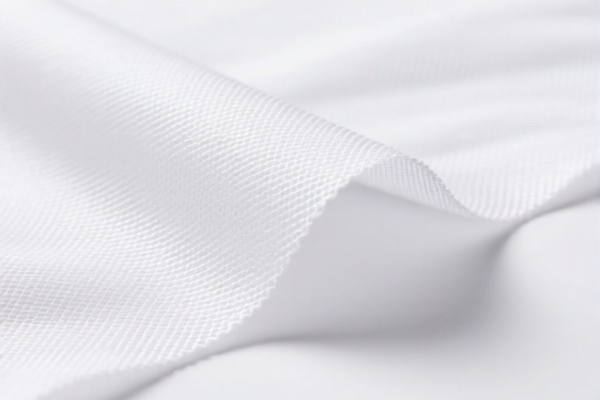
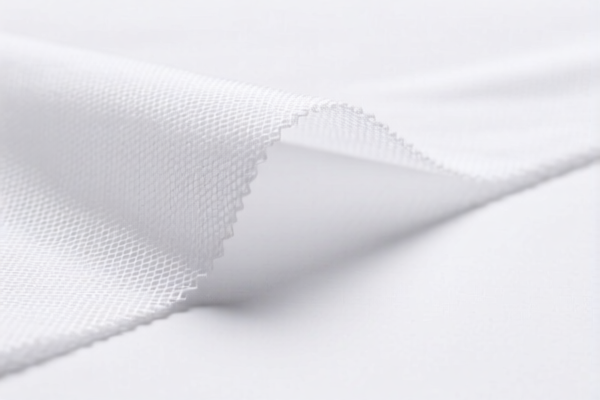
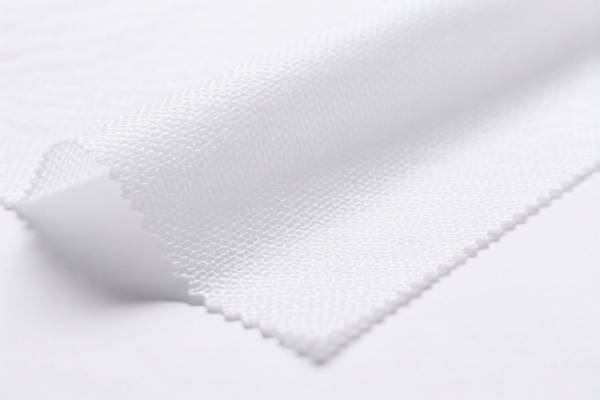
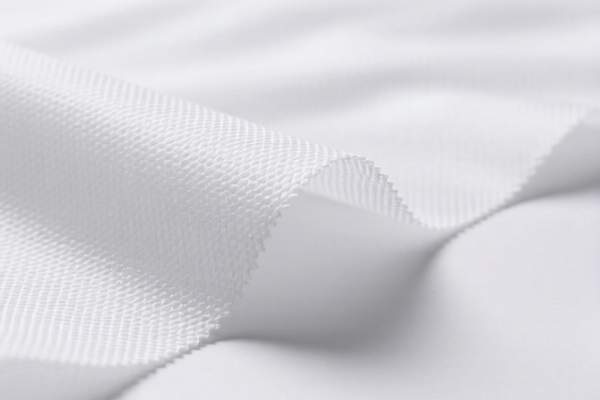
AI Analysis
🧶 Non Woven Fabric (Non-Woven Textiles)
🌐 HS Code Reference & Customs Clearance Guide | 2026 Latest Tariff Analysis | Professional-Level Strategy for U.S. Imports
📌 Part 1: Product Definition & Classification — Do You Really Understand "Non-Woven Fabric"?
Non-woven fabrics are textile materials made from fibers bonded together mechanically, thermally, or chemically, rather than woven or knitted. In international trade, they are broadly categorized by fiber type (natural vs. synthetic/long filament) and end-use (general textile vs. specific applications like towels or agriculture).
The key distinction in customs classification lies in: 1. Weight & Structure: Whether it is light-weight (Class I/II) or heavy-weight (Class III/IV). 2. Composition: Whether it consists of man-made filaments (long continuous fibers) or staple fibers (short fibers). 3. Specific Use: Whether it is explicitly designated for towels or agricultural purposes, which may shift it from general non-woven categories to specific article-based categories (e.g., Chapter 63).
⚠️ Critical Classification Logic:
- If the fabric is light-weight (≤ 70g/m²) and made of man-made filaments, it often falls under 5603.
- If the fabric is processed specifically into towels (even if non-woven), it may be classified under 6307 (Made-up articles), which carries different tariff implications.
- Agricultural use non-wovens have specific sub-codes that differ from general industrial non-wovens.
📦 Part 2: HS Code Classification Details (2026 Latest Harmonized Tariff Schedule Alignment)
Based on the provided data, here are the four specific HS Codes applicable to different forms and uses of non-woven fabrics/towels:
| HS Code | Product Description | Application Scenario | Key Classification Criteria |
|---|---|---|---|
5603.12.00.70 |
Non-woven fabric for towels or agricultural use | Agricultural sheets, disposable towels, light-weight non-wovens | ✅ Man-made filaments, ≤70g/m² (implied by 5603.12), specific use code |
6307.90.68.00 |
Non-woven towels (disposable/consumable) | Wet wipes, disposable medical towels, cleaning cloths | ✅ Made-up article, synthetic fiber, single-use/consumable nature |
5603.11.00.70 |
Non-woven fabric for towels or agricultural use | Similar to .12 but potentially lighter (≤40g/m²) or different fiber preparation | ✅ Man-made filaments, specific use code, ready-to-use non-woven product |
6307.90.98.84 |
Non-woven towels (man-made fiber) | General purpose non-woven towels, not strictly disposable/consumable in the same category | ✅ Man-made fiber, classified as a towel article, general non-woven towel |
🔍 Key Distinction:
- Chapter 56 (5603) covers raw/semi-finished non-woven fabrics (rolls, sheets) intended for further manufacturing or specific heavy-use applications.
- Chapter 63 (6307) covers made-up articles, meaning the fabric has been cut, sewn, or processed into a final product like a towel.
- Agricultural vs. General Use: Codes ending in.70often indicate specific use codes (like agriculture or specific towel types) within the non-woven fabric chapter.
💰 Part 3: 2026 Latest Tariff Rate Breakdown (Including Additional Duties & Policy Surcharges)
✅ Applicable Country: United States (US)
✅ Origin: China (CN)
✅ Effective Date: Post-2025 policies (including Section 301 and IEEPA surcharges)
🎯 1. 5603.12.00.70 & 5603.11.00.70 — Non-Woven Fabrics (Man-Made Filaments)
| Item | Content |
|---|---|
| Base Tariff | 0% (Most likely for non-wovens under 5603) |
| Section 301 Surcharge | +25% (USITC Footnote 9903.88.01 / 301 Tariffs) |
| IEEPA Surcharge | +10% (Against China/HK products, effective from Nov 10, 2025) |
| Total Tariff Rate | 35.0% |
| Tax Calculation | CIF Value × 35% |
| De Minimis Exemption | ❌ Not Eligible (denied_de_minimis) |
| Legal Basis Path | IEEPA:9903.01.25 → USITC:5603.11/12.00.70 → FOOTNOTE:301_Section |
📌 Explanation:
- These codes fall under Chapter 56 (Non-wovens).
- The 25% Section 301 tariff applies to most non-woven fabrics from China.
- The 10% IEEPA tariff is an additional surcharge on Chinese goods.
- Total: 35%. This is a high-cost category for raw/semi-finished non-wovens.
🎯 2. 6307.90.68.00 — Non-Woven Towels (Disposable/Consumable)
| Item | Content |
|---|---|
| Base Tariff | 0% |
| Section 301 Surcharge | +7.5% (Reduced rate for certain textile articles under 6307) |
| IEEPA Surcharge | +10% (Against China/HK products) |
| Total Tariff Rate | 17.5% |
| Tax Calculation | CIF Value × 17.5% |
| De Minimis Exemption | ❌ Not Eligible |
| Legal Basis Path | IEEPA:9903.01.24 → USITC:6307.90.68.00 → FOOTNOTE:301_Tex_Articles |
📌 Note:
- Classification under Chapter 63 (Made-up articles) can sometimes result in lower Section 301 rates (7.5% vs. 25%) depending on the specific subheading.
- However, the 10% IEEPA still applies.
- Total: 17.5%. This is significantly cheaper than Chapter 56 classifications.
🎯 3. 6307.90.98.84 — Non-Woven Towels (Man-Made Fiber)
| Item | Content |
|---|---|
| Base Tariff | 7.0% (Standard MFN rate for non-woven towels) |
| Section 301 Surcharge | +7.5% |
| IEEPA Surcharge | +10% |
| Total Tariff Rate | 24.5% |
| Tax Calculation | CIF Value × 24.5% |
| De Minimis Exemption | ❌ Not Eligible |
| Legal Basis Path | IEEPA:9903.01.24 → USITC:6307.90.98.84 |
📌 Warning:
- Unlike6307.90.68.00, this code has a base tariff of 7%.
- The Section 301 surcharge is 7.5%.
- Total: 24.5%. This is more expensive than the disposable towel code (6307.90.68.00) due to the base rate.
🛠️ Part 4: Customs Clearance Practical Advice (Battle-Tested Pitfall Avoidance)
✅ 1. Required Documentation Checklist (Non-Negotiable)
| Document | Required? | Purpose |
|---|---|---|
| ✅ Product Specification Sheet | ✔️ | Must detail: Fiber type (polypropylene, polyester, etc.), GSM (weight per square meter), width, and use (agricultural vs. towel). |
| ✅ HS Code Justification Memo | ✔️ | Explain why it’s 5603 (fabric) vs. 6307 (made-up towel). Include photos of the product in roll form vs. cut towels. |
| ✅ Commercial Invoice | ✔️ | Clearly state "Non-Woven Fabric" or "Non-Woven Towels" and specify origin: "Made in China". |
| ✅ Packing List | ✔️ | Specify if goods are in rolls (Chapter 56) or cut/folded (Chapter 63). |
| ✅ Third-Party Lab Report | ✔️ | Test report confirming fiber composition (man-made filament vs. staple) and weight (GSM). Crucial for distinguishing 5603.11 vs 5603.12. |
| ✅ IEEPA/301 Compliance Declaration | ✔️ | Acknowledge Chinese origin to avoid penalties for misdeclaration. |
✅ 2. Declaration Strategy (Key Mnemonics)
🔥 "Fiber Weight Defines Chapter 56; End-Use Defines Chapter 63!"
| Scenario | Correct HS Code | Incorrect Code | Consequence |
|---|---|---|---|
| Light-weight PP non-woven rolls (≤70g/m²) for agriculture | 5603.12.00.70 |
6307.90.68.00 |
Overpayment: 35% vs. 17.5% → Loss of 17.5% margin! |
| Disposable wet wipes/non-woven towels | 6307.90.68.00 |
5603.12.00.70 |
Underpayment risk + penalty if declared as fabric; but correct declaration saves money. |
| Non-woven towels made of man-made fiber (not disposable) | 6307.90.98.84 |
5603.11.00.70 |
Overpayment: 24.5% vs. 35% (if misclassified as fabric) or underpayment if base rate is missed. |
| Agricultural non-woven fabric (rolls) | 5603.11/12.00.70 |
6307.90.98.84 |
35% vs. 24.5% – Misclassification leads to high duties. |
✅ 3. Special Cases Handling
| Situation | Recommendation |
|---|---|
| Blended Fibers | If non-woven contains both natural and synthetic fibers, classify based on the dominant fiber. Synthetic usually pushes it to 5603 or 6307 with higher tariffs. |
| Printed Non-Wovens | If printed for decorative use, it may still be 6307.90.98.84. If printed for industrial use, stick to 5603. |
| Rolls vs. Cut Pieces | Rolls → Chapter 56. Cut to size/folded → Chapter 63. This is the #1 classification error. |
| Agricultural Use | Must provide a letter of usage from the buyer confirming agricultural application to qualify for .70 subcodes. |
🌍 Part 5: Global Market Comparison (2026)
| Country/Region | Recommended HS Code | Total Tariff (China Origin) | Key Certification | Note |
|---|---|---|---|---|
| 🇺🇸 USA | 5603.12.00.70 |
35% | None specific | High due to 301+IEEPA |
| 🇺🇸 USA | 6307.90.68.00 |
17.5% | None specific | Best option for disposables |
| 🇪🇺 EU | 5603.12 |
~6.5% | REACH, OEKO-TEX | No Section 301 |
| 🇨🇳 China | 5603.12 |
~5-8% | None | Import duty low |
| 🇬🇧 UK | 5603.12 |
~6% | UKCA | Post-Brexit rules |
📌 Conclusion:
- The US is the most expensive market for Chinese non-wovens due to Section 301 and IEEPA.
- Chapter 63 (Towels) offers a tariff advantage (17.5%) over Chapter 56 (Fabrics, 35%) for disposable items.
- Strategic Advice: If your product can be classified as a "made-up article" (towel/wipe) rather than just "fabric," always pursue6307.90.68.00to save 17.5% in duties.
📌 Part 6: Common Errors & Pitfalls (Lessons Learned)
❌ Error 1: Declaring cut non-woven towels as "Non-Woven Fabric Rolls"
👉 Result: Misclassification. Customs may reclassify to 5603.12.00.70 → 35% duty.
💡 Fix: Always declare as "Non-Woven Towel" or "Disposable Wipe" if cut/folded.
❌ Error 2: Ignoring fiber weight (GSM)
👉 Result: Confusion between 5603.11 (≤40g/m²) and 5603.12 (>40g/m²). Both are 35%, but incorrect declaration leads to audit delays.
💡 Fix: Provide lab test results for GSM and fiber type.
❌ Error 3: Failing to declare Chinese Origin
👉 Result: If origin is hidden, IEEPA 10% surcharge is missed. If discovered later → penalties + back taxes.
💡 Fix: Always mark "Made in China" on invoice and product.
❌ Error 4: Assuming all non-wovens are "Textiles"
👉 Result: If used for filtration or medical, it might fall under different chapters (e.g., 9018, 3824).
💡 Fix: Check end-use carefully. Agricultural and towel uses are the most common for these HS codes.
✅ Correct Declaration Example:
"Non-Woven Disposable Towels, Made of Polypropylene Man-Made Filaments, Cut and Folded, For Consumer Use, HS Code 6307.90.68.00, Origin: China"
🎯 Part 7: Conclusion — Precision Saves Money!
🎯 Key Takeaways:
🔹 "Rolls = Chapter 56 (35%); Cut Towels = Chapter 63 (17.5% or 24.5%)."
🔹 "GSM and Fiber Type Determine 5603 Subcodes."
🔹 "IEEPA 10% is Mandatory for Chinese Goods in 2026."
📌 Pro Tip:
If your non-woven fabric is exported to the US, consider reshaping it into a "made-up article" (e.g., cut towels, wipes) if possible, to qualify for 6307.90.68.00 and save 17.5% in duties. For raw fabrics, budget for 35% total duty.
📣 Immediate Action:
📞 Contact your customs broker with GSM reports and product photos.
🚀 Apply for an Advance Ruling if your product is on the border between5603and6307.
💼 Optimize your supply chain – Every 1% of duty saved is pure profit!
✨ Professional Clearance Starts with Accurate Classification!
💼 Your Bottom Line Depends on the Right HS Code!
Customer Reviews
About HS Code Classification
The Harmonized System (HS) is an internationally standardized nomenclature developed by the World Customs Organization (WCO) to classify traded products. Over 200 countries use the HS system as the basis for customs tariffs, trade statistics, and import/export regulations.
Each HS code follows a hierarchical structure:
- Chapter (2 digits) — Broad category of goods (e.g., Chapter 84: Machinery and Mechanical Appliances)
- Heading (4 digits) — More specific grouping within the chapter
- Subheading (6 digits) — Internationally standardized breakdown, used by all WCO member countries
- National subdivisions (8-10 digits) — Country-specific extensions for further classification, such as US HTSUS 10-digit codes
Correct HS code classification is essential for smooth customs clearance, accurate duty payment, and compliance with trade regulations. Misclassification can lead to customs delays, overpayment of duties, or penalties.
When importing from CN to US, the applicable tariff rates may include:
- Most-Favored-Nation (MFN) rate — The standard duty rate applied to WTO members
- General rate — Applied to countries without trade agreements
- Trade remedy duties — Additional tariffs such as Section 301 (anti-dumping), Section 232 (national security), or countervailing duties
The information provided on this page is for reference purposes only. For official classification, please consult with your local customs authority or a licensed customs broker.