Non woven Fabric Kit
CN → US| HS Code | Tariff Rate | Origin | Destination | Doc |
|---|---|---|---|---|
| 6307909891 | 24.5% | CN | US | Official Doc |
| 6115999000 | 27.4% | CN | US | Official Doc |
| 6115298040 | 26.0% | CN | US | Official Doc |
| 6307906090 | 17.5% | CN | US | Official Doc |
Product Images
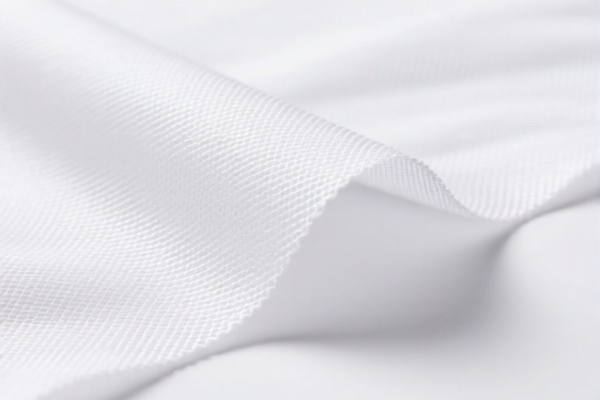
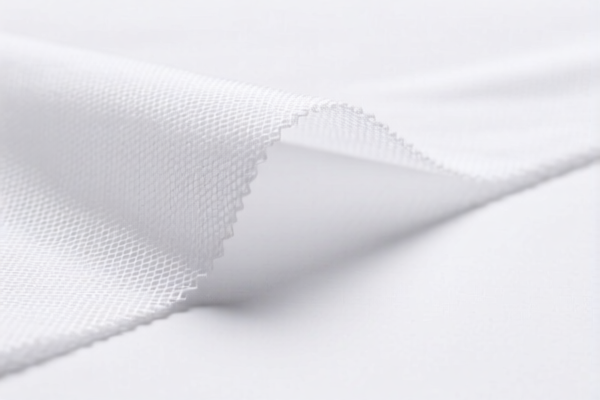
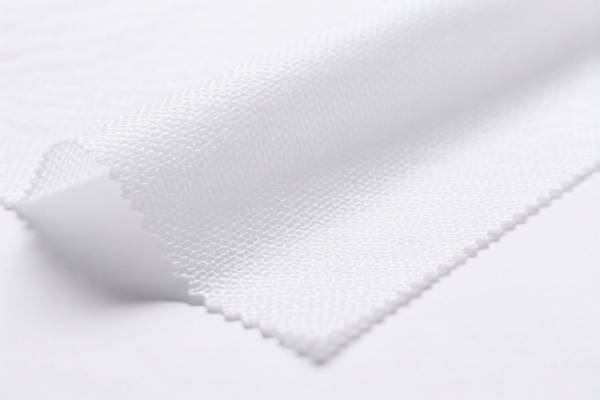
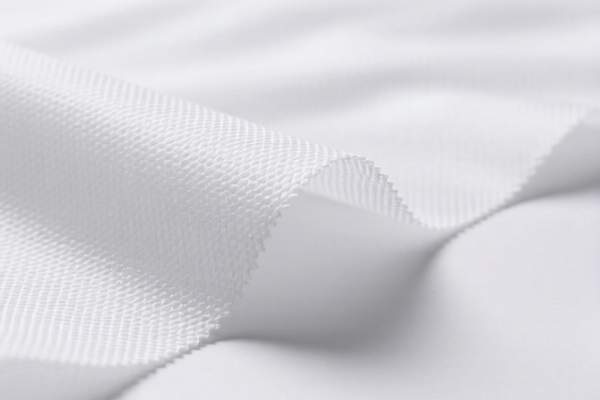
AI Analysis
👟 Non-Woven Fabric Kit (Protective Shoe Covers & Similar Apparel Accessories)
🌐 HS Code Reference & Customs Clearance Guide | 2026 Latest Tariff Analysis | Professional Entry Strategy
📌 I. Product Definition & Classification: What Exactly is a "Non-Woven Fabric Kit"?
A Non-Woven Fabric Kit typically refers to disposable protective gear, most commonly non-woven shoe covers, isolation gowns, or cap/shoe combinations used in hospitals, cleanrooms, construction sites, and food processing plants.
In international trade, the classification depends heavily on the construction method (knitted vs. non-knitted) and the specific nature of the item (footwear accessory vs. general textile article).
⚠️ Key Distinction Point:
- If the item is simply a bag-like covering slipped over shoes, it is often classified as a "part of footwear" or a "general textile article."
- If it involves knitted or crocheted structures, it falls under Chapter 61.
- If it is non-woven (bonded fibers) and not specifically shaped as footwear, it often falls under Chapter 63.
- Critical Risk: Most of these items currently face significant additional tariffs (Section 301 + Section 122) if originating from China and imported into the US.
📦 II. HS Code Classification Details (2026 Latest Tariff Authority)
Based on the provided data, here are the four primary HS Codes for "Non-woven Shoe Covers/Kit" and their logical derivations:
| HS Code | Product Description | Logic for Classification | Total Tax Rate |
|---|---|---|---|
6307.90.98.91 |
Non-woven shoe covers, classified as other made-up textile articles | Considered a general textile product not specifically described elsewhere (e.g., not strict "footwear"). | 24.5% |
6115.99.90.00 |
Non-woven shoe covers, classified as knitted/crocheted footwear/accessories | Assumes the non-woven material is treated structurally similar to knitted items or falls under broad "footwear" categories for accessories. | 27.4% |
6115.29.80.40 |
Non-woven shoe covers, classified as other textile material footwear accessories (Non-cotton, non-wool) | Specific sub-category for non-cotton/wool textile accessories for footwear. | 26.0% |
6307.90.60.90 |
Non-woven shoe covers, classified as non-woven made-up articles | Direct classification under "Other made-up articles, of non-woven fabrics." | 17.5% |
🔍 重点提醒 (Key Insight):
-6307.90.60.90offers the lowest total tax rate (17.5%) because the base tariff is 0%.
-6115.29.80.40has a high base tariff (16.0%) due to restrictions on non-cotton/wool materials, despite having no "additional" tariff (0% Section 301 equivalent, though Section 122 applies).
-6307.90.98.91and6115.99.90.00have moderate base tariffs but trigger all additional taxes.
💰 III. 2026 Latest Tariff Rate Breakdown (Including Surtaxes & Policy Add-ons)
✅ Applicable Country: United States (US)
✅ Origin: China (CN)
✅ Effective Time: Current rates applicable for imports from China.
🎯 1. 6307.90.60.90 —— Non-woven Made-up Articles (Best Value?)
| Item | Content |
|---|---|
| Base Tariff | 0.0% (Ad Valorem) |
| Section 301 Surtax | +7.5% (Typical Section 301 rate for many textile articles) |
| Section 122 Tariff | +10% (Specific to certain protective items/textiles under recent executive actions) |
| Total Tax Rate | 17.5% |
| Calculation | CIF Value × 17.5% |
| De Minimis Eligibility | ❌ No (High risk of scrutiny) |
| Legal Basis | USITC:6307.90.60.90 → Section 122 Authority → Section 301 Footnote |
📌 Explanation:
- This code has zero base duty, which is rare for textiles.
- The total cost is driven entirely by surtaxes.
- Advantage: Lower total burden compared to codes with high base rates.
🎯 2. 6307.90.98.91 —— Other Made-up Textile Articles
| Item | Content |
|---|---|
| Base Tariff | 7.0% |
| Section 301 Surtax | +7.5% |
| Section 122 Tariff | +10% |
| Total Tax Rate | 24.5% |
| Calculation | CIF Value × 24.5% |
| De Minimis Eligibility | ❌ No |
| Legal Basis | USITC:6307.90.98.91 → Section 301 → Section 122 |
📌 Explanation:
- Classified as a "general" made-up article.
- Higher base duty (7%) than6307.90.60.90.
- Disadvantage: More expensive than code #1.
🎯 3. 6115.99.90.00 —— Knitted/Crocheted Footwear Accessories
| Item | Content |
|---|---|
| Base Tariff | 9.9% |
| Section 301 Surtax | +7.5% |
| Section 122 Tariff | +10% |
| Total Tax Rate | 27.4% |
| Calculation | CIF Value × 27.4% |
| De Minimis Eligibility | ❌ No |
| Legal Basis | USITC:6115.99.90.00 → Section 301 → Section 122 |
📌 Explanation:
- If customs views the non-woven material as structurally akin to knitted goods (rare but possible for certain bonded fabrics), this applies.
- High Risk: High base duty (9.9%) makes this the most expensive option among the first three.
🎯 4. 6115.29.80.40 —— Non-Cotton/Wool Textile Footwear Accessories
| Item | Content |
|---|---|
| Base Tariff | 16.0% |
| Section 301 Surtax | +0.0% (Note: Some sub-categories are exempt from specific 301 lists, but check latest updates) |
| Section 122 Tariff | +10% |
| Total Tax Rate | 26.0% |
| Calculation | CIF Value × 26.0% |
| De Minimis Eligibility | ❌ No |
| Legal Basis | USITC:6115.29.80.40 → Section 122 |
📌 Explanation:
- This code is unique because it has a very high base tariff (16%) but no Section 301 surtax (0%).
- However, the Section 122 tariff (10%) still applies.
- Comparison: Still more expensive than6307.90.60.90(17.5% total).
🛠️ IV. Customs Clearance Practical Advice (Avoiding Pitfalls)
✅ 1. Documentation Checklist (Must-Have)
| Document | Required? | Notes |
|---|---|---|
| ✅ Product Specification Sheet | ✔️ | Must clearly state "Non-Woven," "Polypropylene (PP)," "Disposable." |
| ✅ Composition Analysis | ✔️ | Confirm fiber content (e.g., 100% PP). |
| ✅ Photos (Flat & Worn) | ✔️ | Show how it fits over shoes. Do not show it as a "boot." |
| ✅ Commercial Invoice | ✔️ | Use precise description: "Disposable Non-Woven Shoe Covers, PP Material" |
| ✅ Certificate of Origin | ✔️ | Critical for verifying origin to apply correct surtaxes. |
| ✅ HS Code Pre-Ruling | ✔️ | Highly Recommended given the high variance in rates (17.5% vs 27.4%). |
✅ 2. Classification Strategy (Key Maneuvers)
🔥 "Low Base, High Surtax vs. High Base, Low Surtax"
| Scenario | Recommended HS Code | Reason |
|---|---|---|
| General Disposable Shoe Covers | 6307.90.60.90 |
Best Option. 0% Base Duty + 17.5% Total. Avoids high base rates. |
| Packaged Kits with Multiple Items | 6307.90.98.91 |
If it includes masks/gloves, general made-up article may be safer. |
| Knitted-Like Non-Woven | 6115.99.90.00 |
Only if fabric is explicitly knitted or bonded to mimic knitting. |
| Specific Footwear Accessory | 6115.29.80.40 |
If labeled strictly as a "footwear part" and non-cotton/wool. |
✅ 3. Critical Warnings
- Section 122 Tariff: Applies to many Chinese textiles. Ensure your broker is aware of the 10% addition regardless of the HS Code.
- No De Minimis: Do not use 80/86 or small parcel exemptions. These items are likely flagged for higher scrutiny.
- Origin Labeling: Ensure each package has "Made in China" clearly marked. Mislabeling leads to severe penalties.
🌍 V. Global Market Comparison (2026 Context)
| Country | Recommended HS Code | Est. Total Duty | Notes |
|---|---|---|---|
| 🇺🇸 USA | 6307.90.60.90 |
17.5% | Best rate due to 0% base. Watch for Section 122. |
| 🇪🇺 EU | 6307.90.98 |
~7-12% | No Section 301/122. Standard MFN rates apply. |
| 🇨🇳 China (Export) | N/A | 0% | Export duties usually 0% for non-woven goods. |
📌 Conclusion:
- US Market: Use6307.90.60.90to minimize costs.
- EU Market: Standard rates apply, no punitive surtaxes.
📌 VI. Common Errors & Pitfalls (Lessons Learned)
❌ Error 1: Classifying as 6402 (Footwear)
👉 Result: Shoe covers are not "footwear" but "accessories" or "articles." Misclassification leads to audits.
❌ Error 2: Ignoring Section 122
👉 Result: Underpayment of 10%. CBP will assess back duties + interest.
❌ Error 3: Using 6115 for Non-Knitted Items
👉 Result: If the fabric is clearly non-woven (bonded, not knitted), 6115 is incorrect. Use 6307.
❌ Error 4: Vague Description "Textile Kit"
👉 Result: Customs cannot determine the correct base duty. Leads to detention and storage fees.
✅ Correct Practice:
"Disposable Non-Woven Polypropylene Shoe Covers, Not Knitted, for Medical/Cleaning Use, 100pcs/Box, Made in China"
🎯 VII. Conclusion: Optimize for 0% Base Duty!
🎯 Remember the Golden Rule:
🔹 "0% Base Duty + Surtaxes < High Base Duty + Surtaxes"
🔹6307.90.60.90is your safest, cheapest route for non-woven shoe covers into the US.
📌 Pro Tip:
- Apply for an Advance Ruling from CBP for 6307.90.60.90 before bulk shipment.
- Verify with your freight forwarder if Section 122 exemptions have changed (policy updates are frequent).
📣 Immediate Action:
📞 Contact your customs broker today.
📝 Provide exact product photos and material spec.
🚀 Secure the 17.5% rate and avoid the 27.4% trap!
✨ Precision Classification Saves Money!
💼 Don't let tariff complexity cost your margin!
Customer Reviews
About HS Code Classification
The Harmonized System (HS) is an internationally standardized nomenclature developed by the World Customs Organization (WCO) to classify traded products. Over 200 countries use the HS system as the basis for customs tariffs, trade statistics, and import/export regulations.
Each HS code follows a hierarchical structure:
- Chapter (2 digits) — Broad category of goods (e.g., Chapter 84: Machinery and Mechanical Appliances)
- Heading (4 digits) — More specific grouping within the chapter
- Subheading (6 digits) — Internationally standardized breakdown, used by all WCO member countries
- National subdivisions (8-10 digits) — Country-specific extensions for further classification, such as US HTSUS 10-digit codes
Correct HS code classification is essential for smooth customs clearance, accurate duty payment, and compliance with trade regulations. Misclassification can lead to customs delays, overpayment of duties, or penalties.
When importing from CN to US, the applicable tariff rates may include:
- Most-Favored-Nation (MFN) rate — The standard duty rate applied to WTO members
- General rate — Applied to countries without trade agreements
- Trade remedy duties — Additional tariffs such as Section 301 (anti-dumping), Section 232 (national security), or countervailing duties
The information provided on this page is for reference purposes only. For official classification, please consult with your local customs authority or a licensed customs broker.