Non woven Thickened Shoe Covers
CN → US| HS Code | Tariff Rate | Origin | Destination | Doc |
|---|---|---|---|---|
| 6307906090 | 17.5% | CN | US | Official Doc |
| 3926909989 | 22.8% | CN | US | Official Doc |
| 6307909891 | 24.5% | CN | US | Official Doc |
| 6115999000 | 27.4% | CN | US | Official Doc |
| 6115298040 | 26.0% | CN | US | Official Doc |
Product Images
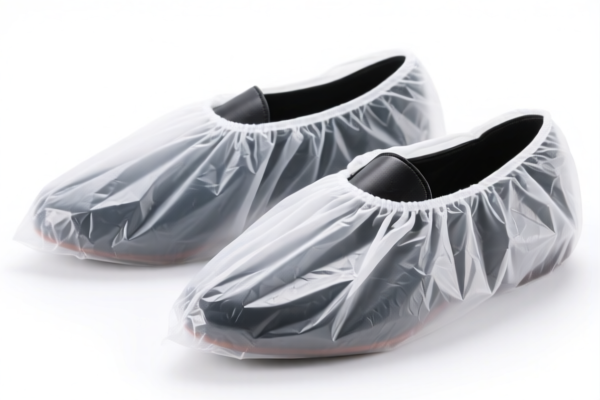
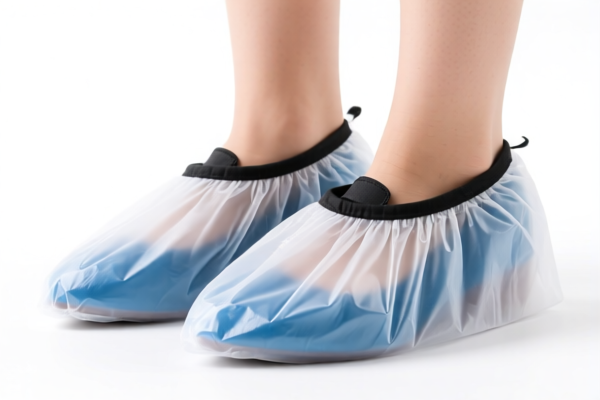
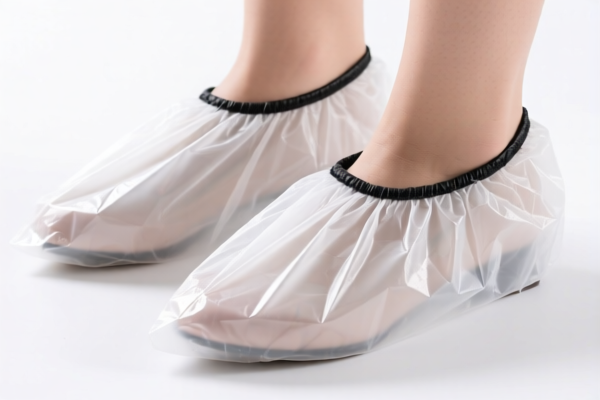
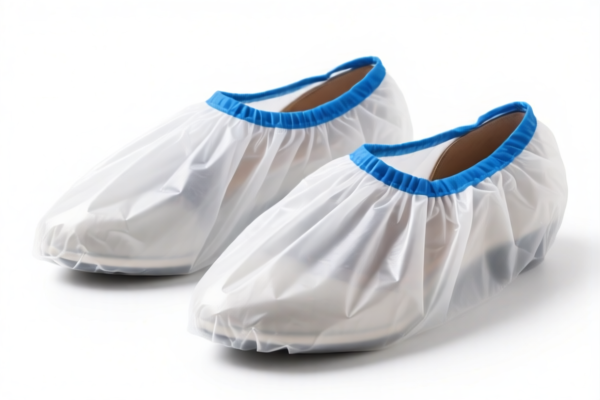
AI Analysis
🥿 Non-Woven Thickened Shoe Covers (Protective Footwear Covers)
🌐 HS Code Reference & Customs Clearance Guide | 2026 Latest Tariff Analysis | Professional Clearance Strategy
📌 I. Product Definition & Classification: Do You Really Understand "Shoe Covers"?
Non-woven thickened shoe covers are disposable protective gear made primarily from non-woven fabric (polypropylene or similar synthetic fibers). They are used in hospitals, cleanrooms, food processing, and construction sites to prevent cross-contamination and protect footwear.
In international trade, their classification depends heavily on material composition and functional description. There is a significant risk of misclassification between "Textile Articles," "Plastic Articles," and "Footwear Accessories."
⚠️ Key Distinction Points:
- Pure Non-Woven (PP): Often classified under 6307 (Other made-up articles) if considered generic textile products.
- Plastic Fiber Composition: If viewed as plastic products, falls under 3926 (Other plastic articles).
- Knitted/Textile Footwear: If deemed "footwear" or "footwear accessories," falls under 6115 (Hosiery/Footwear accessories).
📦 II. HS Code Classification Details (2026 Latest Tariff Authority Comparison)
| HS Code | Product Description | Application Scenario | Material Basis |
|---|---|---|---|
6307.90.60.90 |
Other made-up textile articles; non-woven shoe covers, classified as other finished products | General cleaning, hospital visits, light protection | Non-woven fabric (Textile nature) |
3926.90.99.89 |
Other articles of plastics and articles of other materials of heading 39.00 to 39.14; non-woven shoe covers classified as plastic products | Industrial sites, chemical labs, heavy-duty use | Plastic fibers (Synthetic polymer nature) |
6307.90.98.91 |
Other made-up textile articles; non-woven shoe covers, classified as other textile finished products | Medical facilities, food industry, hygiene-critical zones | Textile materials (Woven/Non-woven textile) |
6115.99.90.00 |
Other fitted hosiery; non-woven shoe covers, classified as knitted or crocheted footwear without soles | Healthcare, cleanrooms, disposable hygiene products | Textile materials (Knitted structure) |
6115.29.80.40 |
Other women's or girls' knee-length stockings; non-woven shoe covers classified as footwear-related accessories | Retail, consumer use, branded protective gear | Non-cotton/non-wool textile materials |
🔍 Key Reminder:
-6307vs3926: If the product is marketed as a "textile article" but composed of synthetic plastic fibers, customs may reclassify it to3926.
-6115Risk: If the product is structured like a "stocking" or "bootie," it may be classified as footwear/hosiery, which often carries higher base tariffs.
- Material Declaration is Critical: You must clearly state whether the primary material is "Non-woven PP" (Textile) or "Plastic Film/Sheet" to avoid disputes.
💰 III. 2026 Latest Tariff Rate Details (Including Additional Taxes & Policy Add-ons)
✅ Applicable Country: United States (US)
✅ Origin: China (CN)
✅ Effective Date: 2025 onwards (including subsequent imports)
🎯 1. 6307.90.60.90 —— Non-woven Shoe Covers (Other Made-up Articles)
| Item | Content |
|---|---|
| Base Tariff | 0.0% |
| Section 301 Additional Tax | +7.5% |
| 122 Clause Tax | +10.0% |
| Total Tax Rate | 17.5% |
| Tax Calculation | CIF Value × 17.5% |
| De Minimis Eligibility | ❌ No (Subject to scrutiny if value is low but high volume) |
| Legal Basis Path | USITC:6307.90.60.90 → 301:7.5% → 122 Clause:10% |
📌 Explanation:
- This is the most favorable classification in terms of base tariff.
- The 7.5% Section 301 tax applies to most textile/plastic cross-category goods.
- The 10% "122 Clause" tax is a specific additional duty often applied to Chinese-origin consumer goods.
- Total 17.5% is the lowest among the provided options.
🎯 2. 3926.90.99.89 —— Non-woven Shoe Covers (Plastic Articles)
| Item | Content |
|---|---|
| Base Tariff | 5.3% |
| Section 301 Additional Tax | +7.5% |
| 122 Clause Tax | +10.0% |
| Total Tax Rate | 22.8% |
| Tax Calculation | CIF Value × 22.8% |
| De Minimis Eligibility | ❌ No |
| Legal Basis Path | USITC:3926.90.99.89 → 301:7.5% → 122 Clause:10% |
📌 Note:
- If customs determine the non-woven fabric is essentially a "plastic product" (due to polymer content), this code applies.
- The 5.3% base tariff significantly increases the total cost compared to6307.
🎯 3. 6307.90.98.91 —— Non-woven Shoe Covers (Other Textile Articles)
| Item | Content |
|---|---|
| Base Tariff | 7.0% |
| Section 301 Additional Tax | +7.5% |
| 122 Clause Tax | +10.0% |
| Total Tax Rate | 24.5% |
| Tax Calculation | CIF Value × 24.5% |
| De Minimis Eligibility | ❌ No |
| Legal Basis Path | USITC:6307.90.98.91 → 301:7.5% → 122 Clause:10% |
📌 Note:
- This code is for "other" textile articles not specifically listed elsewhere.
- Higher base tariff (7.0%) than6307.90.60.90makes this less optimal.
🎯 4. 6115.99.90.00 —— Non-woven Shoe Covers (Knitted Footwear)
| Item | Content |
|---|---|
| Base Tariff | 9.9% |
| Section 301 Additional Tax | +7.5% |
| 122 Clause Tax | +10.0% |
| Total Tax Rate | 27.4% |
| Tax Calculation | CIF Value × 27.4% |
| De Minimis Eligibility | ❌ No |
| Legal Basis Path | USITC:6115.99.90.00 → 301:7.5% → 122 Clause:10% |
📌 Warning:
- Classifying shoe covers as "footwear" (6115) triggers the highest base tariff in this list.
- Even though they are disposable, if the structure resembles socks/stockings, customs may enforce this code.
🎯 5. 6115.29.80.40 —— Non-woven Shoe Covers (Footwear Accessories)
| Item | Content |
|---|---|
| Base Tariff | 16.0% |
| Section 301 Additional Tax | 0.0% |
| 122 Clause Tax | +10.0% |
| Total Tax Rate | 26.0% |
| Tax Calculation | CIF Value × 26.0% |
| De Minimis Eligibility | ❌ No |
| Legal Basis Path | USITC:6115.29.80.40 → 301:0.0% → 122 Clause:10% |
📌 Note:
- While Section 301 tax is 0%, the 16.0% base tariff is very high.
- This might be used if the product is explicitly marketed as an "accessory" rather than a standalone product.
- Total 26.0% is still higher than the preferred6307.90.60.90(17.5%).
🛠️ IV. Customs Clearance Practical Advice (Avoiding Pitfalls)
✅ 1. Preparation Checklist (Mandatory)
| Document | Required | Description |
|---|---|---|
| ✅ Product Specification Sheet | ✔️ | Detail material (e.g., 100% Polypropylene Non-woven), GSM (weight), length, thickness. |
| ✅ Material Composition Statement | ✔️ | Explicitly state: "Non-woven fabric, not plastic film." |
| ✅ Product Photos (Clear) | ✔️ | Show side view, top view, and packaging. Label must be visible. |
| ✅ Commercial Invoice | ✔️ | Use precise description: "Non-woven Polypropylene Disposable Shoe Covers." Avoid vague terms like "Plastic Bags." |
| ✅ Packing List | ✔️ | Include units, weight, and carton dimensions. |
| ✅ Certificate of Origin (CO) | ✔️ | To prove CN origin and apply correct 301/122 duties. |
✅ 2. Declaration Tips (Key Mnemonic)
🔥 "Material First, Function Second, Code
6307Best, Avoid6115Costly!"
| Scenario | Correct Declaration | Wrong Practice |
|---|---|---|
| Standard Non-woven PP Covers | 6307.90.60.90 |
Declaring as "Plastic Bags" → 3926 (Higher base) |
| Thickened/Hydrophilic Coated | 6307.90.60.90 or 6307.90.98.91 |
Declaring as "Footwear" → 6115 (High base) |
| Packaged in Retail Boxes | 6307.90.60.90 |
Splitting packaging as separate item → Complex clearance |
| Bulk Industrial Pack | 6307.90.60.90 |
Using "Textile Waste" code → Illegal/Evasion |
✅ 3. Special Cases Handling
| Scenario | Handling Advice |
|---|---|
| OEM for US Brands | Ensure invoice matches brand’s expected HS Code. Pre-agree with broker on 6307.90.60.90. |
| Hybrid Materials (e.g., PE + Non-woven) | If >50% non-woven by weight, argue for 6307. If PE dominant, expect 3926. |
| Medical vs. Industrial Use | If marketed as "Medical Grade," ensure no false claims. Still classified by material, not just use. |
| High Volume De Minimis (800 USD) | ❌ Not eligible for Section 301/122 exemptions if clearly from China. Plan for full duty. |
🌍 V. Global Market Clearance Comparison (2026 Latest)
| Country/Region | Recommended HS Code | Base Tariff | Additional Taxes | Remarks |
|---|---|---|---|---|
| 🇺🇸 USA | 6307.90.60.90 |
0.0% | 17.5% Total | Lowest duty among options. |
| 🇨🇳 China | 6307.90.60.90 |
0.0% | 0% | No additional taxes. |
| 🇪🇺 EU | 6307.90.98 |
4.5% - 6.5% | 0% | Varies by member state. |
| 🇬🇧 UK | 6307.90.90 |
4.5% | 0% | Post-Brexit rules apply. |
| 🇦🇺 Australia | 6307.90.90 |
5.0% | 0% | GST applies separately. |
📌 Conclusion:
- USA is the most tariff-sensitive market for this product.
-6307.90.60.90is the optimal code for US imports, saving ~5-10% vs. alternative codes.
- Avoid6115codes unless product structure is indistinguishable from stockings.
📌 VI. Common Errors & Pitfall Guide (Lessons Learned)
❌ Error 1: Declaring "Non-woven Shoe Covers" as "Plastic Bags" (3923.20)
👉 Consequence: Customs may reject or reclassify to 3926 (22.8%) or impose penalties for misdeclaration.
❌ Error 2: Using "Textile Shoes" or "Slippers" in description for 6115
👉 Consequence: Triggers 9.9%-16.0% base tariffs. Unnecessary cost increase.
❌ Error 3: Failing to specify "Non-woven" vs. "Woven"
👉 Consequence: Customs may apply higher duty rates for "Woven Fabrics" if not clarified.
❌ Error 4: Ignoring "122 Clause" implications
👉 Consequence: Underestimating total landed cost by 10%. Budget must include this.
✅ Correct Declaration Example:
"Disposable Non-Woven Polypropylene Shoe Covers, For Protective Use, Unbranded, 500pcs/Bale, HS Code: 6307.90.60.90"
🎯 VII. Conclusion: Professional Classification, Cost Optimization!
🎯 Remember the Mantra:
🔹 "Non-woven is Textile, Not Plastic.
6307is Best,6115is Rest. 17.5% is Target, Avoid Extra Charges!"
🔹 "HS Code Determines Tax, 5% Difference Means Big Impact. Declare Accurately, Save Millions!"
📌 Pro Tip:
If your non-woven covers are originating from Vietnam, Thailand, or Malaysia, they may be exempt from Section 301 and 122 Clause taxes, resulting in 0%~4.5% total duty.
Recommend Advance Ruling for large shipments to lock in the 6307.90.60.90 classification.
📣 Immediate Action:
📞 Contact a licensed customs broker + Provide material specs + Request HS Code pre-ruling.
🚀 Ensure your shoe covers clear smoothly, reduce costs, and boost competitiveness!
✨ Professional Clearance Starts with Accurate Classification!
💼 Every cent of duty paid is a cent you could have saved with the right code!
Customer Reviews
About HS Code Classification
The Harmonized System (HS) is an internationally standardized nomenclature developed by the World Customs Organization (WCO) to classify traded products. Over 200 countries use the HS system as the basis for customs tariffs, trade statistics, and import/export regulations.
Each HS code follows a hierarchical structure:
- Chapter (2 digits) — Broad category of goods (e.g., Chapter 84: Machinery and Mechanical Appliances)
- Heading (4 digits) — More specific grouping within the chapter
- Subheading (6 digits) — Internationally standardized breakdown, used by all WCO member countries
- National subdivisions (8-10 digits) — Country-specific extensions for further classification, such as US HTSUS 10-digit codes
Correct HS code classification is essential for smooth customs clearance, accurate duty payment, and compliance with trade regulations. Misclassification can lead to customs delays, overpayment of duties, or penalties.
When importing from CN to US, the applicable tariff rates may include:
- Most-Favored-Nation (MFN) rate — The standard duty rate applied to WTO members
- General rate — Applied to countries without trade agreements
- Trade remedy duties — Additional tariffs such as Section 301 (anti-dumping), Section 232 (national security), or countervailing duties
The information provided on this page is for reference purposes only. For official classification, please consult with your local customs authority or a licensed customs broker.