Non woven fabric of other textile materials
CN → US| HS Code | Tariff Rate | Origin | Destination | Doc |
|---|---|---|---|---|
| 5603110070 | 35.0% | CN | US | Official Doc |
| 5603110010 | 35.0% | CN | US | Official Doc |
| 6216009000 | 21.3% | CN | US | Official Doc |
| 6216008000 | 21.0% | CN | US | Official Doc |
| 6217108500 | 24.6% | CN | US | Official Doc |
Product Images
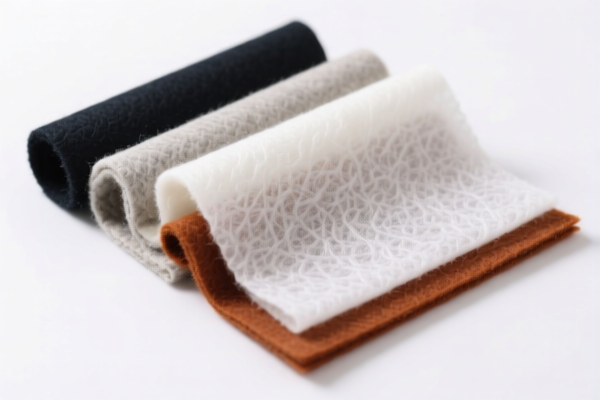
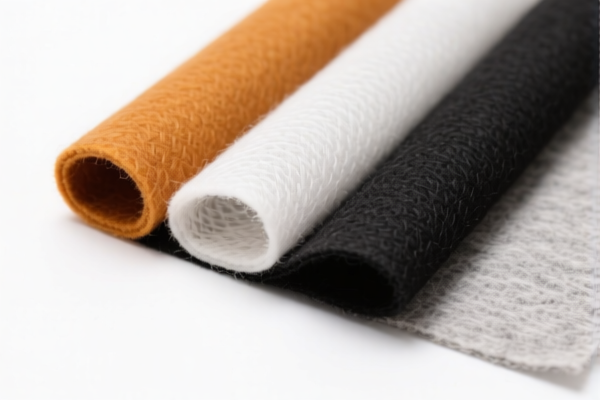
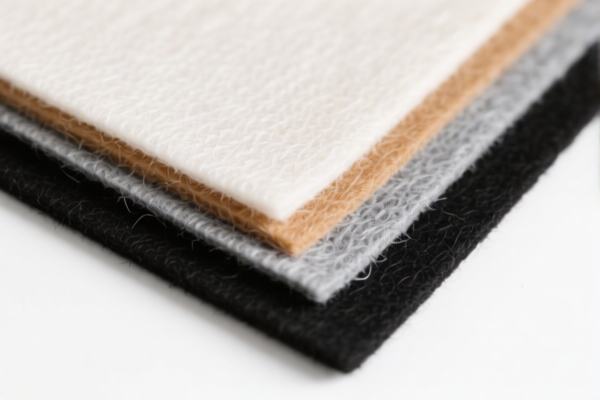
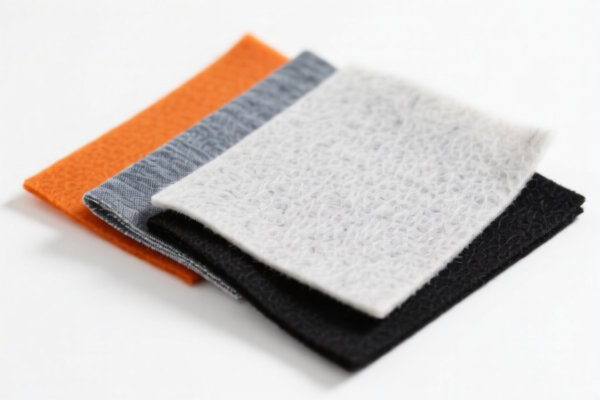
AI Analysis
🧵 Non-Woven Fabric of Other Textile Materials (Synthetic Filament)
🌐 HS Code Reference & Customs Clearance Guide | 2026 Latest Tariff Full Analysis | Professional Clearance Strategy
📌 Part 1: Product Definition & Classification: Do You Really Understand "Non-Woven Fabric"?
Non-woven fabrics are widely used in healthcare, hygiene, filtration, and packaging. In international trade, classification depends heavily on the fiber material (synthetic filament vs. staple fiber vs. natural fiber) and the state of the product (plain fabric vs. finished accessories).
Based on the provided data, we focus on Synthetic Filament Non-Woven Fabrics and Other Textile Material Apparel/Accessories.
⚠️ Key Distinction Points:
- If it is a plain non-woven sheet made of synthetic filaments → Classify under 5603.11
- If it is a finished garment or accessory made of other textile materials → Classify under Chapter 62
- Do not mix raw fabric (5603) with finished goods (6216/6217). This is the most common error leading to customs delays.
📦 Part 2: HS Code Classification Details (2026 Latest Tariff Authority Comparison)
| HS Code | Product Description | Application Scenario | Key Attribute |
|---|---|---|---|
5603.11.00.70 |
Non-woven fabrics of synthetic filaments, weight >300g/m² (or similar high-weight category per 122 Clause context) | Heavy-duty industrial wipes, geotextiles, protective covers | ✅ Synthetic Filament, Non-woven |
5603.11.00.10 |
Non-woven fabrics of synthetic filaments, weight ≤300g/m² (or standard category) | Medical gowns, hygiene liners, food packaging, lightweight filtration | ✅ Synthetic Filament, Non-woven |
6216.00.90.00 |
Apparel & clothing accessories of other textile materials, non-knitted/non-crocheted | Gloves, mittens, or other accessories made of non-woven or blended fabrics | ✅ Finished Accessory, Other Textile |
6216.00.80.00 |
Apparel & clothing accessories of wool/fine animal hair, non-knitted/non-crocheted | Woolen gloves, felt accessories | ✅ Wool/Animal Hair, Finished Accessory |
6217.10.85.00 |
Other made-up clothing accessories, of other textile materials | Collars, cuffs, belt loops, branded patches | ✅ Made-up Accessory, Not Main Garment |
🔍 Important Reminder:
- 5603 series refers to Raw/Processed Fabric. If you ship rolls of non-woven material, it belongs here.
- 6216/6217 series refers to Finished Accessories/Garments. If you ship ready-to-wear gloves or collars, it belongs here.
- Misclassifying finished gloves as "fabric" will result in tax calculation errors and customs inspection.
💰 Part 3: 2026 Latest Tariff Rate Detailed Explanation (Including Surtaxes & Policy Surcharges)
✅ Applicable Country: USA (US)
✅ Origin: China (CN)
✅ Effective Time: 2025 November 10 onwards (Including subsequent imports)
🎯 1. 5603.11.00.70 & 5603.11.00.10 —— Non-Woven Fabrics (Synthetic Filament)
| Item | Content |
|---|---|
| Basic Tariff Rate | 0.0% (Ad Valorem) |
| USITC Surtax (Section 301) | +25.0% |
| IEEPA Surtax (Section 122) | +10.0% |
| Total Tariff Rate | 35.0% |
| Tax Calculation | CIF Value × 35% |
| De Minimis Exemption | ❌ Not Applicable (deny_de_minimis) |
| Legal Basis Path | USITC:5603.11.00.xx → FOOTNOTE:9903.88.01 → IEEPA:9903.01.25 |
📌 Explanation:
- Although the Basic Tariff is 0%, the Section 301 Surtax (25%) and Section 122 IEEPA Surtax (10%) apply heavily.
- Total 35% is a high burden for synthetic non-woven fabrics.
- No De Minimis Exemption: Even small shipments (under $800) are not exempt from these duties.
🎯 2. 6216.00.90.00 —— Other Textile Material Accessories (Non-Knitted)
| Item | Content |
|---|---|
| Basic Tariff Rate | 3.8% |
| USITC Surtax (Section 301) | +7.5% |
| IEEPA Surtax (Section 122) | +10.0% |
| Total Tariff Rate | 21.3% |
| Tax Calculation | CIF Value × 21.3% |
| De Minimis Exemption | ❌ Not Applicable |
| Legal Basis Path | USITC:6216.00.90.00 → FOOTNOTE:9903.88.01 → IEEPA:9903.01.25 |
📌 Note:
- "Other textile materials" include blends, non-wovens, or other fibers (not cotton/wool/silk primarily).
- The base rate is higher than 5603, but the Section 301 surtax is lower (7.5% vs 25%).
- Total 21.3% is significantly cheaper than synthetic fabric.
🎯 3. 6216.00.80.00 —— Wool/Fine Animal Hair Accessories (Non-Knitted)
| Item | Content |
|---|---|
| Basic Tariff Rate | 3.5% |
| USITC Surtax (Section 301) | +7.5% |
| IEEPA Surtax (Section 122) | +10.0% |
| Total Tariff Rate | 21.0% |
| Tax Calculation | CIF Value × 21.0% |
| De Minimis Exemption | ❌ Not Applicable |
| Legal Basis Path | USITC:6216.00.80.00 → FOOTNOTE:9903.88.01 → IEEPA:9903.01.25 |
📌 Note:
- Applicable only if the material is Wool or Fine Animal Hair.
- If it is synthetic, do NOT use this code. Misclassification leads to penalties.
🎯 4. 6217.10.85.00 —— Other Made-Up Clothing Accessories
| Item | Content |
|---|---|
| Basic Tariff Rate | 14.6% |
| USITC Surtax (Section 301) | 0.0% |
| IEEPA Surtax (Section 122) | +10.0% |
| Total Tariff Rate | 24.6% |
| Tax Calculation | CIF Value × 24.6% |
| De Minimis Exemption | ❌ Not Applicable |
| Legal Basis Path | USITC:6217.10.85.00 → IEEPA:9903.01.25 |
📌 Critical Insight:
- Section 301 Surtax is 0% for this code!
- However, the Basic Tariff is high (14.6%), resulting in a Total 24.6%.
- This is still cheaper than5603(35%) but more expensive than6216(21.0%-21.3%).
- Suitable for collars, cuffs, and other made-up parts.
🛠️ Part 4: Customs Clearance Practical Advice (Battle-Tested Pitfall Guide)
✅ 1. Required Documentation Checklist (None Can Be Omitted)
| Document | Required | Explanation |
|---|---|---|
| ✅ Product Specification Sheet | ✔️ | Must specify: Material (Synthetic/Wool), Weight (gsm for fabric), Form (Roll vs. Finished) |
| ✅ Material Composition Label | ✔️ | For Chapter 62, must prove "Other Textile" vs. "Wool" vs. "Synthetic" |
| ✅ Product Photos (Clear) | ✔️ | Show full product, labels, and texture. For fabrics, show weave/non-woven structure. |
| ✅ Commercial Invoice | ✔️ | Clearly state: "Non-Woven Fabric" or "Textile Accessories", avoid generic "Textile Goods" |
| ✅ Packing List | ✔️ | Indicate gross/net weight, piece count. Ensure consistency with Invoice. |
| ✅ Third-Party Test Report | ✔️ | If claiming specific attributes (e.g., flame retardant), provide test results. |
✅ 2. Declaration Skills (Key Mantra)
🔥 "Fabric vs. Accessory, Check Material First. 301 Tax, Know the Rate!"
| Scenario | Correct Declaration | Wrong Practice |
|---|---|---|
| Rolls of Non-Woven | 5603.11.00.xx |
Misdeclare as "Gloves" → 21% rate (Incorrect, should be 35%) |
| Synthetic Gloves | 6216.00.90.00 |
Misdeclare as "Wool Gloves" → 21.0% (Incorrect, should be 21.3%) |
| Wool Gloves | 6216.00.80.00 |
Misdeclare as "Other Textile" → 21.3% (Slightly higher, but risk of fraud check) |
| Collars/Cuffs | 6217.10.85.00 |
Misdeclare as "Fabric" → 35% (Overpay tax!) |
📌 Strategy Tip:
- If you are producing Accessories (like gloves or collars), consider if 6217.10.85.00 (24.6%) or 6216.00.90.00 (21.3%) applies instead of raw fabric codes.
- Section 301 Surtax is 0% for 6217.10.85.00, making it a cost-effective option for accessories despite the higher base rate.
✅ 3. Special Cases Handling
| Case | Handling Advice |
|---|---|
| Mixed Material Non-Woven | If >50% synthetic filament, use 5603.11. If mixed with natural fibers, it may fall under "Other Textile Materials" in Chapter 62. Provide detailed blend ratio. |
| OEM Finished Goods | If you buy fabric and make gloves, declare as Finished Goods (6216). Do not declare as fabric. |
| Small Samples | Remember: No De Minimis Exemption for these codes. Even $50 samples are subject to 21-35% tax. Factor this into logistics costs. |
| Origin Marking | Must clearly mark "Made in China" on products/packaging to trigger correct IEEPA surtax. |
🌍 Part 5: Global Main Market Clearance Comparison (2026 Latest)
| Country/Region | Recommended HS Code | Tariff (China Origin) | Certification | Notes |
|---|---|---|---|---|
| 🇺🇸 USA | 5603.11.00.xx |
35.0% | None Specific | High Surtax (35%) |
| 🇺🇸 USA | 6216.00.90.00 |
21.3% | None Specific | Moderate Surtax |
| 🇺🇸 USA | 6217.10.85.00 |
24.6% | None Specific | No Section 301 Tax |
| 🇪🇺 EU | 5603.11 |
~6-8% | REACH | No Section 301/122 |
| 🇨🇳 China | 5603.11 |
~5-6% | GB Standard | Low Base Tariff |
📌 Conclusion:
- USA is the most expensive market due to Section 301 and 122 surtaxes.
- Optimization Strategy: If possible, shift from Raw Fabric (5603) to Finished Accessories (6216/6217) to reduce duty from 35% to ~21-25%.
- Value-Added Processing: Transforming fabric into accessories can save ~10-14% in total duties.
📌 Part 6: Common Errors & Pitfall Guide (Lessons from Blood and Tears)
❌ Error 1: Declaring Synthetic Non-Woven Fabric as "General Textile" without specifying HS Code
👉 Consequence: Customs assigns generic code → 35% Tax + Fine.
❌ Error 2: Confusing Fabric (5603) with Accessories (6216)
👉 Consequence: If you ship gloves, declaring as fabric is Incorrect Classification. Must use 6216.
❌ Error 3: Ignoring Section 122 IEEPA (10%)
👉 Consequence: Many forget the 10% additional tax. Total Tax is Base + 25% (301) + 10% (122).
❌ Error 4: Using "Non-Woven" for Wool Products
👉 Consequence: Wool should be 6216.00.80.00 (21.0%), not "Other Textile" (21.3%). Small difference, but accuracy matters for audit.
✅ Correct Practice:
"Synthetic Filament Non-Woven Fabric, 50gsm, White, Roll, For Medical Use"
OR
"Non-Knitted Synthetic Gloves, No Coating, for Industrial Use, 12 Pair/Box"
🎯 Part 7: Conclusion: Professional Declaration, Save Time & Money!
🎯 Remember the Mantra:
🔹 "Fabric 35%, Accessory 21%, Section 301 is Key!"
🔹 "De Minimis No Exemption, Plan Costs Clearly!"
📌 Tips:
- If your product is 100% Synthetic Filament Non-Woven, expect 35% Total Tax.
- If you can convert the product into Accessories (Gloves/Cuffs), try to classify under 6216 or 6217 to potentially lower the rate to 21-25%.
- Always provide Material Composition in the invoice.
📣 Immediate Action:
📞 Contact Professional Customs Broker + Provide Product Specs + Apply for HS Code Advance Ruling
🚀 Let your Non-Woven Products Clear Customs Smoothly, Efficiently, and Profitably!
✨ Professional Clearance Starts with Accurate Classification!
💼 Every Cent of Cost Deserves Precise Calculation!
Customer Reviews
About HS Code Classification
The Harmonized System (HS) is an internationally standardized nomenclature developed by the World Customs Organization (WCO) to classify traded products. Over 200 countries use the HS system as the basis for customs tariffs, trade statistics, and import/export regulations.
Each HS code follows a hierarchical structure:
- Chapter (2 digits) — Broad category of goods (e.g., Chapter 84: Machinery and Mechanical Appliances)
- Heading (4 digits) — More specific grouping within the chapter
- Subheading (6 digits) — Internationally standardized breakdown, used by all WCO member countries
- National subdivisions (8-10 digits) — Country-specific extensions for further classification, such as US HTSUS 10-digit codes
Correct HS code classification is essential for smooth customs clearance, accurate duty payment, and compliance with trade regulations. Misclassification can lead to customs delays, overpayment of duties, or penalties.
When importing from CN to US, the applicable tariff rates may include:
- Most-Favored-Nation (MFN) rate — The standard duty rate applied to WTO members
- General rate — Applied to countries without trade agreements
- Trade remedy duties — Additional tariffs such as Section 301 (anti-dumping), Section 232 (national security), or countervailing duties
The information provided on this page is for reference purposes only. For official classification, please consult with your local customs authority or a licensed customs broker.