Nonstick Crumpet Rings
CN → US| HS Code | Tariff Rate | Origin | Destination | Doc |
|---|---|---|---|---|
| 8516908050 | 85.0% | CN | US | Official Doc |
| 8516908010 | 10.0% | CN | US | Official Doc |
| 7323915020 | 15.3% | CN | US | Official Doc |
| 7615102025 | 63.1% | CN | US | Official Doc |
| 8516908050 | 85.0% | CN | US | Official Doc |
Product Images
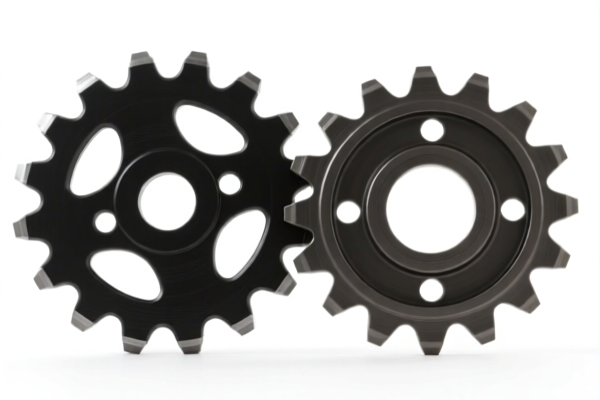
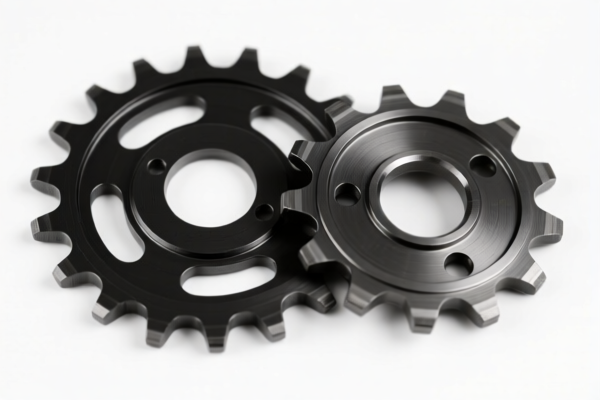
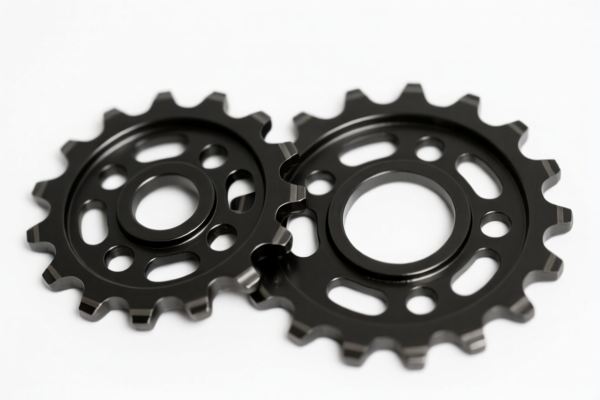
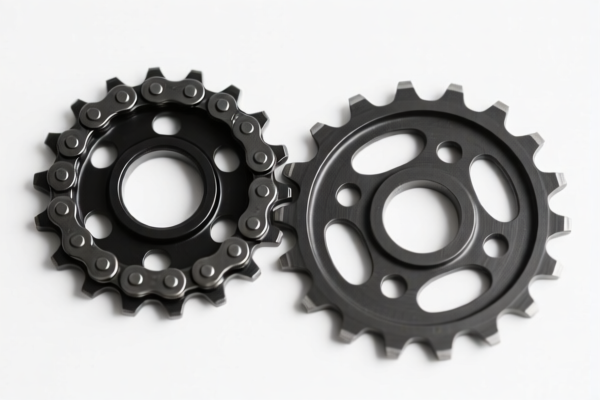
AI Analysis
🍳 Nonstick Crumpet Rings (Baking Pan Rings)
🌐 HS Code Reference & Customs Clearance Guide | 2026 Latest Tariff Analysis | Professional Clearance Strategy
📌 I. Product Definition & Classification: Do You Really Understand "Nonstick Crumpet Rings"?
Nonstick Crumpet Rings are specialized kitchenware accessories used for shaping and baking crumpets, muffins, pancakes, or mini-quiches. In international trade, their classification depends heavily on material composition, coating properties, and functional integration (e.g., whether they are parts of a larger heating appliance or standalone baking tools).
⚠️ Key Classification Distinction:
- If viewed as parts of electric cooking appliances (e.g., integrated into a hot plate or oven system) →归入 8516.90 series.
- If viewed as standalone baking utensils made of iron or aluminum with non-stick coatings →归入 7323.91 or 7615.10 series.
📦 II. HS Code Classification Details (2026 Latest Tariff Authority Comparison)
| HS Code | Product Description | Applicable Scenario | Material/Coating |
|---|---|---|---|
8516.90.80.50 |
Parts of cooking ranges, stoves, ovens (other categories) | Integrated into electric cooking systems; generic "other parts" | Any material, treated as appliance part |
8516.90.80.10 |
Parts of electric cooking appliances | Specifically identified as electric cooking appliance parts; metallic or coated metal | Metal or coated metal, functional link to electricity |
7323.91.50.20 |
Parts of cast iron baking utensils (un-enamelled) | Standalone cast iron rings without enamel; baking accessories | Cast iron, un-enamelled |
7615.10.20.25 |
Other parts/accessories with non-stick interior coating | Aluminum-based rings with non-stick interior; general kitchenware | Aluminum with non-stick coating |
🔍 Important Reminder:
-8516.90codes apply when the rings are considered integral parts of electric cooking equipment (e.g., sold with or designed for an electric griddle).
-7323.91applies to cast iron rings, particularly if un-enamelled.
-7615.10applies to aluminum rings with non-stick coatings, categorized under general household articles.
💰 III. 2026 Latest Tariff Rate Details (Including Additional Taxes, Policy Add-ons)
✅ Applicable Country: United States (US)
✅ Country of Origin: China (CN)
✅ Effective Date: Current (as per provided data)
🎯 1. 8516.90.80.50 —— Parts of Cooking Ranges, Stoves, Ovens (Other Categories)
| Item | Content |
|---|---|
| Basic Tariff | 0% |
| Section 301 Additional Tariff | +25% |
| Section 232 Tariff (Steel, Aluminum, Copper Products) | +50% |
| Total Tariff Rate | 75% |
| Tax Calculation | CIF Value × 75% |
| De Minimis Eligibility | ❌ No (Not eligible for de minimis exemption) |
| Legal Basis Path | Base: 0% → Section 301: 25% → Section 232: 50% |
📌 Explanation:
- This code carries the highest combined tariff due to the叠加 of Section 301 (25%) and Section 232 (50%) tariffs.
- Section 232 applies because the product may contain steel, aluminum, or copper components.
- Total burden: 75% – This is extremely high. Ensure correct classification to avoid overpayment.
🎯 2. 8516.90.80.10 —— Parts of Electric Cooking Appliances (Metallic/Coated)
| Item | Content |
|---|---|
| Basic Tariff | 0% |
| Section 301 Additional Tariff | +25% |
| Section 232 Tariff | 0% (Not applied for this specific subheading) |
| Total Tariff Rate | 25% |
| Tax Calculation | CIF Value × 25% |
| De Minimis Eligibility | ❌ No |
| Legal Basis Path | Base: 0% → Section 301: 25% |
📌 Note:
- Lower tariff than8516.90.80.50because Section 232 does not apply to this specific classification.
- Still subject to 25% Section 301 tariff.
- Suitable if the product is clearly defined as an electric appliance part without triggering Section 232.
🎯 3. 7323.91.50.20 —— Parts of Cast Iron Baking Utensils (Un-enamelled)
| Item | Content |
|---|---|
| Basic Tariff | 5.3% |
| Section 301 Additional Tariff | +10% |
| Section 232 Tariff | 0% |
| Total Tariff Rate | 15.3% |
| Tax Calculation | CIF Value × 15.3% |
| De Minimis Eligibility | ❌ No |
| Legal Basis Path | Base: 5.3% → Section 301: 10% |
📌 Note:
- This is the most cost-effective option for cast iron rings.
- Lower base tariff (5.3%) plus a reduced Section 301 rate (10%) compared to other codes.
- Ideal for un-enamelled cast iron baking accessories.
🎯 4. 7615.10.20.25 —— Other Parts/Accessories with Non-stick Interior Coating (Aluminum)
| Item | Content |
|---|---|
| Basic Tariff | 3.1% |
| Section 301 Additional Tariff | +25% |
| Section 232 Tariff (Aluminum Products) | +50% |
| Total Tariff Rate | 78.1% |
| Tax Calculation | CIF Value × 78.1% |
| De Minimis Eligibility | ❌ No |
| Legal Basis Path | Base: 3.1% → Section 301: 25% → Section 232: 50% |
📌 Note:
- Highest total tariff rate at 78.1% due to the叠加 of Section 301 (25%) and Section 232 (50%) on aluminum products.
- Avoid this classification unless absolutely necessary. The cost impact is severe.
🛠️ IV. Customs Clearance Practical Advice (Field Anti-Pitfall Guide)
✅ 1. Required Documentation Checklist (Missing Any Will Cause Delays)
| Document | Mandatory | Description |
|---|---|---|
| ✅ Product Specification Sheet | ✔️ | Include material (cast iron, aluminum, steel), coating type, dimensions, weight |
| ✅ Material Composition Certificate | ✔️ | Proves whether the product is cast iron, aluminum, or steel (critical for Section 232) |
| ✅ Product Photos (Including Labels) | ✔️ | Clear images of the ring, coating, and any branding |
| ✅ Commercial Invoice | ✔️ | Must accurately describe the product (e.g., "Nonstick Cast Iron Crumpet Ring") |
| ✅ Packing List | ✔️ | Detail quantity, net/gross weight, and packaging type |
| ✅ Third-Party Test Report (If Available) | ✔️ | FDA, LFGB, or RoHS compliance for food-contact materials |
✅ 2. Declaration Tips (Key Mantras)
🔥 "Material Dictates Tariff, Coating Triggers Section 232, Name Must Be Precise!"
| Scenario | Correct Declaration | Wrong Practice |
|---|---|---|
| Cast Iron Rings | 7323.91.50.20 (15.3%) |
Misdeclare as aluminum → 78.1% |
| Aluminum Rings with Non-stick | 7615.10.20.25 (78.1%) |
Try to declare as cast iron → Risk of penalty |
| Electric Appliance Parts | 8516.90.80.10 (25%) |
Declare as standalone kitchenware → May face reclassification |
| Generic "Other Parts" | 8516.90.80.50 (75%) |
Avoid unless necessary; high tariff |
✅ 3. Special Situation Handling
| Situation | Handling Advice |
|---|---|
| OEM Custom Rings | Provide customer order + design drawings to prove intended use (appliance part vs. standalone) |
| Mixed Material Rings | Declare based on principal material. If aluminum dominates, Section 232 may apply. |
| Food-Grade Coating | Provide FDA/LFGB compliance to ensure smooth customs release |
| Pre-Clearance Ruling | Strongly Recommended: Apply for an Advance Ruling from CBP to confirm HS Code and tariff rate |
🌍 V. Global Market Clearance Comparison (2026 Latest)
| Country/Region | Recommended HS Code | Tariff | Certification Requirements | Notes |
|---|---|---|---|---|
| 🇺🇸 USA | 7323.91.50.20 (Cast Iron) |
15.3% | FDA, LFGB | Avoid 7615.10 due to 78.1% tariff |
| 🇨🇳 China | 7323.91.50.20 |
5.3% | None | No additional tariffs |
| 🇪🇺 EU | 7323.91.50.20 |
0% (if符合条件) | REACH, LFGB | No additional tariffs |
| 🇬🇧 UK | 7323.91.50.20 |
0% | UKCA | No additional tariffs |
| 🇦🇺 Australia | 7323.91.50.20 |
5% | None | No additional tariffs |
📌 Conclusion:
- USA imposes the highest tariffs on metal baking accessories, especially aluminum and steel products.
- Cast iron (7323.91.50.20) is the most tariff-friendly classification for the US market.
- Aluminum with non-stick coating (7615.10.20.25) is the most expensive due to Section 232.
📌 VI. Common Errors & Pitfalls Guide (Lessons from Tears)
❌ Error 1: Declaring aluminum rings as cast iron
👉 Consequence: Tariff drops from 78.1% to 15.3% → Risk of audit, penalty, and back taxes!
❌ Error 2: Declaring standalone rings as electric appliance parts without evidence
👉 Consequence: CBP may reject the claim → Revert to 7615.10.20.25 or 7323.91.50.20 → Higher or lower tariff depending on material.
❌ Error 3: Ignoring Section 232 for aluminum/steel products
👉 Consequence: Unexpected 50% additional tariff on top of Section 301 → Total cost skyrockets.
✅ Correct Practice:
"Cast Iron Nonstick Crumpet Ring, Un-enamelled, For Baking, Model XYZ, FDA Compliant"
🎯 VII. Conclusion: Precise Classification Saves Money!
🎯 Remember the Mantra:
🔹 "Cast Iron is King (15.3%), Aluminum is Pain (78.1%), Electric Parts are Middle (25-75%)."
🔹 "HS Code Determines Cost, Misclassification Costs Thousands!"
📌 Pro Tip:
- If your product is cast iron, always declare under 7323.91.50.20 for the lowest tariff.
- If it’s aluminum, expect 78.1% unless you can prove it’s an electric appliance part (8516.90.80.10 at 25%).
- Apply for an Advance Ruling from CBP to confirm your classification before shipping.
📣 Take Action Now:
📞 Consult a licensed customs broker + Provide product specs + Apply for HS Code Advance Ruling
🚀 Ensure smooth clearance, minimize tariffs, and maximize profits!
✨ Professional clearance starts with precise classification!
💼 Every dollar of cost should be accurately calculated!
Customer Reviews
About HS Code Classification
The Harmonized System (HS) is an internationally standardized nomenclature developed by the World Customs Organization (WCO) to classify traded products. Over 200 countries use the HS system as the basis for customs tariffs, trade statistics, and import/export regulations.
Each HS code follows a hierarchical structure:
- Chapter (2 digits) — Broad category of goods (e.g., Chapter 84: Machinery and Mechanical Appliances)
- Heading (4 digits) — More specific grouping within the chapter
- Subheading (6 digits) — Internationally standardized breakdown, used by all WCO member countries
- National subdivisions (8-10 digits) — Country-specific extensions for further classification, such as US HTSUS 10-digit codes
Correct HS code classification is essential for smooth customs clearance, accurate duty payment, and compliance with trade regulations. Misclassification can lead to customs delays, overpayment of duties, or penalties.
When importing from CN to US, the applicable tariff rates may include:
- Most-Favored-Nation (MFN) rate — The standard duty rate applied to WTO members
- General rate — Applied to countries without trade agreements
- Trade remedy duties — Additional tariffs such as Section 301 (anti-dumping), Section 232 (national security), or countervailing duties
The information provided on this page is for reference purposes only. For official classification, please consult with your local customs authority or a licensed customs broker.