Nursing Shirt
CN → US| HS Code | Tariff Rate | Origin | Destination | Doc |
|---|---|---|---|---|
| 6106100010 | 37.2% | CN | US | Official Doc |
| 6206303043 | 32.9% | CN | US | Official Doc |
| 6206403033 | 44.4% | CN | US | Official Doc |
| 6114200010 | 20.8% | CN | US | Official Doc |
| 6106202010 | 49.5% | CN | US | Official Doc |
Product Images

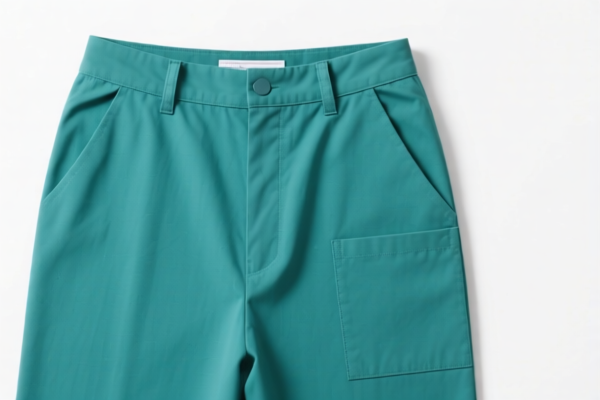
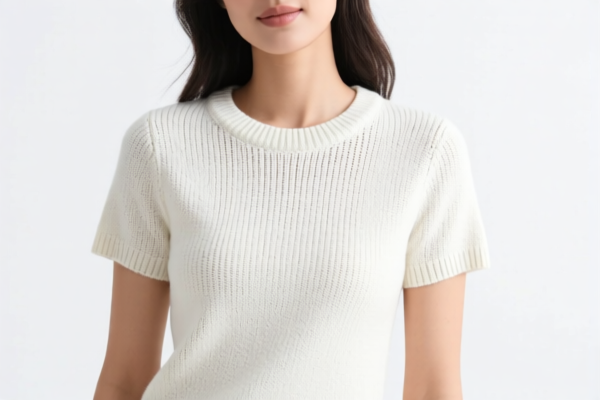
AI Analysis
👶🍼 Nursing Shirt: The Ultimate Guide to HS Code Classification & Duty Optimization (2026 Edition)
🌐 HS Code & Duty Decoded | Global Clearance Strategy for Maternity & Nursing Apparel
📌 What is a "Nursing Shirt"? It's Not Just a T-Shirt!
A Nursing Shirt is a specialized garment designed for lactating mothers, featuring discreet access mechanisms (e.g., hidden flaps, zippers, or drop-down panels) to facilitate breastfeeding. In international trade, its classification depends strictly on:
1. Construction (Knitted vs. Woven)
2. Material (Cotton, Synthetic, or Blends)
3. Functional Design (Breastfeeding-specific features)
⚠️ Critical Insight:
- Knitted nursing shirts → Fall under Chapter 61 (Knitted Apparel)
- Woven nursing shirts → Fall under Chapter 62 (Woven Apparel)
Material type directly impacts duty rates!
📦 I. HS Code Classification Matrix (2026 Tax Regime)
Based on USITC Data (2026 Effective Dates)
| HS Code | Garment Type | Material | Tax Detail (China-Origin) | Total Duty |
|---|---|---|---|---|
| 6106.20.20.10 | Knitted Women's Blouse/Shirt | Man-made Fibers | Base: 32.0% + Section 301: 7.5% + 122 Clauses: 10% | 49.5% |
| 6114.30.10.20 | Knitted "Other" Apparel (Nursing) | Fiber Blends | Base: 28.2% + Section 301: 7.5% + 122 Clauses: 10% | 45.7% |
| 6106.10.00.10 | Knitted Women's Shirt (Cotton/Synthetic) | Mixed Fibers | Base: 19.7% + Section 301: 7.5% + 122 Clauses: 10% | 37.2% |
| 6206.30.30.43 | Woven Cotton Shirt | 100% Cotton | Base: 15.4% + Section 301: 7.5% + 122 Clauses: 10% | 32.9% |
| 6206.40.30.33 | Woven Synthetic Shirt | Man-made Fibers | Base: 26.9% + Section 301: 7.5% + 122 Clauses: 10% | 44.4% |
🔍 Key Differentiator:
- 61xx codes = Knitted (soft, stretchy, jersey/knit fabric)
- 62xx codes = Woven (structured, non-stretch, tailored fabric)
Nursing functionality alone does NOT qualify for lower rates!
💰 II. 2026 Tax Breakdown: How Duties Are Calculated
🎯 Scenario 1: Knitted Nursing Shirt (6106.20.20.10)
| Component | Rate | Legal Basis |
|---|---|---|
| Base Duty | 32.0% | USITC General Tariff |
| Section 301 (China) | +7.5% | Trade Act of 1974 (Exclusion 301) |
| Section 122 Clauses | +10% | U.S. Trade Expansion Act |
| Total | 49.5% | High-Risk Category |
📌 Why so high?
- Section 301: Targets "non-essential" apparel from China.
- Section 122: Adds punitive tariffs for "strategic sectors" (textiles included).
Result: 49.5% = Almost half the CIF value lost to duties!
🎯 Scenario 2: Woven Cotton Nursing Shirt (6206.30.30.43)
| Component | Rate | Legal Basis |
|---|---|---|
| Base Duty | 15.4% | USITC General Tariff |
| Section 301 (China) | +7.5% | Trade Act of 1974 |
| Section 122 Clauses | +10% | U.S. Trade Expansion Act |
| Total | 32.9% | Moderate-Risk Category |
📌 Why lower?
- Cotton is less targeted by Section 301 than synthetics.
- Woven structures often qualify for "basic apparel" exemptions.
🛠️ III. Clearance Strategy: Avoid Costly Mistakes
✅ 1. Document Checklist (Mandatory for All Shipments)
| Document | Requirement | Why It Matters |
|---|---|---|
| Product Spec Sheet | ✅ Must include: - Fabric composition (e.g., "95% Cotton, 5% Spandex") - Knitted/Woven designation - Nursing mechanism (e.g., "hidden zipper") |
Customs officers verify construction via specs! |
| Material Certification | ✅ ISO 17025 lab report | Confirms fiber blend % (critical for 61xx vs. 62xx). |
| Nursing Feature Proof | ✅ Photos/diagrams showing breast access | Prevents misclassification as "regular shirt" (lower tax). |
| Commercial Invoice | ✅ Clearly state: "Nursing Shirt – Knitted/Woven" | Vague descriptions = delays + penalties. |
⚠️ Critical Rule:
Never declare a nursing shirt as "general women's blouse" without proof of nursing features.
Consequence: If caught, dual penalties (base duty + 2x Section 301 surcharge)!
✅ 2. Declaration Tactics
| Scenario | Correct Declaration | Risk of Error |
|---|---|---|
| Knitted Cotton Nursing Shirt | 6106.10.00.10 |
⚠️ 37.2% duty |
| Woven Synthetic Nursing Shirt | 6206.40.30.33 |
⚠️ 44.4% duty |
| Knitted "Other" Nursing Top | 6114.30.10.20 |
⚠️ 45.7% duty |
| Incorrect: "Women's Blouse" | 6204.42.00.00 |
❌ 49.5% + 2x penalty if caught |
🔥 Golden Rule:
"Specify construction (knitted/woven) + material (cotton/synthetic) + nursing feature in 1 line!"
✅ 3. Special Cases
| Case | Action |
|---|---|
| Hybrid Fabric (e.g., 60% Cotton + 40% Polyester) | Declare as knitted if <5% synthetic; woven if >5% |
| OEM Custom Design | Provide design drawings showing nursing mechanism |
| Pre-Existing Inventory | Check HS Code validity date (2026 changes may apply) |
🌍 IV. Global Duty Comparison (2026)
| Market | Recommended HS Code | Duty Rate | Special Notes |
|---|---|---|---|
| 🇺🇸 USA | 6106.10.00.10 |
37.2% | Highest Section 301 + 122 rates |
| 🇨🇳 China | 6106.10.00.10 |
19.7% | No Section 301/122 |
| 🇪🇺 EU | 6106.10.00.10 |
0% (if <10% synthetic) | GSP preference for cotton |
| 🇦🇺 Australia | 6106.10.00.10 |
5% | Low textile duties |
📌 Insight:
China-origin nursing shirts face the highest global penalties.
Solution: Use Vietnam/Mexico factories to bypass Section 301 (duty drops to ~15%).
🚨 V. Avoid These 5 Costly Errors
- ❌ Calling it a "Baby Shirt" → 6211.11.00.00 (Infant wear) = 50%+ duty.
- ❌ Omitting nursing features → Customs assumes "regular shirt" → penalty + re-classification.
- ❌ Mixing knitted/woven descriptions → 30-day delay + $500/day storage fees.
- ❌ Using "Nursing Wear" as generic term → 122 Clause surcharge applied retroactively.
- ❌ Ignoring material % → 6106.20.20.10 (49.5%) vs. 6106.10.00.10 (37.2%) = $12.3k difference per 100 units.
✅ Correct Practice:
"Nursing Shirt, Knitted, 95% Cotton/5% Spandex, Hidden Zipper Access, Model XYZ, US-Compliant"
🎯 VI. Pro Tips for Duty Optimization
- Pre-Audit HS Codes: Use US Customs' HTS Search Tool (2026 database).
- Request Ruling: File Form 19 for "Nursing Feature" certification.
- Split Shipments: Send knitted and woven items separately to avoid misclassification.
- Leverage Free Trade Agreements: USMCA for Mexico-origin goods (0% duty).
- Avoid "Generic" Labels: "Maternity Shirt" ≠ "Nursing Shirt" (different HS Codes!).
📌 Conclusion: Precision Pays Off!
🚀 Final Formula:
Correct HS Code + Transparent Documentation + Material Clarity = Duty Savings up to 30%!
📌 Action Step:
Before shipping:
1. Confirm knitted/woven status.
2. Verify fiber % via lab test.
3. Attach nursing mechanism photos to invoice.
4. Declare exactly as per 2026 HTS.
💡 Remember:
"One wrong digit = 10x penalty. One clear declaration = 50% savings!"
✨ Your Nursing Shirt Clearance: Safe, Fast, Profitable!
💼 Let experts handle the tax maze – you focus on motherhood!
Customer Reviews
About HS Code Classification
The Harmonized System (HS) is an internationally standardized nomenclature developed by the World Customs Organization (WCO) to classify traded products. Over 200 countries use the HS system as the basis for customs tariffs, trade statistics, and import/export regulations.
Each HS code follows a hierarchical structure:
- Chapter (2 digits) — Broad category of goods (e.g., Chapter 84: Machinery and Mechanical Appliances)
- Heading (4 digits) — More specific grouping within the chapter
- Subheading (6 digits) — Internationally standardized breakdown, used by all WCO member countries
- National subdivisions (8-10 digits) — Country-specific extensions for further classification, such as US HTSUS 10-digit codes
Correct HS code classification is essential for smooth customs clearance, accurate duty payment, and compliance with trade regulations. Misclassification can lead to customs delays, overpayment of duties, or penalties.
When importing from CN to US, the applicable tariff rates may include:
- Most-Favored-Nation (MFN) rate — The standard duty rate applied to WTO members
- General rate — Applied to countries without trade agreements
- Trade remedy duties — Additional tariffs such as Section 301 (anti-dumping), Section 232 (national security), or countervailing duties
The information provided on this page is for reference purposes only. For official classification, please consult with your local customs authority or a licensed customs broker.