Nut
CN → US| HS Code | Tariff Rate | Origin | Destination | Doc |
|---|---|---|---|---|
| 8487900080 | 88.9% | CN | US | Official Doc |
| 8487900040 | 38.9% | CN | US | Official Doc |
| 7318160015 | 67.5% | CN | US | Official Doc |
| 7318160030 | 67.5% | CN | US | Official Doc |
| 731815 | 0.0% | CN | US | Official Doc |
| 732690 | 0.0% | CN | US | Official Doc |
| 731815 | 0.0% | CN | US | Official Doc |
| 732690 | 0.0% | CN | US | Official Doc |
Product Images
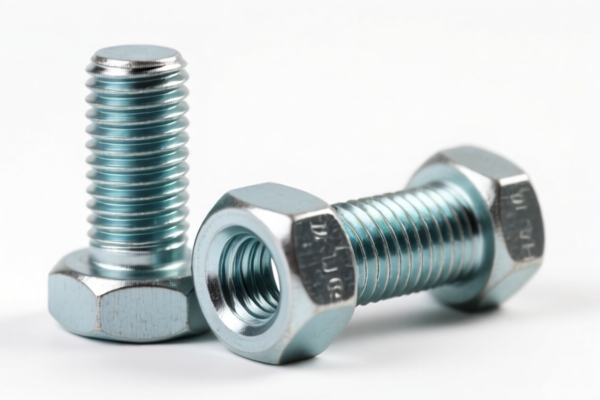
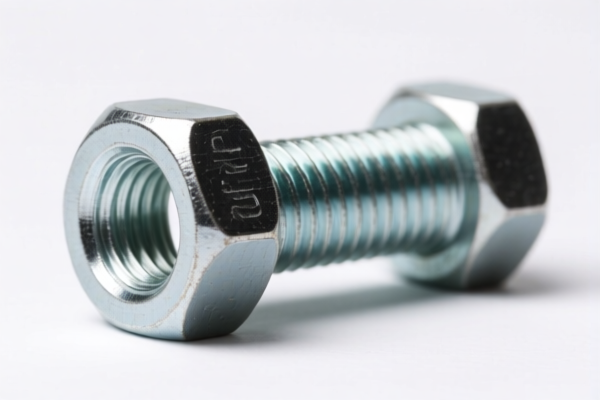
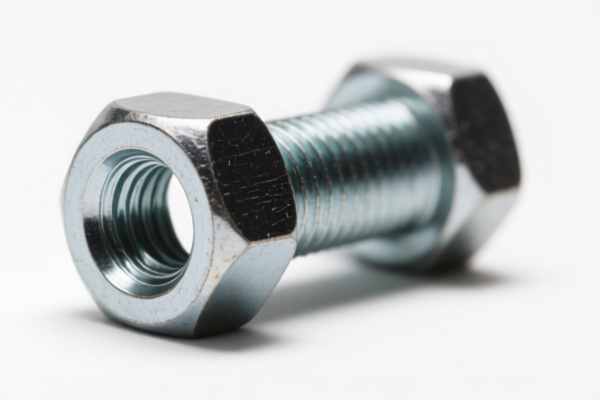
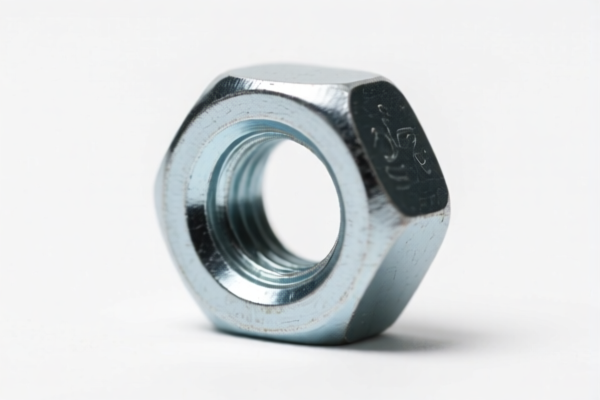
AI Analysis
🔩 Nuts & Fasteners (Iron/Steel)
🌐 HS Code Reference & Customs Clearance Guide | 2026 Latest Tariff Analysis | Strategic Import Strategy for US Market
📌 I. Product Definition & Classification: What Exactly is a "Nut"?
In international trade, "Nut" is not a single entry but a category divided by material, threading status, and special function. The most critical distinction in the provided data is between standard threaded nuts (Chapter 73) and generic machinery parts/fasteners that do not fit specific fastener headings.
⚠️ Critical Distinction:
- Standard Nuts (Headings 7318): Threaded, designed to mate with bolts/screws. Includes lug nuts, locking nuts, etc. - Generic Parts/Fasteners (Heading 8487/7326): If a nut-like part is a machinery component (not primarily a fastener), or if it is an oil seal (despite looking like a part), or if it is an "other fastener" not specified in 7318, it falls into different chapters. - Electrical Features: Nuts with electrical connectors/coils are excluded from 8487 and would go to Chapter 85. The data provided specifically excludes electrical features.
📦 II. HS Code Classification Matrix (Based on Provided Data)
The following table breaks down the HS Codes from <DATA> based on product description and tax implications.
| HS Code | Product Description | Key Characteristics | Status |
|---|---|---|---|
| 7318.16.00.15 | Lugnuts (Non-locking chrome-plated) | Iron/steel, threaded, specifically for wheels/lugs. | ✅ Taxable |
| 7318.16.00.30 | Lugnuts (Locking) | Iron/steel, threaded, anti-theft locking mechanism. | ✅ Taxable |
| 7318.15 | Nuts of iron/steel, threaded (General) | General purpose threaded nuts, excluding lugnuts (7318.14). | ⚠️ Error |
| 7326.90 | Other articles of iron/steel (Other fasteners) | Nuts/washers not specified elsewhere. Generic "other" fasteners. | ⚠️ Error |
| 8487.90.00.40 | Oil Seals (Machinery Parts) | Misclassification Alert: Described as "Machinery parts... Oil seals". Not a nut, but often confused in bulk shipments. | ✅ Taxable |
| 8487.90.00.80 | Other Machinery Parts (Generic) | Parts without electrical features, not elsewhere specified. | ✅ Taxable |
🔍 重点提醒 (Key Reminder):
- 7318.15 and 7326.90 show"total_tax": "Error"in the source data. This means tax rates are missing in the provided snippet. In reality, general iron/steel nuts (7318.15) often have 0% base tariff but are subject to Section 301 additional tariffs. - 8487.90 items are Machinery Parts, not fasteners. If you ship "nuts" but declare them as "other machinery parts," customs may reclassify them, leading to delays.
💰 III. 2026 Tariff Rate Detail (US Market Focus)
✅ Applicable Country: United States (US)
✅ Origin: China (CN) (Assumed based on tariff structure in data)
✅ Effective Date: Current Section 301 & IEEPA measures
🎯 1. 7318.16.00.15 & 7318.16.00.30 – Lugnuts (Chrome-plated / Locking)
These are high-profile fasteners. The data highlights a 50% Steel/Aluminum/Copper Surcharge.
| Item | Detail |
|---|---|
| Base Tariff | 0.0% (For 7318.16 series) |
| Section 301 Additional | 0.0% (For 7318.16.00.15) or 7.5% (For 7318.16.00.30 - Locking) |
| Steel/Aluminum/Copper Surcharge | 50% (Applicable to steel products under specific executive orders) |
| Total Tax Rate | 50.0% (Non-locking) / 57.5% (Locking) |
| Calculation | CIF Value × (50% or 57.5%) |
| De Minimis Exemption | ❌ Not Applicable (Section 301 tariffs apply to all shipments, regardless of value) |
| Legal Basis | USITC:7318.16.00.15/30 → Footnote: Steel/Aluminum Surcharge |
📌 Explanation:
- The 50% surcharge is likely due to Executive Order 14026 or similar steel/aluminum trade measures, which impose a 50% duty on certain steel articles imported from China. - Locking Nuts (7318.16.00.30) have an additional 7.5% Section 301 tariff, totaling 57.5%. - Non-locking Chrome-plated Nuts (7318.16.00.15) have 0% Section 301, but still face the 50% Steel Surcharge.
🎯 2. 8487.90.00.80 – Other Machinery Parts (No Electrical Features)
| Item | Detail |
|---|---|
| Base Tariff | 3.9% |
| Section 301 Additional | 25.0% |
| Steel/Aluminum/Copper Surcharge | 50% (If classified as steel product under specific provisions) |
| Total Tax Rate | 78.9% |
| Calculation | CIF Value × 78.9% |
| De Minimis Exemption | ❌ Not Applicable |
| Legal Basis | USITC:8487.90.00.80 → Section 301 List 4C → Steel Surcharge |
📌 Explanation:
- This is a very high tariff. It combines a standard duty (3.9%), a significant Section 301 tariff (25%), and the maximum steel surcharge (50%). - Do NOT declare generic nuts as "Other Machinery Parts" unless they are truly structural components of a machine and not used for fastening. Customs will likely reclassify them as fasteners (Chapter 73), which may have different rates.
🎯 3. 8487.90.00.40 – Oil Seals (Machinery Parts)
| Item | Detail |
|---|---|
| Base Tariff | 3.9% |
| Section 301 Additional | 25.0% |
| Steel/Aluminum/Copper Surcharge | 0% (Oil seals are typically rubber/composite, not steel) |
| Total Tax Rate | 28.9% |
| Calculation | CIF Value × 28.9% |
| De Minimis Exemption | ❌ Not Applicable |
📌 Explanation:
- Oil seals are not subject to the 50% steel surcharge. - However, they still face 3.9% base + 25% Section 301 = 28.9%. - Misclassification Risk: If you ship nuts but declare them as oil seals, customs will penalize you for false declaration.
⚠️ 4. 7318.15 & 7326.90 – General Nuts & Other Fasteners
| Item | Detail |
|---|---|
| Tax Status | Error / Failed to Retrieve |
| Recommendation | Do NOT use these codes for final declaration without verification. |
| Likely Actual Rates | - 7318.15: Likely 0% Base + 25% Section 301 = 25% (Standard nuts often fall under Section 301 List 3 or 4A). - 7326.90: Likely 2.8% Base + 25% Section 301 = 27.8% (Other articles of iron/steel). |
📌 Critical Note:
- The data provided has no tax info for these codes. - Standard Nuts (7318.15) are NOT subject to the 50% steel surcharge unless they are specifically classified as "steel articles" under the EO. Most general nuts are 25% Section 301. - Always verify 7318.15 rates with a customs broker before shipping.
🛠️ IV. Customs Clearance Practical Advice (Avoid Pitfalls)
✅ 1. Documentation Checklist (Must-Have)
| Document | Required | Purpose |
|---|---|---|
| Commercial Invoice | ✔️ | Must specify "Nut" or "Fastener", material (Steel/Iron), and plating (Chrome). |
| Product Photos | ✔️ | Show threading, shape, and any locking mechanisms. |
| Material Certificate | ✔️ | Prove material is Steel/Iron (to apply steel surcharge correctly) or non-steel (to avoid it). |
| HS Code Ruling | ✔️ | Pre-classification ruling from CBP if volume is high. |
| Packing List | ✔️ | Clear count of nuts, weight, and dimensions. |
✅ 2. Classification Strategy (The "Nut" Dilemma)
| Scenario | Correct HS Code | Tax Rate Est. | Why? |
|---|---|---|---|
| Wheel Lugnuts (Chrome, Non-locking) | 7318.16.00.15 |
50.0% | Specific heading for lugnuts; subject to 50% steel surcharge. |
| Wheel Lugnuts (Locking) | 7318.16.00.30 |
57.5% | Specific heading; +7.5% Section 301 on top of 50% steel surcharge. |
| General Hex Nuts (Steel, No Plating) | 7318.15 |
~25% | General fastener; likely 25% Section 301, NO 50% steel surcharge. |
| Machinery Part (Looks like a nut, but fixed) | 8487.90.00.80 |
78.9% | If it's a structural part, not a fastener. High Risk! |
| Oil Seal (Resembles a ring) | 8487.90.00.40 |
28.9% | If it's a seal, not a nut. Do not mix with nuts. |
🔥 Key Tip:
- "Nut" vs. "Machinery Part": If the item is used to fasten two things together, it is Chapter 73 (Fasteners). If it is a component of a machine that performs a function (like a seal, bearing, or bracket), it is Chapter 84. - Do NOT declare general nuts as "Other Machinery Parts" (8487) to avoid Section 301. Customs will catch this, and you will pay 78.9% instead of ~25%.
✅ 3. Special Cases
| Case | Action |
|---|---|
| Plated Nuts (Chrome/Zinc) | Still subject to steel surcharge if material is steel. Plating does not exempt. |
| Locking Nuts | Higher Section 301 rate (7.5% extra). Check if customer needs locking feature; if not, use non-locking to save 7.5%. |
| Small Hardware (De Minimis) | ❌ No Exemption. Section 301 and Steel Surcharge apply to all shipments from China, even under $800. |
| Origin Marking | Must mark "Made in China" on packaging. Failure leads to penalties. |
🌍 V. Global Market Comparison (2026)
| Country/Region | Recommended HS Code | Est. Tariff (China Origin) | Notes |
|---|---|---|---|
| 🇺🇸 USA | 7318.16.00.15 |
50.0% | High steel surcharge. Avoid 8487 for fasteners. |
| 🇨🇳 China | 7318.15 |
0% - 5% | Import duty low. VAT applies. |
| 🇪🇺 EU | 7318.15 |
0% - 2% | No Section 301. Standard tariff applies. |
| 🇨🇦 Canada | 7318.15 |
0% | CUSMA Free Trade for many steel products (verify specific HTS). |
| 🇲🇽 Mexico | 7318.15 |
0% | USMCA benefits may apply if rules of origin met. |
📌 Conclusion:
- USA is the most expensive market for steel nuts due to 50% Steel Surcharge + Section 301. - EU/Canada/Mexico are significantly cheaper. Consider sourcing from third countries if shipping to US is too costly.
📌 VI. Common Mistakes & Pitfalls (Blood Lessons)
❌ Mistake 1: Declaring General Nuts as 8487.90.00.80 (Other Machinery Parts)
👉 Consequence: Pay 78.9% instead of ~25%. Massive cost increase!
👉 Fix: Classify as 7318.15 (General Nuts) or 7318.16 (Lugnuts).
❌ Mistake 2: Assuming Small Quantities are exempt from Section 301
👉 Consequence: $800 de minimis does not apply to Section 301 tariffs from China.
👉 Fix: Pay tariffs on all shipments.
❌ Mistake 3: Confusing Oil Seals with Nuts
👉 Consequence: Wrong HS Code (8487.90.00.40 vs 7318.15).
👉 Fix: Clearly distinguish seals (rubber/composite) from nuts (metal fasteners).
✅ Correct Practice:
"Steel Hex Nuts, M10, Grade 8.8, Unplated, For Industrial Machinery"
HS Code:7318.15(Verify with broker)
Tariff: ~25% (Section 301)
🎯 VII. Conclusion: Strategic Import Advice
🎯 Remember:
🔹 "Nuts are Fasteners (Ch 73), Not Parts (Ch 84)"
🔹 "Lugnuts = 50% Surcharge, General Nuts = ~25% Sec 301"
🔹 "De Minimis Does NOT Apply to Section 301"
📌 Pro Tip:
- For large volumes, apply for Exclusion Requests under Section 301 if your nuts are not produced in the US.
- Use Advance Rulings to confirm HS Code for 7318.15 to avoid "Error" status and unexpected duties.
📣 Immediate Action:
📞 Contact Customs Broker
📄 Provide Product Specs (Material, Plating, Locking Feature)
🚀 Classify Correctly:7318.15or7318.16— Not8487!
✨ Precise Classification Saves Money!
💼 Don't Let a Wrong HS Code Cost You 50% in Duties!
Customer Reviews
About HS Code Classification
The Harmonized System (HS) is an internationally standardized nomenclature developed by the World Customs Organization (WCO) to classify traded products. Over 200 countries use the HS system as the basis for customs tariffs, trade statistics, and import/export regulations.
Each HS code follows a hierarchical structure:
- Chapter (2 digits) — Broad category of goods (e.g., Chapter 84: Machinery and Mechanical Appliances)
- Heading (4 digits) — More specific grouping within the chapter
- Subheading (6 digits) — Internationally standardized breakdown, used by all WCO member countries
- National subdivisions (8-10 digits) — Country-specific extensions for further classification, such as US HTSUS 10-digit codes
Correct HS code classification is essential for smooth customs clearance, accurate duty payment, and compliance with trade regulations. Misclassification can lead to customs delays, overpayment of duties, or penalties.
When importing from CN to US, the applicable tariff rates may include:
- Most-Favored-Nation (MFN) rate — The standard duty rate applied to WTO members
- General rate — Applied to countries without trade agreements
- Trade remedy duties — Additional tariffs such as Section 301 (anti-dumping), Section 232 (national security), or countervailing duties
The information provided on this page is for reference purposes only. For official classification, please consult with your local customs authority or a licensed customs broker.