Nutria Furskins for Garment
CN → US| HS Code | Tariff Rate | Origin | Destination | Doc |
|---|---|---|---|---|
| 4301100020 | 17.5% | CN | US | Official Doc |
| 4303100030 | 39.0% | CN | US | Official Doc |
| 4302110010 | 37.1% | CN | US | Official Doc |
| 4302110020 | 37.1% | CN | US | Official Doc |
Product Images
AI Analysis
🧥 Nutria Furskins for Garment (Nutria Pelts)
🌐 HS Code Reference & Customs Clearance Guide | 2026 Latest Tariff Analysis | Professional Clearance Strategy
📌 I. Product Definition and Classification: What Exactly Are "Nutria Furskins"?
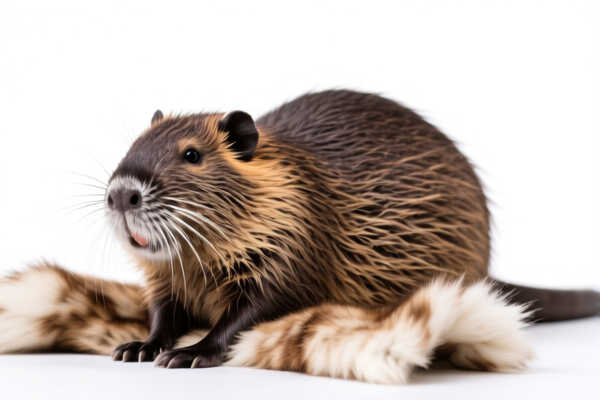
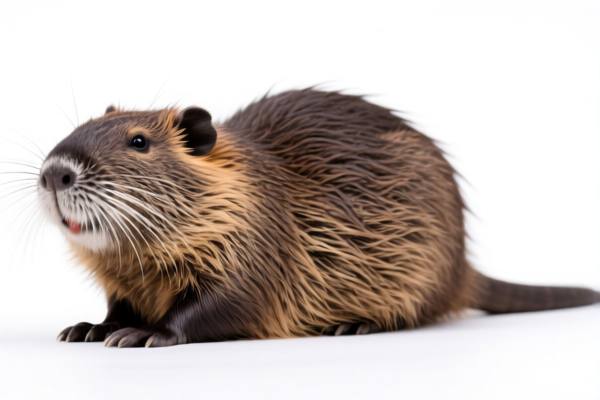
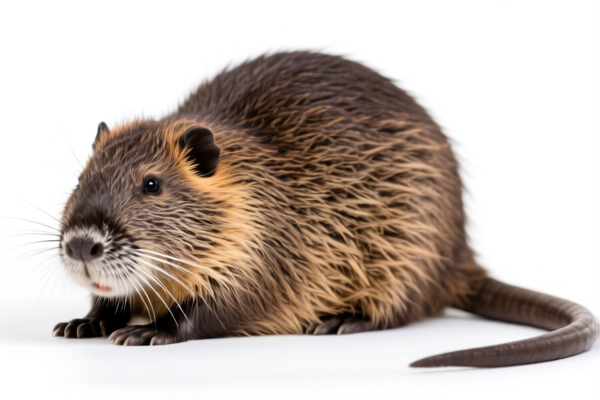
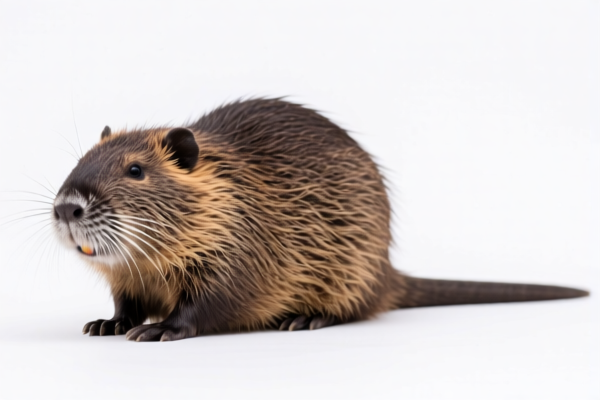
Nutria furskins (also known as coypu pelts) are animal hides sourced from the nutria (Myocastor coypus), a large semi-aquatic rodent originally native to South America but now invasive in many parts of the world, including the US, Europe, and Asia. In the fur industry, they are primarily used for lining, collars, cuffs, and whole garments due to their durability and warmth.
In international trade, nutria furskins are classified based on their state of processing: 1. Raw/Unprocessed Hides: Simply preserved (salted, dried, or frozen) without further tanning or dressing. These fall under Heading 4301. 2. Dressed/Tanned Hides: Processed to remove hair roots, soften the pelt, and prepare it for sewing. These typically fall under Heading 4302. 3. Sewn-Up Garments: If the skins are already cut and sewn into a coat or vest, they fall under Heading 4303.
⚠️ Key Distinction Point:
- If the product is raw, dried, or merely preserved → Classified under 4301 (Raw Furs).
- If the product is tanned, dyed, and dressed (ready for tailoring) → Classified under 4302 (Dressed Furs).
- If the product is already sewn into a garment → Classified under 4303 (Manufactures of Fur).
📦 II. HS Code Classification Details (2026 Latest Tariff Authority Mapping)
The provided data indicates four potential HS Codes depending on the exact processing stage and origin assumptions. Here is the breakdown:
| HS Code | Product Description | Application Scenario | Processing Status |
|---|---|---|---|
4301.10.00.20 |
Other raw furskins, of nutria | Raw hides, dried or salted, not yet tanned | ✅ Raw/Unprocessed |
4302.11.00.10 |
Dressed nutria furs, of nutria | Tanned/dressed pelts, intact (not sewn) | ✅ Dressed/Tanned |
4302.11.00.20 |
Other dressed nutria furs | Tanned/dressed pelts, cut or processed further | ✅ Dressed/Tanned |
4303.10.00.30 |
Manufactures of nutria fur | Sewn-up coats, jackets, or finished garment parts | ✅ Manufactured |
🔍 Critical Note:
- The term "Nutria Furskins for Garment" is ambiguous. If shipped as raw pelts, it goes to 4301. If shipped as tanned pelts ready for a factory to sew, it goes to 4302. If shipped as a finished jacket, it goes to 4303. - The provided data suggests a strong emphasis on 4302 (Dressed Furs) and 4303 (Garments), implying the commodity is likely tanned/dressed or finished, not raw hides.
💰 III. 2026 Latest Tariff Rate Breakdown (Including Surtaxes & Policy Add-ons)
✅ Applicable Country: United States (US)
✅ Origin: China (CN) (Assumed based on 122 Section & 301 Tariff structure)
✅ Effective Time: 2025/2026 (Current Trade Policy Era)
🎯 1. 4301.10.00.20 —— Raw Nutria Furskins (Unprocessed)
| Item | Content |
|---|---|
| Base Tariff | 0.0% (Ad valorem) |
| Section 301 Surtax | +7.5% (Standard China Surcharge) |
| Section 122 Tariff | +10% (Targeted on specific furs/leathers) |
| Total Tax Rate | 17.5% |
| Calculation | CIF Value × 17.5% |
| De Minimis Eligibility | ❌ No (Deny De Minimis for Furs) |
| Legal Path | Section 301:7.5% → Section 122:10% → HS:4301.10.00.20 |
📌 Explanation:
- Although the base duty is low (0%), the Section 122 tariff applies specifically to certain fur/leather products from China. - Total burden is only 17.5%, making this the lowest tax option IF the goods are indeed raw/unprocessed.
🎯 2. 4302.11.00.10 —— Dressed Nutria Furskins (Intact/Tanned)
| Item | Content |
|---|---|
| Base Tariff | 2.1% |
| Section 301 Surtax | +25.0% (High Tariff List) |
| Section 122 Tariff | +10.0% |
| Total Tax Rate | 37.1% |
| Calculation | CIF Value × 37.1% |
| De Minimis Eligibility | ❌ No |
| Legal Path | Section 301:25% → Section 122:10% → HS:4302.11.00.10 → Footnote |
📌 Explanation:
- This is the most common classification for tanned/dressed nutria pelts imported for garment manufacturing. - The 25% Section 301 tax significantly increases the cost.
🎯 3. 4302.11.00.20 —— Other Dressed Nutria Furskins (Processed/Cut)
| Item | Content |
|---|---|
| Base Tariff | 2.1% |
| Section 301 Surtax | +25.0% |
| Section 122 Tariff | +10.0% |
| Total Tax Rate | 37.1% |
| Calculation | CIF Value × 37.1% |
| De Minimis Eligibility | ❌ No |
| Legal Path | Section 301:25% → Section 122:10% → HS:4302.11.00.20 |
📌 Note:
- Same tax burden as4302.11.00.10. The distinction is purely based on physical form (intact vs. cut/processed).
🎯 4. 4303.10.00.30 —— Nutria Fur Garments (Sewn/Manufactured)
| Item | Content |
|---|---|
| Base Tariff | 4.0% |
| Section 301 Surtax | +25.0% |
| Section 122 Tariff | +10.0% |
| Total Tax Rate | 39.0% |
| Calculation | CIF Value × 39.0% |
| De Minimis Eligibility | ❌ No |
| Legal Path | Section 301:25% → Section 122:10% → HS:4303.10.00.30 |
📌 Explanation:
- If the import is finished coats/jackets, this code applies. - Highest tax rate (39.0%) among the options, but reflects the higher value-added nature of the product.
🛠️ IV. Customs Clearance Practical Advice (Battle-Tested Pitfall Avoidance)
✅ 1. Essential Documentation Checklist (No Exceptions)
| Document | Mandatory? | Explanation |
|---|---|---|
| ✅ Commercial Invoice | ✔️ | Must clearly state "Nutria Furskins" or "Nutria Fur Garments". |
| ✅ Packing List | ✔️ | Detail weight, quantity, and condition (Raw vs. Dressed). |
| ✅ Bill of Lading/Air Waybill | ✔️ | Standard shipping doc. |
| ✅ Import License (USFWS) | ✔️ | CRITICAL: Nutria are invasive species. You may need a permit from the U.S. Fish and Wildlife Service (USFWS) depending on the source and purpose. |
| ✅ Certificate of Origin | ✔️ | To verify Country of Origin (China) for accurate Section 301/122 calculation. |
| ✅ Processing Description | ✔️ | Explicitly state: "Tanned and Dressed" or "Raw Salted". Misclassification leads to audits. |
⚠️ Warning:
- CITES/USFWS Regulations: Nutria are not CITES-listed, but because they are invasive species, some states have restrictions on import. Ensure compliance with USFWS guidelines. - Section 122 Tariff: This is a targeted tariff on Chinese fur/leather goods. It is not optional.
✅ 2. Classification Strategy (The "Golden Rules")
| Scenario | Correct HS Code | Reason |
|---|---|---|
| Raw, Dried/Salted Skins | 4301.10.00.20 |
Least processing, lowest tax (17.5%). |
| Tanned, Dyed, Dressed Skins (Ready for tailor) | 4302.11.00.10 or .20 |
Standard for fur importers. Tax 37.1%. |
| Sewn Coats/Jackets | 4303.10.00.30 |
Finished goods. Tax 39.0%. |
| Garment Parts (Collars/Cuffs sewn) | 4303.10.00.30 |
Even if small, if sewn, it's a "manufacture". |
🔥 Pro Tip:
"If it's tanned, it's 4302. If it's sewn, it's 4303. If it's raw, it's 4301."
Do not try to misclassify tanned fur as raw fur to save 19.6% in tax (37.1% vs 17.5%). Customs can easily identify tanned pelts via microscopic analysis or chemical residues.
✅ 3. Special Cases & Mitigation
| Situation | Advice |
|---|---|
| Section 301 Exclusions? | ❌ No Exclusions for Fur Skins. The 25% surcharge is fully applicable. |
| Section 122 Waiver? | ❌ No Waiver. Section 122 is a broad tariff on Chinese leather/fur products. |
| Origin Masking? | ⚠️ High Risk. Do not try to relabel "Made in China" to avoid taxes. Customs audits are frequent for fur products. |
| Invasive Species Permit | ✅ Check USFWS. While Nutria isn't endangered, importation may require declaration to prevent ecological spread. |
🌍 V. Global Market Comparison (2026)
| Country/Region | Recommended HS Code | Tariff Rate | Notes |
|---|---|---|---|
| 🇺🇸 USA | 4302.11.00.10 |
37.1% | High tariffs due to Sec 301 + 122. |
| 🇨🇳 China | 4302.11.00.10 |
4.0% | Base rate only. No surtaxes. |
| 🇪🇺 EU | 4302.11.00 |
~10-12% | Standard MFN rate. No US-style surtaxes. |
| 🇬🇧 UK | 4302.11.00 |
~10-12% | Post-Brexit tariff. |
| 🇯🇵 Japan | 4302.11.00 |
~10% | Low base rate. |
📌 Conclusion:
- The US is the most expensive market for Chinese nutria furs due to Section 122 + 301. - Consider shifting sourcing to non-China origins (e.g., Russia, Poland, or South America) if possible, to avoid the 35% combined surtax.
📌 VI. Common Mistakes & Bloodied Lessons
❌ Mistake 1: Declaring Tanned Fur as Raw Fur (4301) to pay 17.5% instead of 37.1%.
👉 Consequence: Customs audit, penalty, and forced payment of 19.6% difference + fines.
❌ Mistake 2: Ignoring Section 122.
👉 Consequence: Underpayment by 10%. Interest accumulates daily.
❌ Mistake 3: Failing to disclose USFWS Permit requirements.
👉 Consequence: Seizure of goods by USFWS, not just Customs (CBP).
❌ Mistake 4: Mislabeling Sewn Garments as Skinned Hides.
👉 Consequence: Classification error. Sewn items are higher value and taxed differently.
✅ Correct Practice:
"Nutria Furskins, Tanned and Dressed, For Garment Manufacturing, Origin: China"
→ Use4302.11.00.10or.20.
🎯 VII. Conclusion: Professional Declaration, Risk-Free Clearance
🎯 Key Takeaway:
🔹 "Raw is Cheap (17.5%), Tanned is Mid (37.1%), Sewn is Expensive (39.0%).
🔹 "Section 122 is Real. Don't Skip It."
🔹 "USFWS Permit is Mandatory. Don't Ignore It."
📌 Action Plan:
1. Confirm Processing State: Is it Raw, Tanned, or Sewn?
2. Apply Correct HS Code: Use the table above.
3. Calculate Total Cost: Include 17.5%, 37.1%, or 39.0%.
4. Check USFWS Requirements: Apply for permits if needed.
5. Declare Accurately: Avoid penalties.
📣 Immediate Action:
📞 Consult a licensed customs broker.
📄 Prepare USFWS documentation.
📊 Run cost analysis based on 37.1% (most likely scenario for tanned furs).
✨ Precision in Classification Saves 20%+ in Duties!
💼 Don't Let "Fur" Become a Liability!
Customer Reviews
About HS Code Classification
The Harmonized System (HS) is an internationally standardized nomenclature developed by the World Customs Organization (WCO) to classify traded products. Over 200 countries use the HS system as the basis for customs tariffs, trade statistics, and import/export regulations.
Each HS code follows a hierarchical structure:
- Chapter (2 digits) — Broad category of goods (e.g., Chapter 84: Machinery and Mechanical Appliances)
- Heading (4 digits) — More specific grouping within the chapter
- Subheading (6 digits) — Internationally standardized breakdown, used by all WCO member countries
- National subdivisions (8-10 digits) — Country-specific extensions for further classification, such as US HTSUS 10-digit codes
Correct HS code classification is essential for smooth customs clearance, accurate duty payment, and compliance with trade regulations. Misclassification can lead to customs delays, overpayment of duties, or penalties.
When importing from CN to US, the applicable tariff rates may include:
- Most-Favored-Nation (MFN) rate — The standard duty rate applied to WTO members
- General rate — Applied to countries without trade agreements
- Trade remedy duties — Additional tariffs such as Section 301 (anti-dumping), Section 232 (national security), or countervailing duties
The information provided on this page is for reference purposes only. For official classification, please consult with your local customs authority or a licensed customs broker.